MiraJet Needle-Free Skin Booster: Is the Pain Really Minimal?
By Dr. Lee6 min read
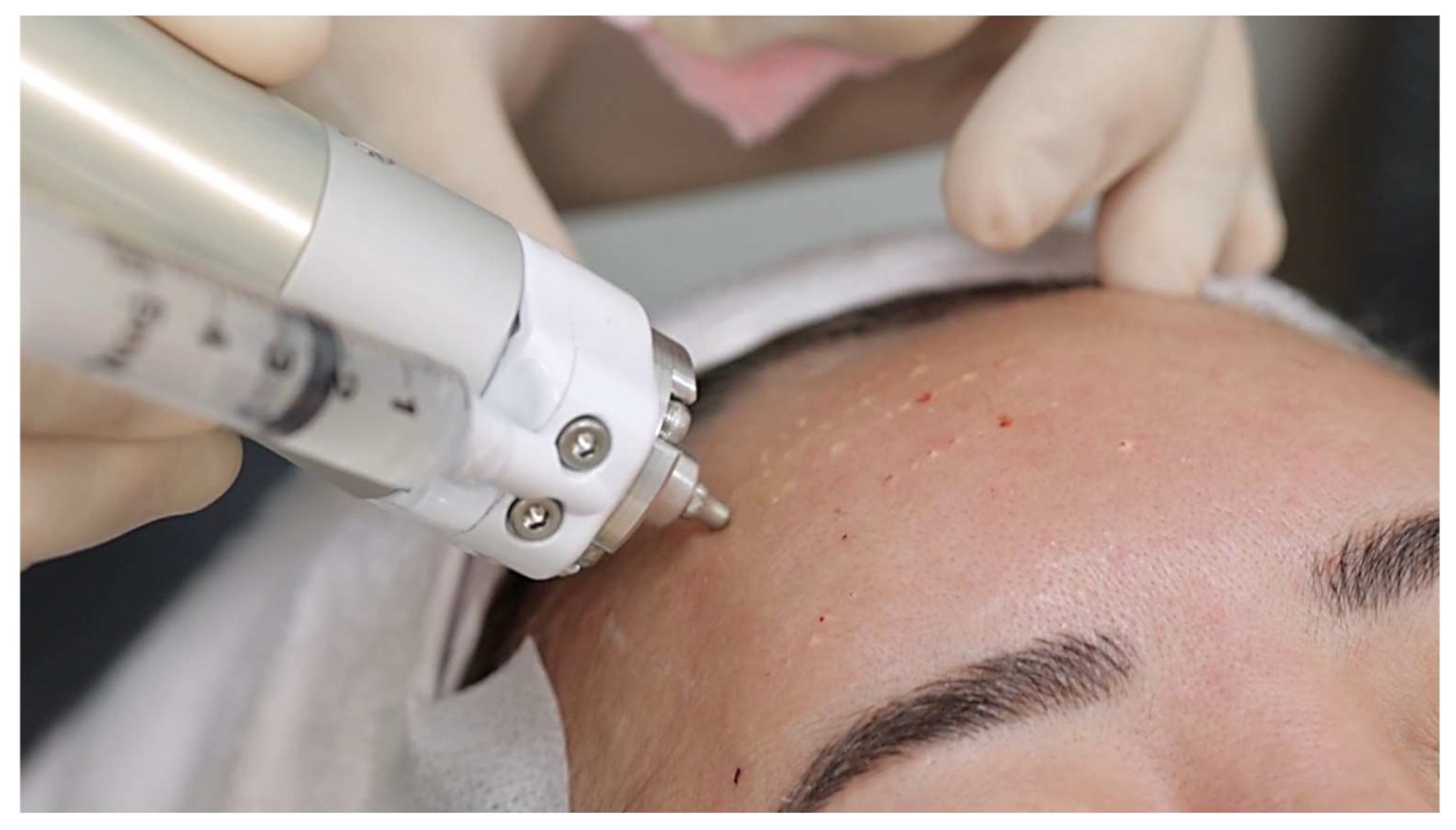
The one thing people dread most about skin boosters like Rejuran or hydrating injections is the needle. Getting the ingredients down to where they matter usually means multiple pricks, and with them, pain and swelling. MiraJet removes the needle entirely and instead pushes actives in with an extremely fine, ultra-fast liquid jet.
No needle does not mean the same thing as simply applying a product on top of the skin. What actually happens is that a burst of physical force opens tiny channels in the skin, carrying the ingredients down to the dermis. Let's walk through how that works, and where it actually gets used.
How is a needle-free skin booster different?
MiraJet is a non-invasive device that delivers active ingredients into the skin through a high-speed jet spray instead of a needle stick. The biggest difference from procedures like Rejuran or hydrating injections, which need ingredients placed in the dermis to work, is that MiraJet gets there without a syringe.
Conventional skin boosters rely on a needle piercing the skin repeatedly to plant ingredients, which brings pain and swelling along with it. MiraJet, on the other hand, sends an extremely fine stream of liquid through the skin in an instant, so the sensation of being pierced is much less pronounced. Pressure does the work a needle used to do.
How does a jet break through the skin without a needle?
There is really one question here. How can liquid reach into the skin with no needle at all? The answer is speed. When a liquid is sprayed fast enough and fine enough, that force alone can briefly punch a microscopic channel through the surface of the skin.
Think of the difference between a squirt gun and a fire hose. The same water, released slowly, just wets a surface, but forced through a narrow opening at high speed, it becomes a jet carrying serious pressure. The jet inside MiraJet works on the same principle, and the size of that pressure is what matters.
How does a 2940nm laser create pressure?
Inside MiraJet, a 2940nm laser is doing the real work. Energy at this wavelength generates a sudden spike of pressure inside a liquid reservoir in the handpiece, the same way water expands violently the instant it starts to boil.
So why 2940nm specifically? This wavelength is absorbed exceptionally well by water. That means when the energy hits the liquid inside the device, it does not pass straight through, it converts almost instantly into heat and pressure. The water heats and expands in a fraction of a second, and that expansion becomes the force driving the jet forward. In effect, light-generated pressure is standing in for the physical puncture a needle used to make.
That pressure then escapes through an extremely narrow nozzle and turns into a thin, fast liquid jet. The narrower the nozzle, the sharper and faster the jet at the same pressure, the same reason water forced through a thin tube shoots out with far more force than water spilling from a wide basin. The instant this jet meets the skin, it opens a microscopic channel, and active ingredients travel along that path into the dermis.
Adjusting the jet strength and nozzle settings changes roughly how deep the ingredients reach. Some areas call for a shallow, broad spray, while others need a narrow, deeper push. That is why the same device is used with different spray settings depending on the goal of the treatment.
The Photona unit and jet handpiece structure
MiraJet Forte is built by pairing a dedicated handpiece with Fotona's Dynamis platform. Dynamis is a base unit used across several types of laser procedures, and MiraJet Forte adds a jet-spray handpiece on top of it.
Because a single base unit accepts several interchangeable handpieces, the jet-spray function is essentially a new addition riding on a platform whose stability is already well established. The separation between base unit and handpiece also means output and spray settings can be fine-tuned for the purpose of the session. In practice, that lets the same device be adjusted differently depending on the area and skin condition being treated.
Why do the active ingredients need to reach the dermis?
Applying a skin booster on top of the skin rarely does much on its own. Ingredients like hyaluronic acid, Rejuran, or Re2O have a molecular size that makes it hard for them to push through the stratum corneum by themselves. So some kind of delivery method is needed to get them down to the dermis, one way or another.
MiraJet replaces that delivery method with a jet instead of a needle. Once the ingredients reach the area near the dermis, they are absorbed gradually there and are thought to play a role in hydration and skin elasticity. In the end, this achieves a goal similar to needle injection, just by a different route.
One more point worth adding: a jet is better suited to spreading ingredients evenly across a wide area than concentrating them in a single spot. A needle tends to leave ingredients clustered at each puncture site, while a jet opens tiny channels across many points as it passes. That makes it a good fit for treating broad areas evenly, such as overall skin texture or tone.
Can it be used for acne scars and pores?
Beyond delivering skin boosters, MiraJet is also used for acne scars and pore care. The reason it works there is fairly simple. Acne scars and enlarged pores are often the result of tissue beneath the surface being depressed or damaged, and the microscopic channels the jet creates can stimulate that area directly while also carrying regenerative ingredients along the same path.
Here is where MiraJet is actually used:
- Skin booster areas: The face overall, for a dewy look or improved elasticity.
- Acne scar areas: Depressed scar tissue that benefits from regenerative stimulation.
- Enlarged pore areas: Spots like the nose or cheeks where pores are noticeably widened.
The goals differ by area, but they share the same underlying principle, delivering ingredients and stimulation near the dermis without a needle.
How much pain and irritation follow treatment?
A treatment that pierces the skin repeatedly with a needle naturally sends pain signals, and each puncture leaves a small wound that can lead to swelling. Because MiraJet replaces that process with an instant jet spray, the physical trauma left on the skin is relatively limited.
There is no repeated in-and-out motion of a needle, and the jet passes through in such a brief instant that the time spent feeling any pain is shorter too. Everyone experiences it a bit differently, of course, but simply not having needle marks tends to ease the sense of a long recovery. That is part of why the treatment is generally seen as having minimal downtime.
That said, minimal does not mean zero irritation. Since the jet is still opening microscopic channels in the skin, some redness or mild stinging can linger right after the session. These reactions typically pass quickly, but on the day of treatment it still helps recovery to avoid things like vigorous rubbing or a sauna. No needle does not mean no aftercare is needed, and that is worth keeping in mind.
References
Korean Dermatological Association, American Academy of Dermatology (AAD), and Ministry of Food and Drug Safety (MFDS).
Was this helpful?
About this article
Written by a practising aesthetic physician and intended for general education — not a substitute for individual medical advice.
Read next
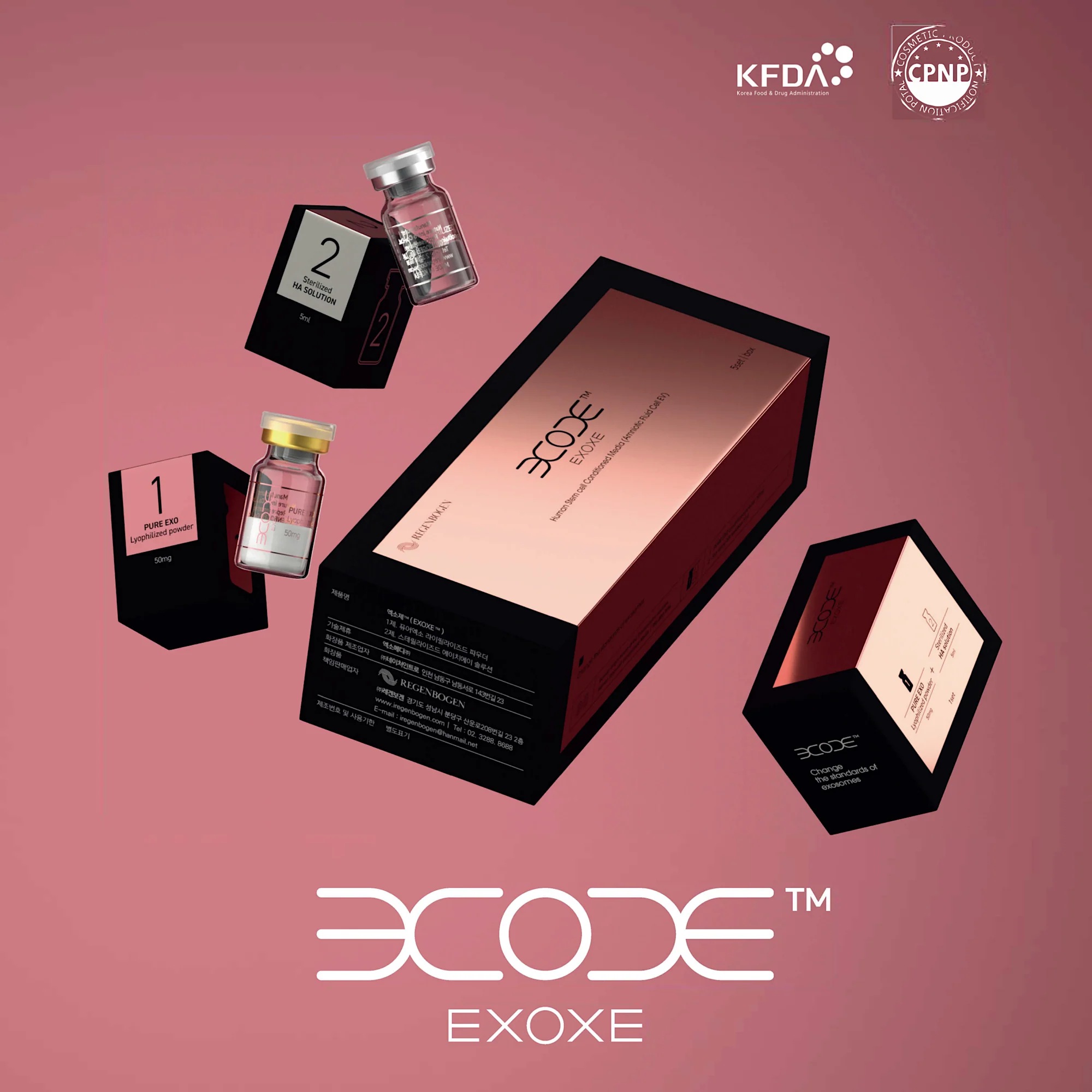
Exosome Treatment Effects: How Are They Different From Stem Cells?
Exosomes are tiny signal packets that cells release into their surroundings, delivering only the messages a stem cell creates rather than the stem cell itself to the skin. Here is a plain look at how exosomes carry regeneration and calming signals, why clinics so often pair them with laser treatments, and how much evidence has actually built up so far.
By Dr. Kim
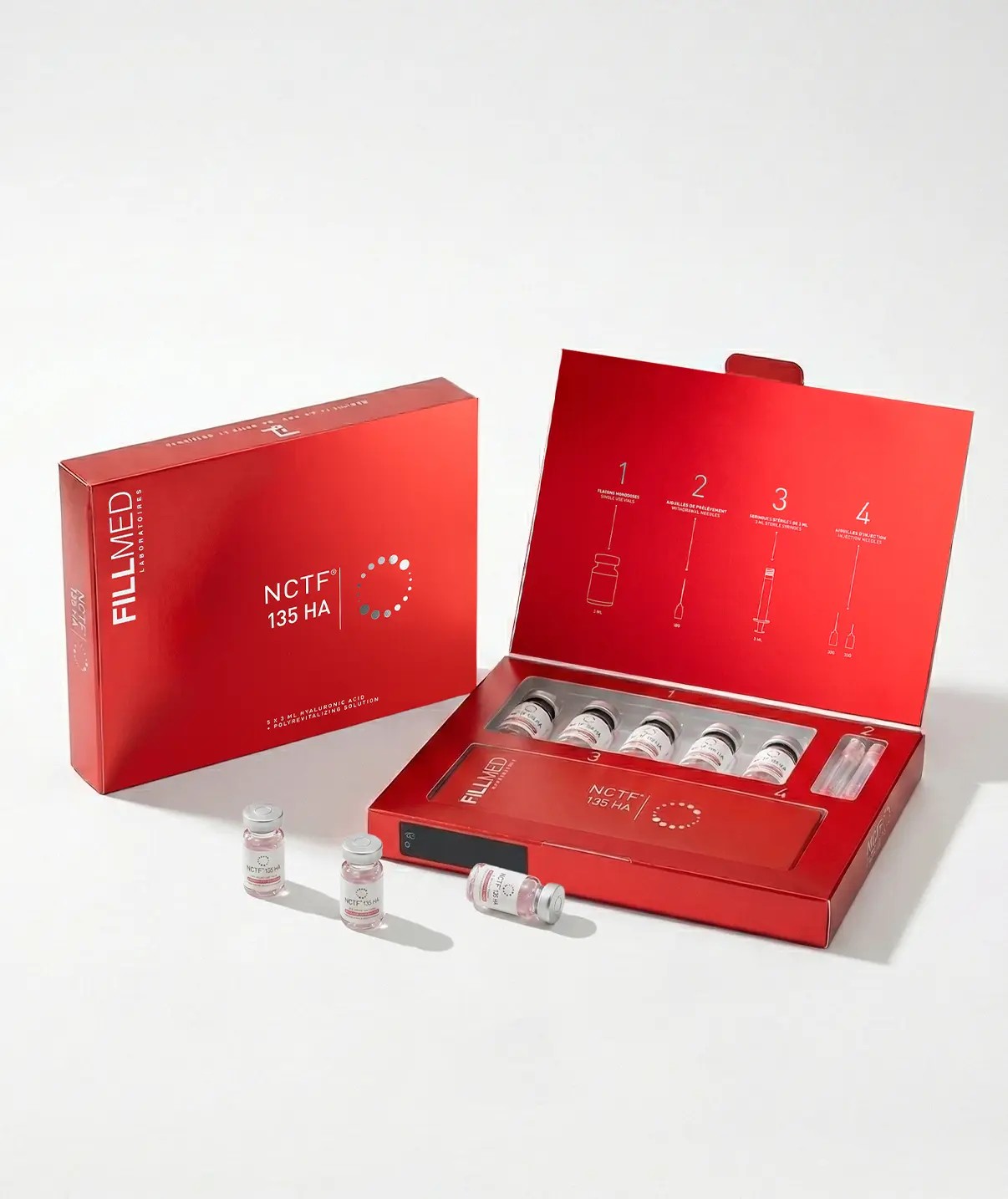
Filorga NCTF 135 Ingredients and the Difference From Water-Glow Injections, Including Sessions and Interval
Filorga NCTF 135 is a mesotherapy treatment that delivers vitamins, amino acids, minerals, and hyaluronic acid, dozens of ingredients in a single syringe, straight into the dermis. Here's a principle-first look at why so many ingredients are mixed together, what each one actually does in the skin, and how this differs from a classic skin booster.
By Dr. Kim
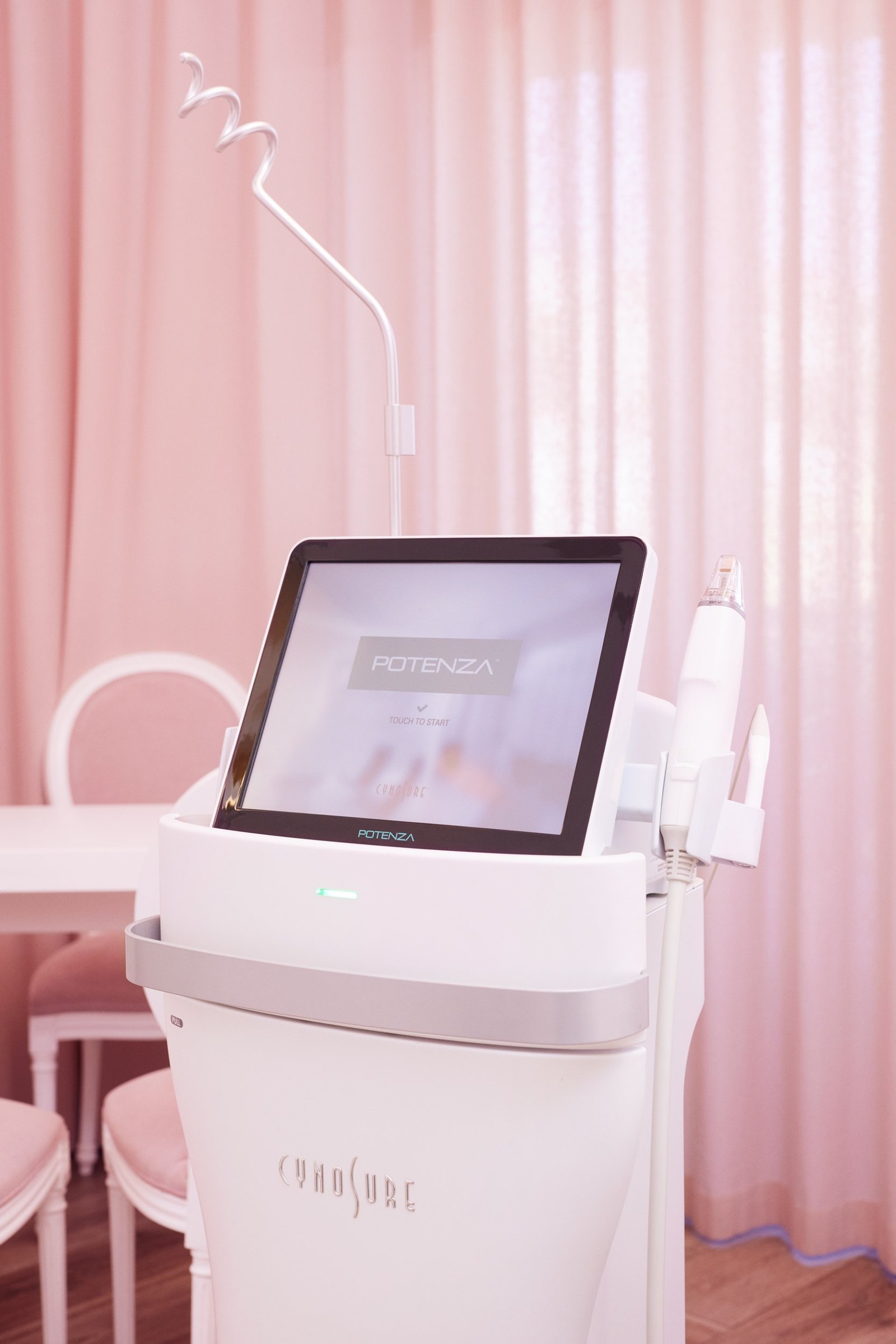
Potenza Needle RF: How It Improves Acne Scars and Pores
Potenza needle RF uses fine needles to bypass the skin surface and deliver heat directly into the dermis. Here is a plain walk through why that heat improves scars and pores, how many sessions it usually takes, and what the downtime looks like.
By Dr. Lee