Shurink and Ultherapy: Differences in Effect, Pain and Price Compared
By Dr. Lee7 min read

When you start researching lifting treatments, Shurink and Ultherapy almost always come up together. Both use ultrasound to lift, yet the price gap is noticeable enough to raise the obvious question: what is actually different? Is Ultherapy really worth the premium, or does Shurink get you to the same place?
The big picture first: these two are cousins. Both use high-intensity focused ultrasound to concentrate energy at a precise point deep in the skin, heating the tissue without touching the surface, and triggering the collagen remodeling that firms sagging contours. Where they split is in who made them, whether real-time imaging is built in, and how their default energy and price compare. Rather than one being strictly better, they are built for different situations. Let's look at depth, imaging, energy, pain, and price in turn.
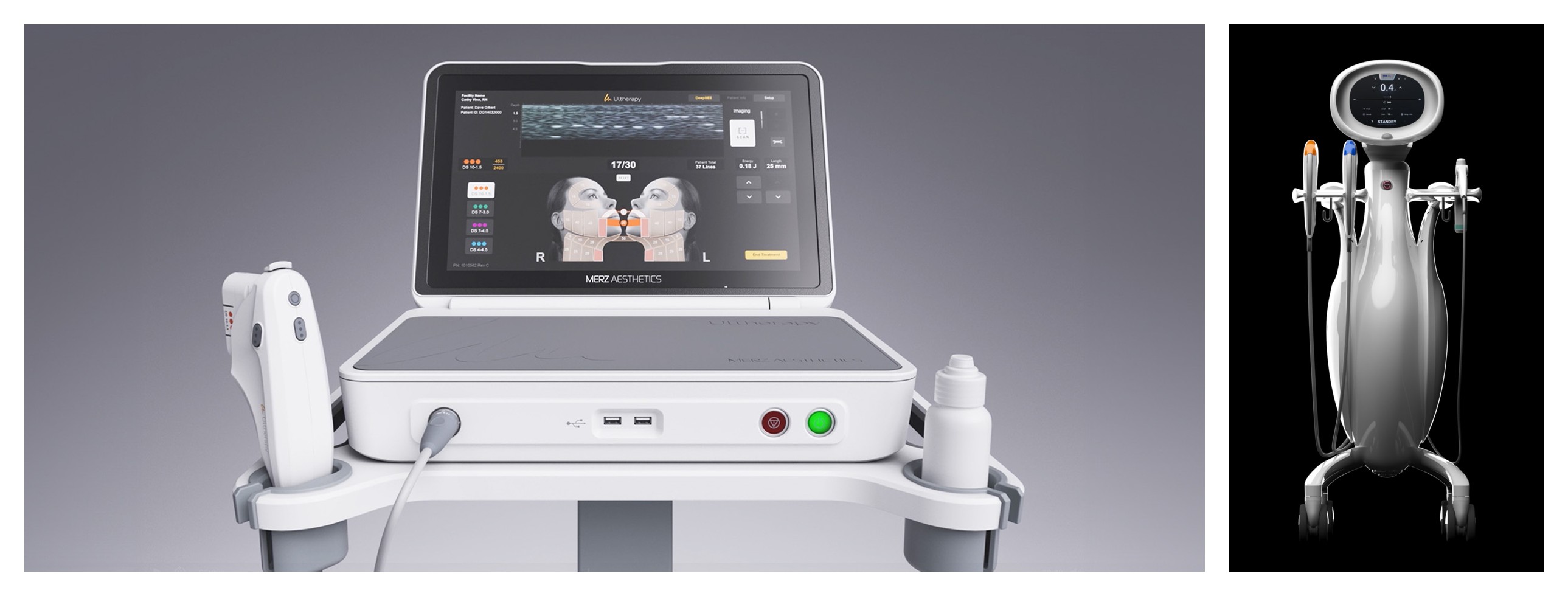
Same Principle, but How Do Their Origins Differ?
Both are what practitioners call HIFU, or high-intensity focused ultrasound lifting. The physics works like a magnifying glass concentrating sunlight: ultrasound energy is focused to a single point, heating deep skin layers while leaving the surface untouched. The deepest target is the SMAS, the fibromuscular layer that supports the face, and stimulating it pulls sagging contours upward.
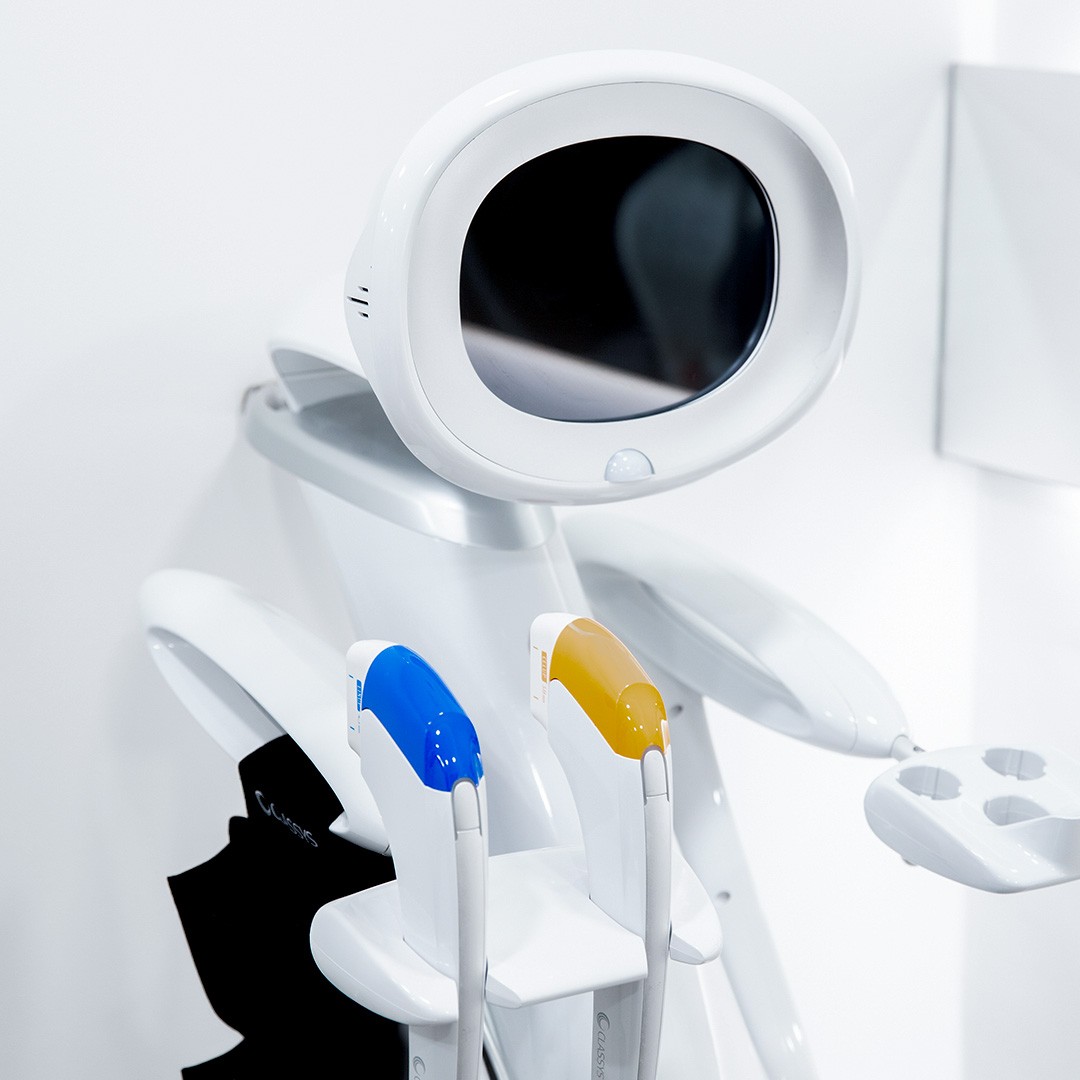
The differences come down to origin and design. Ultherapy is made by Merz in the United States and is the original in this category. Shurink Universe is made by Classys in Korea, delivering the same principle at a more accessible price point. So when comparing the two, the real conversation is not about the broad mechanism but about the specifics: imaging, energy, and cost.
Both devices are KFDA/MFDS approved and non-invasive, meaning no incisions, no scarring, and no extended recovery. That makes both a natural first option for anyone managing facial sagging without surgery. The decision, for most people, comes down to understanding exactly where the differences lie.
Depth Reached by Each Cartridge
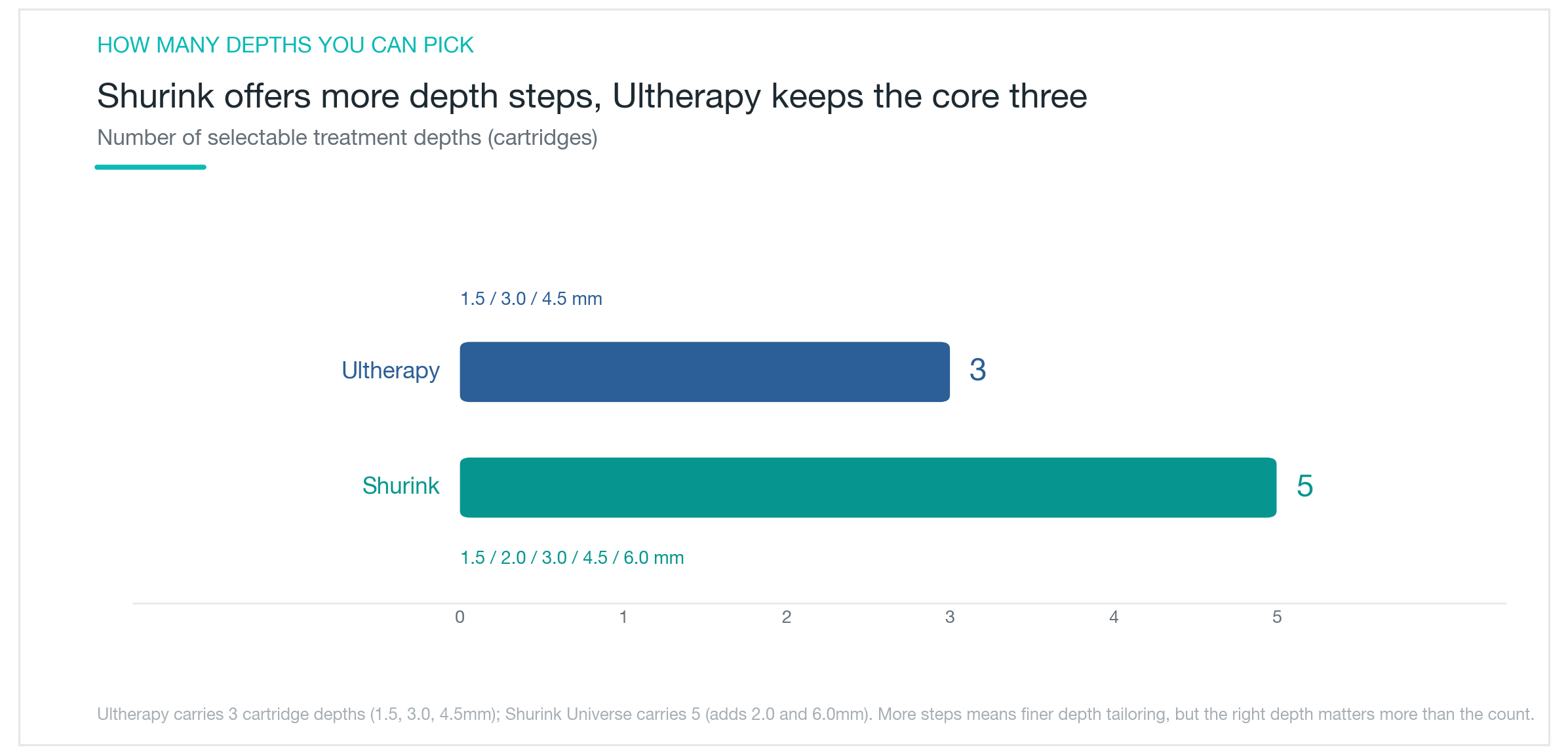
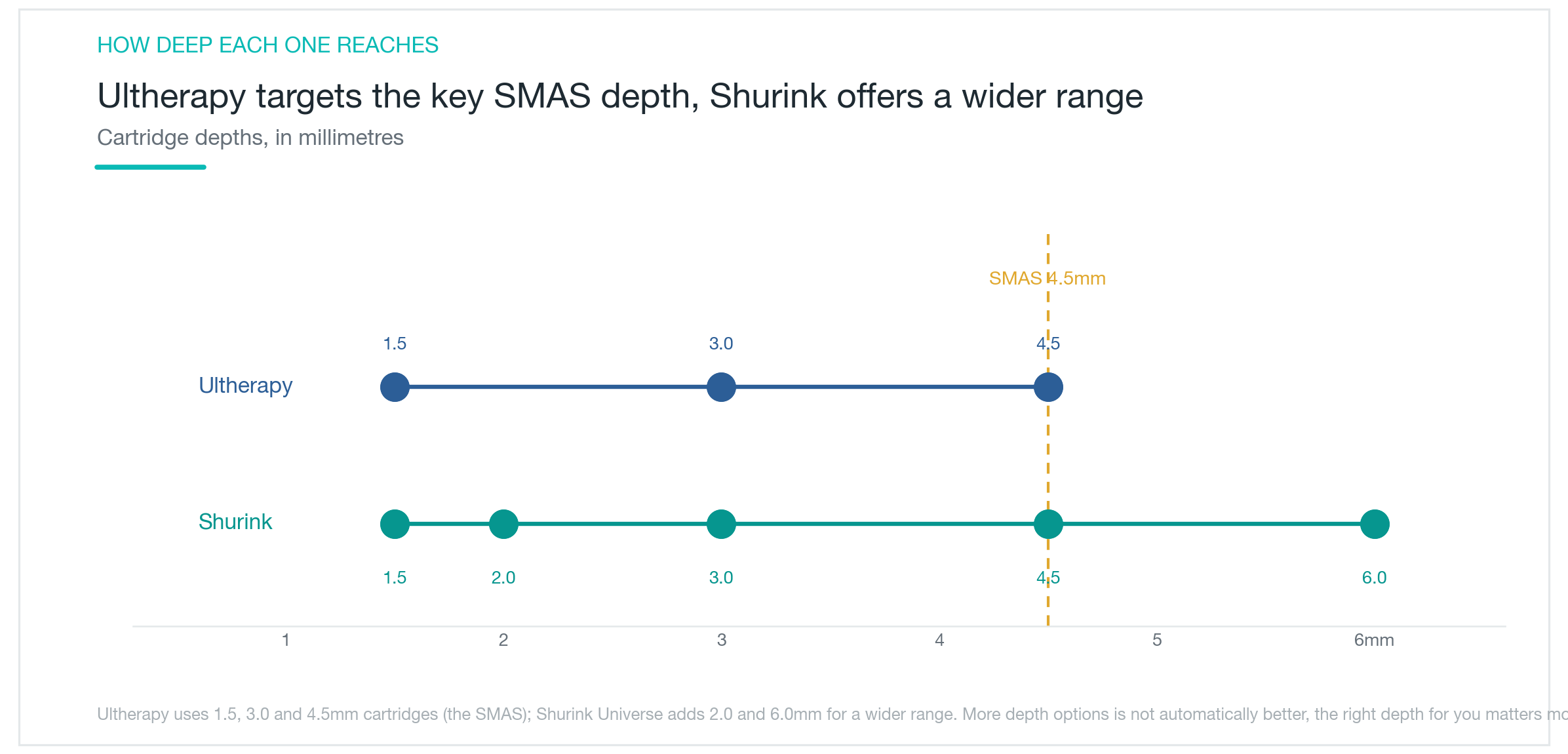
Depth matters in lifting because shallow targets address fine lines and skin texture, while deeper targets address true structural sagging. Ultherapy uses cartridges at 1.5 mm, 3.0 mm, and 4.5 mm, the last of which targets the SMAS. Delivering focused energy at that 4.5 mm depth is considered one of the device's core strengths.
Shurink Universe offers a wider range of depth options: 1.5 mm, 2.0 mm, 3.0 mm, 4.5 mm, and 6.0 mm cartridges, covering everything from superficial texture to the deep fat layer. This is not automatically an advantage or disadvantage. Ultherapy concentrates strong energy on the key depths; Shurink gives the practitioner more combinations to work with based on the area being treated.
One point worth keeping in mind: having more depth options does not automatically mean better results. What matters is whether the practitioner is selecting the right depth for your actual sagging pattern. A poorly matched depth can underperform or create unnecessary discomfort. On that front, the practitioner's judgment carries more weight than the number of cartridges available.
Does Real-Time Imaging Affect Results?
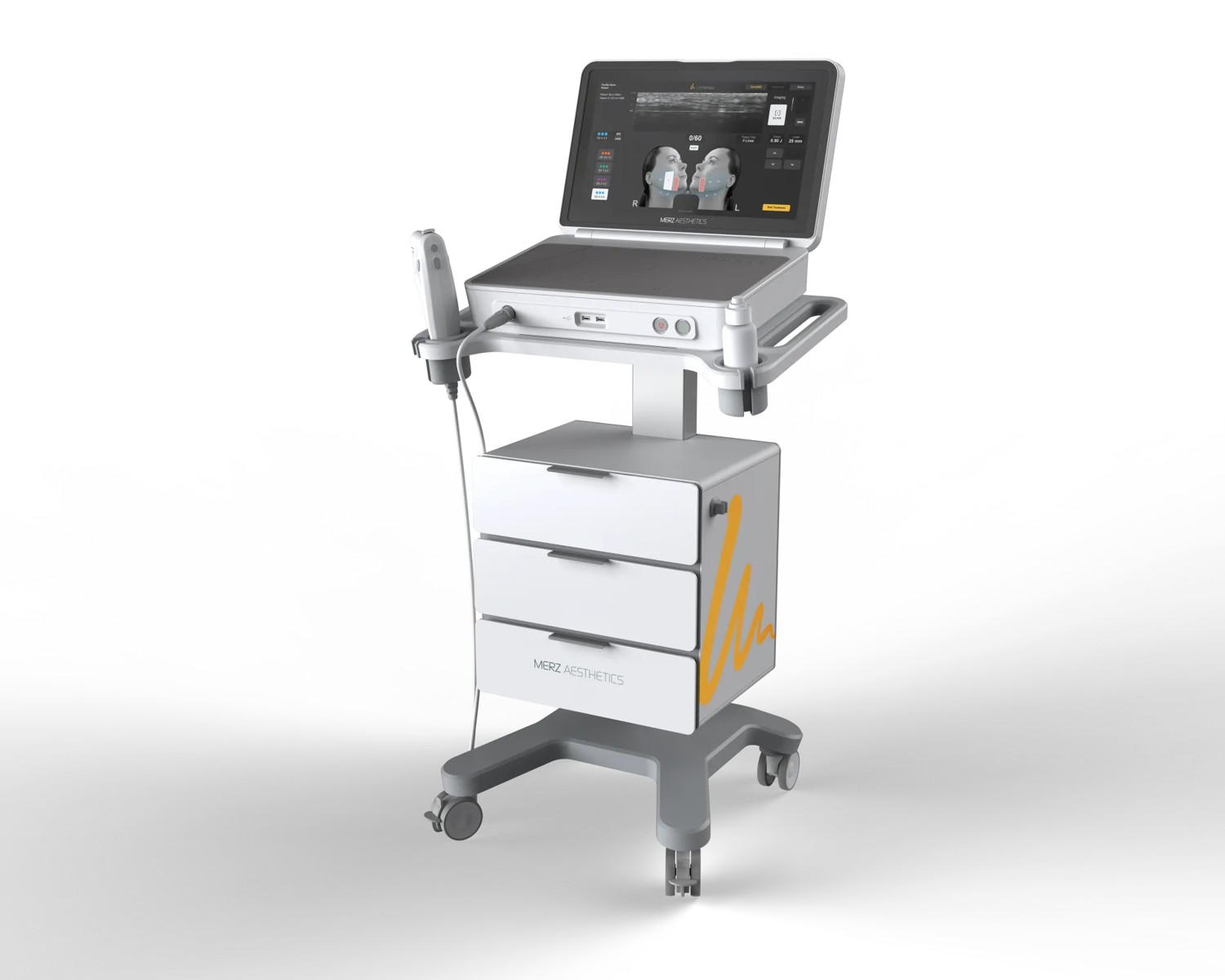
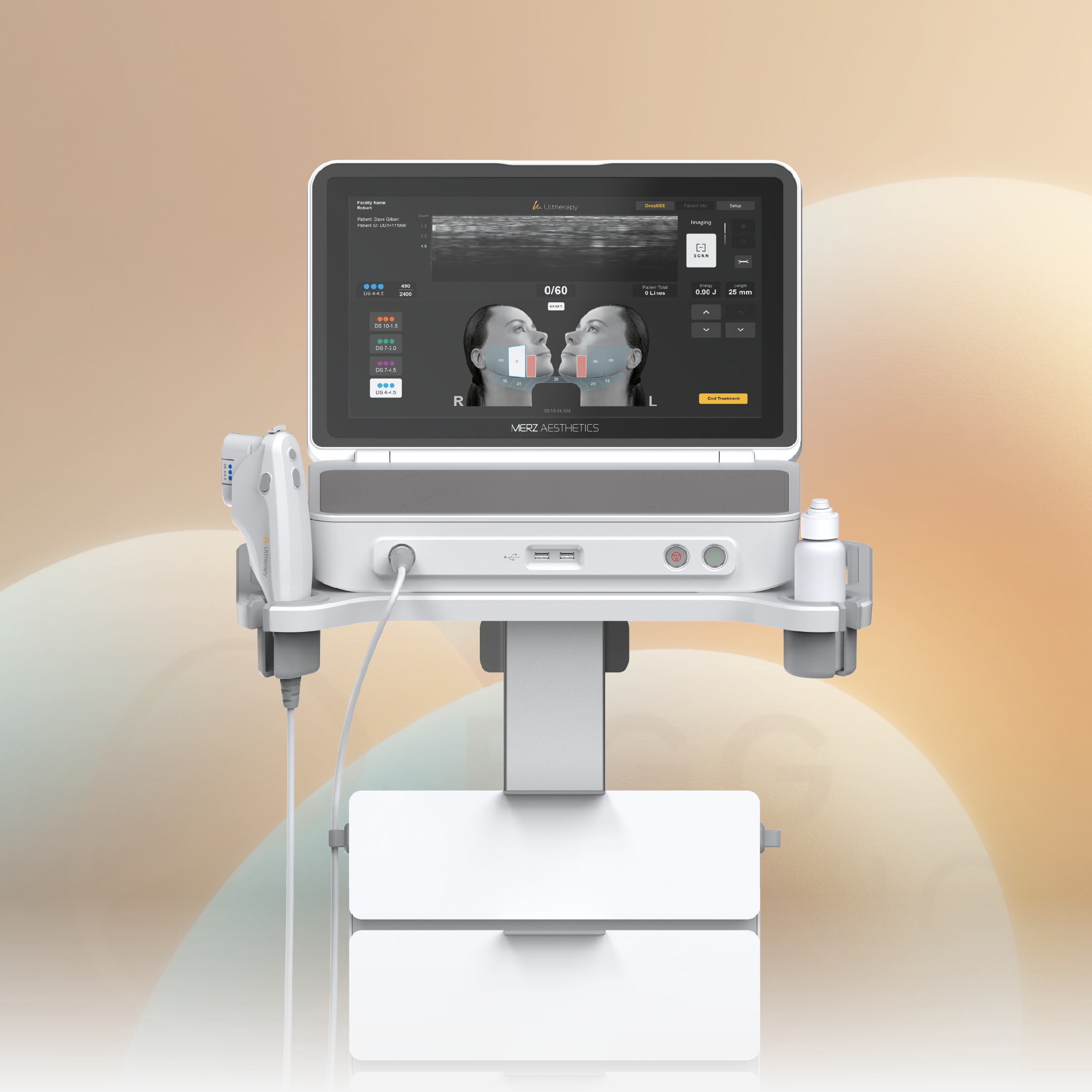
The clearest distinguishing feature of Ultherapy is its real-time ultrasound imaging. The operator can watch the skin layers on screen while treating, confirming exactly where the energy is being delivered. This makes it easier to avoid blood vessels or bone and hit the intended layer with precision. Shurink does not include this imaging feature, so the operator works from experience and tactile feedback to gauge depth.
There is also a difference in default energy. Ultherapy's standard settings run on the higher end, delivering a sharper, more intense stimulus in a single pass. Shurink's default energy is lower, which reduces discomfort, though reaching an equivalent effect sometimes calls for raising the output or adding more shots.
To be fair, even accounting for the imaging and energy gap, what most influences the final result is how the practitioner designs the treatment, specifically how they set the energy, choose the shot count, and plan the depth sequence. The same device in different hands produces different outcomes. Imaging helps with accuracy and safety, but its absence does not automatically mean weaker results. A skilled operator can hit the right depth consistently without it. Imaging is a precision aid, not an outcome guarantee.
How Different Are Effect and Pain?
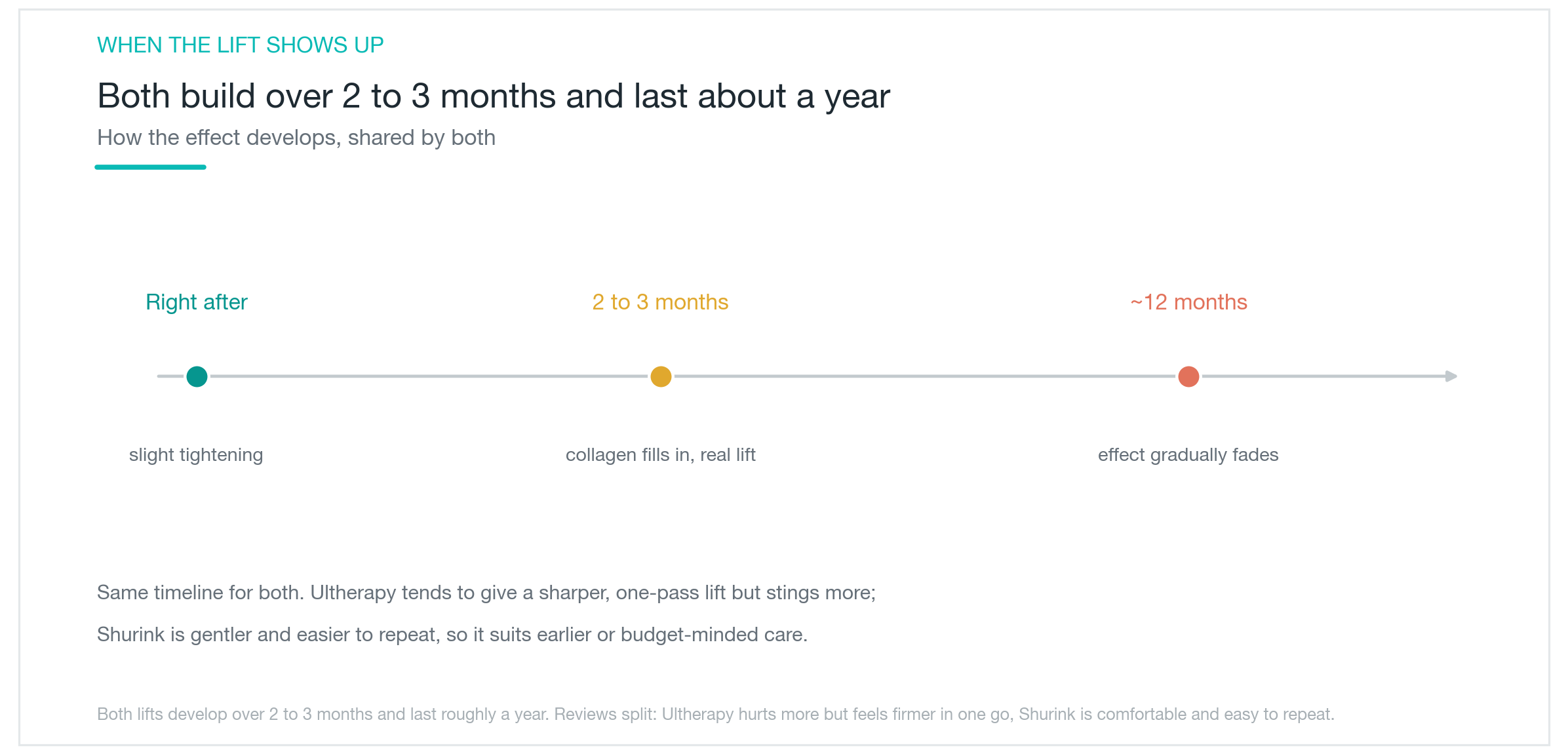
In terms of overall effect, the two devices land in the same range. Both deliver results that build gradually over 2 to 3 months as collagen fills in, and the lifting effect typically holds for around 12 months. The character of the result differs somewhat: Ultherapy, with its deeper energy, tends to aim for a more defined single-session lift, which suits more noticeable sagging that needs a stronger push in one go.
Shurink is gentler on comfort and more budget-friendly, making it a good fit for early to moderate sagging, gradual maintenance, or people who prefer to repeat treatments more often. Patient feedback consistently shows Ultherapy as more painful, while Shurink is described as manageable. The pattern in reviews is fairly consistent: Ultherapy stings more but leaves the face feeling firmer after a single session, while Shurink is something people are happy to return to more regularly.
Pain from either device can be reduced meaningfully with topical anesthetic or oral pain relief, so there is no reason to choose a weaker approach purely out of fear of discomfort. Start with your degree of sagging and let that guide the choice. How long the effects last also varies by person based on skin condition and lifestyle, which is why many people schedule follow-up treatments rather than treating it as a single event.
Choosing by Price and Your Situation
Price is the most tangible difference. Ultherapy carries a premium as the original device with built-in imaging, while Shurink Universe allows you to treat the same areas at a more reasonable cost. The choice often comes down to whether you want one strong session or a more affordable routine you can repeat.
There is no single right answer, but there are useful guidelines. If your sagging is progressing clearly and you want a definitive change in one visit, Ultherapy makes the stronger case. If you are managing early to moderate laxity or want to stay ahead of it cost-effectively, Shurink fits the brief. Combining both is not uncommon in practice: Ultherapy for the deeper structural lift, Shurink for texture maintenance or periodic upkeep passes. The table below captures the core differences.
| Ultherapy | Shurink Universe | |
|---|---|---|
| Origin | Merz, United States | Classys, Korea |
| Real-time imaging | Yes | No |
| Depth range | 1.5 to 4.5 mm | 1.5 to 6.0 mm |
| Pain and price | More intense, premium | More comfortable, accessible |
Paying twice the price does not mean twice the result. If your condition is well suited to Shurink, there is no reason to default to the more expensive option. On the other hand, if the sagging is real and significant, Ultherapy's depth and energy can justify the cost.
Why the Operator Matters More Than the Machine
Shurink Universe and Ultherapy are not in competition. They are cousins with different applications. The core mechanism is the same; the split is on imaging, default energy, and price. The more expensive option is not automatically the right one. What matters more is your degree of sagging, your budget, and how much discomfort you are willing to work through.
One more thing worth keeping in mind: whichever device is used, the outcome depends heavily on who is doing the treatment. An Ultherapy session built on a poorly designed energy and shot plan underperforms, while a well-planned Shurink session can deliver a clear result. The device name alone is not the whole story. Rather than choosing based on the brand or price alone, look for a practitioner who examines your face specifically and builds a plan around your actual depth and energy needs. A consultation where the provider reads your skin carefully tells you more than any review thread or price comparison.
Expect gradual improvement as collagen rebuilds over a few months, not an instant dramatic change. If budget allows, splitting the work between both devices by area can make sense. Treating sagging as an ongoing process rather than a one-time event tends to produce the most satisfying results over time.
Was this helpful?
About this article
Written by a practising aesthetic physician and intended for general education — not a substitute for individual medical advice.
Read next
Ultherapy, Shurink, Sofwave, and Linear Z: Differences and Effects Compared
Ultherapy, Shurink, Sofwave, and Linear Z are all marketed as HIFU lifting treatments, but the differences in penetration depth, real-time imaging, and clinical evidence are substantial. An honest breakdown of how deep each device reaches, why SMAS stimulation matters, what the evidence actually shows on efficacy and pain, and how to choose based on your specific concern.
By Dr. Kim

Ultherapy and Thermage: Which Suits Your Sagging?
A clear breakdown of how Ultherapy (focused HIFU reaching the SMAS layer) and Thermage (monopolar RF heating the dermis) differ, what head-to-head research actually found, how they compare on pain, and how to choose based on your specific concern rather than hype.
By Dr. Kim

5 Treatments for Enlarged Pores: Results and Recovery Time Compared
Which cosmetic treatments actually work for enlarged pores? Here are the top 5 evidence-based options with real improvement numbers, why pores can never fully disappear, and how to choose safely for your skin type. All figures come from actual research data, nothing inflated.
By Dr. Kim