Liftera2 HIFU Effects and Duration, and Differences From Higher-End Models
By Dr. Kim8 min read
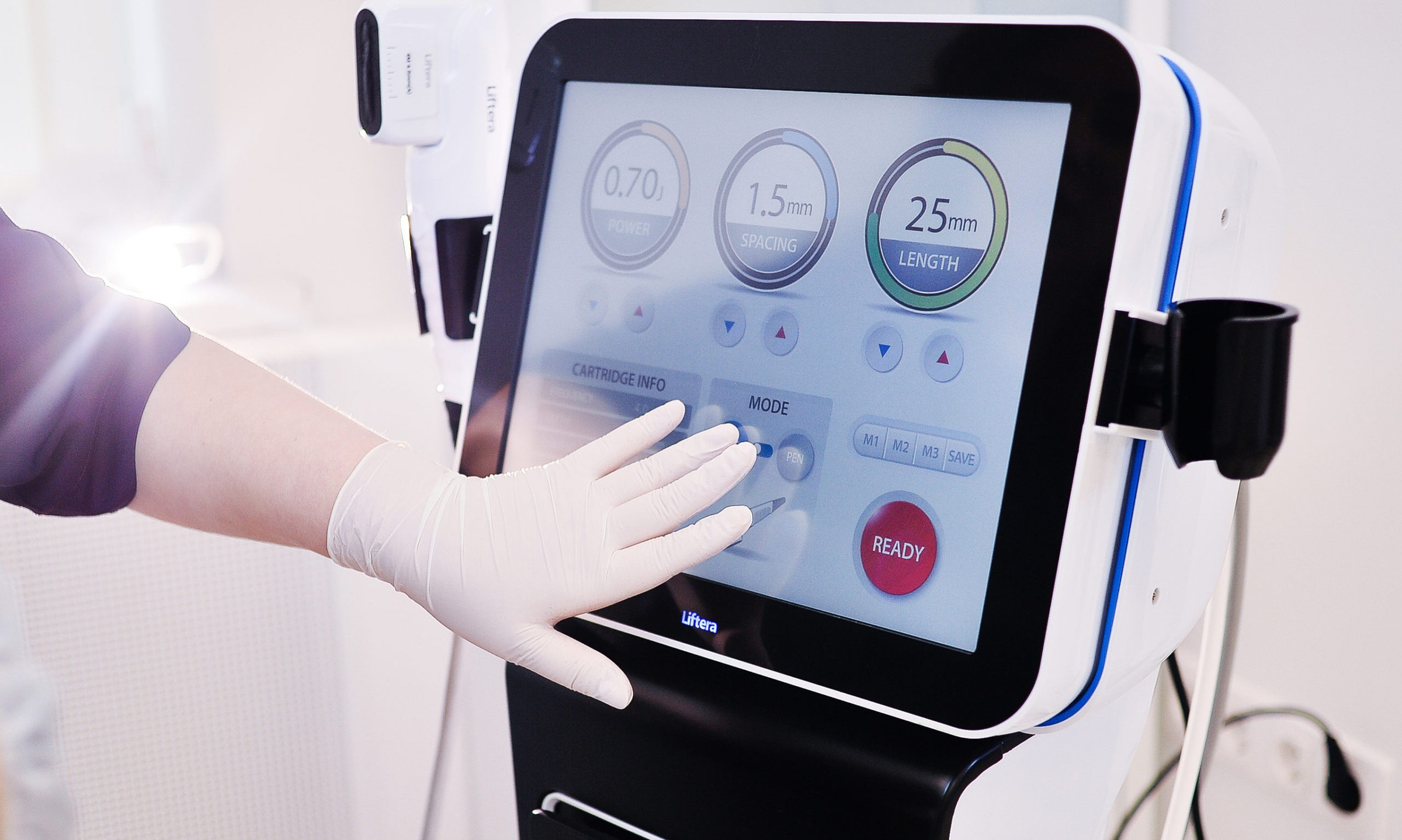
If you spend any time researching lifting treatments, the name HIFU (High-Intensity Focused Ultrasound) comes up constantly. Among the many devices out there, Liftera2 gets mentioned often as the budget-friendly pick, priced well below the premium machines.
That lower price naturally raises a question. Does a cheaper machine mean results wear off faster, or does the underlying science stay the same enough that the outcome barely differs? This article walks through exactly how Liftera2 lifts skin in the first place, then gets into where it actually diverges from the premium models.
How does HIFU create heat?
Ultrasound is, at its core, sound energy that happens to sit outside the range we can hear. A HIFU device like Liftera2 takes that ultrasound and focuses it down to a single point, the same way a magnifying glass concentrates sunlight into one bright spot.
When energy arriving from multiple directions converges at that single point, the temperature there spikes almost instantly. The surrounding tissue barely notices, since the energy stays scattered everywhere else, but the exact spot where the beams meet heats up to somewhere between 60 and 70 degrees Celsius. Each of these tiny heat pockets is called a thermal coagulation point.
Think of it literally: a thermal coagulation point is where proteins get lightly cooked by heat and bunch together. It is the same transformation you see when an egg white goes from clear liquid to solid white under heat, just happening in a tiny cluster of dots deep inside the skin.
What matters here is that this heat forms only at a set depth, not on the skin's surface. Because the focal point sits inside the skin rather than at the surface, the top layer passes through with barely any disturbance while the exact layer underneath gets heated with precision. That is what makes it possible to trigger real change deep in the skin without leaving any scarring or burns on the surface.
This becomes clearer when you compare it to treatments like laser peels, which work across a broad area of the surface. Heating that much surface skin means the skin needs real recovery time, or downtime. HIFU, by contrast, leaves the surface untouched and pinpoints just one layer underneath, which is why most people can wash their face and put on makeup the very next day.
Why does heating the SMAS pull the skin up?
One of Liftera2's main targets is the SMAS, short for the superficial musculoaponeurotic system. It is a thin, tough membrane sitting beneath the facial skin that wraps around the muscles, and it is the structure holding the entire facial contour in place.
With age, gravity and time gradually loosen this membrane, and everything resting on top of it, the skin and fat, sags right along with it. Picture a curtain rod slowly sagging: the whole curtain droops with it. That is why working on the skin's surface alone rarely fixes sagging in any noticeable way. The stimulation needs to reach the SMAS itself for real results.
This is also why fillers, Botox, and HIFU work on entirely different layers. Fillers restore lost volume, and Botox reduces muscle movement, but neither one actually tightens the SMAS. HIFU, on the other hand, goes straight for the curtain rod itself, which makes it a more fundamental approach to overall facial sagging than either of the other two.
Once thermal coagulation points form in the SMAS layer, two things happen, in sequence. First, the heated tissue contracts slightly right away, tightening the area on the spot. Then, as the body repairs that thermal damage, it produces new collagen, the structural protein that acts like a supporting pillar for the skin. Studies report that this regeneration process unfolds over 8 to 24 weeks, with sagging gradually improving along the way.
How shot count and focal depth change what you feel
Even with the same HIFU technology, how you dial in the shot count (how many times the energy fires) and the focal depth changes how much of an effect you actually feel.
- A higher shot count packs thermal coagulation points closer together. Tighter spacing between points effectively means a larger stimulated area, which increases the chance of an overall firmer feel.
- The focal depth has to land precisely on the SMAS layer. Set it too shallow and you only stimulate the dermis, which improves surface tone at best. Miss the SMAS entirely and the sagging improvement itself weakens.
- Different cartridges are engineered for different treatment depths. Since skin thickness and fat layer thickness vary from one part of the face to another, choosing the right depth cartridge for each area directly affects the outcome.
That said, cranking up the shot count is not automatically better. Push the stimulation past what is actually needed and swelling and pain scale up right along with it. Sticking to the recommended shot count for each area tends to produce a more stable result than firing more shots than necessary.
Liftera2 uses depth control and energy output ranges built along the same lines as the premium devices, so the basic operating principle is not all that different. Even so, the actual energy delivered at the same setting can vary slightly from one machine to another, which means the final result depends not just on the engineering but on how carefully the practitioner fine-tunes those settings for each part of the face.
How much do duration and results differ from higher-end models?
A similar underlying principle does not guarantee an identical outcome. The factors that actually determine how long results last are the accuracy and stability of the energy delivery.
Premium devices typically invest more heavily in precision components that sharpen focal accuracy, along with control technology that keeps the energy output consistent shot after shot. Even a small drift in the focal point can push thermal coagulation points shallower or deeper than intended, and once that error accumulates, the volume of tissue actually being stimulated shrinks, which can shorten how long the results hold.
Even a 1mm drift upward, for instance, can send the heat into the fat layer above instead of the intended SMAS. Fat tissue does not produce collagen anywhere near as actively as the SMAS does, so firing the same number of shots can still leave results feeling weaker than expected. This is exactly why precision matters so much.
To keep the price accessible, Liftera2 is reported to swap some of these high-precision components for a more standardized build. Some sources suggest this leaves it somewhat behind the premium devices on focal consistency, but since the basic collagen regeneration mechanism works the same way regardless, reports indicate the direction of improvement in sagging looks similar. That said, user reviews also mention that results can feel like they hold for a somewhat shorter stretch than with the premium models.
What to check when choosing a cheaper device
Rather than deciding on price alone, it helps to know that even when the underlying principle is identical, other variables still shape the outcome. With devices that have less margin for precision than the premium models, the practitioner's hands-on skill and the consultation process end up carrying more weight in the final result. A few things worth checking beforehand:
- The practitioner's skill level. Even on identical equipment, how precisely they plan the focal depth and shot placement can create a large gap in the felt result.
- Choosing a cartridge suited to your own skin and fat thickness. The right depth changes depending on whether your face runs thin or carries more fat, so it is worth confirming this thoroughly during the consultation.
- The interval between sessions. Because collagen regeneration takes time, sticking to the recommended interval rather than repeating treatments too frequently is considered better for tissue recovery.
When do results start to appear?
Right after treatment, the heated tissue contracts immediately, and you may notice a slight sense of firmness first. That early response can be mixed with some temporary swelling though, so the real change shows up later. It follows a similar pattern to that burning feeling in your muscles on the first day of a new workout, versus the actual change you see once muscle genuinely takes shape 8 to 12 weeks in.
New collagen forming and organizing into proper alignment is a gradual process that plays out over 2 to 4 weeks. That is why most reports describe sagging improvement becoming progressively noticeable somewhere between 4 and 12 weeks. This recovery curve depends on the biological time it takes collagen to form, which has nothing to do with the specific device, so Liftera2 and the premium models are both reported to follow a similar timeline.
That said, given the difference in focal accuracy discussed earlier, how firm the skin feels after the same amount of time can vary from person to person. Rather than judging the result after a single treatment, it helps to track the progress on the recommended schedule and, if needed, talk through the next steps with your practitioner.
References
Korean Dermatological Association, Ministry of Food and Drug Safety (MFDS), American Academy of Dermatology (AAD), and U.S. Food and Drug Administration (FDA).
Was this helpful?
About this article
Written by a practising aesthetic physician and intended for general education — not a substitute for individual medical advice.
Read next

Xerf Radiofrequency Effect: What's Different About Using Two Frequencies Together?
Xerf is a radiofrequency lifting device that uses two different frequencies at once to stimulate both the shallow dermis and the deeper fascia layer. This article walks through the mechanism, from why heat reaches different depths depending on frequency, to collagen's immediate contraction and its longer remodeling process, plus the recommended number of sessions and how long results tend to last.
By Dr. Kim
VRO Lifting: Ultrasound and Radiofrequency Differences, and Aftercare
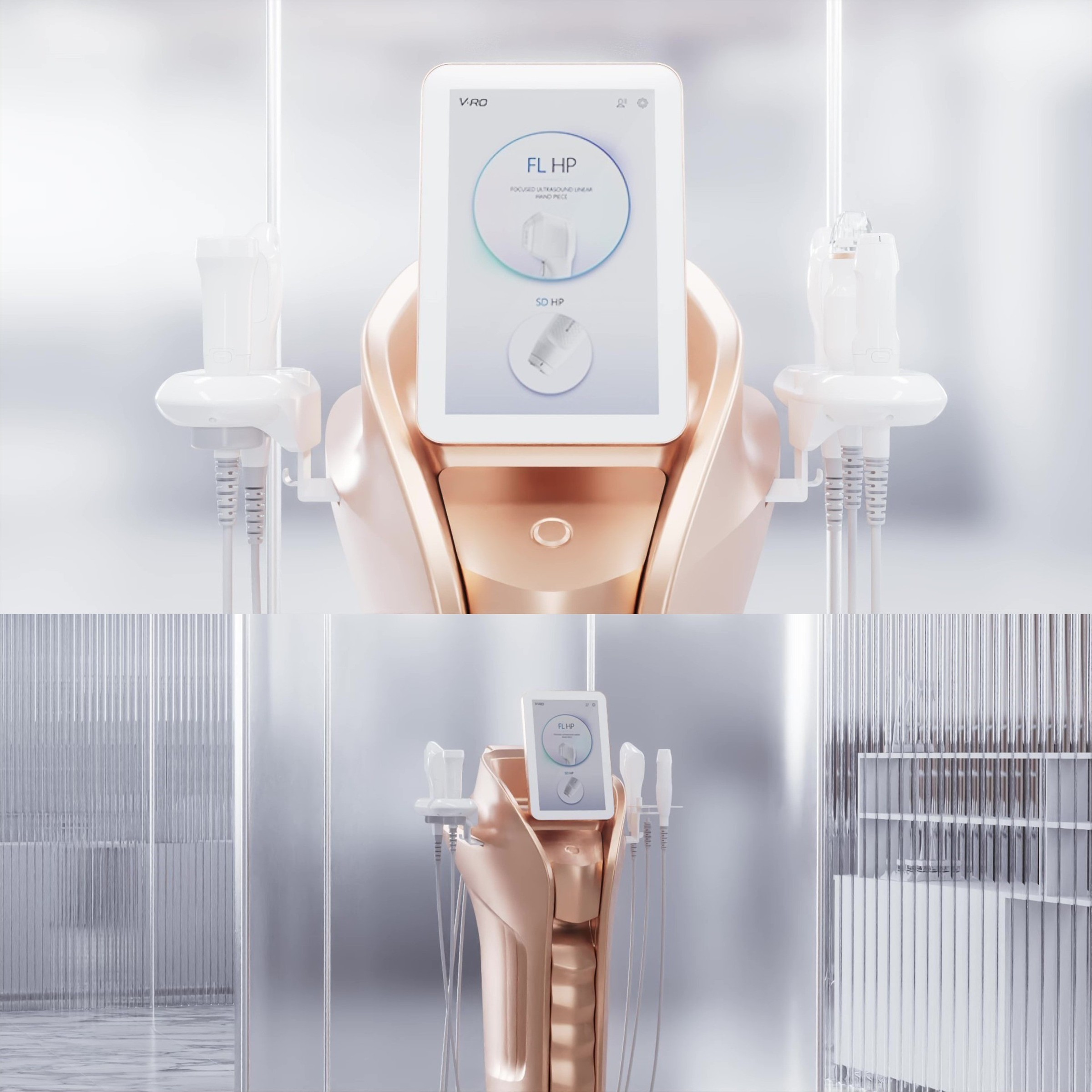
VRO lifting combines two different energy types, ultrasound and radiofrequency, in a single session. The key idea is that each energy reaches a different depth in the skin, so together they can address both a shallow layer and a deep layer that neither one covers alone. This article breaks down how each energy works and why using them together actually makes sense.
By Dr. Lee
Ulfit Body HIFU Fat Reduction Effect: How Many Sessions Do You Need?
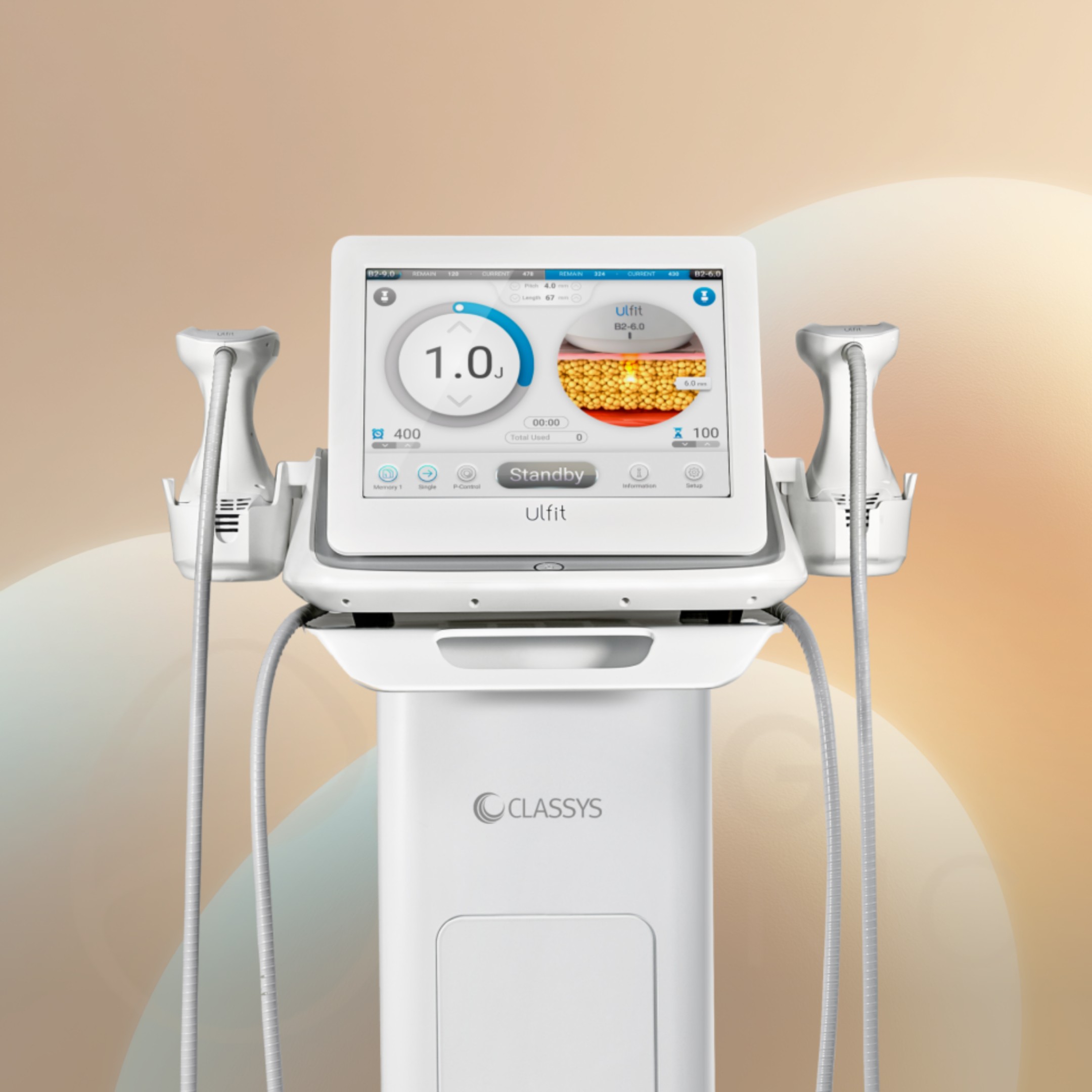
Ulfit Body HIFU is a non-surgical body contouring treatment that focuses ultrasound energy on the fat layer beneath the skin, gradually shrinking fat cells with heat. Here is a principle-first look at why the ultrasound heats only fat and nothing else, how that destroyed fat actually leaves your body, why the settings differ from facial HIFU, and roughly how many sessions and how much maintenance you can expect.
By Dr. Kim