InMode FX and Forma Differences, Including Effects and Number of Sessions
By Dr. Lee8 min read
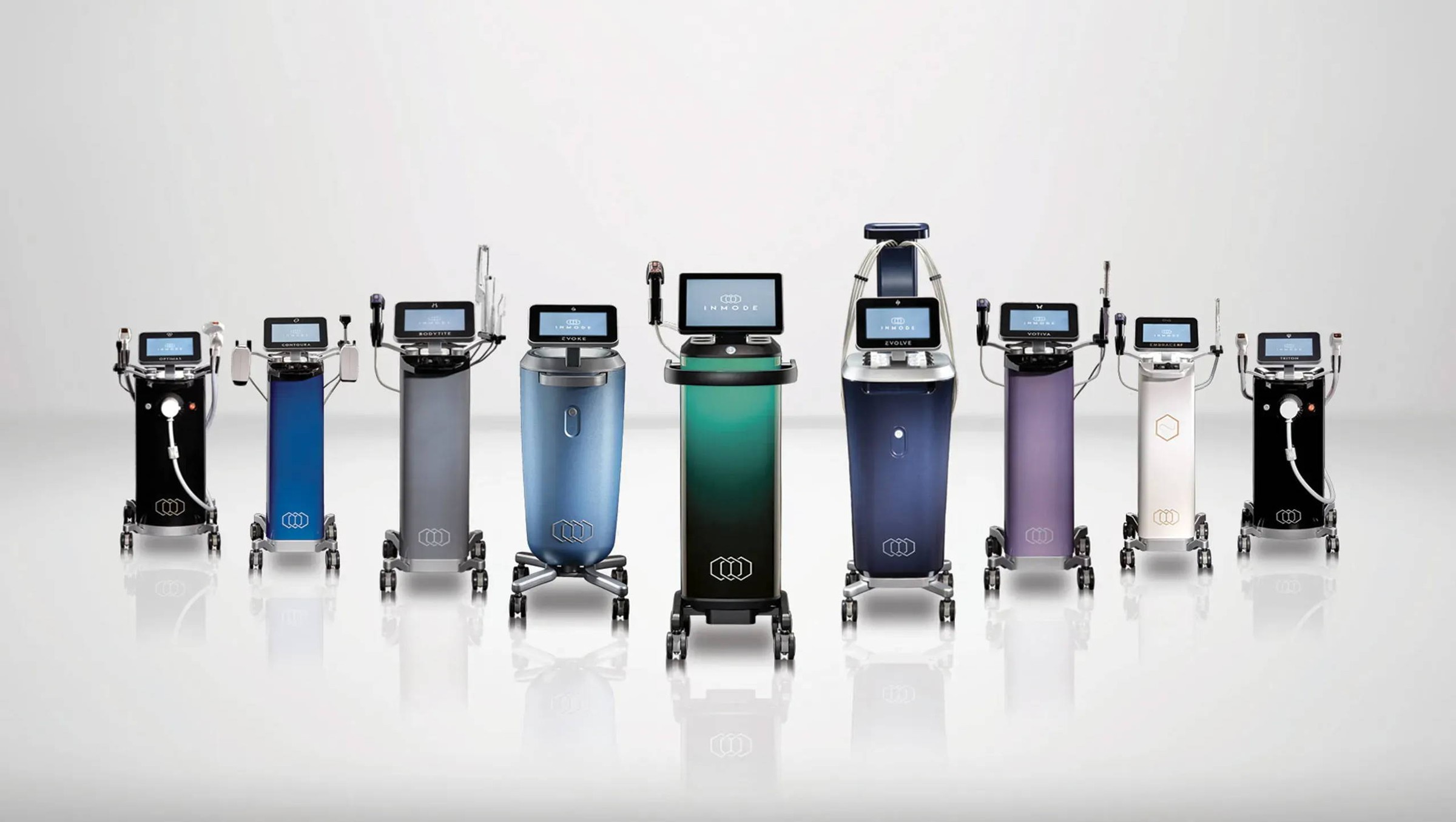
Plenty of people want to shed fat under the chin or on the upper arms, but worry just as much about skin sagging in the process. It's a real catch-22: lose the fat without keeping firmness intact, and the area can end up looking even looser than before. InMode addresses both concerns within a single platform, splitting the job between two different handpieces.
Most people have heard the names FX and Forma without really knowing what sets them apart. Both rely on RF, or radiofrequency, electrical energy that generates heat inside the skin, but the depth and purpose of that heat differ. On the surface, the two handpieces look nearly identical, gliding over the skin in a similar back and forth motion. Underneath, though, the strength of the energy and how far it travels are engineered to be completely different.
This article walks through why the two devices are kept separate and what's actually happening inside the body with each one. Once the mechanics make sense, it's easy to see why a provider switches handpieces from one area to the next.
How does radiofrequency create heat?
RF, in simple terms, runs an electrical current through tissue, setting water molecules vibrating and generating friction heat. It's the same basic idea as rubbing your palms together until they warm up.
That heat can, in theory, reach anywhere from the surface of the skin down to the deep fat layer. What matters is exactly where the heat builds up and how intense it gets at that depth. Controlling that depth is what separates FX from Forma.
InMode devices use a bipolar setup, meaning current flows between two paired electrodes and heats only the tissue caught in between them. Depending on how the electrode spacing and power output are designed, that heat can be kept shallow in the dermis, or it can be pushed deeper into the fat layer.
It works a bit like pinching skin between two fingers held close together versus spreading them wider apart. A narrow pinch only compresses the surface, while a wide one reaches deeper. Electrode spacing works the same way: keep it narrow and the heat stays shallow, widen it and the heat spreads further down. So even though both handpieces run on the same bipolar principle, the electrode design itself determines which layer actually gets targeted.
The bipolar design also has a safety payoff. Since the current only travels between the two electrodes instead of dispersing through the whole body, it doesn't leak into deeper tissue that isn't part of the treatment plan. That keeps the heat reasonably well contained within the intended layer.
How deep does FX act?
FX is designed to push relatively high energy deep into the tissue. Its target is the subcutaneous fat layer, where fat cells cluster beneath the skin, and the goal is to raise that layer's temperature to a specific level.
Fat cells are fairly sensitive to heat. Studies suggest that once the temperature hits a certain range and holds there for a while, it triggers a stress response inside the fat cells, which the body then clears out gradually through its own metabolic processes. In other words, the fat doesn't melt away on the day of treatment. It's a slower process, unfolding over 8 to 12 weeks as the body works through it on its own.
FX isn't just applying heat, either. Alongside the reduction in fat volume, it's also aiming for some mild tightening in the tissue sitting above it. That said, FX's primary job is still the fat layer; any improvement in surface skin firmness is more of a side effect than the main event.
One reason fat responds to heat more readily than other tissue comes down to blood flow. Muscle and dermis are dense with blood vessels, so heat gets carried off and cooled almost as soon as it forms. Fat has comparatively sparse circulation, so once it warms up, it tends to hold that heat much longer. It's the same reason water in a pot cools fast while a thick cut of meat stays hot all the way through. Given identical heat input, the fat layer reaches its target temperature more easily and stays there longer.
How does Forma act on dermal collagen?
Forma targets a shallower layer than FX: the dermis, where collagen and elastic fibers live. It runs at a lower energy output but applies that heat continuously over a broader area.
Collagen is the key player here. It's the structural protein that props up skin from the inside, and both its volume and its organization decline with age. Research suggests that raising dermal temperature into a specific range temporarily reshapes and contracts existing collagen fibers, while also stimulating fibroblasts, the cells that manufacture new collagen, to ramp up production.
Picture it as tightening an old, sagging pillar with heat while also prompting new pillars to go up alongside it. This response is known to unfold gradually over 4 to 12 weeks, rather than showing up right after the session.
Collagen fibers are naturally coiled, almost like twisted thread. Steam a wrinkled shirt and the fibers contract slightly, smoothing out the creases; something similar happens in the dermis, where reaching a certain temperature makes the coiled collagen fibers shorten and produces an immediate tightening effect. That's why skin can look a bit firmer right after a session. The slower process that follows, where fibroblasts spend 4 to 12 weeks weaving in new collagen, is closer to reknitting a loose sweater into a tighter weave, and that second phase is really where the lasting firmness comes from.
Forma often relies on real-time skin temperature monitoring to keep the heat consistent, adjusting power output on the fly. Run the temperature too low and there isn't enough stimulus to trigger collagen production; run it too high and there's a burn risk. Holding steady within that window is what makes the difference.
Why are two handpieces used separately?
Because the fat layer and the dermis simply call for different depths and different energy levels. Treating fat needs energy that's both deep and strong, while stimulating dermal collagen calls for shallow, gentle heat applied repeatedly.
Try to chase both goals with a single setting and one of two things tends to happen: either one target doesn't get enough energy to show real results, or the shallow layer ends up absorbing more heat than it should handle. That's why the roles get split this way:
- FX goes first, to treat the fat layer: starting deep means the surface dermis isn't repeatedly exposed to heat it doesn't need at that stage.
- Forma follows, to finish off dermal firmness: once the fat layer has been addressed, tightening the skin above it is what pulls everything together into a smooth, even contour.
- The ratio shifts by area: a spot like the jawline, where fat and sagging show up together, calls for both handpieces in combination, while an area like the under-eye, where firmness matters more than fat, leans more heavily on Forma. Matching the approach to the area is what keeps results and safety in balance.
How many sessions, and at what interval?
Neither collagen remodeling nor fat cell processing wraps up after a single round of heat exposure. Cells and tissue need time to respond and recover, which is why the treatment calls for repeating the stimulus 4 to 6 times, spaced 1 to 2 weeks apart, before the cumulative effect really kicks in.
That's the reasoning behind the typical protocol of 4 to 6 sessions spaced 1 to 2 weeks apart. Each session sends a signal to the tissue, the recovery period gives the body time to respond to that signal, and the next session layers on another round of stimulus.
Space the sessions too close together and the tissue doesn't get enough time to recover, which can actually blunt its response to the next round of stimulation. Space them too far apart and the changes from the previous session start to fade before the next one arrives, so the effect never really stacks up. Sticking to the right interval genuinely matters for the outcome.
Even once results have settled in, collagen naturally starts declining again over time, and fat cells can build back up depending on lifestyle. That's why many people consider a maintenance session somewhere around the 6 to 12 month mark. How often that's actually needed depends heavily on individual skin condition and lifestyle, so there's no single answer that fits everyone.
What to check before treatment
Targeting the fat layer and the dermis separately still means both layers end up receiving some heat. That's why it's worth checking the treatment area's skin condition, fat thickness, and degree of sagging beforehand, and working out together how the two handpieces should be balanced.
Results can also vary quite a bit between providers, even with the same device, depending on whether real-time temperature monitoring is used and how experienced the provider is. Since this is a heat-based treatment, how reliably the temperature stays controlled is one of the more important things to check.
References
Korean Dermatological Association, Ministry of Food and Drug Safety (MFDS), American Academy of Dermatology (AAD), and U.S. Food and Drug Administration (FDA).
Was this helpful?
About this article
Written by a practising aesthetic physician and intended for general education — not a substitute for individual medical advice.
Read next
Radiofrequency and Ultrasound Lifting: Differences, Results, and How Long They Last
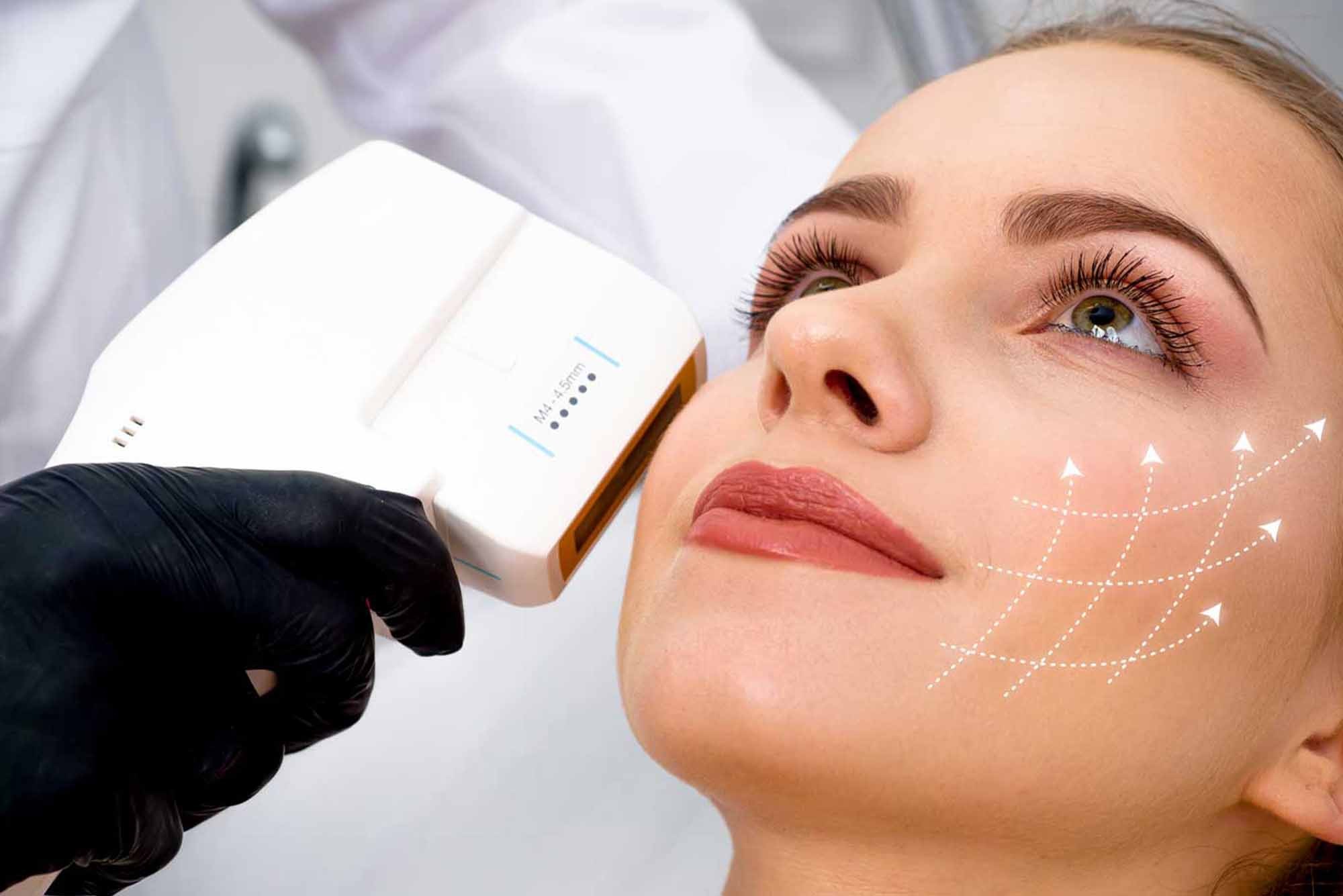
Radiofrequency uses resistive heat from electrical current to warm the dermis and stimulate collagen, while ultrasound focuses energy into a single point that reaches the deeper SMAS layer. Here's why these two devices target different depths, and what that means for how long results last.
By Dr. Lee
Body InMode: How It Works, Effects, Number of Sessions and Aftercare
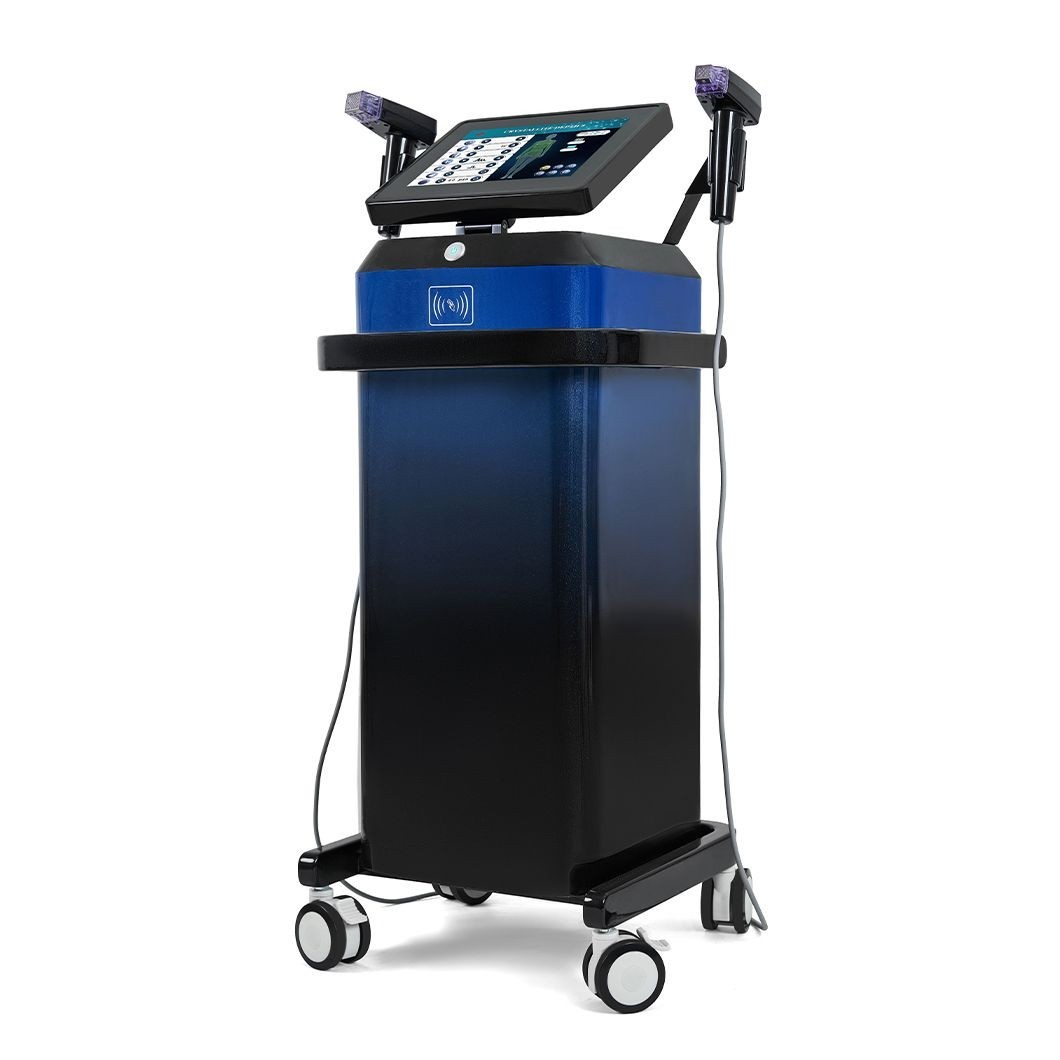
Body InMode uses RF heat to warm the fat layer while vacuum suction pulls tissue in to spread the energy evenly. Here is how heat, suction, and electrical stimulation work together, in sequence, to change fat and skin in different ways.
By Dr. Kim

Body Onda: Effects, Approach by Area, Number of Sessions and How Long It Lasts
Body Onda is a non-surgical body contouring treatment that uses microwave energy to selectively heat the fat layer beneath the skin, shrinking fat cells while tightening the skin above them. Here is why the heat targets fat rather than skin, why fat reduction and tightening happen together, how the approach differs for the abdomen, arms, and flanks, and how many sessions it takes to see lasting results.
By Dr. Kim