Body InMode: How It Works, Effects, Number of Sessions and Aftercare
By Dr. Kim7 min read
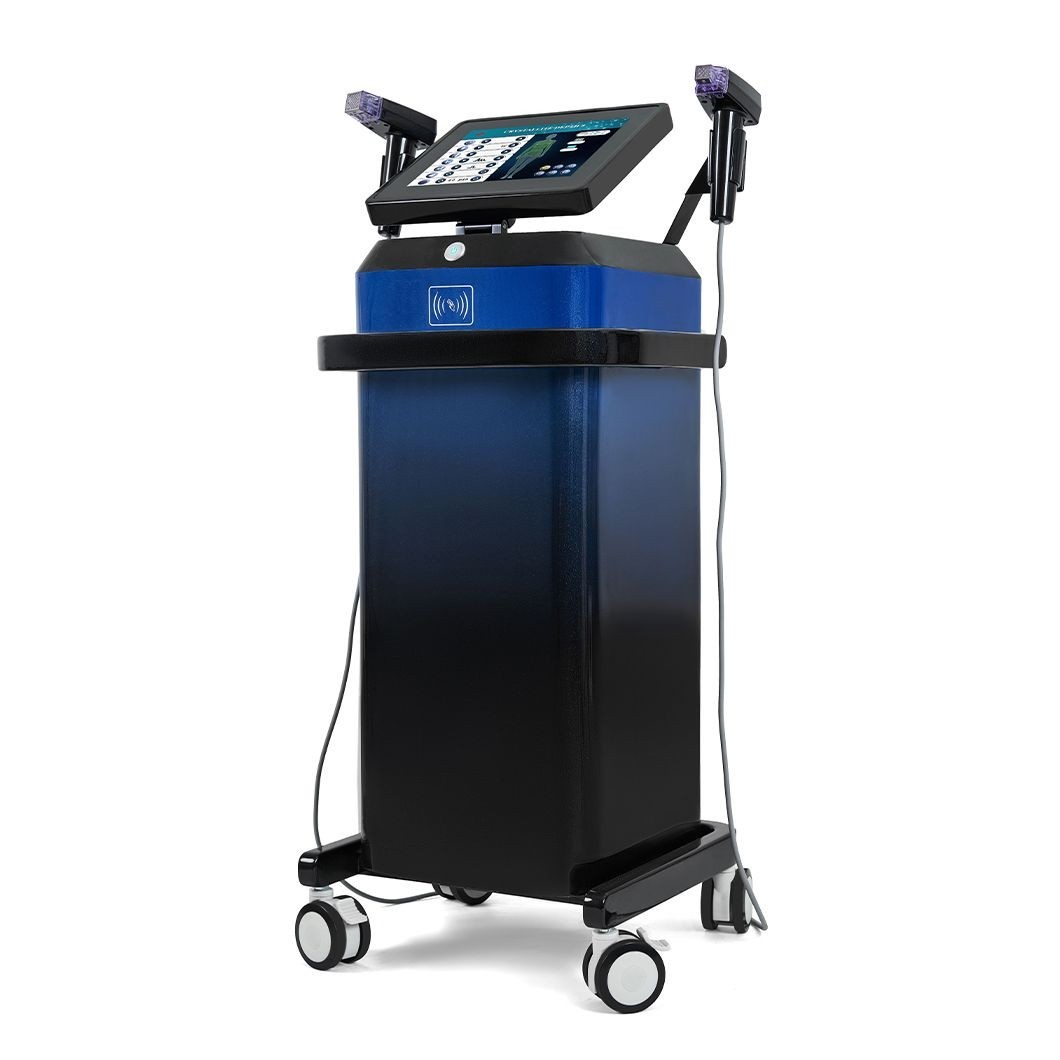
Body InMode is often described simply as "an RF device that melts belly fat." That is not wrong, but it is only half the story. If heat were the whole picture, there would be no reason for the device to have a suction plate built in.
In practice, three forces work in sequence. RF heat warms the fat layer first, vacuum suction pulls that tissue toward the handpiece, and short, strong electrical pulses send a signal into the fat cells. Each step does something different, and changing the order changes the result. Here is why all three need to work together.
What kind of device is Body InMode?
Body InMode is an RF body device made by the Israeli company InMode, and its suction handpiece houses an RF electrode, a vacuum pump, and an electrical stimulation unit all in one. InMode calls this combination its A.C.E. system, short for Acquire, Control, Extend.
Acquire is the stage where the suction plate draws in the skin and fat and holds it in place. Control is the stage where RF energy keeps the tissue temperature within a target range. Extend is the stage where electrical pulses spread the response through the fat cells more broadly. Because the device is built to move through these three stages in order, it works quite differently from devices that simply apply heat.
Why does RF heat the fat layer first?
Radiofrequency, or RF, is electrical energy that oscillates millions of times per second, and it generates heat by working against moisture and tissue resistance inside the body. Think of it the way a microwave heats food by shaking water molecules. As current passes between the electrodes, the temperature rises along that path.
The fat layer under the skin tends to have higher electrical resistance than fascia or muscle, so heat builds up there more readily even when the same current passes through. That is why, after a certain amount of RF exposure, the fat layer's temperature rises earlier and higher than the skin surface. This temperature rise is the first step that pushes the cells toward stress.
What does the vacuum applicator do?
The vacuum, meaning the suction that draws tissue upward, is not just there for a massaging feel. When the suction plate lifts the skin and fat, that tissue sits closer to the electrode and makes more even contact with it. The closer and more uniform the contact, the more evenly the current spreads, which cuts down on the uneven heating where one spot gets hot while the area next to it barely warms at all.
Suction also stretches the tissue slightly, and stretched tissue has more surface area, so a wider stretch of it gets exposed to heat in the same amount of time. It is a bit like pressing a sponge flat and releasing it, the area that was compressed soaks things up more readily afterward, and tissue drawn in by suction absorbs energy more evenly in the same way.
What do electrical pulses do to fat cells?
During the Extend stage, short pulses of high voltage electricity are applied to the fat cells. These pulses deliver a brief electrical jolt to the cell membrane, calibrated to be strong enough to trigger a stress signal inside the cell but not strong enough to rupture it.
When this electrical pulse is added to fat cells that are already under heat stress, it is understood to lower the threshold for those cells to enter apoptosis, the process where a cell sends its own signal to be cleared away. It is a bit like an old leaf that falls more easily in a single gust of wind, a fat cell weakened by heat is more likely to enter that clearing process once the electrical pulse hits. Fat cells cleared this way are then thought to be processed gradually through the body's own metabolism.
Why are both heat and suction needed?
Heat alone can raise the surface temperature, but depth and coverage end up uneven, since any tiny gap between the skin and the electrode heats less than the rest. Suction alone, on the other hand, only pulls tissue in without giving the cells a stimulus to respond to.
That is exactly why both are needed together. Suction holds the tissue in place and keeps contact even, and RF then builds heat steadily on top of that stable contact. Because unstable contact means unstable temperature control, the device is designed so suction locks the tissue in place first and heat follows.
The device also carries sensors that track temperature and resistance in real time. If tissue temperature approaches the upper end of the target range, the output is designed to automatically scale back. Even contact from suction plus continuous temperature monitoring from the sensors work together so the fat layer gets warmed enough while the risk to the skin surface stays low.
How does the skin tighten?
While the fat layer is being warmed, the collagen in the dermis just above it picks up heat too. Collagen is a protein that is naturally coiled into a spiral shape, and once it reaches a certain temperature, that spiral shortens instantly and the tissue contracts. It is similar to how noodles come out shorter and plumper than the raw strands once they are boiled.
This immediate contraction is why skin can look slightly firmer right after treatment. Over time, the heat stimulus is also reported to prompt fibroblasts, the cells in the skin that produce collagen, to generate new collagen. The instant tightening and the collagen that builds up gradually work on different timelines, but together they tighten the skin.
How many sessions before you feel a change?
Body InMode is not designed as a one time treatment but as something done in a series. Both the process of clearing out fat cells and the process of building new collagen accumulate over repeated sessions rather than resolving after a single one.
- Clearing fat takes time. Even a fat cell that has entered apoptosis does not disappear right away, the body processes it gradually through metabolism, so a single session may not produce a dramatic change on its own.
- Collagen remodeling builds up. Collagen responds to a small stimulus each time, and the tightening effect is reported to build with each additional session.
- Fat thickness and response speed vary by person. Areas with a thicker fat layer can take longer for heat to spread evenly, so the number of sessions needed can differ by area and by individual.
Aftercare following treatment
Right after treatment, the area can look warm and slightly flushed. This is a natural response caused by residual heat still in the tissue, and it is generally expected to settle down as time passes.
- Skip activities that add extra heat on the day of treatment, such as saunas or steam rooms, since adding more heat to tissue that is already warmed can slow recovery.
- Drink enough water, since hydration is thought to play a role as the body processes the fat cells being cleared out through metabolism.
- Keep a consistent interval between repeat sessions, to give collagen buildup and fat clearance the time they need.
Sun protection and steady moisturizing are also known to help maintain collagen, so it is worth keeping up with both regardless of whether you are getting treatments. Light walking or other aerobic exercise between sessions is also considered helpful, since the way the body clears and metabolizes fat cells is tied to overall metabolism. Treatment alone does not do everything, the changes that heat and suction start tend to hold up better alongside this kind of ongoing care.
References
Korean Dermatological Association, American Academy of Dermatology (AAD), and Ministry of Food and Drug Safety (MFDS).
Was this helpful?
About this article
Written by a practising aesthetic physician and intended for general education — not a substitute for individual medical advice.
Read next

Body Onda: Effects, Approach by Area, Number of Sessions and How Long It Lasts
Body Onda is a non-surgical body contouring treatment that uses microwave energy to selectively heat the fat layer beneath the skin, shrinking fat cells while tightening the skin above them. Here is why the heat targets fat rather than skin, why fat reduction and tightening happen together, how the approach differs for the abdomen, arms, and flanks, and how many sessions it takes to see lasting results.
By Dr. Kim
BodyONDA for Postpartum Belly: Fat Reduction and Skin Tightening Order
BodyONDA uses microwave energy to selectively heat the subcutaneous fat layer, breaking down fat cells while contracting dermal collagen fibers to firm the skin at the same time. Here is how these two responses unfold, step by step, in a postpartum belly where fat and sagging show up together.
By Dr. Lee

Ontanium Treatment: How Onda and Titanium Work Together, and Results Compared
Ontanium is the name people use for a combo treatment that pairs two separate devices, Onda and Titanium, back to back in one session. Onda uses microwave energy to heat the dermis and fat layer, while Titanium fires a triple-wavelength laser that reaches both deeper tissue and the skin surface at once. Because the two devices generate heat through completely different physics, running them together closes gaps in depth that neither one covers alone.
By Dr. Kim