Radiofrequency and Ultrasound Lifting: Differences, Results, and How Long They Last
By Dr. Lee7 min read
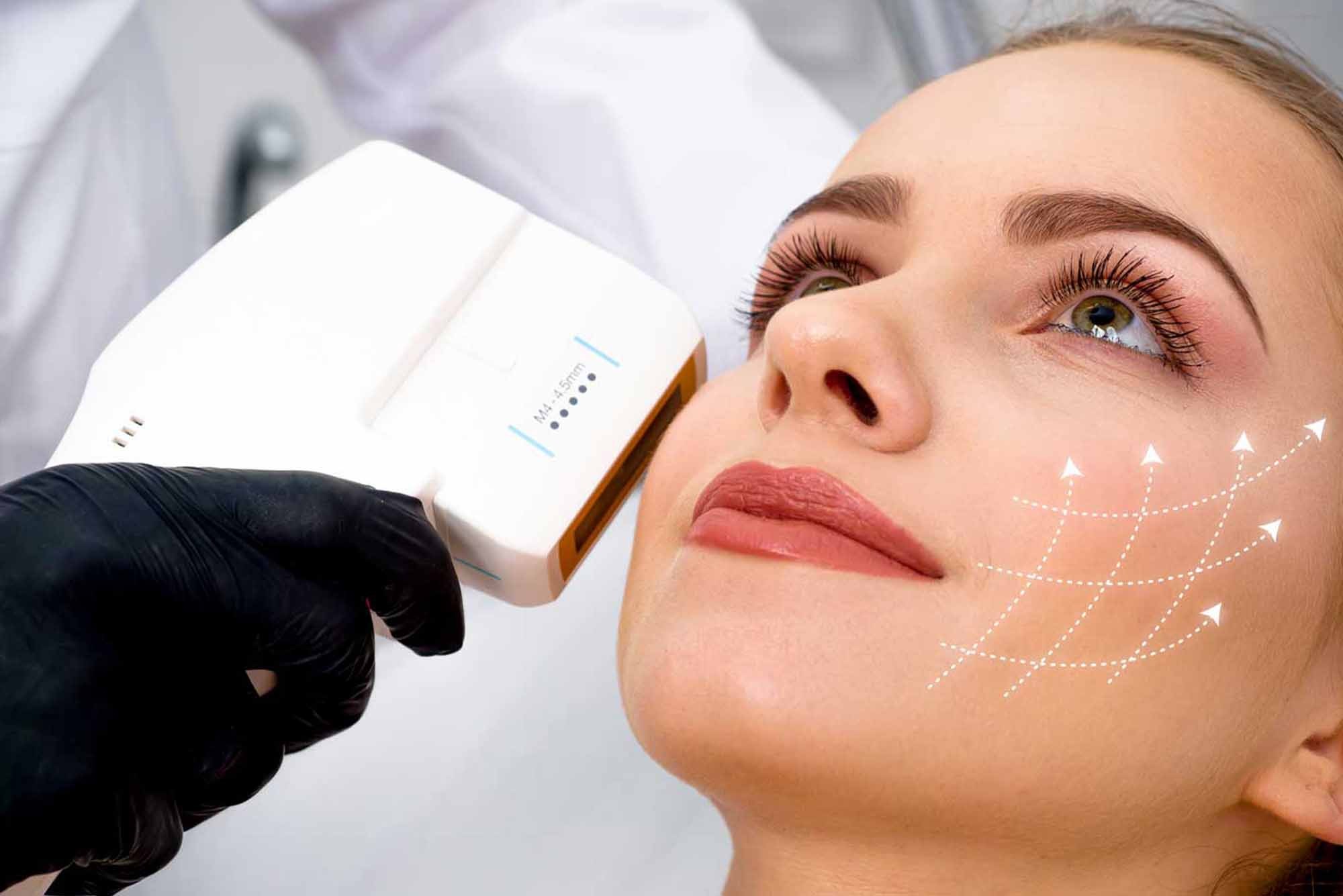
Radiofrequency and ultrasound both show up in lifting treatments, but they work on completely different principles. In consultations, the two often get lumped together as "skin tightening treatments," which makes it easy to assume they're basically the same thing under different names.
In reality, they generate heat differently, and that heat reaches different depths in the skin. Radiofrequency warms the dermis through resistive heat created as current passes through, while ultrasound concentrates energy into a single point, the way a lens focuses light, reaching a much deeper layer. Here's how that difference plays out.
How does radiofrequency heat the skin?
Radiofrequency (RF) works by running electrical current through the body. As current passes through skin tissue, the tissue resists that flow to some degree, and this resistance converts electrical energy into heat, the same reason a wire heats up when too much current runs through it.
This heat forms mainly in the dermis (the layer beneath the surface where collagen lives), not on the skin's surface itself. Once the dermis reaches somewhere around 60 degrees Celsius, the coiled bonds holding collagen fibers together loosen, causing the fibers to shorten and thicken, not unlike how noodles curl up when boiled.
That immediate contraction is why skin feels tighter right after treatment. And that heat also switches on the body's healing response, setting off a second, slower change: new collagen forming over the following weeks.
How does ultrasound reach deeper?
Ultrasound (HIFU) doesn't use electrical current at all. It relies on sound energy instead, and the device focuses that energy from multiple angles into one single point, the same way a magnifying glass concentrates sunlight into a single hot spot.
Where that energy converges is a depth the device is preset to target. On the face, this usually reaches the SMAS (the thin fascial layer beneath the skin that wraps around the facial muscles), a layer noticeably deeper than the dermis RF works on.
At that exact focal point, temperature spikes instantly to somewhere between 60 and 70 degrees Celsius, coagulating the tissue. Each coagulation point is tiny on its own, but placing hundreds of them densely across the treatment area creates a stimulation effect over the whole surface. The body reads each point as a small injury, and that triggers a healing response that builds fresh collagen.
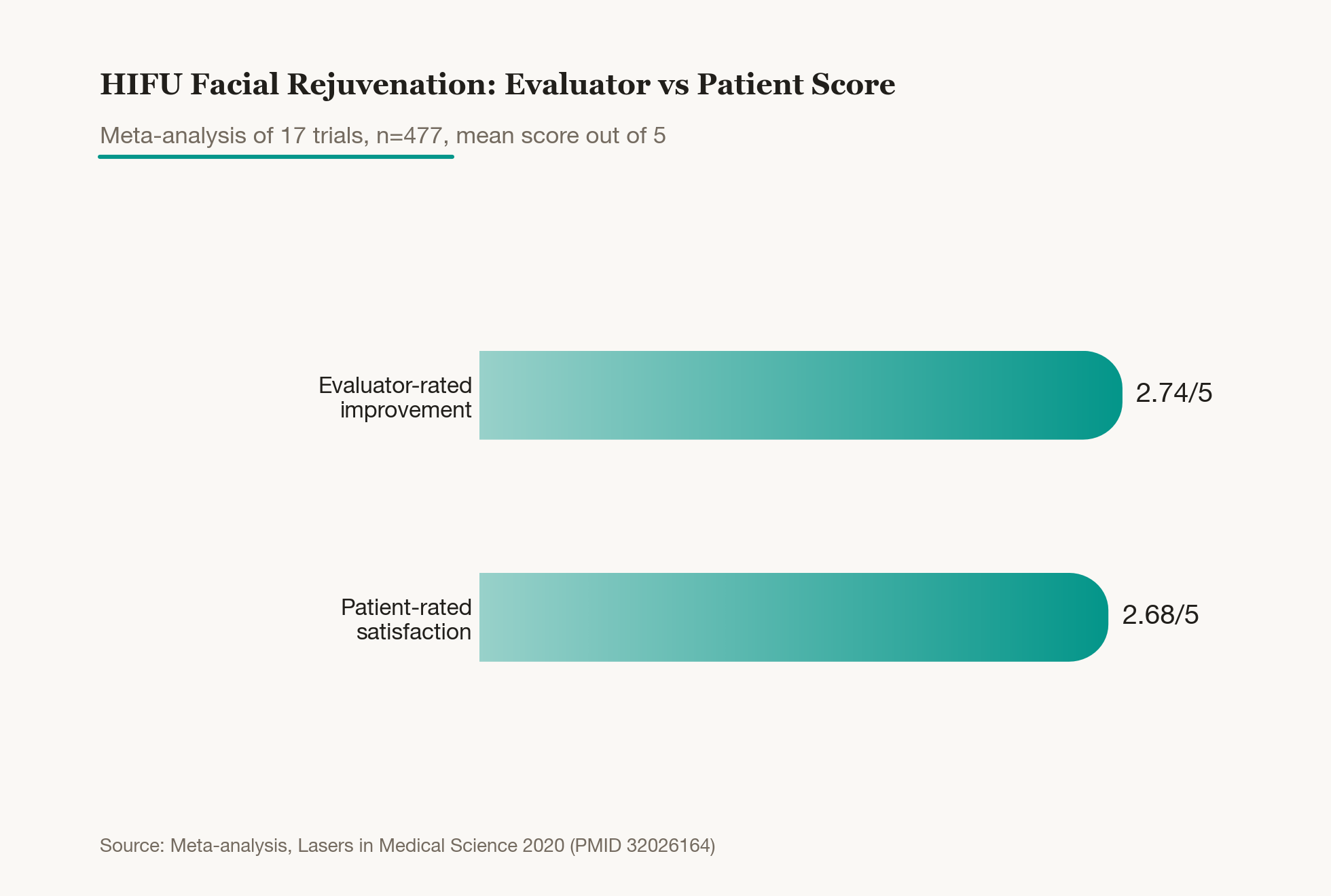
How does the depth reached differ between the two?
The biggest difference between the two comes down to how deep the energy reaches. RF heats a relatively broad, shallow zone along the path the current travels, essentially the dermis as a whole. Ultrasound, because it concentrates energy into a single point, can zero in on one exact depth.
That difference shapes what each device tends to be good for. RF, warming the dermis, generally suits improving surface texture and elasticity, fine lines and skin texture. Ultrasound, reaching the SMAS, generally suits more structural lifting, the kind that addresses sagging across the whole face.
Both devices share the same underlying goal: building new collagen. But because that collagen forms in different layers, the visible results end up looking a bit different too.
That's part of why some people choose to combine both treatments. The logic is that stimulating the dermis and the SMAS at the same time layers surface-level texture improvement together with deeper lifting in one round. Still, whether combining makes sense depends on skin condition and the area being targeted, and one treatment alone is often enough on its own.
How new collagen forms
Heat is the common thread in both treatments. Heat itself doesn't build collagen directly, what matters is that heat-induced damage flips on the body's repair response.
A small inflammatory reaction shows up around the heat-damaged tissue. That reaction draws fibroblasts (the skin cells responsible for making collagen) to the area, and over the following weeks, fibroblasts spin out new collagen fibers. Old collagen gets cleared out while new collagen fills back in, a process known as remodeling.
Animal studies and tissue biopsy research have reported increased dermal collagen density at treatment sites for both RF and ultrasound. That said, how strongly someone responds varies by skin age, baseline collagen synthesis ability, and treatment intensity, so it's hard to pin the effect down to one number.
This is also why remodeling doesn't wrap up after a single session. Fibroblasts produce collagen at a gradual pace, building up slowly over weeks to months after stimulation. That's why both treatments are often reported to build thicker collagen when spaced out over several sessions rather than done just once.
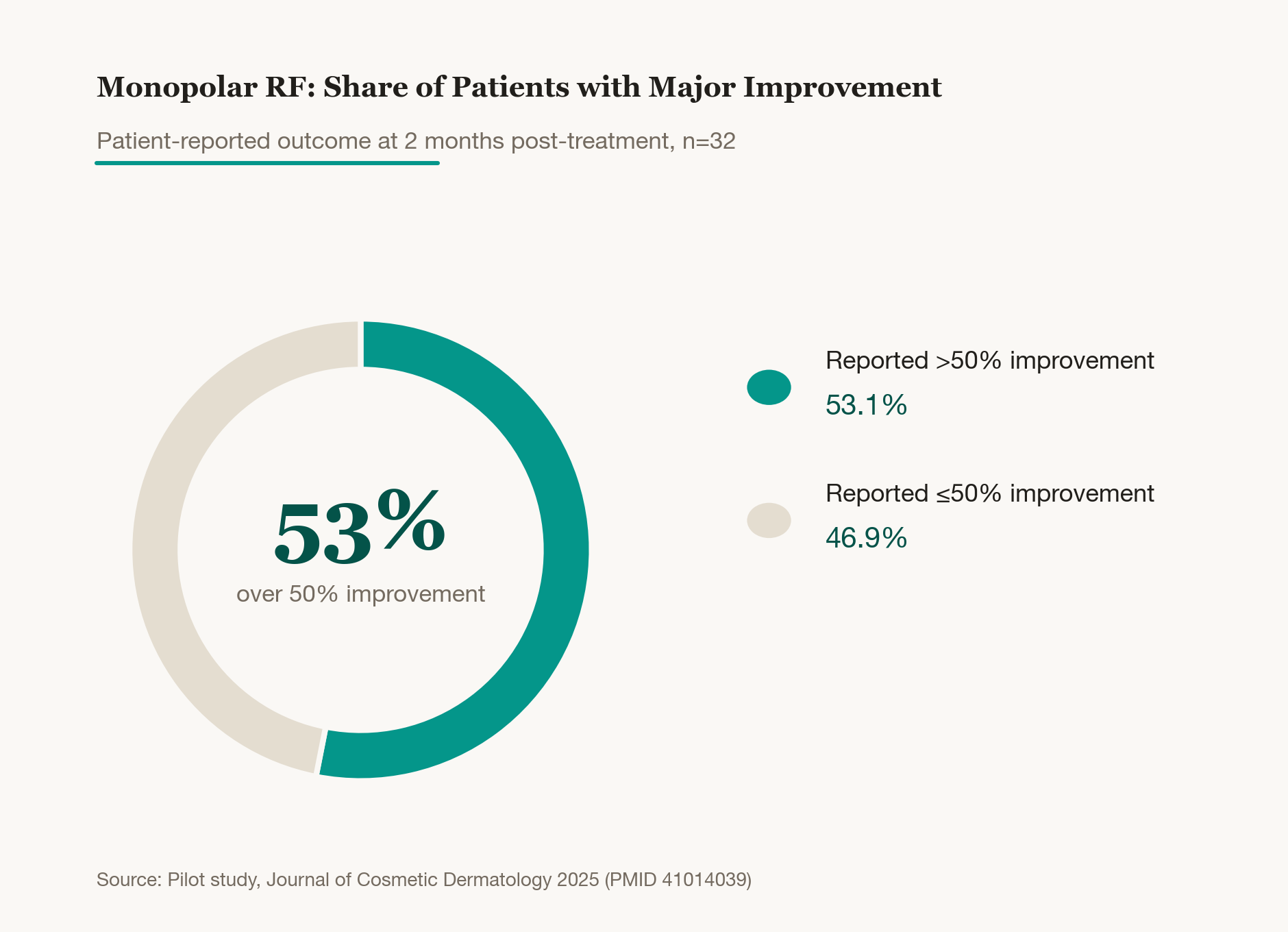
Differences in pain and recovery time
There's a reason the two feel different during treatment. Because ultrasound energy focuses near the SMAS, a deeper layer with more nerve endings running through it, people often describe a brief, sharp sting. Concentrating energy into such a narrow point means the sensation at that exact spot lands harder too.
RF spreads its energy across a wider area, so compared to ultrasound's pinpoint sting, it tends to feel more like a general warm heat. That said, how much either one hurts varies a lot from person to person, depending on pain tolerance and the device's power setting.
Surface recovery is relatively quick for both treatments. Redness or swelling typically settles within a few days. But the visible collagen effect takes longer to show up, generally building gradually over about 4 to 12 weeks.
How long do the effects last?
Duration isn't decided by any single factor. A few things are known to work together:
- Device power and number of passes: Stronger energy and more passes over the same area tend to stimulate more collagen and make results last longer, simply because the total dose of stimulation goes up.
- Treatment depth and targeted layer: Ultrasound, reaching the SMAS, is reported to support structural lift longer than RF, which only heats the dermis, because the SMAS itself is a layer that physically holds the skin up.
- Individual skin aging rate: UV exposure, smoking, and baseline collagen synthesis ability all affect how long newly formed collagen sticks around, since collagen is a protein that eventually breaks down again over time regardless.
- Aftercare: Aggressive massage or heavy UV exposure can disturb tissue that's still healing, so some caution is recommended.
Both treatments are generally reported to last somewhere in the range of 6 to 12 months, though how long results hold varies widely from person to person for the reasons above.
Aftercare and precautions
For both treatments, aftercare comes down to one thing: not interfering with the collagen response that's building underneath.
For the first few days after treatment, it's best to avoid heat-heavy places like saunas or steam rooms. Adding heat on top can cause tissue that's just starting to settle to swell and loosen back up.
Sun protection is worth keeping up regardless of whether you've had a treatment recently. UV exposure is known to ramp up the enzymes that break collagen down, so protecting your skin helps slow how fast the collagen you just built gets broken down again.
Avoid heavy massage or strong pressure during the recovery window too. Adding physical stress before tissue has had a chance to settle can throw off the healing response.
References
Korean Dermatological Association, American Academy of Dermatology (AAD), and Ministry of Food and Drug Safety (MFDS).
Was this helpful?
About this article
Written by a practising aesthetic physician and intended for general education — not a substitute for individual medical advice.
Read next
Xerf Radiofrequency Effect: What's Different About Using Two Frequencies Together?
Xerf is a radiofrequency lifting device that uses two different frequencies at once to stimulate both the shallow dermis and the deeper fascia layer. This article walks through the mechanism, from why heat reaches different depths depending on frequency, to collagen's immediate contraction and its longer remodeling process, plus the recommended number of sessions and how long results tend to last.
By Dr. Kim
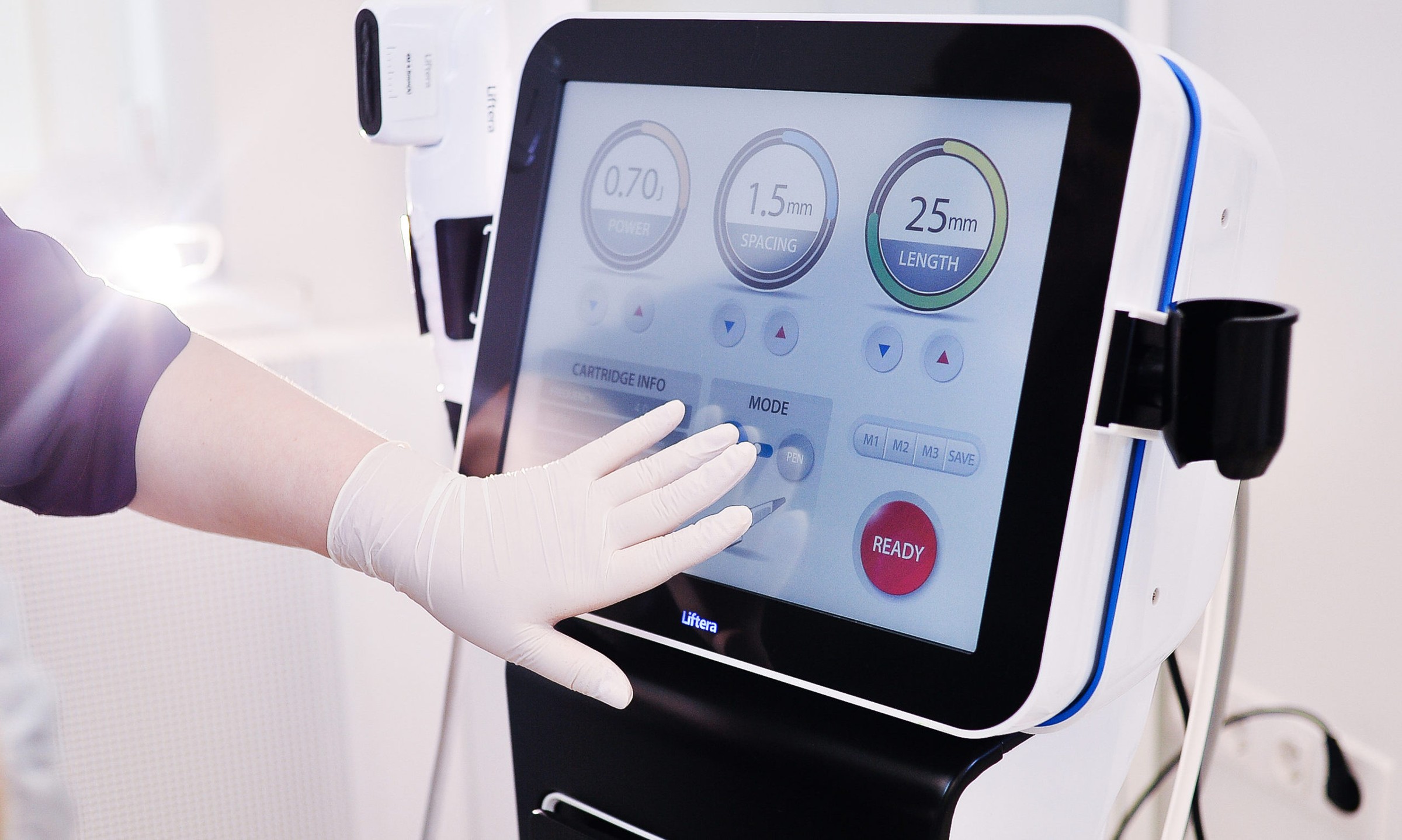
Liftera2 HIFU Effects and Duration, and Differences From Higher-End Models
Liftera2 is a HIFU device that focuses ultrasound energy on a single point to stimulate the fascial layer beneath the skin. This article breaks down why that principle translates into lifting, and what differences in longevity come with its lower price point, all through the lens of the underlying mechanism.
By Dr. Kim

Body Onda: Effects, Approach by Area, Number of Sessions and How Long It Lasts
Body Onda is a non-surgical body contouring treatment that uses microwave energy to selectively heat the fat layer beneath the skin, shrinking fat cells while tightening the skin above them. Here is why the heat targets fat rather than skin, why fat reduction and tightening happen together, how the approach differs for the abdomen, arms, and flanks, and how many sessions it takes to see lasting results.
By Dr. Kim