Volnewmer Radiofrequency: Session Design and When Results Appear
By Dr. Lee9 min read
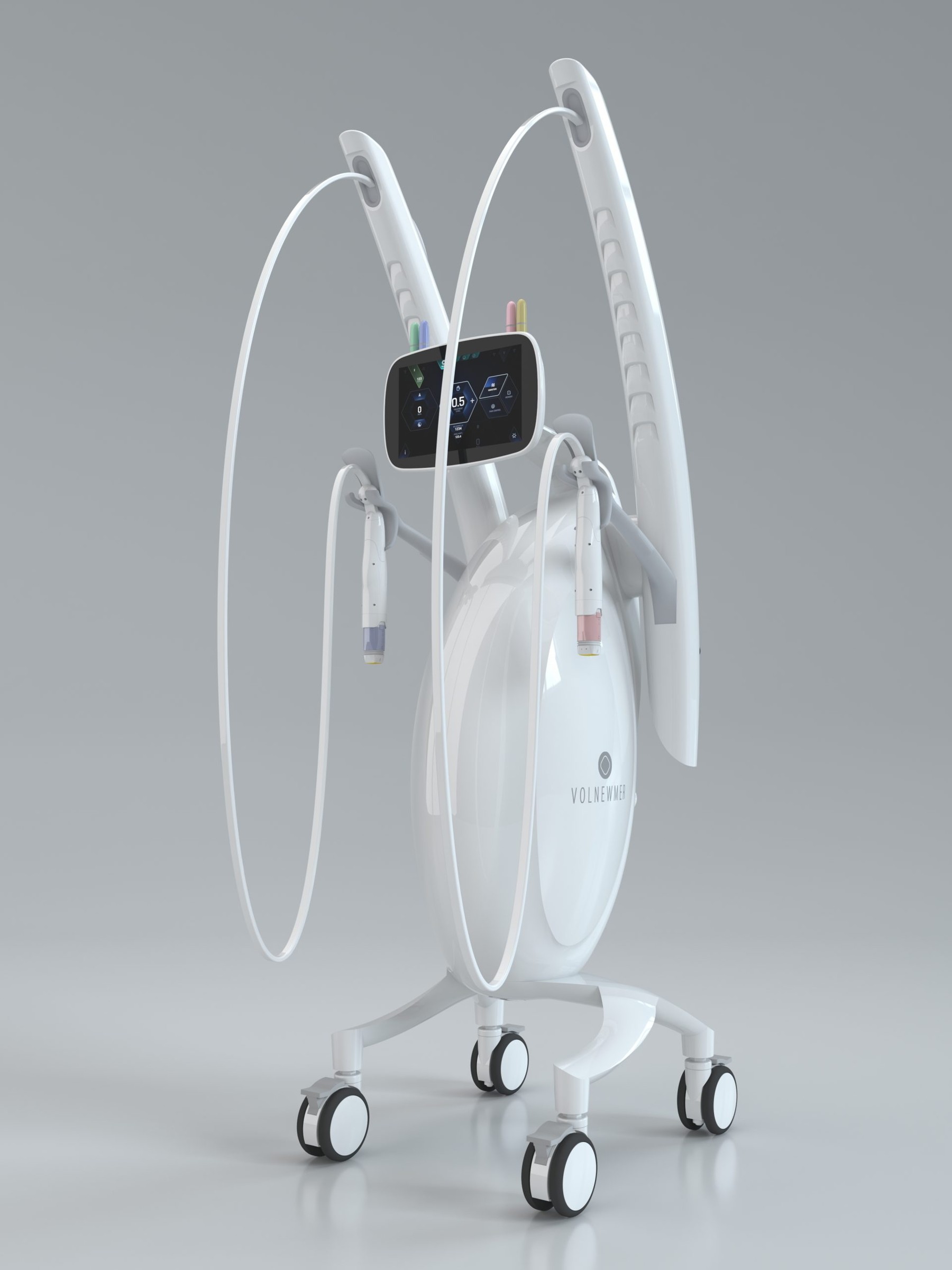
Once your skin starts to lose its bounce and sagging becomes something you actually notice in the mirror, it is natural to look for a way to firm things up without going under the knife. That search is how a lot of people first come across Volnewmer, a radiofrequency device known for pushing in strong heat in just one session instead of stretching treatments out over months. Hearing that claim tends to raise an obvious question: does that approach actually work the way it sounds?
This article walks through why Volnewmer takes the high output, single session route, how that heat travels through the skin to build firmness, and how long the results tend to last. Wherever a technical term comes up, a plain explanation follows right after, so you can read through without getting stuck.
Why Deliver It at Once Instead of Weakly and Split?
Skin lifting devices generally fall into two camps. One builds up gentle heat over three to five sessions. The other delivers one strong, decisive dose of heat that stimulates collagen firmly from the start. Volnewmer belongs to the second group.
Radiofrequency, often shortened to RF, works by sending electrical energy into the skin and letting the skin's own resistance turn that energy into heat. It is the same idea as a heating coil warming up when current runs through it, except here the skin tissue itself acts as the coil.
When the temperature rises enough in a single pass, the collagen sitting in the dermis (the supportive layer underneath the skin's surface) gets a clear, immediate signal. Think of collagen as the structural pillars holding up your skin's firmness. Just as a pillar that bends slightly generates a force pulling it back straight, collagen that has been jolted by heat starts its own recovery response. That is the reasoning behind choosing one strong hit over three to five smaller ones.
Compare it to a lower powered device that requires weekly visits stacked five or six times in a row. Volnewmer is built to clear that same stimulation threshold in a single appointment. For anyone who cannot realistically fit three to five separate visits into a busy schedule, that difference matters quite a bit.
How Does Radiofrequency Cool the Surface and Heat Only Within?
The energy starts at an electrode on the skin's surface, travels through the body, and exits through a grounding pad attached elsewhere on the skin. Heat builds up through resistance along the entire path the current travels, and because different tissues conduct electricity differently (a property called impedance), the amount of heat generated varies layer by layer.
This setup is called monopolar radiofrequency. Because the current spreads broadly and deep into the body, it can raise the temperature not just at the surface, in the thin outer layer of dead skin cells, but well down into the dermis. Reaching depths that shallow-acting devices simply cannot touch is one of the main reasons monopolar devices like Volnewmer are so often used for firming treatments.
Picture water picking up speed as it squeezes through a narrow pipe. Electrical current behaves the same way, releasing more heat as it passes through tissue with higher resistance. Here is the twist though: the dermis is not the high resistance layer. Fat, which holds less water, actually has higher impedance. The dermis, rich in water and electrolytes, conducts electricity fairly easily and has lower resistance by comparison. So the real engineering challenge is tuning the electrode spacing and frequency so the current does not overload the fat layer, and instead spreads evenly through the collagen rich dermis.
The surface is where things get tricky. Since the same current has to pass through it, there is a real risk of burns if nothing is done to manage it. That is why Volnewmer pairs its energy delivery with water based surface cooling. The idea is to keep the surface comfortably cool while the dermis underneath climbs to the target temperature, a kind of balancing act built into the device itself.
What Does Heat Around 60 Degrees Do to Collagen?
Once the dermis warms to somewhere around 60 degrees Celsius, the helical structure of collagen protein partially unwinds and contracts slightly. It is a bit like what happens when you hold a stretched rubber band near a flame: it snaps into a shorter shape almost instantly.
That contraction on its own is not the visible firmness you are actually after. The real transformation starts afterward. The body reads the heated area as a small injury, and that perception kicks fibroblasts (the cells inside skin responsible for building new collagen) into action. Fibroblasts then spend anywhere from four weeks to six months gradually producing fresh collagen and elastin.
This is why the tight, drawn feeling right after a Volnewmer session and the gradual firming that shows up starting around four weeks later are two completely separate stages. The first comes from collagen contracting instantly. The second comes from new collagen slowly filling in. Strong heat is used precisely because the temperature has to climb high enough for the signal that wakes up fibroblasts to actually get through.
The way the body treats this heat exposure like a minor wound is similar to how a bruise from a fall fades gradually over one to two weeks. It is barely noticeable at first, and then the tissue slowly rebuilds itself as time passes.
Why Does Volnewmer Need Fewer Sessions?
Volnewmer is usually recommended for just one session, or at most two to three. That is a different rhythm from treatments that require three to five sessions spaced three to four weeks apart, and there are three reasons behind it.
- The total energy delivered in one session is already large enough on its own. The device is engineered to clear the stimulation threshold needed to activate fibroblasts in a single treatment.
- Collagen regeneration itself is a slow process that unfolds over four weeks to six months. Stimulating the same area again before that process wraps up can actually put strain on tissue that is still in the middle of recovering.
- The dermis needs time to recover too. Repeating heat exposure at short intervals can interfere with the normal rhythm of collagen buildup, so it is safer to space treatments out and only add more when truly needed.
It is similar to how muscles need two to three days of rest after a workout causes microscopic damage, which is exactly what makes them stronger afterward. Keep hitting the same muscle before it has recovered and it will not build properly. Skin works the same way: it needs enough recovery time for collagen to settle into place correctly.
That said, additional sessions are sometimes recommended depending on skin condition or the degree of sagging. Still, the core design of the treatment is not built around repeating it three or more times, which is what sets it apart from other procedures.
When Do Results Appear, and How Long Do They Last?
Right after treatment, the first thing you notice is a slight tightening sensation from collagen contracting instantly. That is only the beginning though. The real change unfolds gradually over the four weeks to six months it takes for new collagen to build up.
Visible changes typically start appearing somewhere between four and eight weeks, and since it takes additional time for collagen to accumulate fully, some reports point to results looking most pronounced around the three month mark. Because the change arrives slowly, your face does not suddenly look different overnight, which many people actually consider an advantage since the result feels natural rather than abrupt.
Think of a newly planted tree. It does not shoot up overnight, it thickens gradually as it takes in water and sunlight. Collagen builds the same way, gaining substance gradually over four weeks to six months. So rather than expecting a dramatic difference the morning after treatment, it helps to approach it with the mindset of waiting to see your face four weeks down the line.
How long results last varies from person to person, but the effect is generally understood to continue for as long as the newly built collagen holds its position. That said, collagen naturally declines again over time as part of ordinary skin aging, so some sagging may eventually return. Rather than expecting a single session to last a lifetime, it is more realistic to think of touch up treatments as something you add back in whenever needed.
Skin age, how much sagging you started with, and habits like sun exposure or overall lifestyle can all influence how long results hold up. Staying consistent with sun protection and reducing unnecessary irritation are both known to help newly formed collagen stay in place longer.
Who Fits and Who Should Avoid It
Volnewmer tends to be a particularly good fit for people who want firmer skin without surgery and who cannot set aside a long recovery period. It is also known to respond well in cases of mild sagging or fine lines.
- If you are worried about pain during treatment, the built in water cooling on the surface makes it easier to tolerate than many other radiofrequency devices.
- If you do not have much time to spare for recovery, the fact that most people return to their normal routine right after treatment works well.
- If sagging is already fairly deep and pronounced, radiofrequency alone may not be enough, so it is worth discussing combination options with a provider.
Treatment is best avoided if you have an electronic device implanted in your body such as a pacemaker, metal in the treatment area, are pregnant, or have active skin inflammation. Because this treatment sends electrical energy through the body, the presence of an electronic device or metal can cause the current to travel somewhere it should not, or interfere with how the device functions. It is a bit like placing a compass next to a magnet: the needle stops pointing where it should. Since this treatment involves handling a fairly strong amount of energy, getting it from an experienced provider matters both for the outcome and for safety.
References
Korean Dermatological Association, Ministry of Food and Drug Safety (MFDS), American Academy of Dermatology (AAD), and U.S. Food and Drug Administration (FDA).
Was this helpful?
About this article
Written by a practising aesthetic physician and intended for general education — not a substitute for individual medical advice.
Read next
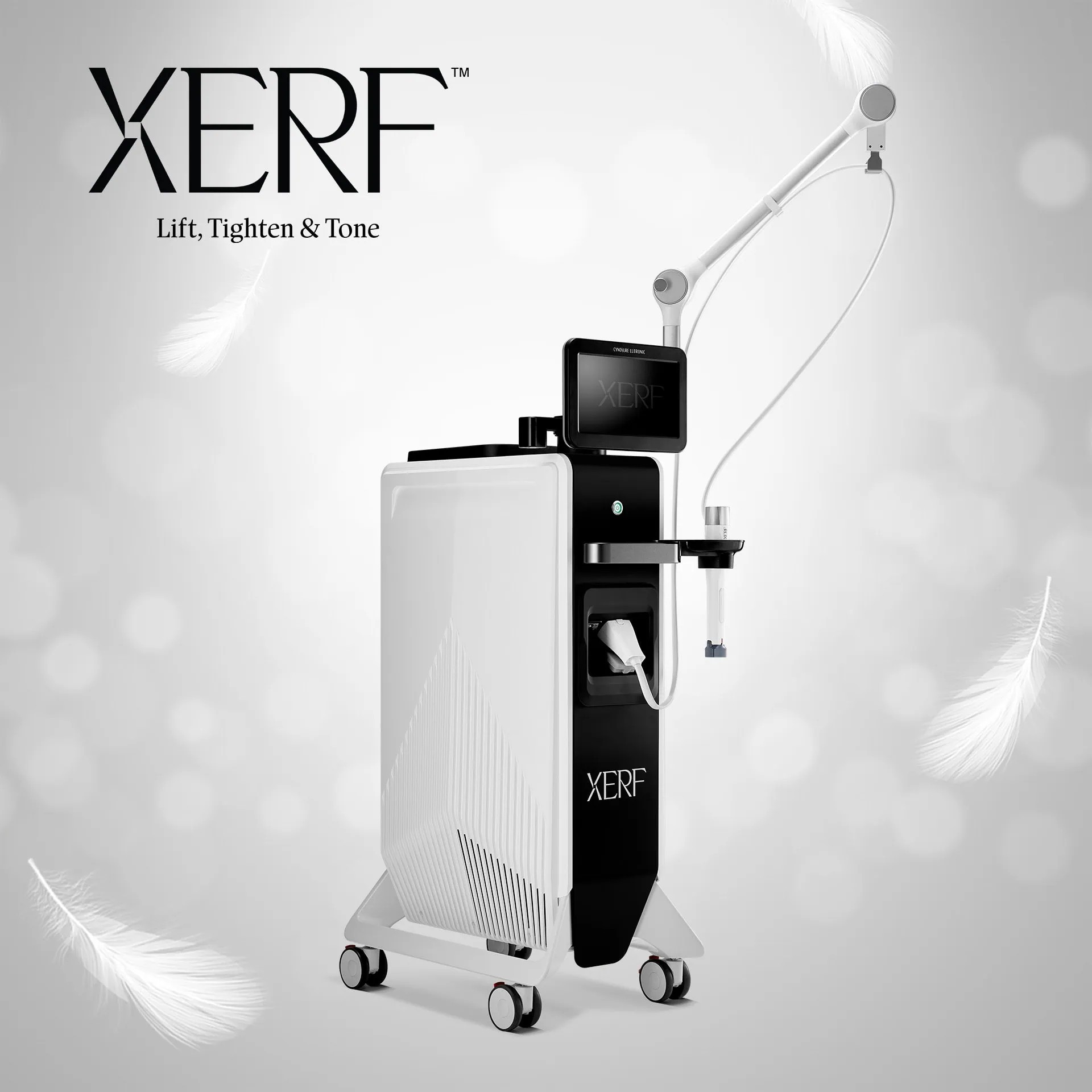
Xerf Radiofrequency Effect: What's Different About Using Two Frequencies Together?
Xerf is a radiofrequency lifting device that uses two different frequencies at once to stimulate both the shallow dermis and the deeper fascia layer. This article walks through the mechanism, from why heat reaches different depths depending on frequency, to collagen's immediate contraction and its longer remodeling process, plus the recommended number of sessions and how long results tend to last.
By Dr. Kim
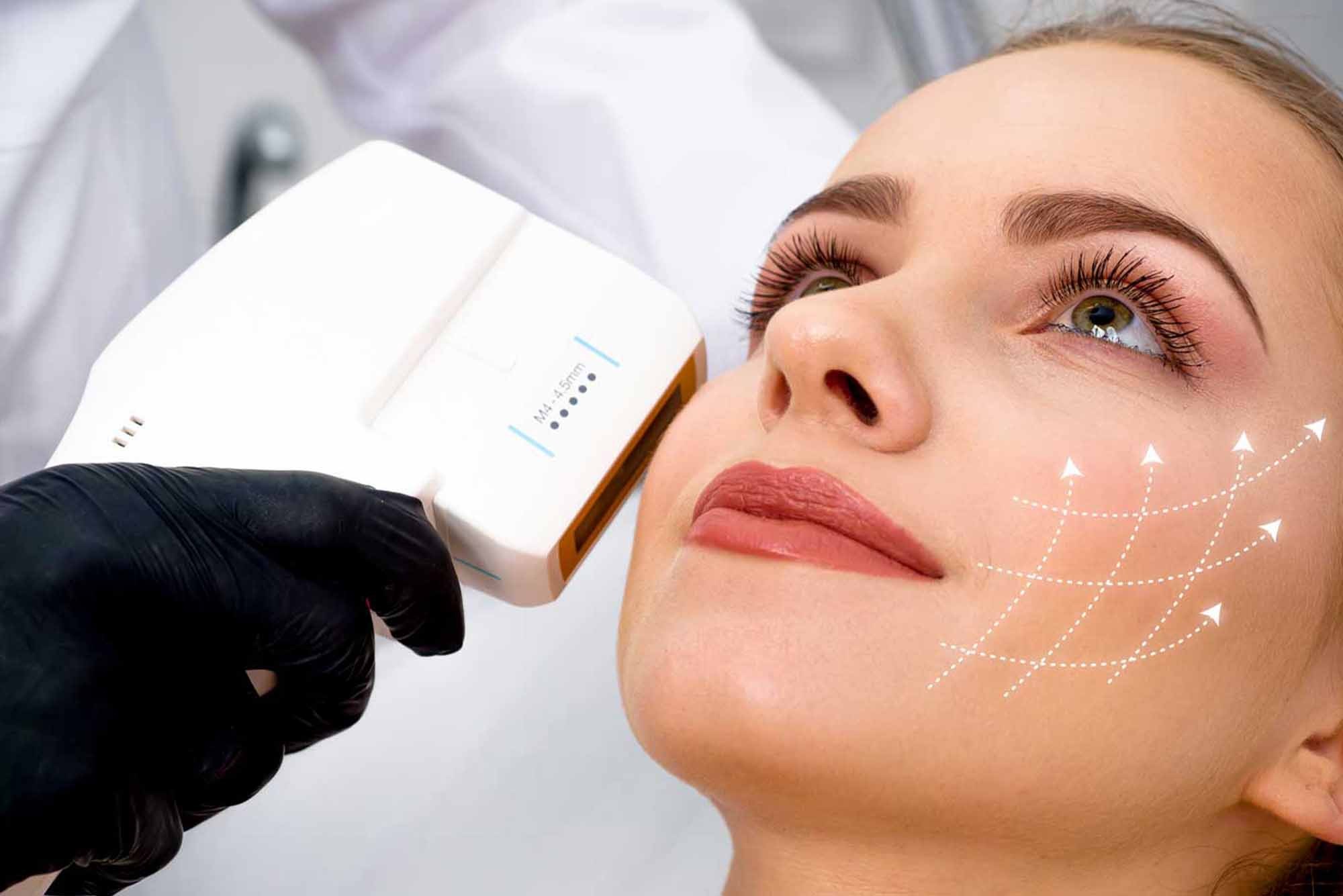
Radiofrequency and Ultrasound Lifting: Differences, Results, and How Long They Last
Radiofrequency uses resistive heat from electrical current to warm the dermis and stimulate collagen, while ultrasound focuses energy into a single point that reaches the deeper SMAS layer. Here's why these two devices target different depths, and what that means for how long results last.
By Dr. Lee
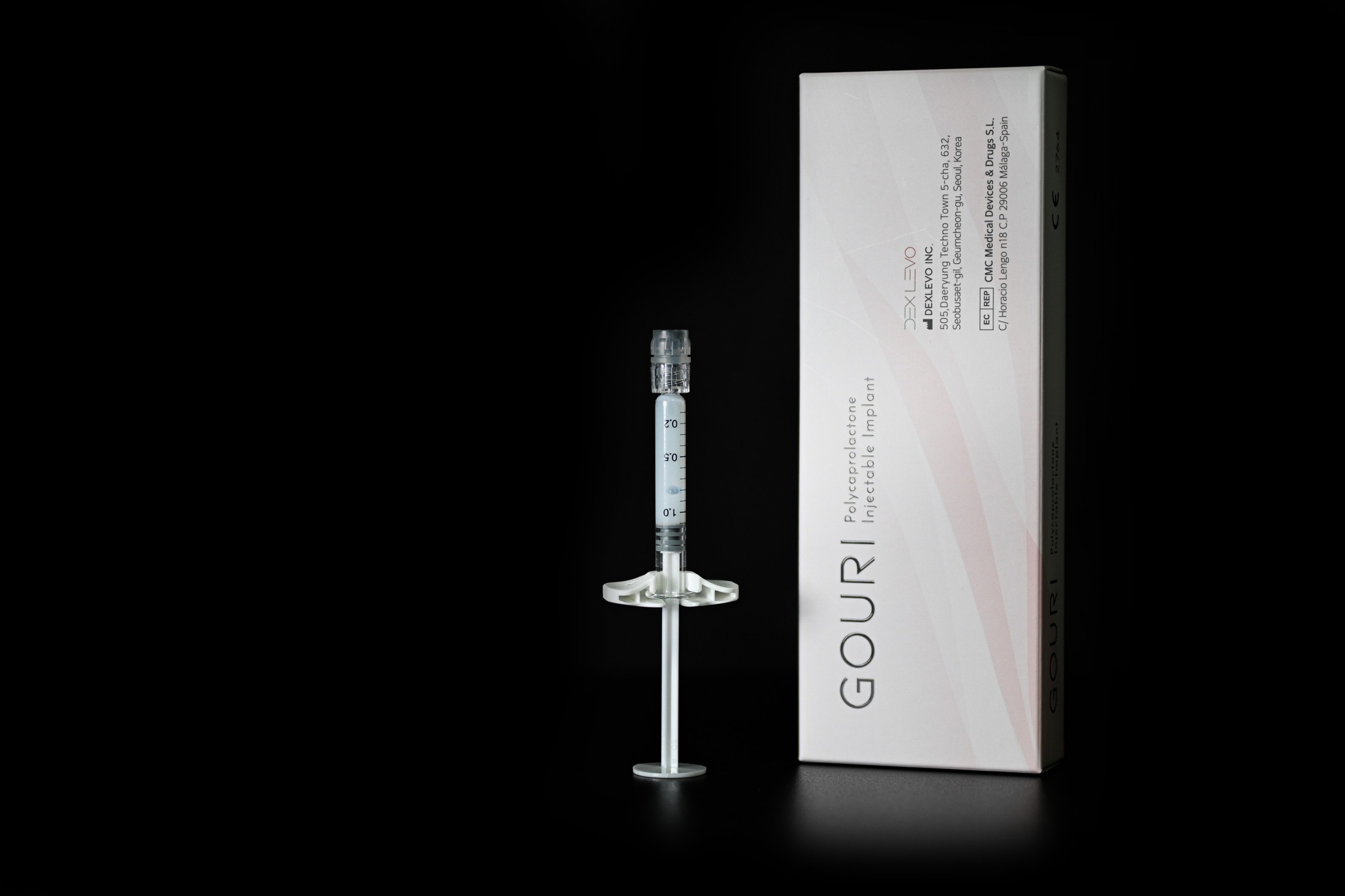
Gouri Liquid PCL Effects: When They Appear and How Many Sessions
A look at how Gouri Liquid PCL spreads through tissue without visible particles and gradually triggers collagen production. We break down how this differs from volume fillers that fill in a specific spot, plus when results start showing and how long they stick around.
By Dr. Lee