TuneFace Radiofrequency: How It Works, Effect, Duration and Aftercare
By Dr. Kim7 min read
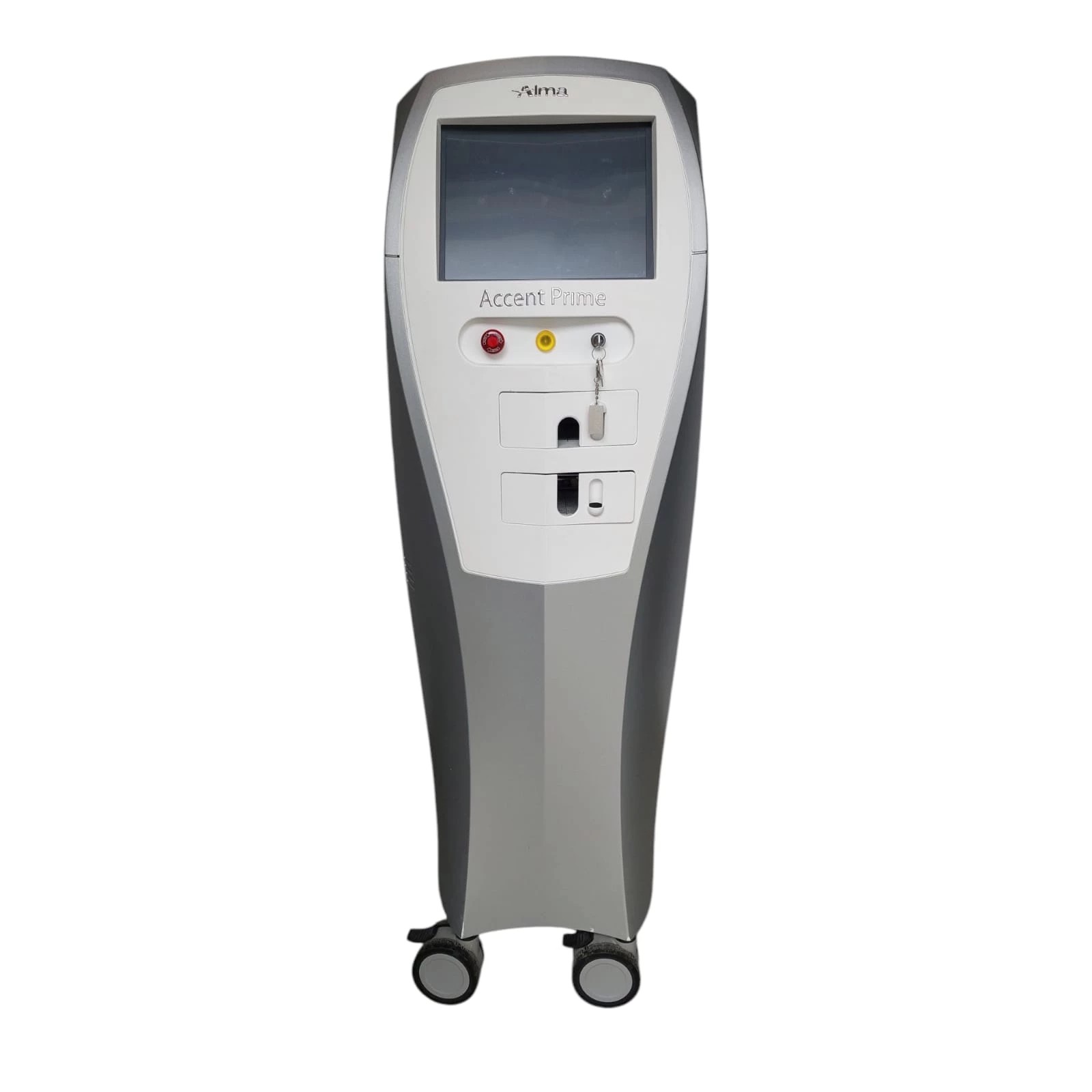
TuneFace is a name that comes up often for anyone hoping to soften the look of a sagging jawline. It is a no-cut treatment that pushes heat into the skin with radiofrequency, but the name alone does not really explain how it works. TuneFace is actually more of a nickname for a specific brand of device, and once you understand the order in which that device's heat does its work inside the skin, the whole thing makes a lot more sense. Here is how it tightens the jawline, step by step.
What Device Does TuneFace Use?
TuneFace is not really a standalone brand of its own. It is closer to a nickname attached to treatments performed with the Accent Prime, an RF device made by the Israeli company Alma Lasers. That is why the name can differ from clinic to clinic, but the physics happening inside the device is the same everywhere.
This device uses a unipolar RF setup. With a true monopolar setup, which is common elsewhere, one electrode sits on the skin while a separate, wide grounding pad is attached somewhere else on the body, and current completes its circuit by traveling all the way across the body. Unipolar skips the grounding pad entirely. Energy radiates straight into the skin from a single electrode on the handpiece, so there is no need for a long current path running through the whole body.
Once that energy leaves the electrode, it spreads through the tissue and generates heat through resistance. The closer to the electrode, the higher the energy density and the more concentrated the heat; the farther away, the more it fades. Because there is no grounding pad completing a body-wide circuit, none is needed, and the device can deliver heat to a fairly consistent depth directly beneath the electrode.
There is also a bipolar setup on the market, with both electrodes built into the handpiece. Bipolar heat forms only in the shallow layer between the two electrodes, so its depth range is narrow. TuneFace's unipolar setup, by contrast, lets energy from a single electrode spread relatively wide and deep through the tissue, which is why it is often chosen for areas like the jawline, where the target tissue sits deeper in the dermis.
Current That Flips 40 Million Times a Second
The RF frequency TuneFace uses is 40.68 MHz. That means the current changes direction more than 40 million times a second. When a current switching direction that fast passes through the skin, molecules like water, which have opposite charges at each end, get pulled back and forth along with the current and end up vibrating extremely quickly.
Think of it the same way a microwave oven heats the water inside food. The difference is that a microwave sends out electromagnetic waves, while TuneFace sends actual current directly into the body. As the molecules shake and collide with each other, friction generates heat, and that heat spreads evenly through the dermis, raising the temperature of the tissue.
How Does Heated Collagen Change?
The collagen that makes up the dermis is a protein strand that is naturally coiled into a helix. When enough heat reaches that strand, the helix suddenly unwinds and the strand itself shortens. It is a bit like a tightly stretched spring curling up the moment it meets heat.
When collagen strands shorten this way, the skin tissue they sit in tightens along with them, which is why the jawline can look more defined right after the procedure. This contraction is a purely physical reaction, though, and tissue is known to gradually relax back over time. That is why this immediate response alone cannot produce a change that lasts.
When Does New Collagen Build Up?
Instant contraction from heat is not enough on its own to keep results going. A second reaction has to follow it, and that is fibroblasts building new collagen.
Skin reads heat above a certain threshold as a sign of injury. Much the way the body switches on a healing response after a wound, the heated dermis sets off its own repair process, and fibroblasts, the cells that produce collagen, migrate to the area. Over the following weeks and months, these cells slowly build new collagen and elastin.
In other words, the change you see right after the session comes from existing collagen contracting under heat, and the change that shows up months later comes from newly built collagen accumulating. The two effects overlap in sequence, and that overlap is what keeps the result going.
Why Is Intensity Different by Area?
Skin, fat, and muscle thickness all vary across the face. An area like the cheek, where the fat layer runs thick, and an area like the jawline, which sits close to bone, naturally need heat delivered to different depths with different amounts of energy.
That is why TuneFace adjusts output and contact time area by area. Applying the same intensity across the entire face would overheat thinner areas while under-delivering heat to thicker ones. Checking skin and fat thickness beforehand and tuning intensity accordingly is exactly why this step matters.
Thin-skinned areas sitting right over bone, like around the eyes or the forehead, and thicker areas with a heavier fat layer, like under the chin, heat up at very different speeds. Thin areas heat quickly and surface temperature rises fast, while thick areas warm more slowly even with the same treatment time. That is why the handpiece is passed at different speeds and repeated a different number of times depending on the area, so that the dermis reaches a similar temperature no matter where it is treated.
How Is the Surface Cooled While Only the Inside Is Heated?
While RF energy heats the dermis, the skin's surface temperature climbs too. If the epidermis gets too hot, it can lead to a burn, so cooling the surface matters just as much as delivering the heat itself.
TuneFace uses a chilled tip that sits directly against the skin at the end of the handpiece. It works much like holding ice against the skin, keeping the surface temperature down while heat keeps traveling to the dermis underneath. The surface stays cool while only the deeper layer warms up, which lowers both pain and the risk of burns while still letting the dermis reach a high enough temperature.
Who Keeps the Effect Longer?
How long TuneFace's effect lasts is not decided by a single factor. A few things are known to work together, including the following.
- Skin age and existing collagen levels: As people age, the fibroblasts responsible for making collagen become less active, so the amount of new collagen produced from the same heat stimulus varies from person to person.
- Number of sessions and spacing between them: Because collagen production takes weeks to months, spacing multiple sessions out to match this recovery cycle is said to help results build up over time.
- Sun exposure and lifestyle habits: UV exposure ramps up the activity of enzymes that break down newly formed collagen, so skipping sunscreen can cause hard-won collagen to fade faster.
- How much sagging exists to begin with: The more pronounced the sagging, the smaller the portion of it that physical contraction alone can address, so the range of realistic change also varies by person.
For that reason, it makes more sense to think of TuneFace as part of ongoing maintenance rather than expecting one session to hold forever.
What to Look After in the Days Following Treatment
The first few days after treatment are when the dermis's repair response is just getting started, so aftercare that does not interfere with that process helps.
Avoiding extra heat exposure to the face, such as saunas or steam rooms, for a few days is recommended. Adding more heat to tissue that has already been heat-stimulated can push the repair response into overdrive. Sunscreen is also worth being extra diligent about during this window, since skin that is still recovering can react more sensitively to UV. Swelling or redness is often reported to settle on its own within a few days, though recovery speed varies from person to person.
References
Korean Dermatological Association, American Academy of Dermatology (AAD), and Ministry of Food and Drug Safety (MFDS).
Was this helpful?
About this article
Written by a practising aesthetic physician and intended for general education — not a substitute for individual medical advice.
Read next
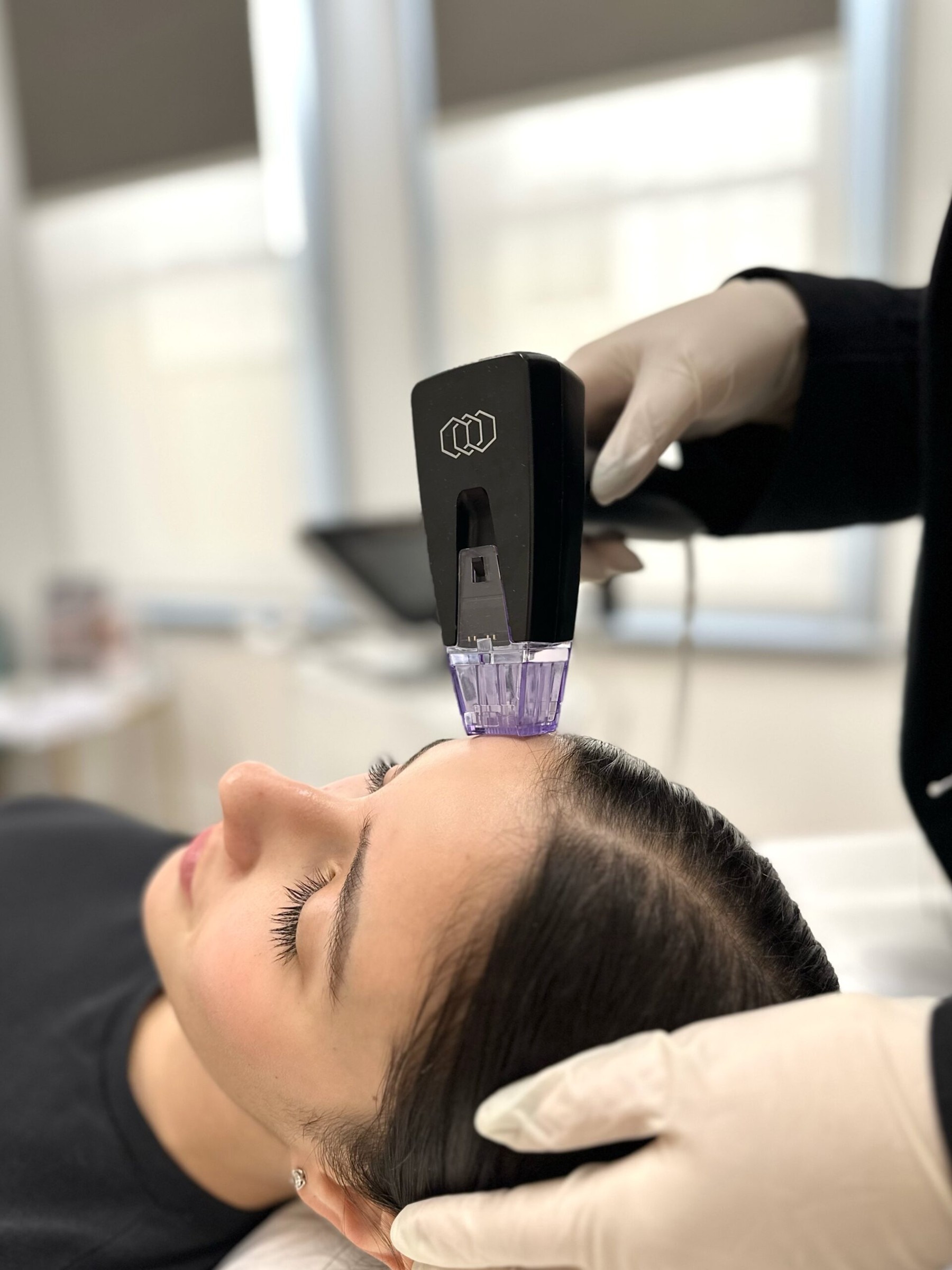
Morpheus8: How It Works, Results, Recovery, and Aftercare
Morpheus8 is a microneedle RF device that delivers radiofrequency heat through coated needles down into the deeper layers of the skin. Heat at the needle tip stimulates fat and connective tissue, producing an immediate tightening effect alongside long-term collagen renewal. Here is how the depth control works and why recovery tends to be faster.
By Dr. Kim
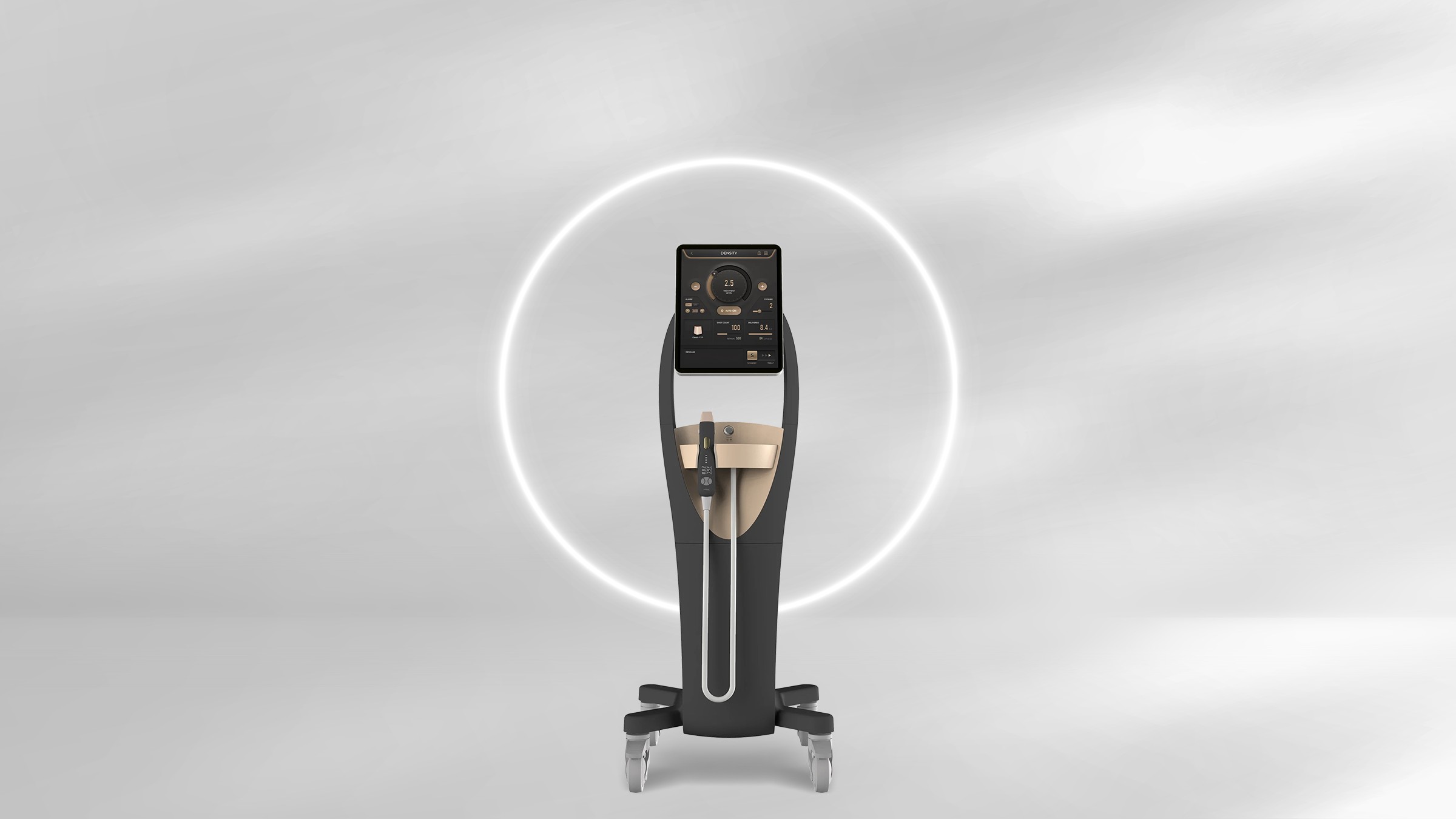
Density RF Effects: How Many Sessions and How Long Do Results Last?
Density RF pairs two radiofrequency modes with very different personalities to chase two goals at once: the instant tightening you feel right after treatment, and the collagen renewal that builds slowly over the following 4 to 12 weeks. Here is why two modes are needed, the order in which heat actually works inside the skin, and why the treatment is spread across multiple sessions instead of done all at once.
By Dr. Kim

Nasolabial Fold Treatment: Which Is Right for You, Filler or Thread Lift?
Whether your nasolabial folds come from sagging, lost volume, or aging skin decides whether filler, thread lifting, or a collagen stimulator is the right call. Here is what actually works for each cause, how long the results hold, and how to stay safe around the vessels beside the nose, all explained simply with real study numbers.
By Dr. Lee