Emface Lifting Effect and Wrinkle Improvement, Including Number of Sessions
By Dr. Kim7 min read
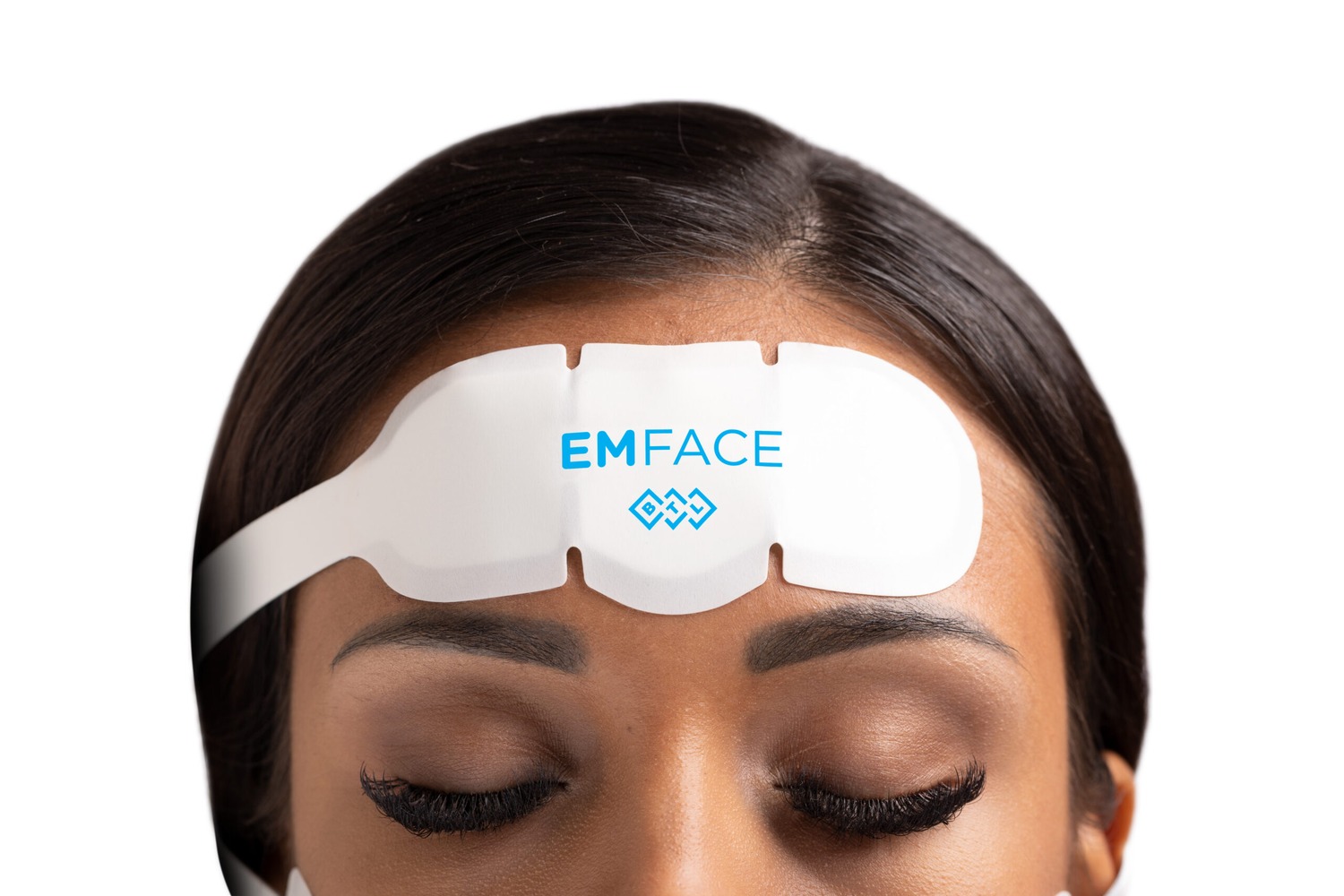
EMFACE is a lifting treatment known for tightening the face without needles or anesthesia. Electrode pads are placed on the face like patches, and after about 20 minutes lying down, the session is over. What sets it apart from other radiofrequency lifting devices is one key detail: it doesn't just work on skin, it also exercises the facial muscles underneath.
EMFACE is made by BTL, a US medical device company. Radiofrequency (RF) tightens the skin, while a technology called HIFES trains the facial muscles, lifting the face in what's described as a natural way. Does the muscle really improve? How much do wrinkles fade and how much does the face lift? How is it different from a surgical facelift? We went through the actual research numbers one by one.
How the Emface treatment works and how long it takes
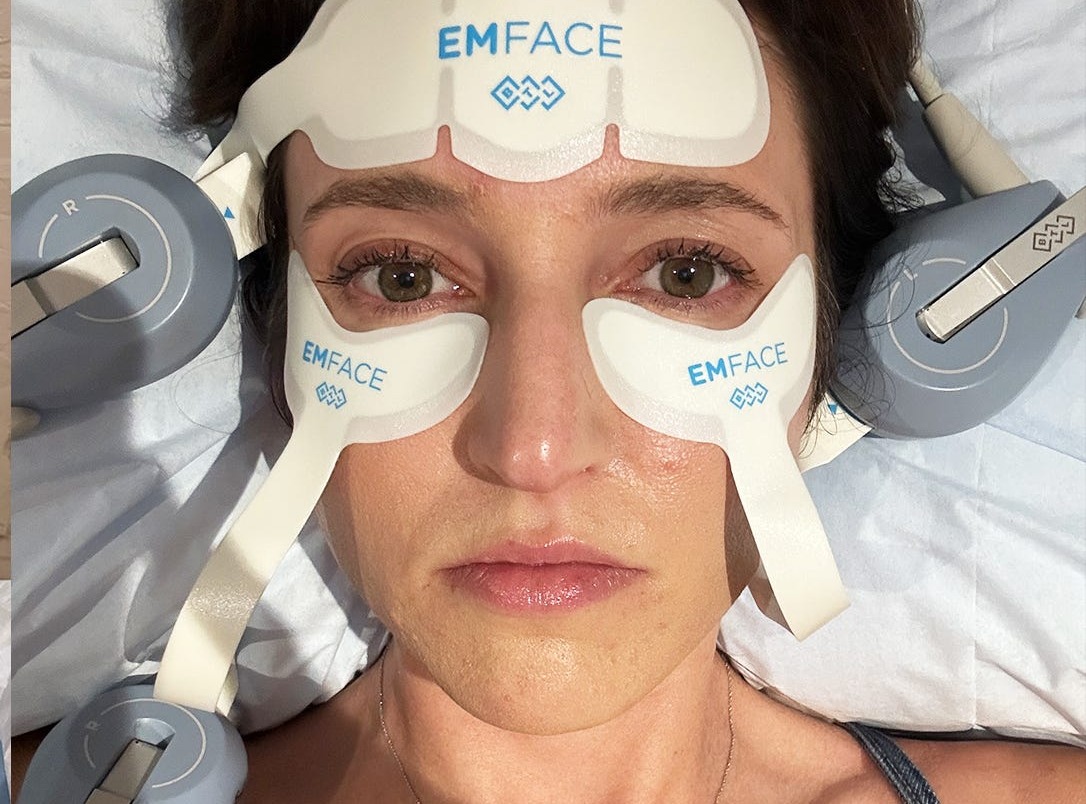
EMFACE delivers two types of energy at once through electrode pads attached to the face. Adhesive electrode pads are placed on the forehead and both cheeks, and a single session runs about 20 minutes. Since there's no needle and no incision, you can go straight back to your day once it's done.
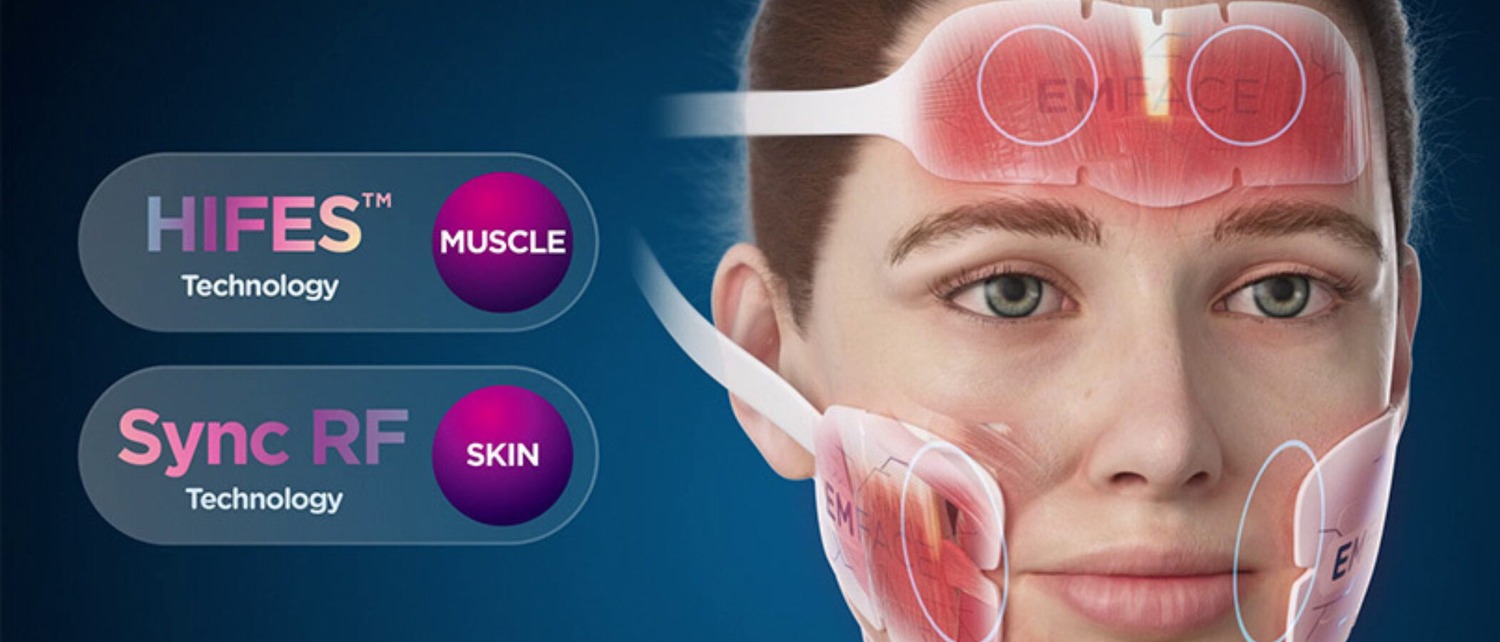
The key is that it uses two technologies together. One is synchronized RF, essentially radiofrequency heat. The RF warms the dermis, prompting it to produce new collagen and elastin. The other is HIFES, short for High-Intensity Facial Electrical Stimulation, which is really just electrical stimulation that works the facial muscles.
This is where EMFACE stands apart. Most RF and ultrasound lifting devices only work on the skin and dermis. EMFACE reaches both the skin and the facial muscles underneath it. The skin gets tightened with radiofrequency, and the muscle gets trained with electrical stimulation. Managing both layers at once without a single needle is a big part of why EMFACE has caught on.
How do HIFES and RF work?
The image above shows how EMFACE works. Start with the HIFES side. When the electrodes create an electrical field across the face, the nerves that control the facial muscles get stimulated. The muscles then contract strongly and continuously, unable to rest the way they normally would. It's a level of muscle activity you simply can't reach through normal facial expressions.
Muscles that are worked this hard get thicker and firmer. Two muscles matter most in the face: the frontalis muscle in the forehead, and the zygomaticus muscle that runs from the cheekbone down to the corner of the mouth. These muscles help support the middle and upper face. As we age and these muscles weaken, the cheeks and brows start to sag. HIFES is meant to retrain these muscles so they can lift and support the sagging areas again.
At the same time, radiofrequency (RF) handles the skin. Warming the dermis to the right temperature causes loose collagen to contract, and over the following weeks, new collagen and elastin build up. The key is heating only the dermis while keeping the epidermis from being burned. With the muscle supporting from below and the skin tightening from above, improving both layers together is the core claim behind EMFACE.
When is the wrinkle improvement greatest?
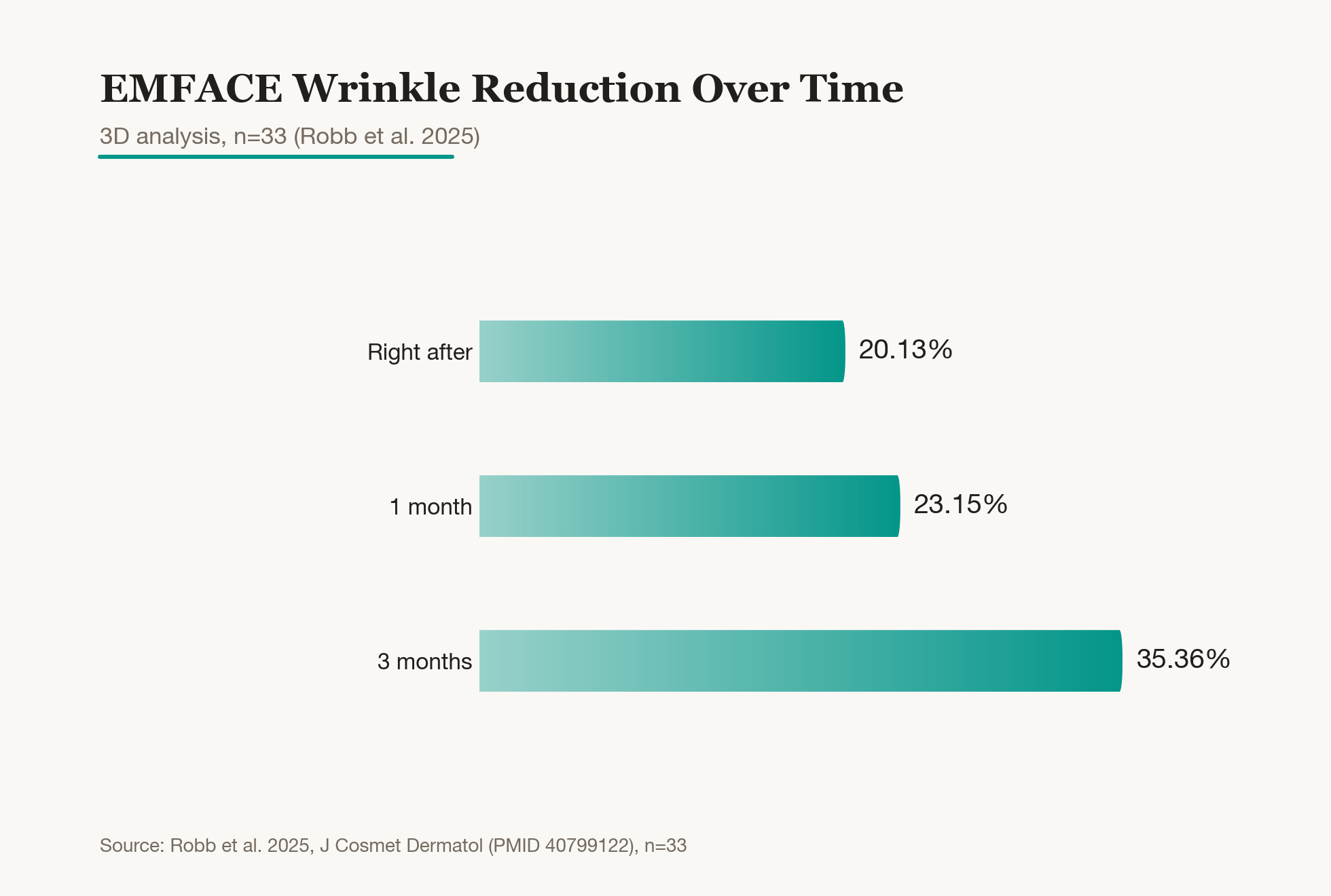
EMFACE has a fair amount of its own clinical data. A multicenter 3D analysis study involving 33 participants found wrinkles reduced by about 20% immediately after treatment, about 23% at 1 month, and about 35% at 3 months. The chart above shows those figures. The results become more noticeable two to three months out rather than right away, since new collagen takes time to build up.
In the same study, 88% of participants were rated as improved by at least one grade at the 3-month mark, and the average facial wrinkle score dropped from 5.6 to 3.8. Satisfaction was reported at around 87%.
There's also research on people with darker skin tones, more similar to Korean skin. A study conducted in Thailand with 15 participants, most with Fitzpatrick type 4 skin, found fine lines around the eyes reduced by about 12% at 3 months, and forehead pore volume dropped by about 66% at 6 months. The sample size is small, but it's still worth noting that improvement showed up similarly across both lighter and darker skin tones. Because radiofrequency, unlike light-based devices, doesn't target melanin pigment, there's less concern about burns or pigmentation even on darker skin. In practice, that means it can be used safely on Korean skin as well.
How much does the face actually lift?
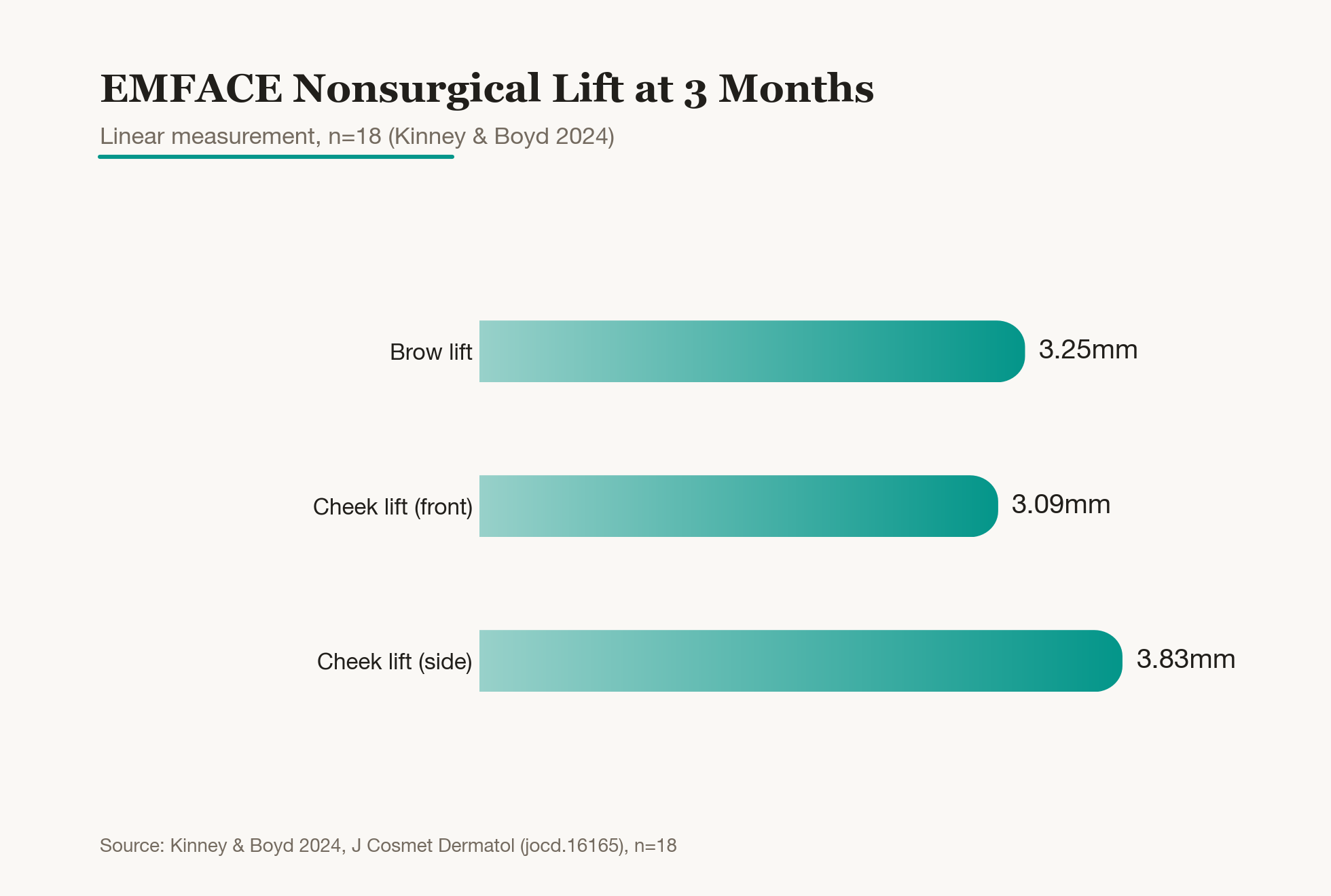
The lifting results are probably what you're most curious about. In a study by Kinney and Boyd, 18 participants completed treatment, and by the 3-month mark the face had lifted by an average of about 23%. As shown in the chart above, the brow lifted about 3.25mm, the cheek about 3.09mm from the front view, and about 3.83mm from the side view. Volume in the upper cheek also increased, adding up to an average of about 2.5mL across both sides.
In this study, 100% of participants were rated as improved at 3 months, with satisfaction reported at a high 98%. Pain levels were also low, averaging 1.4 out of 10, placing it among the more comfortable treatments.
Another study used ultrasound to check whether the muscle really does improve. In a pilot study by Halaas, ultrasound signals from the frontalis and zygomaticus muscles changed noticeably after treatment, a sign that the muscle had become denser and firmer, with an average change of about 31% at 3 months. This research backs up the idea that the facial muscles are genuinely being trained. That said, many of these studies still involve only a few dozen participants, so the true scale of the effect should become clearer as more data accumulates.
How is it different from a surgical lift?
| Category | EMFACE | Surgical Facelift |
|---|---|---|
| Method | Electrode application | Incision |
| Anesthesia | Not needed | Needed |
| Downtime | Almost none | Several weeks |
| Muscle | Strengthened through exercise | Repositioned |
| Result | Natural improvement | Pronounced lift |
| Maintenance | Requires repeat sessions | Long-lasting |
The table above sums up the difference between the two. EMFACE works on both muscle and skin, but it isn't the kind of treatment that cuts and pulls up sagging tissue the way a surgical facelift does. It's closer to strengthening the muscle through exercise and tightening the skin so the face is naturally supported from within. That's why the change tends to look subtle and natural rather than dramatic.
Knowing this makes it easier to set realistic expectations. It suits people whose sagging has just started or is at a moderate stage, or those who want to get ahead of it early. On the other hand, if the cheeks and jawline have sagged significantly and you need a pronounced lift, it's more realistic to also consider thread lifting, ultrasound lifting, or surgical options.
The advantages of EMFACE are clear. No needles, no incisions, almost no downtime, and it targets both skin quality and muscle tone. It's a good fit for anyone who wants to start natural lifting care without much of a burden.
Number of sessions and who it suits
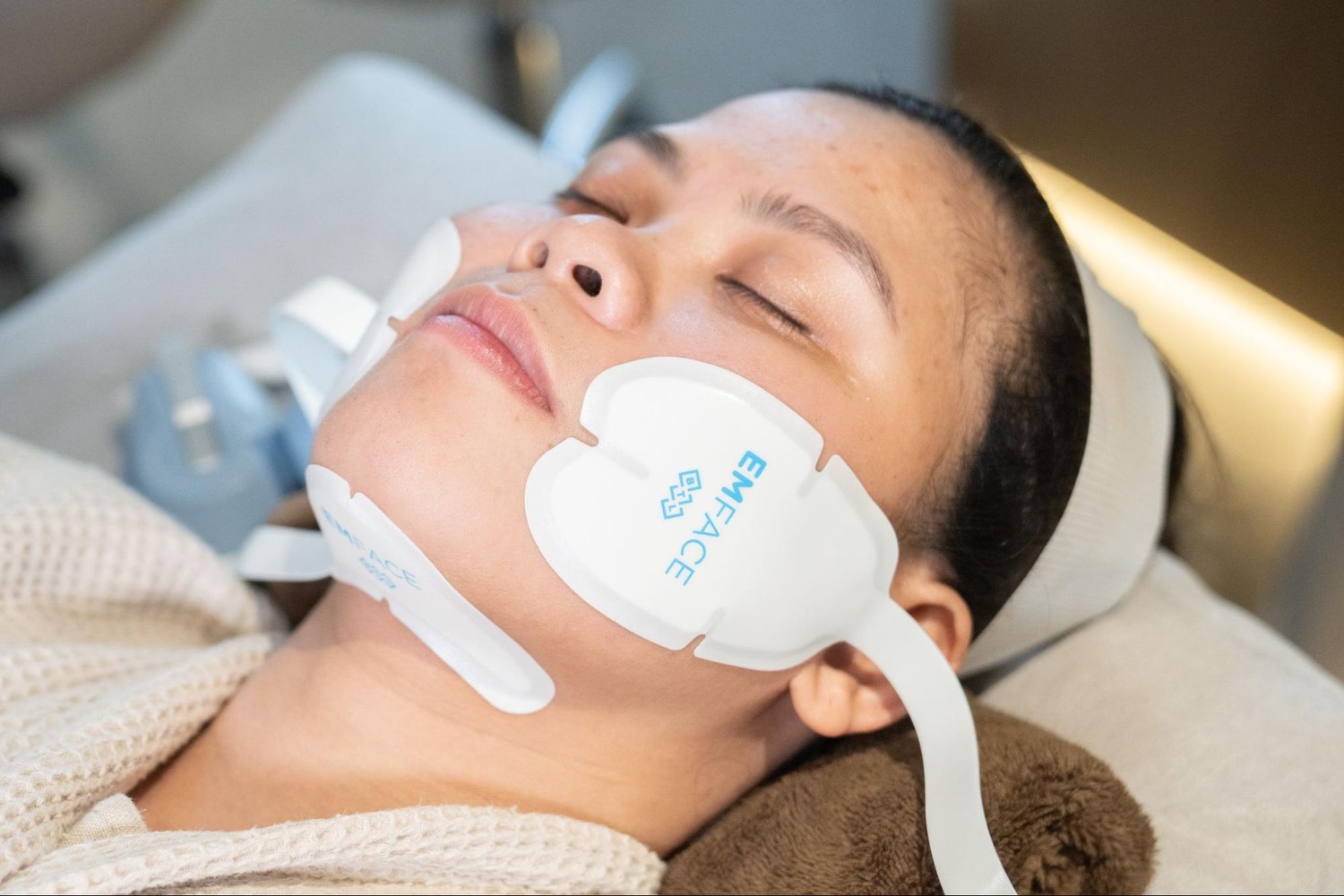
EMFACE is typically given in four 20-minute sessions, usually spaced about a week apart over a total of 2 to 4 weeks. Rather than a single session, it's built to gradually build up muscle and skin over multiple visits. During treatment, you'll feel the face tighten and the muscles twitch a little, but pain levels tend to be low. In the Thailand study, pain scores dropped from 3.5 at the first session to 1.6 by the fourth, getting more comfortable with each visit.
It tends to suit people with early to moderate sagging who are just starting to notice a loss of firmness, those who'd rather avoid needles and downtime, and anyone who wants to address facial muscle tone alongside skin quality. Being able to wash your face and apply makeup right after the session is another practical advantage.
That said, the results aren't permanent. Muscles weaken again once they stop being worked, and aging continues regardless. So it makes sense to think of this as something you maintain with repeat sessions at intervals. Keeping up with basics like sunscreen and moisturizing alongside it can help the results last a bit longer. EMFACE is a good fit for anyone who wants to work on muscle and skin together without needles, and keep a naturally youthful look over time.
Was this helpful?
About this article
Written by a practising aesthetic physician and intended for general education — not a substitute for individual medical advice.
Read next
Ultherapy Prime and Original Ultherapy: Differences and Effect Compared
A closer look at how Ultherapy Prime differs from the original Ultherapy, covering the transducer, treatment depths, real-time imaging, pain, and number of sessions from a clinical perspective. The core principle, focused ultrasound lifting the SMAS layer, stays the same, but the imaging and treatment speed have changed. We also cover real clinical numbers showing improvement in brow lift, neck, and jawline.
By Dr. Kim
10THERMA Lifting: Effect and Pain, and How It Differs From Thermage
A look at what 10THERMA actually is, how it compares to Thermage as a monopolar RF device, what dedicated clinical evidence shows, how much it hurts, and who it suits best.
By Dr. Kim

Trapezius Botox Effect and Duration, Including Side Effects and Who It Suits
Trapezius Botox, known as Bobby Botox, relaxes the muscle at the top of the shoulders to make the neck look longer and the shoulder line smoother. Here is an easy, research backed look at how it slims the shoulders, how long results last, whether shoulder weakness or other side effects show up, and who makes the best candidate.
By Dr. Kim