Trapezius Botox Effect and Duration, Including Side Effects and Who It Suits
By Dr. Kim8 min read
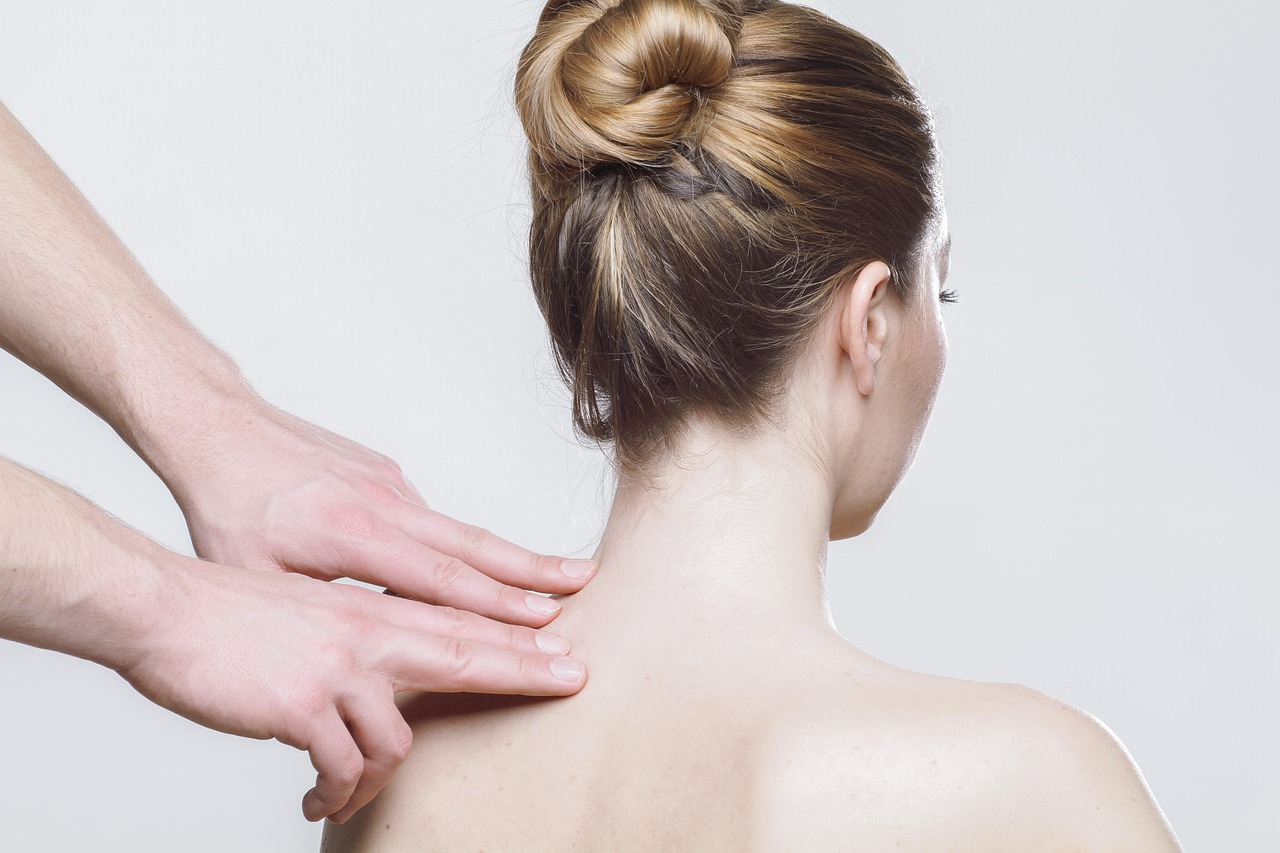
When the muscle where the neck meets the shoulders sits high and rounded, the shoulders can look narrow and boxy. A trapezius that is overdeveloped or tight from tension makes the neck look shorter and throws off the way clothes fit. Trapezius Botox relaxes that rounded muscle so the neck appears longer and the shoulder line looks smoother. Because the result resembles the slim, sloped shoulders of a Barbie doll, it is often called Bobby Botox.
The principle is the same as masseter Botox for a slimmer jawline: relaxing a muscle to shrink its bulk. The trapezius, though, also lifts the shoulders and helps hold posture, so dose and placement matter more here. Below is a research based look at what trapezius Botox actually is, how it slims the shoulders, how long the effect lasts, what side effects to expect, and who is the best fit.
What Kind of Treatment Is Trapezius Botox?
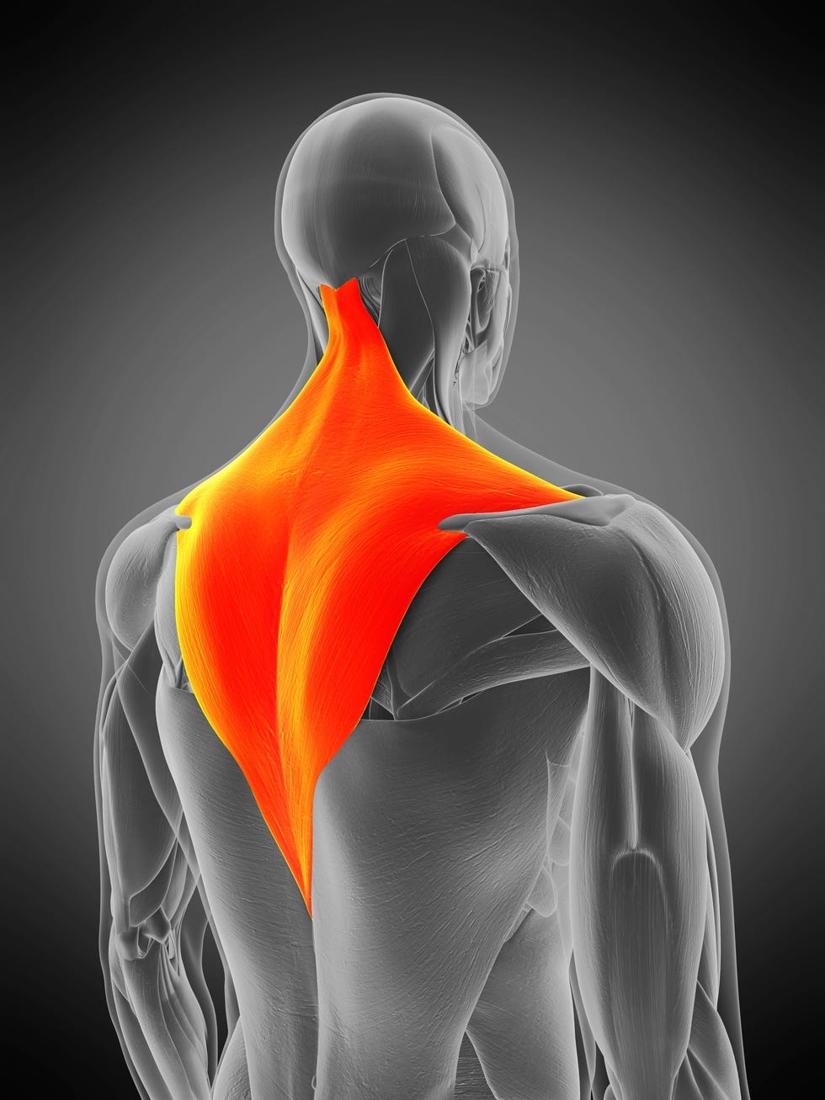
The trapezius is a broad, diamond shaped muscle that spans from the back of the neck across the shoulders and into the upper back. When the upper trapezius, the part where the neck meets the shoulders, sits high and rounded, the shoulders look narrower and the neck looks shorter. Trapezius Botox injects botulinum toxin into that upper portion, relaxing the muscle so its volume gradually shrinks over time.
Most of the time, a prominent trapezius comes down to the muscle itself. Forward head posture, rounded shoulders, a habit of tensing the shoulders, and stress related tightness all cause the upper trapezius to bulk up and stay tight. That kind of muscle driven volume tends to respond well to Botox.
Because it makes the neck look longer and smooths the line from shoulder to arm, English speakers often nickname it Bobby Botox or trap Botox, a nod to the slender, doll like shoulders it creates.
How Does Botox Slim the Shoulders?
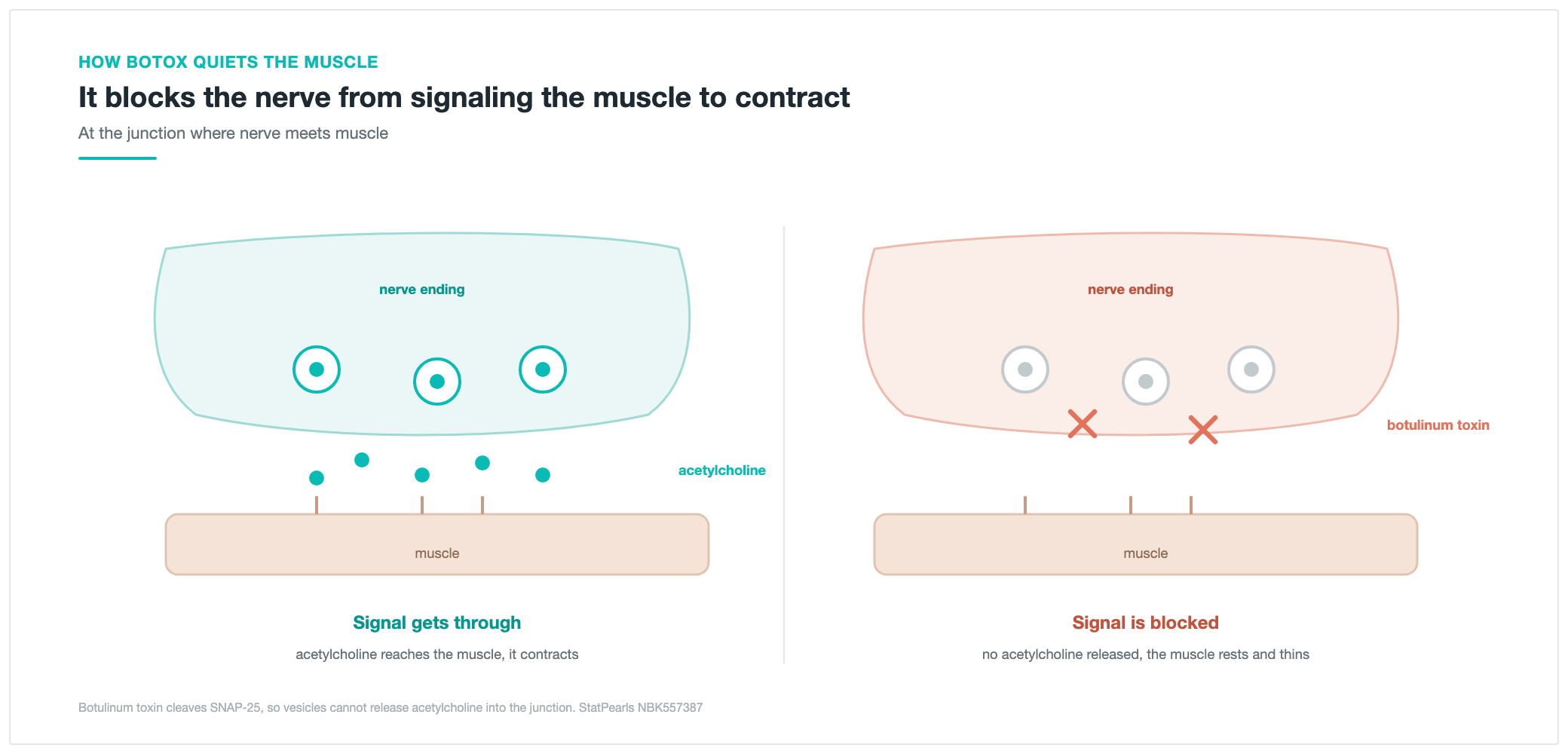
The process by which Botox shrinks a muscle starts where nerve and muscle meet. Nerves normally release a signaling chemical called acetylcholine to trigger muscle contraction. Botulinum toxin blocks the release of that signal, so the nerve can no longer tell the muscle to contract.
Once that signal is cut off, the muscle can no longer contract and simply rests. Just as an unused muscle thins over time, the upper trapezius gradually atrophies and loses volume. That is how the rounded bulge flattens out and the shoulder line becomes smoother.
This is exactly the same process as masseter Botox for a slimmer jawline. Just as relaxing the chewing muscle shrinks the jaw, relaxing the shoulder muscle shrinks the trapezius. Because the muscle needs time to atrophy, the volume reduction is not immediate and instead becomes visible gradually over several weeks. It is worth knowing that the effect is not permanent. Over time, nerve signaling recovers, the muscle regains its strength, and the volume returns, which means repeat treatments are needed to keep the result. On the flip side, it also means that any side effects fade as the effect wears off.
Thickness Change on Ultrasound and Satisfaction
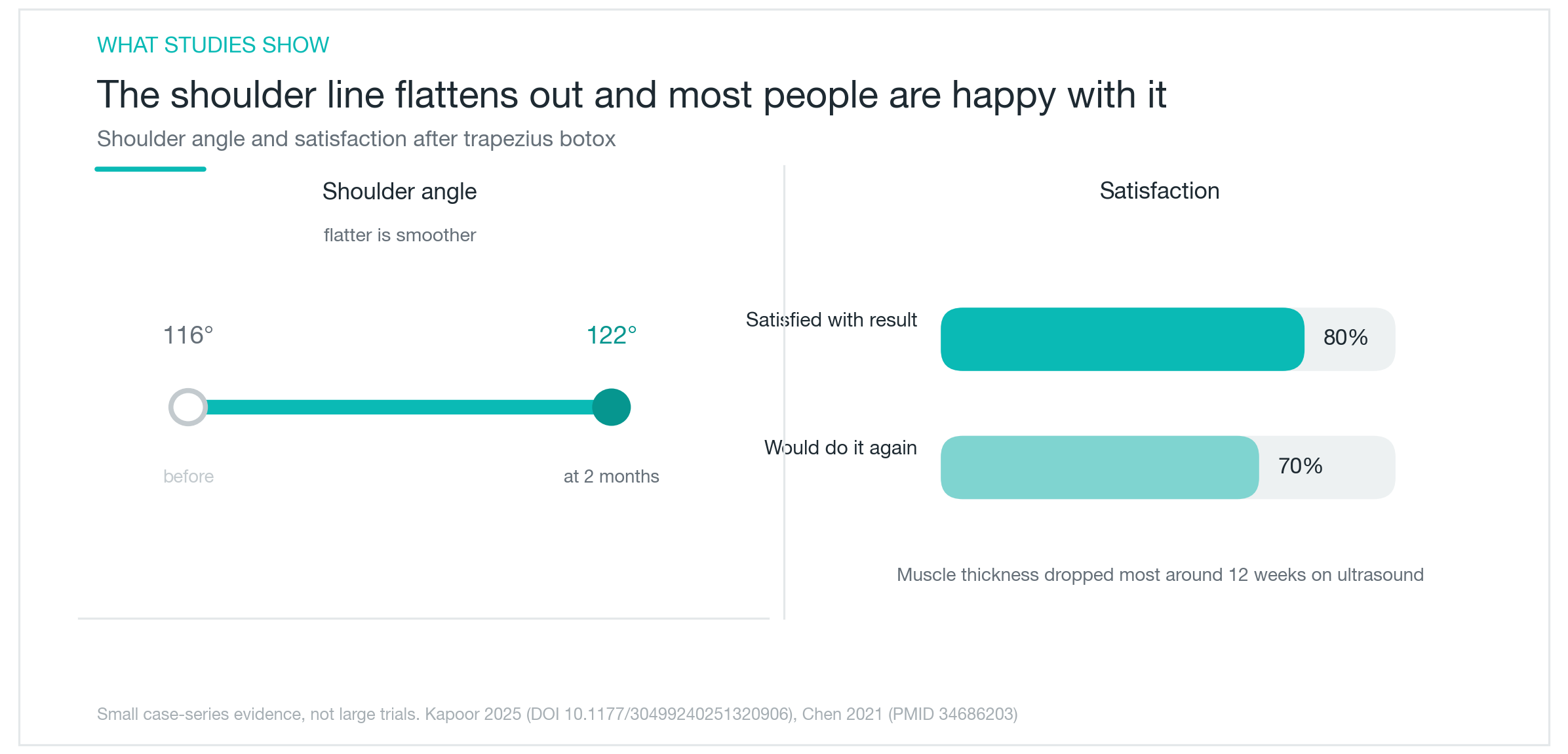
Clinical studies back up the effect. A review that pooled several studies on trapezius Botox found that every participant showed some improvement in the shoulder line, even if the degree varied. In one study using 50 units per side, the elevated shoulder angle eased from 116 to 122 degrees at the two month mark, meaning the peak flattened and the shoulder came closer to level.
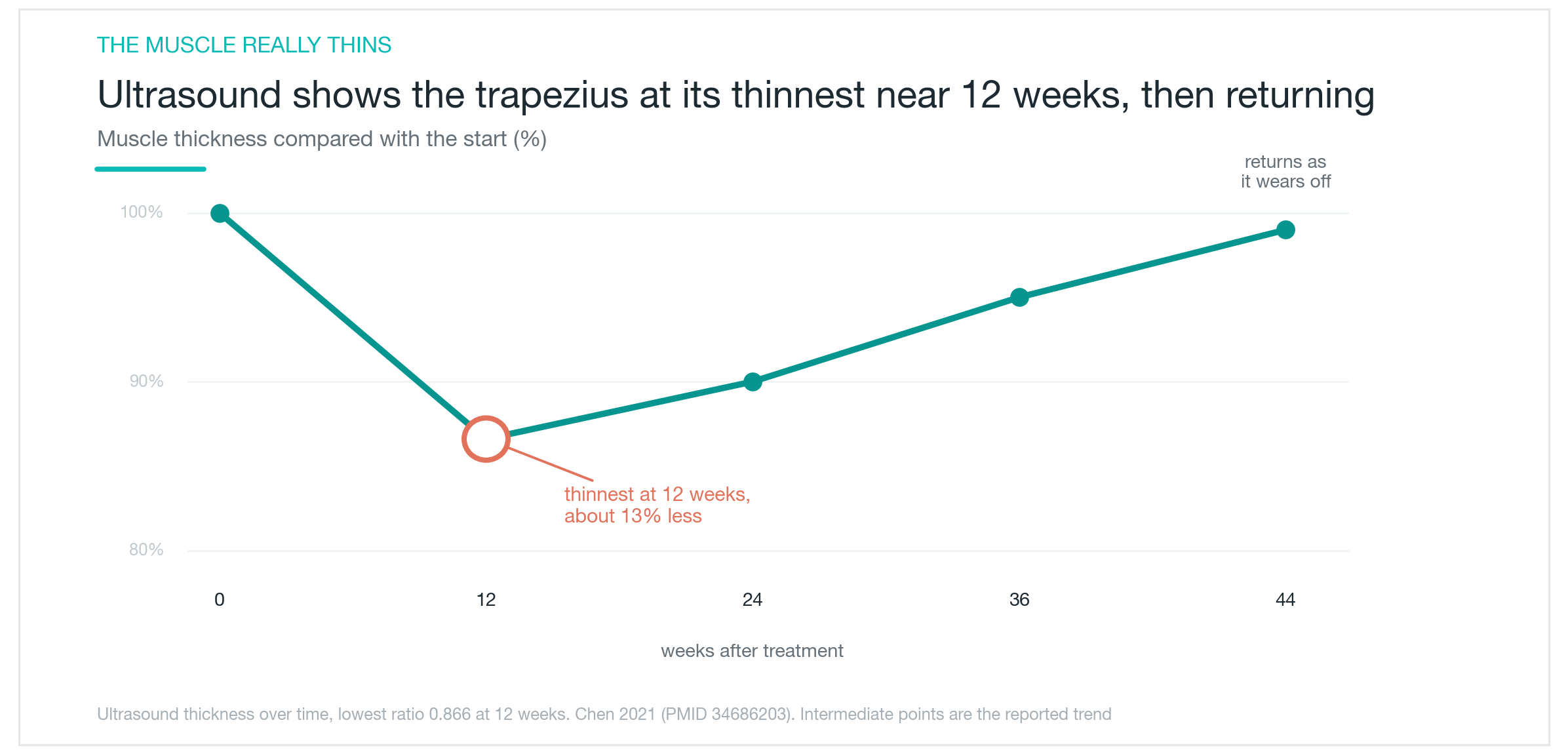
Another study measured muscle thickness with ultrasound. In 20 women with a developed trapezius on both sides, a total of 100 units produced a clear reduction in muscle thickness at multiple points after treatment, peaking around week 12 with about a 13 percent decrease from baseline. After that, thickness gradually returned as the effect wore off. Satisfaction was high too, with most participants rating the result as very satisfied or fairly satisfied. Other studies have reported satisfaction around 80 percent and roughly 70 percent willingness to repeat the treatment.
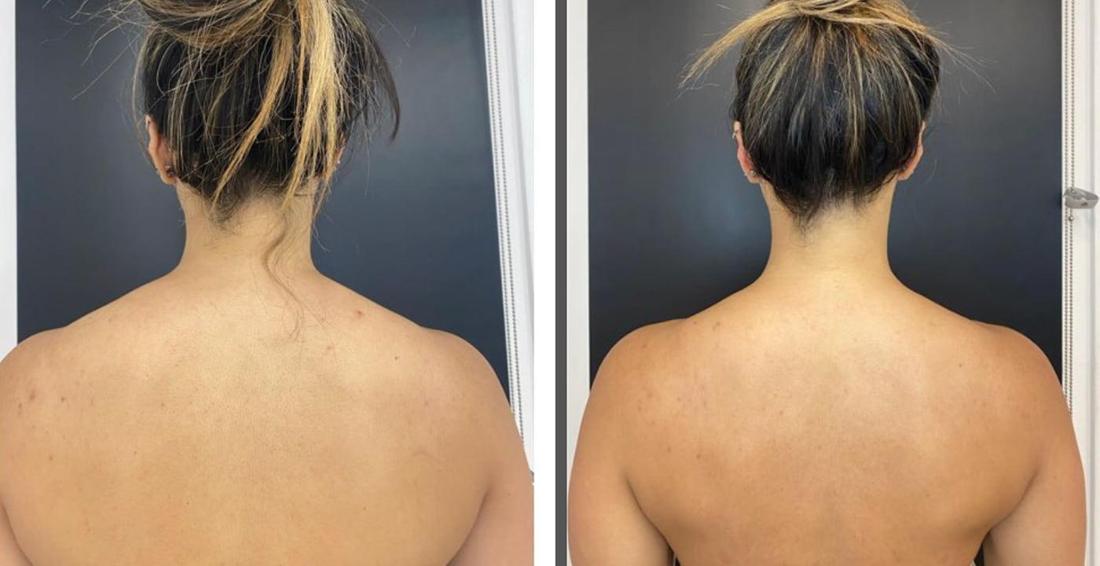
To be fair, most of these studies are small case series, and larger, well designed trials are still limited. Even so, the direction is consistent across studies: shoulder volume goes down and satisfaction runs high. Some people also notice their shoulder tension easing, though pain relief results are mixed across studies, so tension relief seems to vary from person to person.

How Are Dose and Injection Sites Decided?
Dosing varies slightly from study to study. Reported amounts run roughly 20 to 50 units per side, or 50 to 100 units total for both sides, typically split across five to ten injection points per side. There is no single standardized dose yet, so the amount is adjusted based on how developed the muscle is and what results the patient is hoping for.
Placement matters even more than dose. Anatomical studies show that if you draw a line from the bony prominence at the base of the skull to the tip of the shoulder, the points where nerve meets muscle cluster most densely in the 60 to 80 percent segment of that line. Injecting within this zone is what makes the treatment both effective and safe.
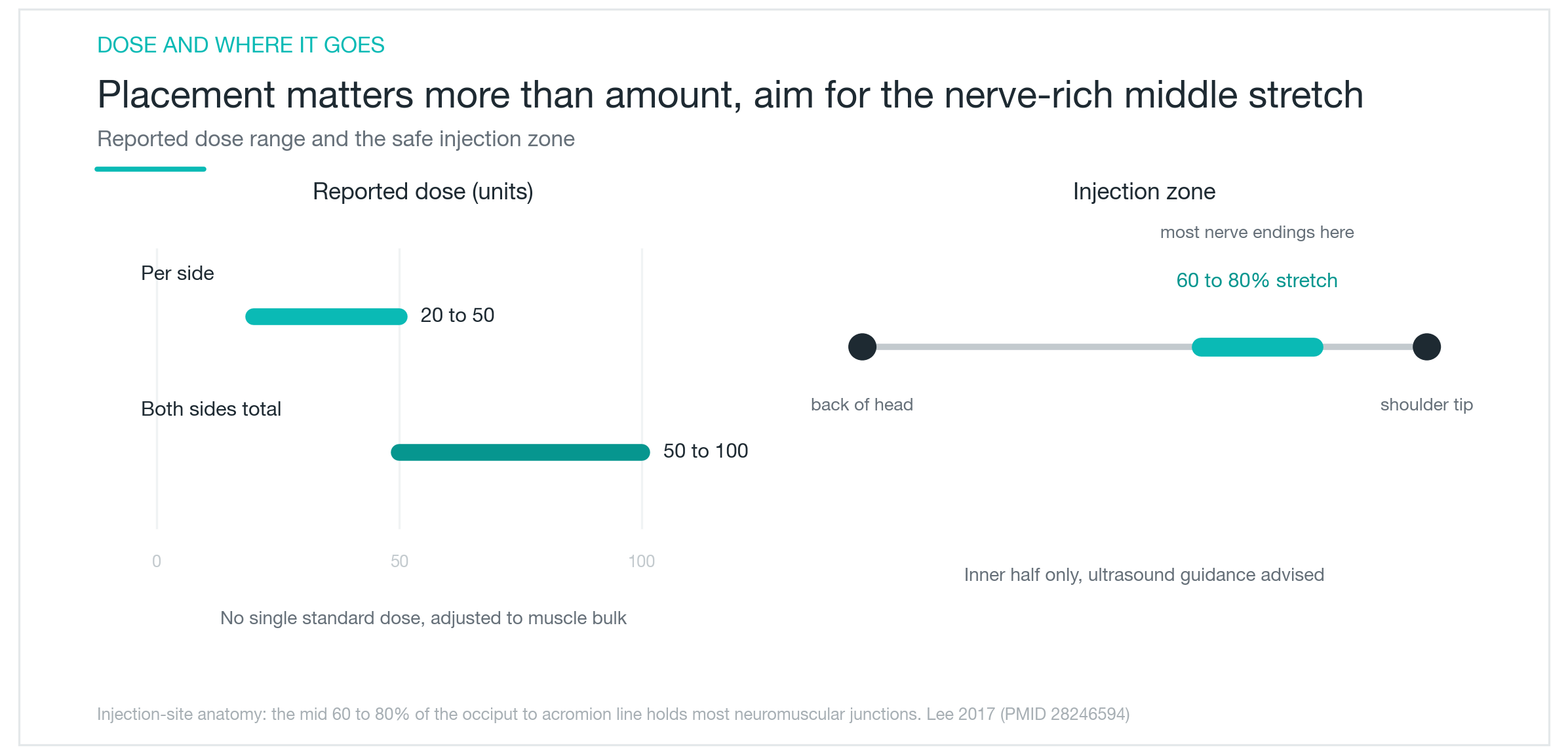
Injections are also generally kept toward the medial trapezius and away from the lateral edge, since an important nerve that moves the shoulder runs deep on that outer side. Depth matters just as much. Going too deep can reach other muscles or nerves underneath, so the injection needs to stay precisely within the trapezius layer. Using ultrasound guidance to confirm the exact position and depth is recommended. In the end, precise placement matters more than the total dose for both results and safety, so it is worth choosing a clinic with a solid understanding of trapezius anatomy.
When It Starts, How Long It Lasts, and Side Effects
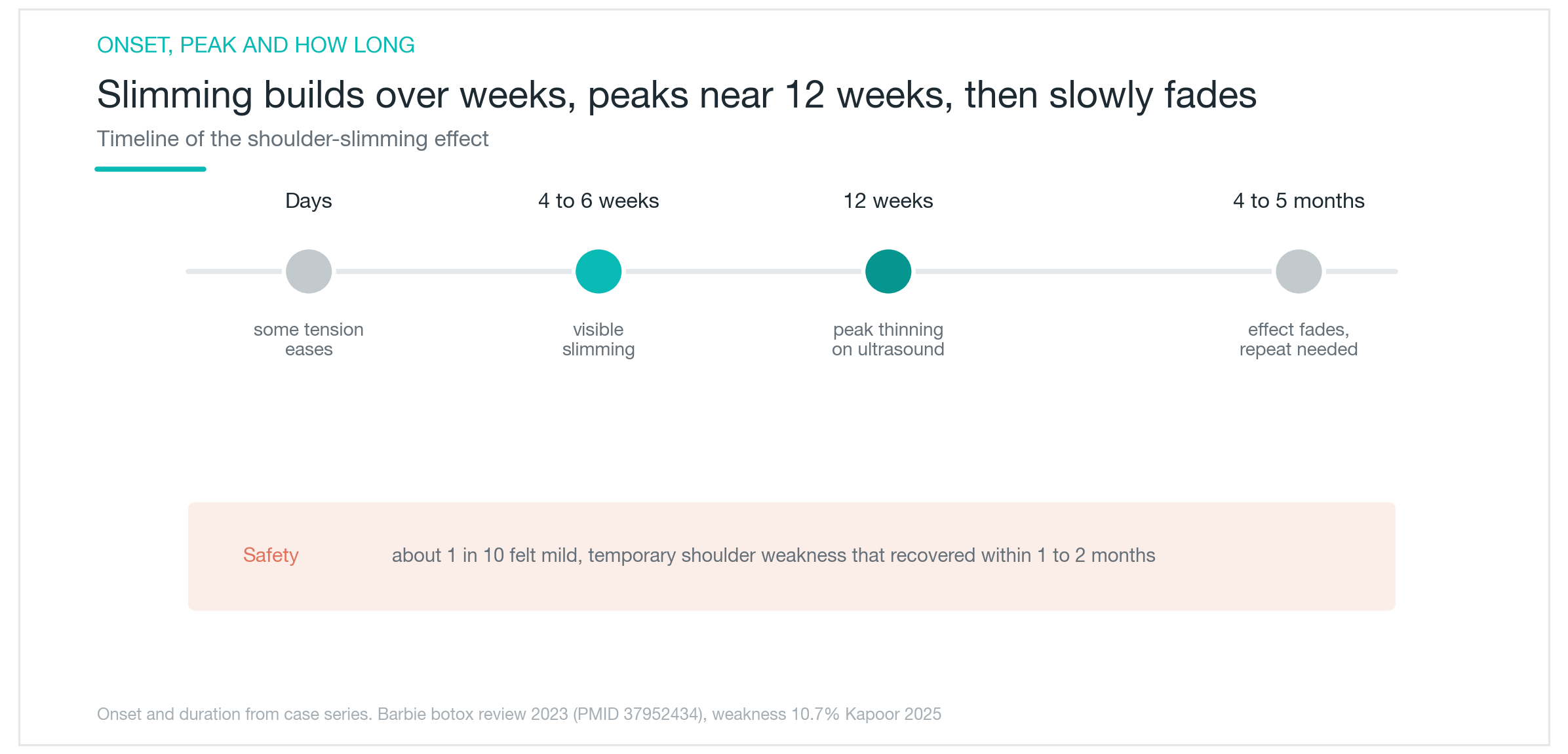
Given the nature of this muscle, results tend to show up gradually. Some people notice their shoulder tension ease within a few days, but a visible slimming of the shoulder line takes roughly 4 to 6 weeks to appear. Muscle thickness reaches its lowest point around week 12. The effect is generally reported to last about 4 to 5 months.
Most side effects are mild and temporary. Pooled data across studies shows about one in ten people experienced mild shoulder weakness within the first few days after treatment, which typically resolved within a month or two. Beyond that, the only other effects were brief injection site pain or bruising that settled on its own, with no serious or permanent problems reported.
That said, an excessive dose changes the picture. Since the trapezius helps lift the shoulders and carry heavy loads, too much toxin can leave the shoulders feeling weak or make lifting uncomfortable. Rather than maximizing the dose to chase a bigger effect, it is safer to use a moderate amount placed precisely. Both the cosmetic effect and any side effects fade over time, but since reversing an overdone result can take months, it is better to start conservatively.
Which Shoulders Suit It Best?
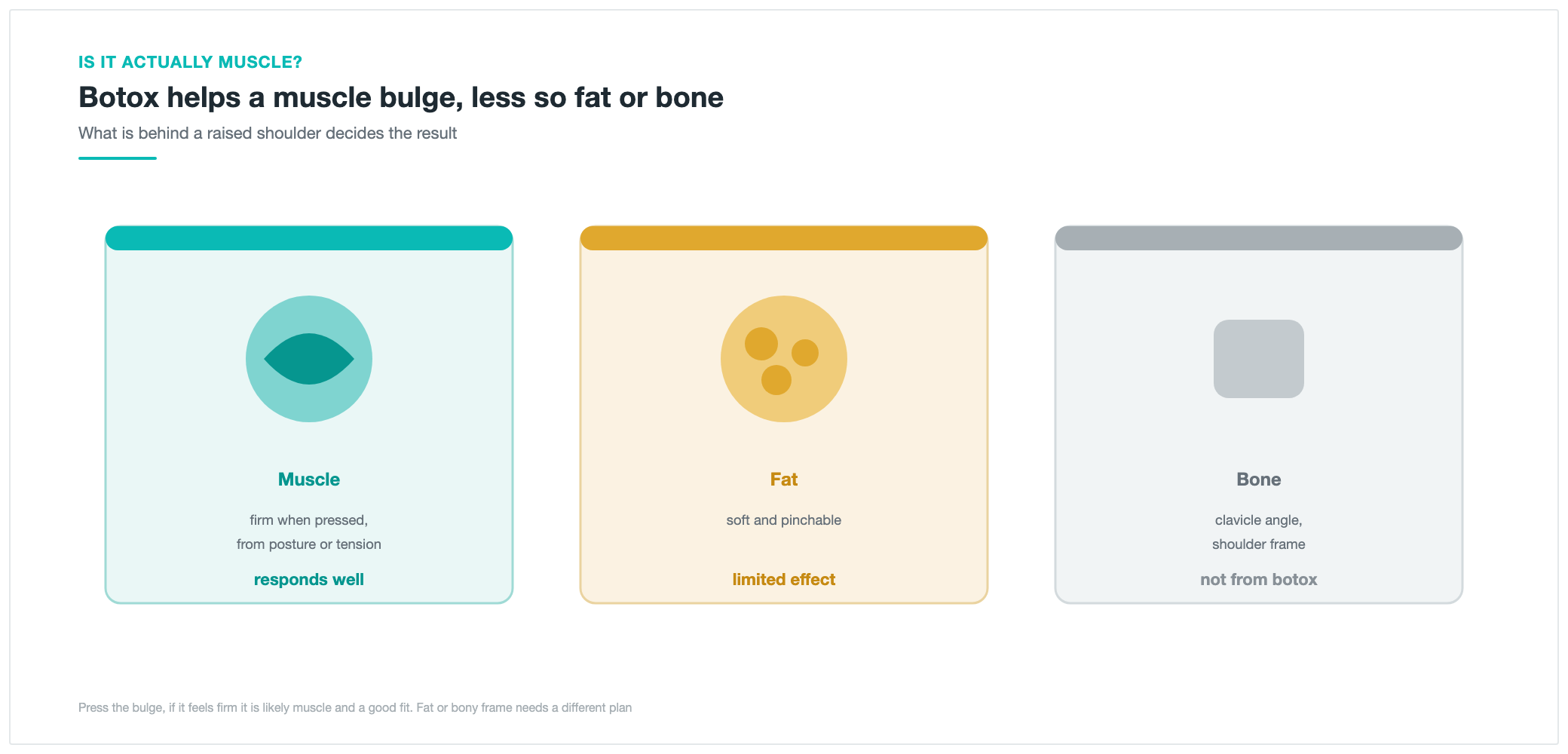
Trapezius Botox works best for people whose shoulder bulk comes from the muscle itself. If the upper trapezius has bulked up and rounded due to posture or chronic tension, it tends to respond well and the shoulder line smooths out nicely. It is especially well suited to people whose shoulders stay tight from forward head posture or rounded shoulders.
On the other hand, if broad looking shoulders are actually due to fat or bone structure, such as the angle of the collarbone or the shape of the shoulder blade itself, Botox is unlikely to make a noticeable difference. It helps to first figure out whether the shoulder bulge is really muscular. If the area feels firm when pressed, it is likely muscle driven.
Pairing the treatment with posture care helps the result last longer. If poor posture is the underlying cause, the muscle can tighten and bulk back up even after Botox reduces its volume. Stretching, posture correction, and simply getting into the habit of relaxing the shoulders all help the effect last longer and lower the chance of it coming back. For anyone who sits at a screen for long hours, taking a few moments to loosen the shoulders throughout the day makes a real difference. In the end, the best combination is precise, moderate dosing of Botox for muscle driven volume alongside ongoing posture care.
Was this helpful?
About this article
Written by a practising aesthetic physician and intended for general education — not a substitute for individual medical advice.
Read next
Gummy Smile Botox Effects, Duration, and Side Effects
A gummy smile happens when your gums show more than usual as you smile, and an overactive lip-lifting muscle is one of the most common causes. Botox works by slightly reducing the strength of that muscle so your lip doesn't rise as high when you laugh. Here's how to tell whether muscle is really the cause, plus how long the results tend to last.
By Dr. Lee
Lip Flip Botox Effects, Duration, and Precautions
Lip flip Botox uses a tiny dose of Botox, no filler at all, to make the upper lip look slightly fuller. It works by softening the muscle around the mouth so the lip naturally curls outward a bit more. Here is why the effect fades quickly and who tends to suit it best.
By Dr. Kim

Lip Filler Effects and Duration, Including Lumps and Side Effects
A close look at lip filler results, how long they last, and side effects like lumping and asymmetry, plus which filler formula suits a part of the face that moves as much as the lips. We cover the science behind restoring the Cupid's bow and lip corners, the trend toward smaller volumes, and vascular complication safety with hyaluronidase, all backed by real study numbers.
By Dr. Lee