Lip Filler Effects and Duration, Including Lumps and Side Effects
By Dr. Lee7 min read

The lips are often the first place a face shows expression. When you smile or speak, eyes naturally gravitate toward the mouth, so the shape of the lips alone can change the whole impression a face gives. Lately, the trend has shifted away from dramatically plumping the lips and toward gently enhancing the lines that are already there. Filler is used just enough to sharpen the Cupid's bow, the peaked shape at the center of the upper lip, and to lift lip corners that have started to droop. Here is what the real research says about how lip filler creates these changes, why soft formulas are used, how well the results and side effects have actually been documented, and how safety concerns like vascular complications are managed.
How do you shape the Cupid's bow and mouth corners?
Look at the center of the upper lip and you'll see two gently folded peaks. That shape is called the Cupid's bow, named for its resemblance to an archer's bow. Think of the two bumps at the top of a heart shape and you'll get the idea right away. The sharper this line looks, the fresher and more three-dimensional the lips appear.
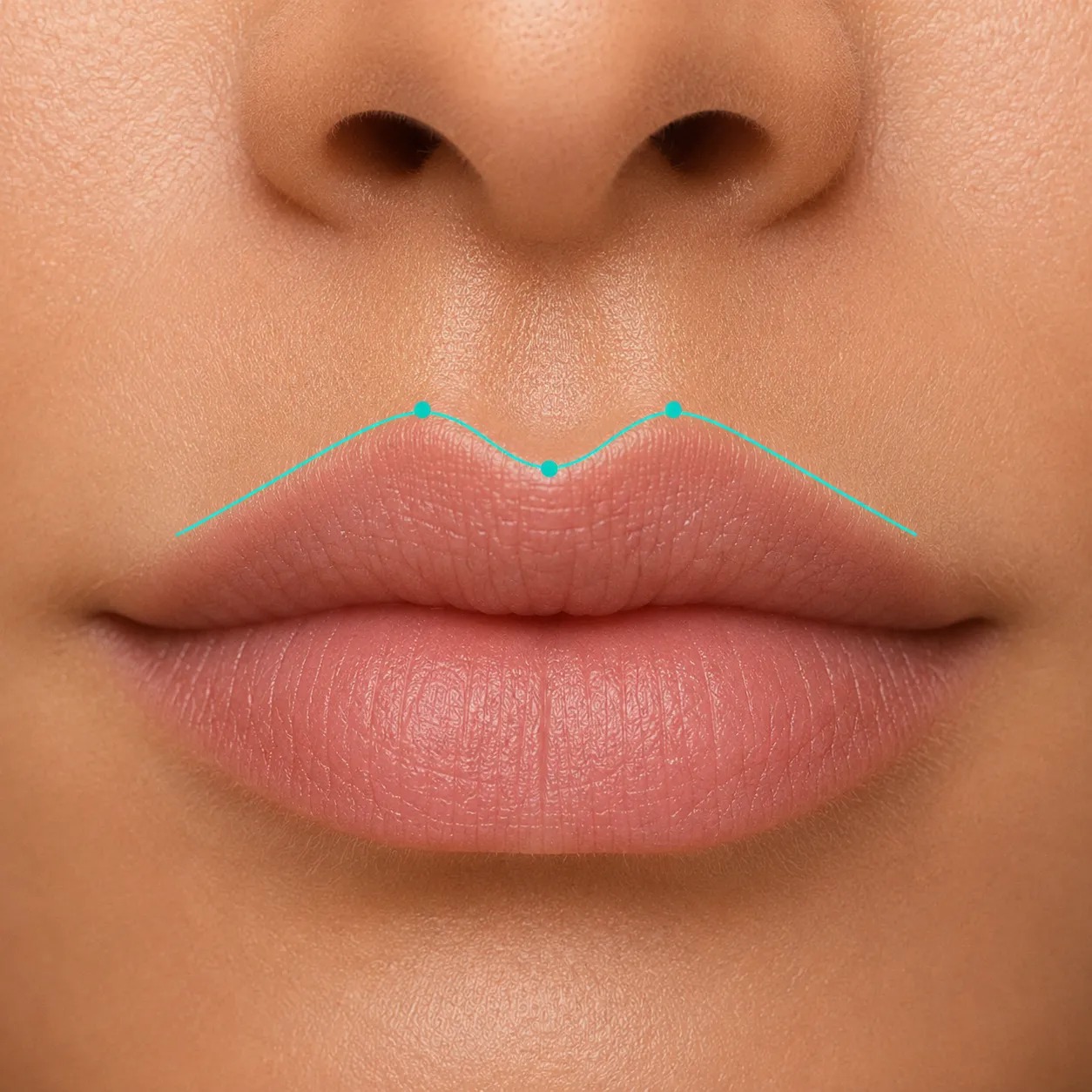
With age, or if the line was never very defined, these peaks can look flat. The same goes for the lip corners: when volume is lost there, they tend to droop and give a tired impression. Lip filler restores the line by placing small amounts at these two peaks and along the sides of the lip corners. Rather than plumping the whole lip, it fills in gradually along the contour that was already there.
Injection sites and amounts vary from person to person. If the lips are already full, only the peaks may be lightly defined; if they're thinner, a bit more overall volume is added. The key is finding the line that was already part of your face and building on it naturally.
Lip filler satisfaction and duration
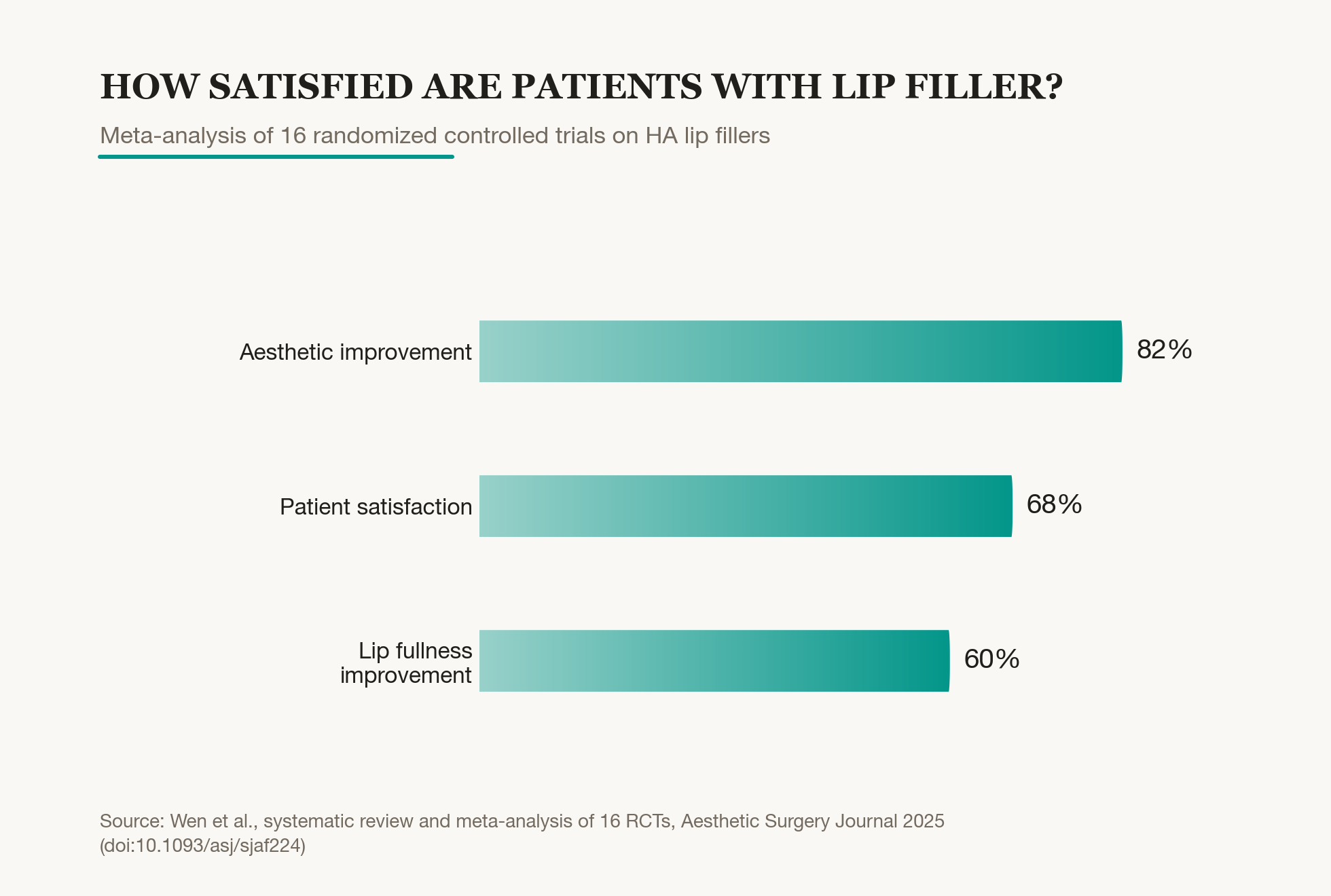
A meta-analysis pooled 16 randomized controlled trials on lip filler results. In this analysis, 60% of patients were assessed as having fuller lips, and 82% showed an overall aesthetic improvement when viewed from the profile or straight on. 68% of patients reported being personally satisfied with the outcome.
Other studies show a similar pattern. A randomized controlled trial comparing Restylane Kysse and Juvederm Volbella followed 280 people for 48 weeks, nearly a full year, and found that improvement in lip fullness stayed above 88% the entire time. In another observational study, satisfaction climbed to 94.1% at 4 weeks post-treatment, and more than half of patients still showed improvement at the 1-year mark.
These numbers make it easy to see why lip filler stays such a popular choice. That said, these results come from clinical trials performed by experienced injectors following a set protocol, so real-world outcomes can vary depending on the injector and individual factors.
Why use a soft gel for the lips?
Every filler has a different degree of firmness, measured by a value called G-prime. It shows how quickly a gel springs back to its original shape after being pressed, similar to the difference you'd feel pressing on a firm jelly versus a soft one. A high G-prime holds its shape like a firm jelly, while a low G-prime spreads softly like a loose one.
Areas like the chin, which need to stand in for bone support, call for firm, high G-prime fillers. But the lips are different. They're in nearly constant motion while you talk, smile, and make expressions. A firm filler placed there can feel like added pressure and is more likely to feel lumpy. That's why lip filler formulas use a low G-prime, keeping them soft and flexible.
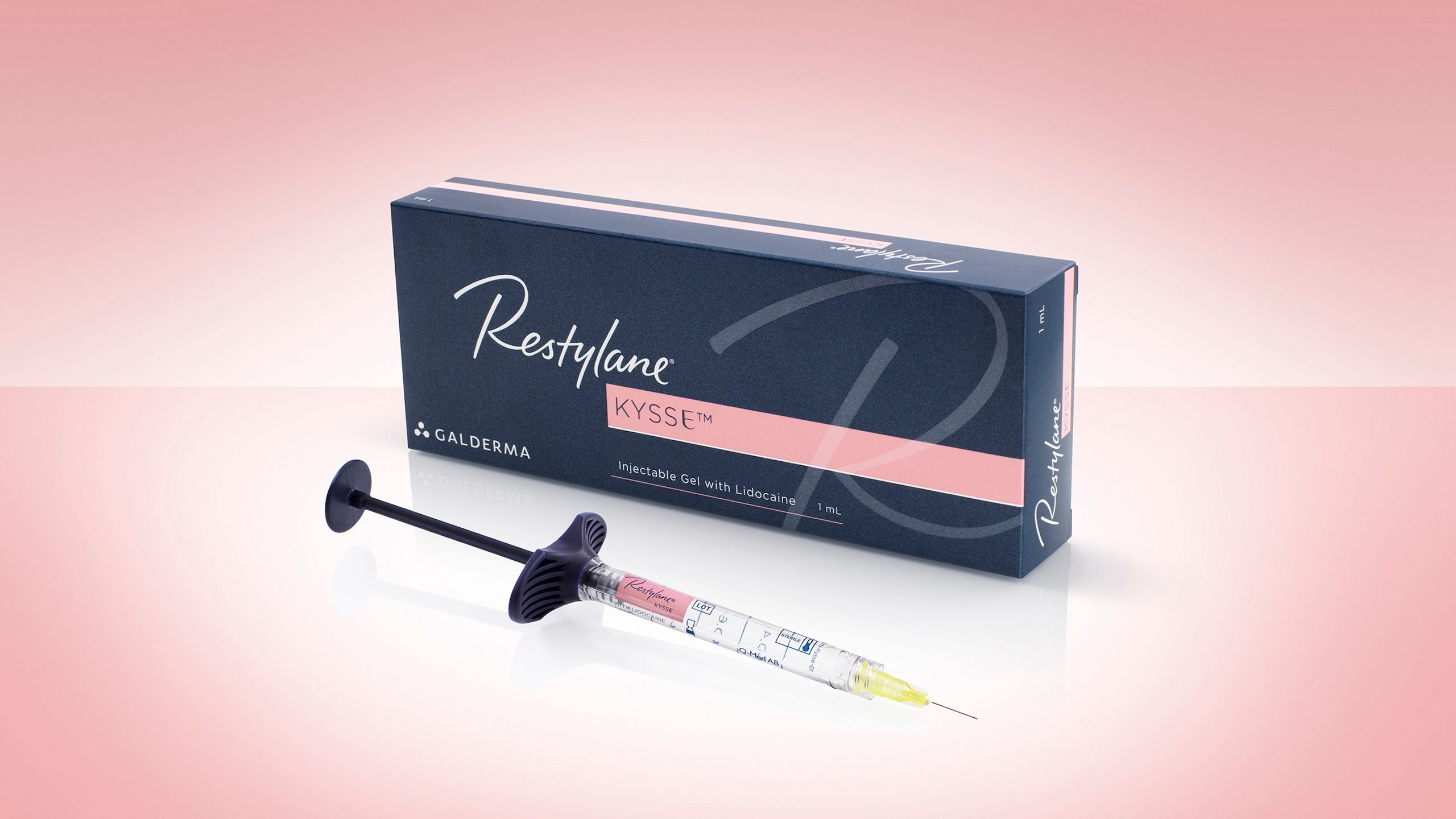
Most lip fillers on the market follow this same principle. Each product has a slightly different softness and best-suited area. The table below compares them.
| Product | Characteristics | Best For |
|---|---|---|
| Volbella | Very soft | Overall lip volume |
| Restylane Kysse | Flexible and bouncy | Lips that move a lot |
| Belotero Balance | Thin, blends smoothly | Cupid's bow line |
| Juvederm Ultra | Moderate volume | Fuller volume |
How often do lumps and asymmetry occur?
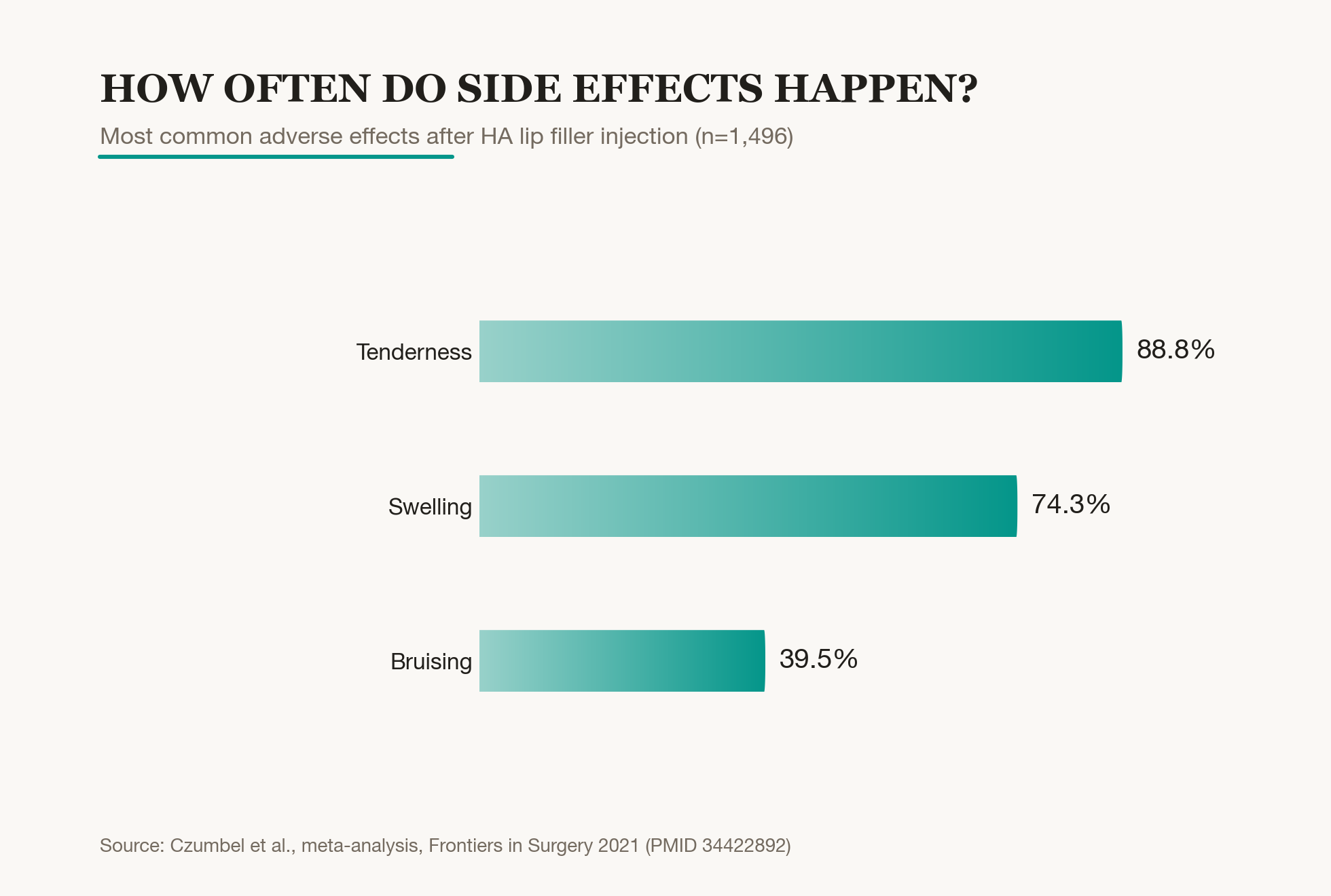
The most common reaction after lip filler is tenderness to touch. In a meta-analysis of 1,496 patients, tenderness occurred in 88.8%, swelling in 74.3%, and bruising in 39.5%. Those numbers might sound alarming, but they're mostly mild, localized reactions at the injection site that settle within a few days.
Lumps, or nodules, are far rarer. Granulomatous reactions, the palpable lumps you can actually feel, occurred in under 1% in the same analysis. Other comparative studies put nodule rates around 5-7%, and most resolve either on their own over time or with massage.
Asymmetry is one of the things people worry about most with lip filler. Most natural lips are already not perfectly symmetrical, so it helps to first check the degree of asymmetry against before photos. Because filler can be injected in small, precise amounts, if one side needs more, that side alone can be adjusted.
Starting with a small amount, half a syringe
Until a few years ago, dramatically plumped lips were the trend, with large amounts injected at once for volume that was obvious at a glance. The current trend looks different. Smaller amounts, injected just enough to enhance the existing lip line, are now more popular. This approach looks less obvious while still giving a defined, refreshed impression.
You can often see this pattern in real patient reviews. Many people describe starting with about half a syringe rather than a full amount, then adding more only where needed. Some say they liked waiting 2 to 3 days for swelling to settle before deciding whether to fill in a little more. It's also common to hear that the change was subtle enough that people meeting them for the first time didn't even notice anything had been done.
Injecting gradually also makes adjustments easier. Because less product is used, there's more room to fine-tune if you're not happy with the result, which makes it a lower-pressure option for first-timers. Deciding whether to add a bit more next time becomes an easy, low-stakes call. Building up gradually rather than going big all at once is the clear trend now, and it looks set to continue.
Can it be reversed if a vessel is blocked?
Blood vessels run densely around the lips. If filler accidentally enters a vessel, it can cause vascular occlusion, blocking blood flow to that area. The warning signs are fairly clear: if pain right after injection feels unusually severe, or the skin turns pale white or blotchy, you should tell your injector immediately.
Hyaluronidase is the medication used to treat this. It's an enzyme injection that dissolves hyaluronic acid, the main ingredient in lip filler, essentially erasing the filler the way an eraser removes a mistaken pencil line. This reversibility is one of the biggest reasons hyaluronic acid fillers are used in the first place.
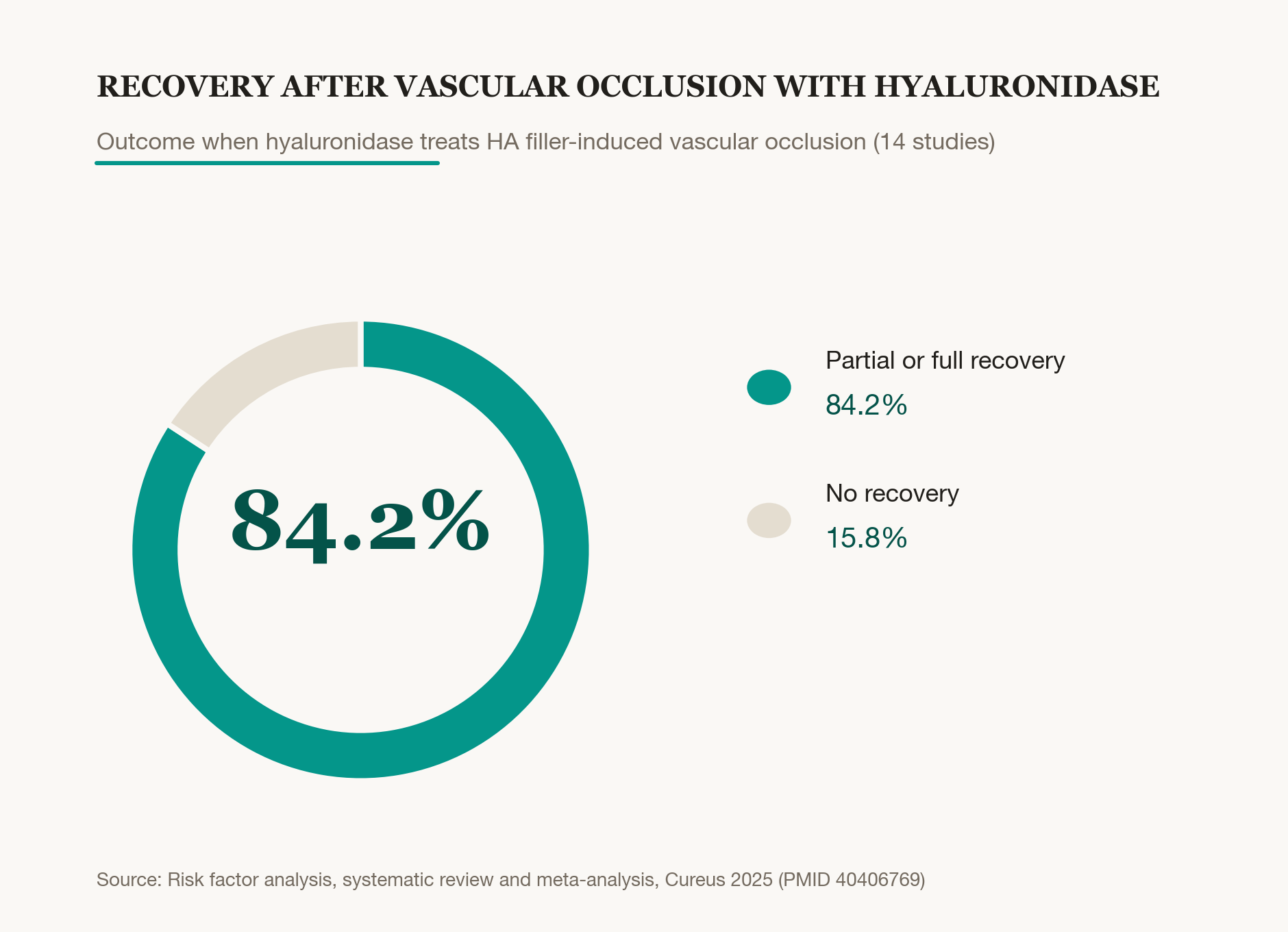
Real treatment outcomes back this up. In a study of 14 cases of filler-related vascular occlusion, 84.2% of those treated with hyaluronidase achieved partial or full recovery. Catching the problem early and responding right away is what matters most for recovery. Sticking to the basics, using sterile authentic filler and an experienced injector, already lowers this risk considerably.
Was this helpful?
About this article
Written by a practising aesthetic physician and intended for general education — not a substitute for individual medical advice.
Read next
Under-Eye Hollow Filler: Effect and Side Effects, and the Tyndall Effect to Watch
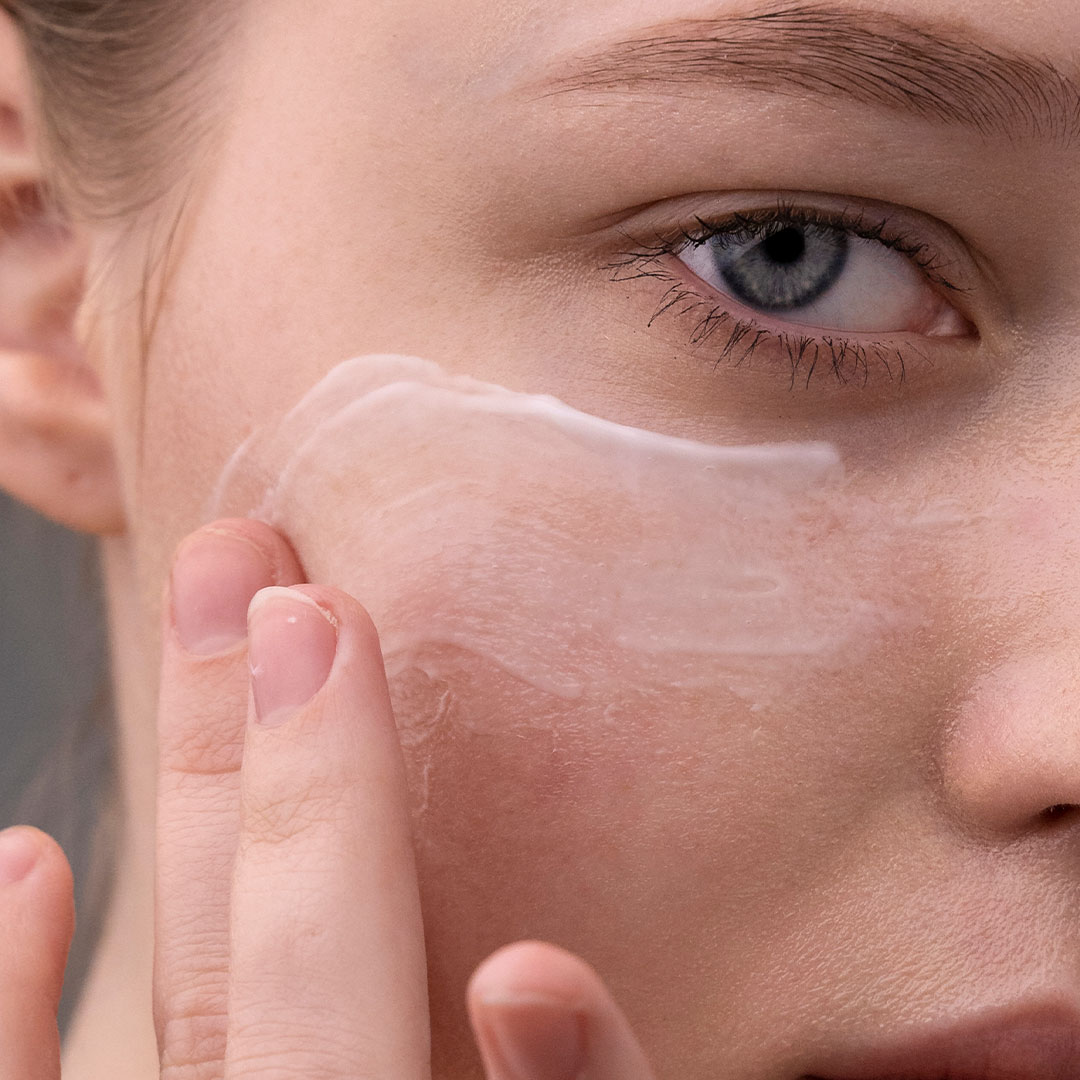
The dark, sunken look under the eyes often comes less from pigment than from hollowing and the shadow it casts. Here's how the tear trough ligament and lost volume under the eye create that shadow, how a soft hyaluronic acid filler placed shallowly and sparingly smooths it out, why thin skin and the bluish Tyndall effect make this area tricky, and how long results actually last, all backed by real published numbers.
By Dr. Kim
Lip Filler Duration and Side Effects, Including Aftercare
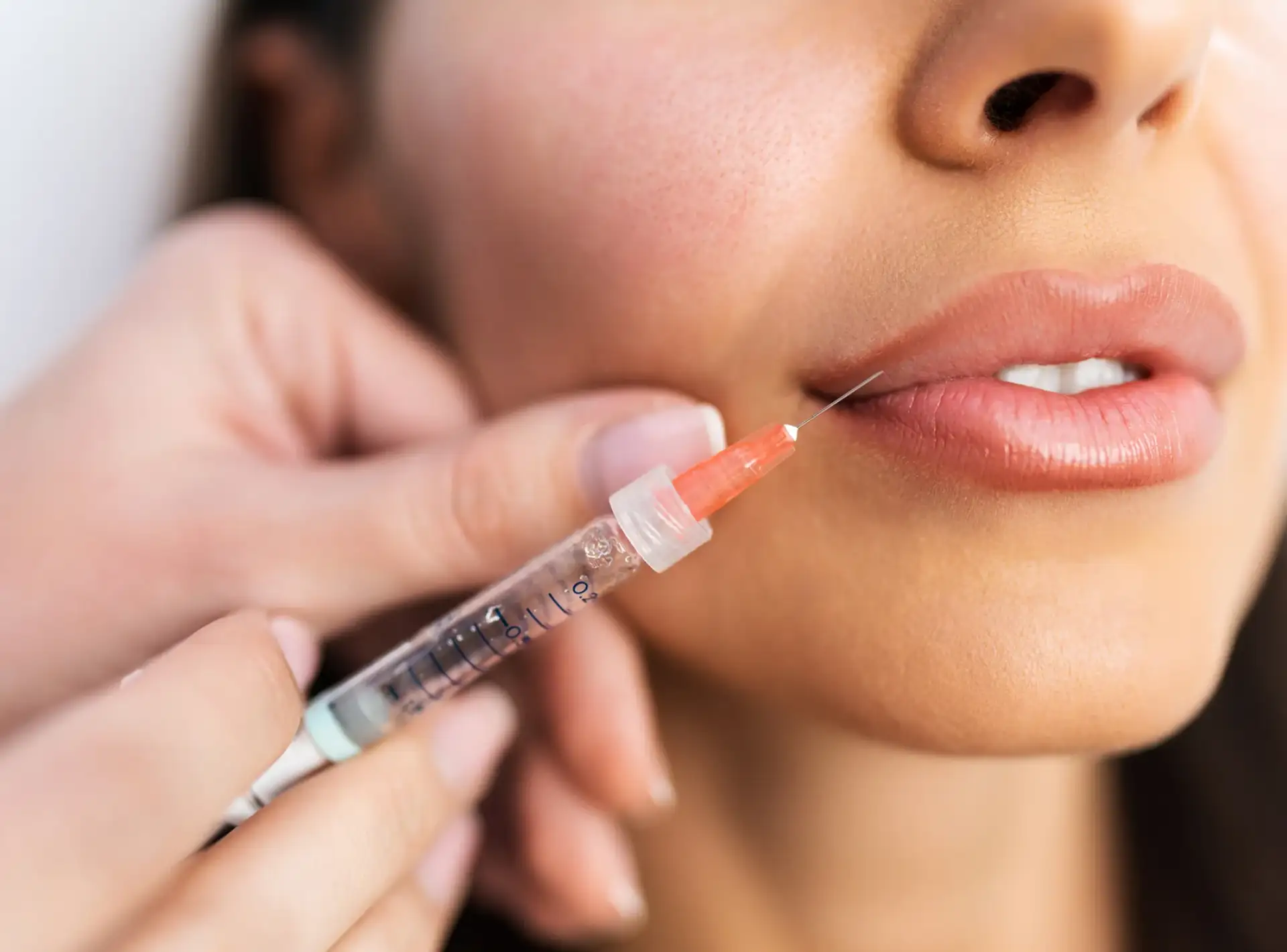
Lip volume filler works by drawing in water through hyaluronic acid as it settles into place. Because lips move more than other areas, how long results last and how recovery unfolds differ too. Here's a full rundown of the texture differences between filler types and how to care for results safely.
By Dr. Kim
Crow's Feet Botox: Effects, Duration and Dose
A clear look at how crow's feet Botox works. It eases the orbicularis oculi muscle that creases the outer eye corner when you smile, softening the lines it leaves behind. This guide covers the standard 24-unit dose split across both sides, where the injections go, when results show up, the roughly four-month duration, the limits for deep static wrinkles, and side effects, all backed by real clinical study numbers.
By Dr. Kim