Crow's Feet Botox: Effects, Duration and Dose
By Dr. Kim10 min read
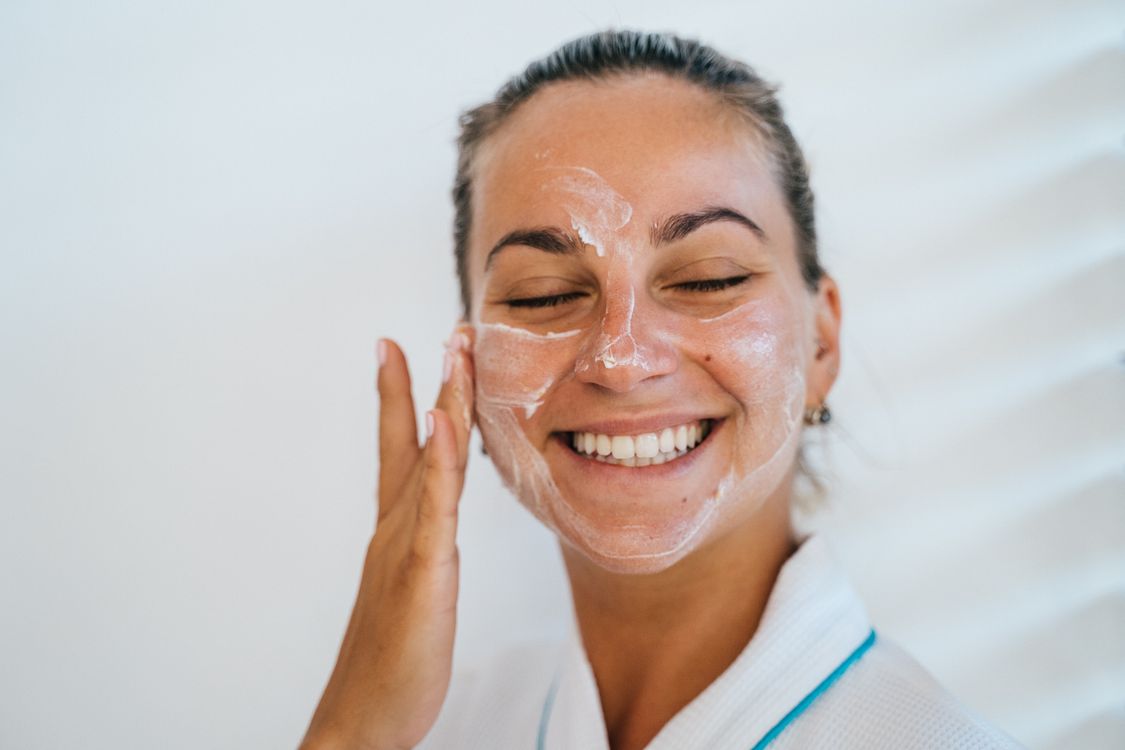
The fan of fine lines that fans out from the outer corner of the eye is what most people call crow's feet. They show up when you smile or squint, crinkling outward past the eye. Many people find these lines make them look more tired than they actually feel, closer to worn out than to their real age. Crow's feet Botox is one of the simpler ways to address them. It works by taking some of the strength out of the muscle that folds the skin there, so when you smile, the skin creases less and the lines sit shallower. The eye area is a sensitive one, though, and where the injections land and how much goes in make a real difference to the result. Here is how crow's feet form, how Botox smooths them out, where and how much gets injected, how long the effect lasts, and the side effects and precautions worth knowing, all grounded in real clinical study numbers.
Why do crow's feet form?
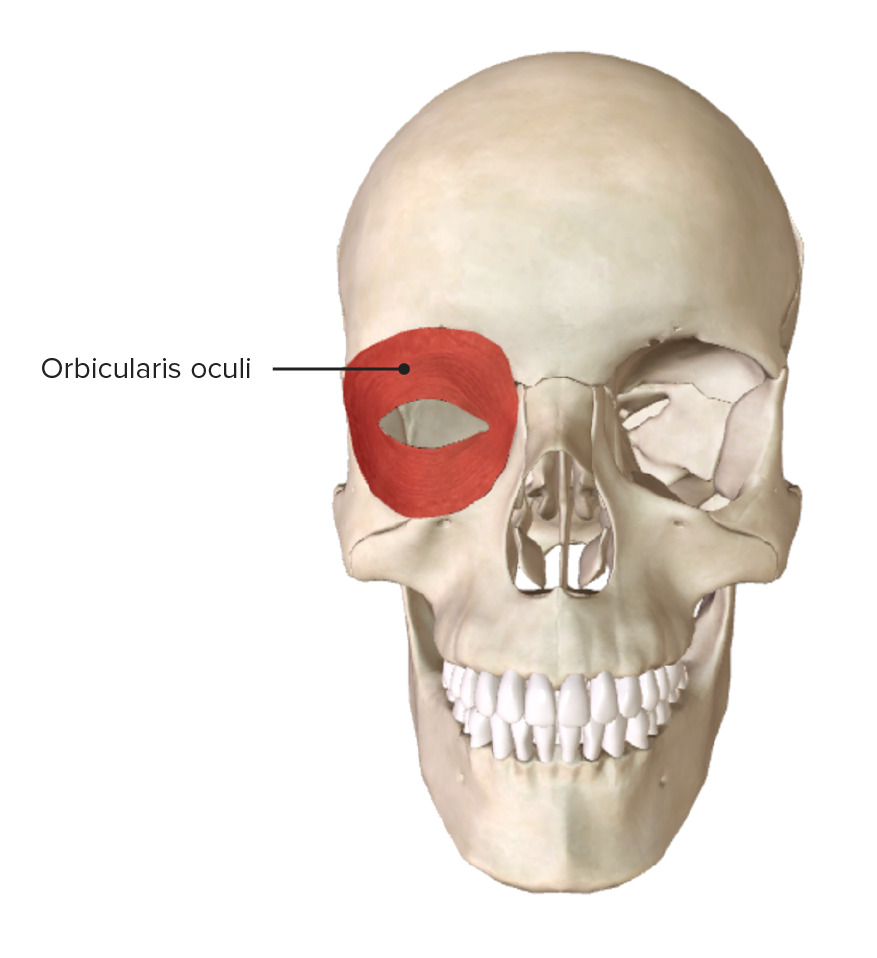
A ring-shaped muscle circles each eye and controls closing and blinking. It is called the orbicularis oculi. It is the muscle that shuts your eye and, at the same time, the one that tightens the outer eye corner when you smile. Every time you smile or squint, this muscle contracts and folds the skin past the outer corner into a fan shape. Repeat that fold enough times and it leaves a mark, which becomes crow's feet.
Skin aging adds to the picture. As the years go by, collagen and elastic fibers in the skin thin out and decline. The skin loses some of its own ability to spring back after a fold, so the crease lingers even after the smile fades. The skin around the eyes is already among the thinnest on the face, which is why lines tend to show up there before anywhere else. UV exposure breaks down elastic fibers too, speeding the whole process along.
Crow's feet generally fall into two categories. One is dynamic, showing up only when you smile. The other is static, staying visible even at rest. Dynamic lines come mainly from muscle movement, so Botox responds well to them. Static lines, the ones already etched into thinned and damaged skin, are a different story, since relaxing the muscle alone has its limits there. Before treatment, it helps to figure out which type your own lines lean toward.
How does Botox reduce crow's feet?
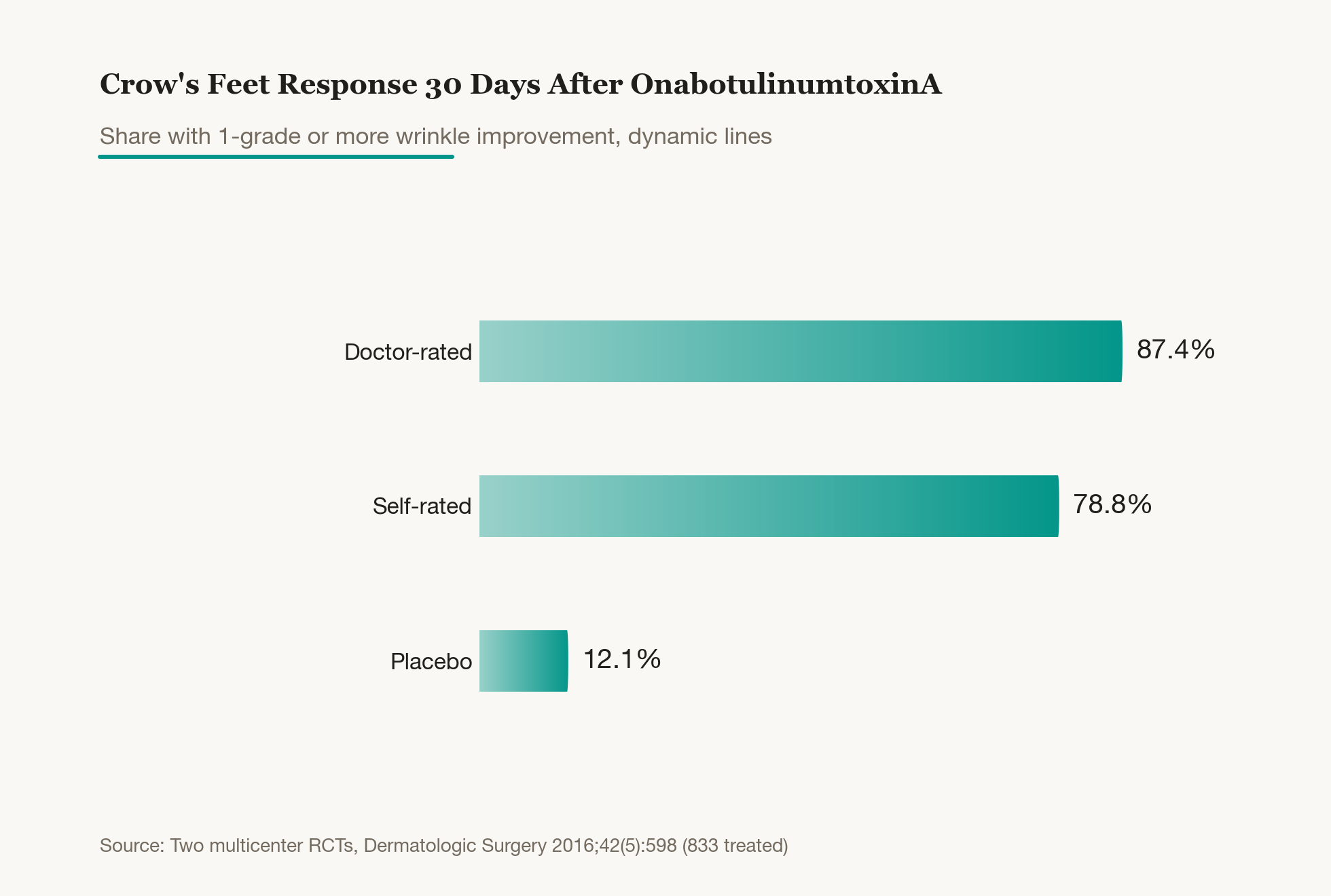
Botox does not physically flatten a wrinkle. It works by easing the strength of the orbicularis oculi, the muscle that creates the fold in the first place. Botulinum toxin blocks the signal traveling from nerve ending to muscle, which weakens that muscle's contraction. With less force pulling the outer eye corner tight when you smile, the skin folds less, and the wrinkle sits shallower. Fewer folds over time means less of a mark left behind.
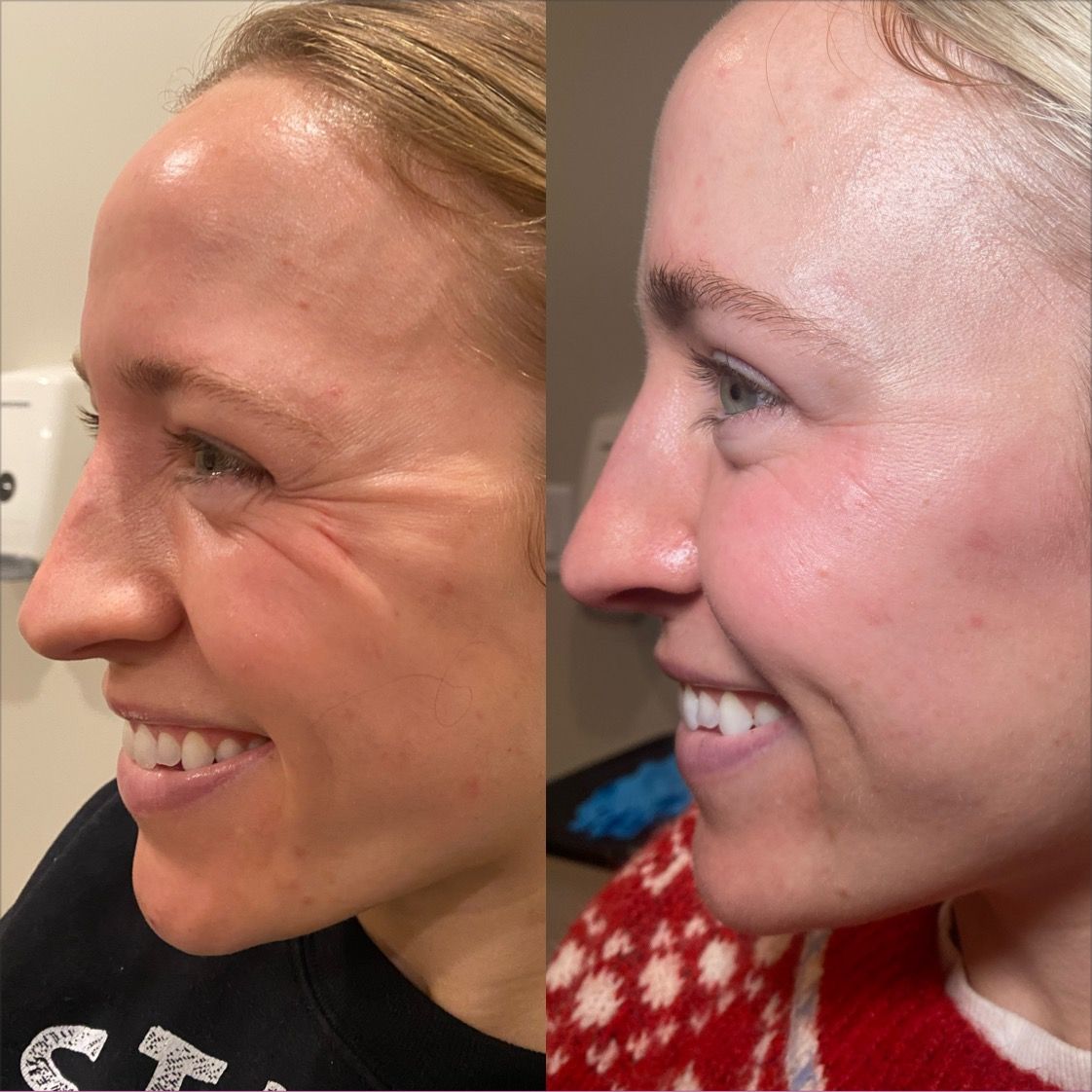
The numbers back this up. Across two large clinical trials, doctor ratings a month after eye-area Botox injections showed 87.4% of patients had improved by at least one wrinkle grade. Patient self-ratings came in high too, at 78.8%, while the untreated group reached only 12.1%. That means most dynamic wrinkles, the ones that appear with a smile, become noticeably softer.
Still, it helps to keep expectations realistic. Only about half of patients reached the point of having no wrinkles or just faint ones. So rather than expecting crow's feet to vanish completely, it makes more sense to think of the crinkled texture becoming shallower and smoother. This effect shows up best on dynamic lines that fold with a smile, while lines already etched in deeply respond less.
Crow's feet Botox dose and injection sites
Crow's feet Botox targets the outer eye corner, where the orbicularis oculi fans outward. The standard dosing here rests on solid evidence. Under FDA-approved labeling, Botox uses 12 units per side, 24 units total across both sides. Each side gets three injection points, 4 units apiece, placed very shallow, just under the skin.
| Item | Approach |
|---|---|
| Target muscle | Orbicularis oculi |
| Standard dose | 24 U total, 12 U per side |
| Injection sites | 3 points per side, outer eye corner |
| Depth | Shallow, just beneath the skin |
Placement matters as much as dose. The safe zone sits about a finger's width outside the eye corner, over bone, and the injection should stay shallow. Go too low and the toxin can reach the cheek muscles, leaving the smile looking unnatural. Go too far inward, too close to the eye, and it can affect the strength that closes the eye or the lower eyelid, so a safe margin from the eye itself is kept. Xeomin shares the same unit system as Botox and is dosed similarly, while Dysport uses different units and typically runs higher, around 30 units per side. People with weaker muscle tone or fuller under-eye tissue usually start with a lower, more conservative dose.
When does it start working, and how long does it last?
Eye-area Botox does not smooth things out the moment it goes in. It takes a few days for the toxin to block the nerve signal and for muscle strength to ease off. Wrinkles typically start to soften somewhere between 3 and 7 days after treatment, becoming most visible around the two-week mark. That is why it makes sense to judge the final result around two weeks in, not right away.
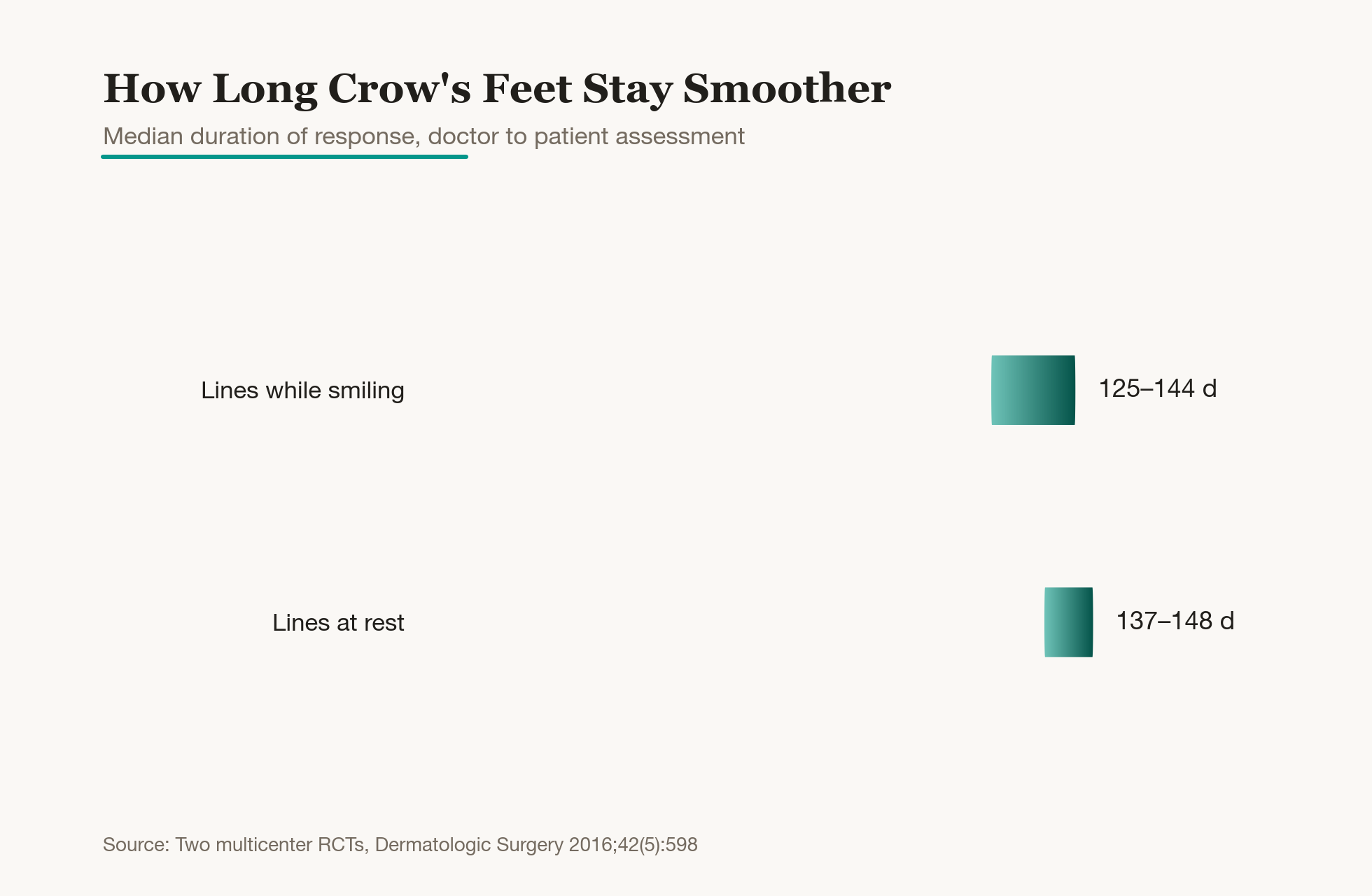
The effect tends to hold for roughly four months. In large clinical trials, the median duration came out to about 125 to 144 days for dynamic wrinkles and 137 to 148 days for static wrinkles. Translated into more familiar terms, that is somewhere between four and five months. More than half of patients kept the effect for at least four months.
Over time, the nerve ending starts sending its signal again, muscle strength returns, and the wrinkles gradually come back. Keeping the effect going means repeating the injection every three to four months. Some people who keep up regular treatment over the long run find the muscle adapts to staying relaxed, letting the interval stretch out a bit. On the flip side, the eye area gets a lot of expressive use, so it can wear off a touch faster than the forehead does. The best approach is simply to go back in once the effect starts to fade.
Can deep crow's feet smooth out too?
As mentioned earlier, not all crow's feet are the same kind of wrinkle. Depending on the cause, Botox alone may be enough, or it may need to be paired with something else. Breaking it down into three broad categories makes the choice clearer.
| Wrinkle type | Suited approach |
|---|---|
| Dynamic wrinkles (with smiling) | Eye-area Botox |
| Static wrinkles (visible at rest) | Filler or skin booster, combined |
| Under-eye sagging and fat | Consider laser or lifting |
Dynamic wrinkles, the ones that show up only with a smile, respond best to Botox. Static wrinkles, the deeper grooves that stay visible even at rest, tend to leave a mark even after the muscle relaxes. In those cases, a very fine filler or skin booster to fill the shallow groove, or a fractional laser to resurface the skin texture, often gets paired with the Botox. The toxin cuts down on the folding while the other treatment fills in what is already etched in, each covering what the other cannot.
Sagging under-eye skin combined with fine lines and fat is a different situation altogether. That kind of structural change is hard for Botox to fix, so under-eye laser treatment or lifting tends to be the better option. Using Botox carelessly under the eye can actually loosen the support that was holding the area up, making sagging look worse, so caution matters here. If crow's feet are a concern, figuring out whether the issue is dynamic wrinkling, an etched-in groove, or sagging is really the first step, and it is what determines the right approach.
Side effects and satisfaction with crow's feet Botox
The main thing to keep in mind with eye-area Botox is the risk of the toxin spreading. The eye is a sensitive area, so even a small shift in injection site or a slightly higher dose can let the toxin migrate into nearby muscles. Placed too low, it can reach the cheek muscles and leave the smile looking uneven or the cheek drooping. In rare cases, if it spreads to the muscles that move the eye itself, it can cause double vision. Most of these effects resolve on their own as the toxin wears off, but the risk is exactly why keeping injections shallow and at a safe distance from the eye matters so much.
Beyond that, bruising or swelling at the injection site is common and usually clears up quickly. The eye area has a lot of small blood vessels, so bruising happens fairly easily there, and some clinics apply ice briefly beforehand as a precaution. A slight puffiness under the eye when smiling, or an expression that feels a bit different from usual, can also happen, and adjusting the dose usually smooths that out.
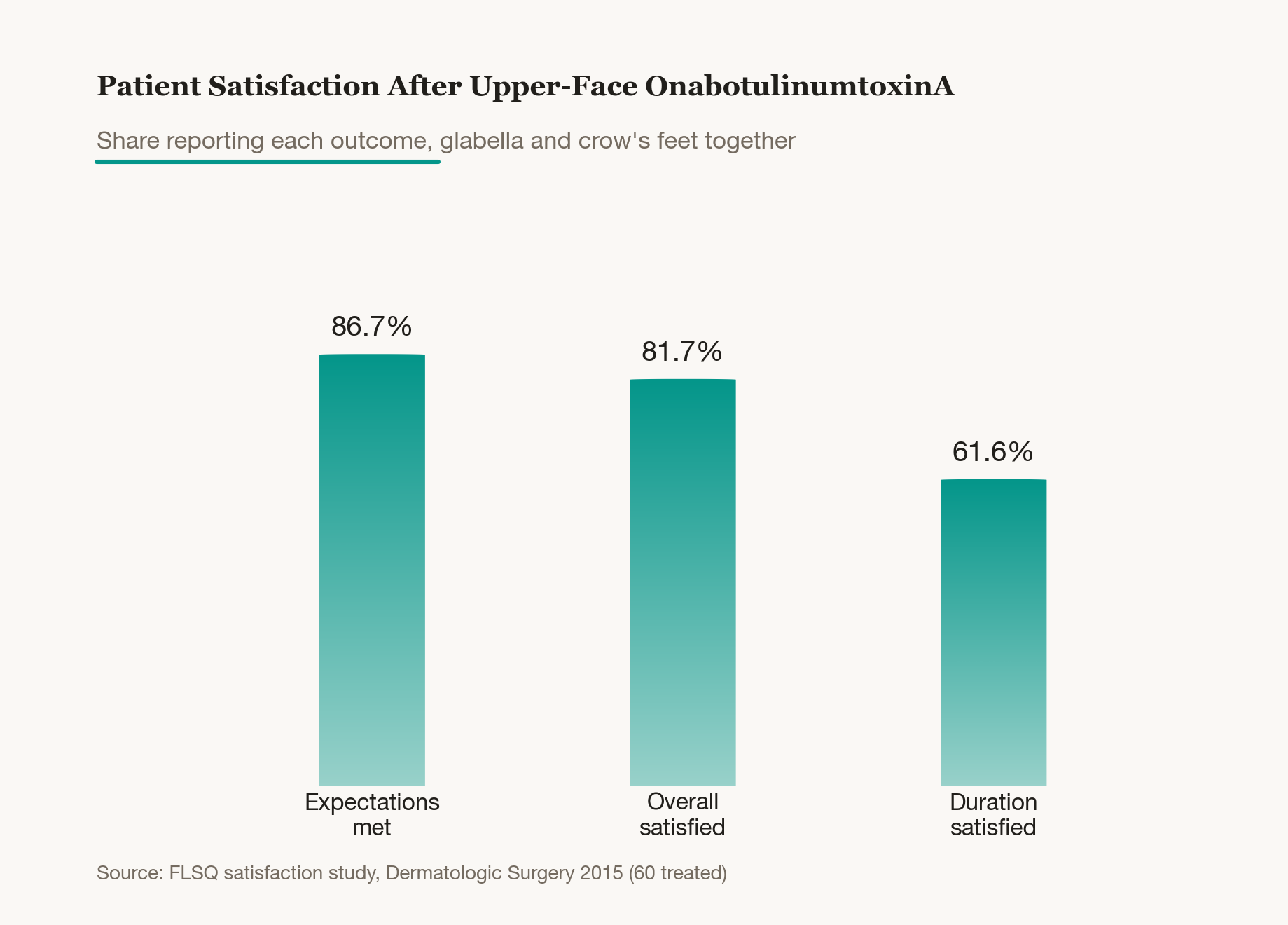
Overall satisfaction tends to run high. Among people treated in both the glabella and the eye area together, 86.7% said the result met their expectations at the two-month mark, and 81.7% said they were satisfied with the outcome. Because so much of the result comes down to where and how much is injected, it is worth choosing a provider experienced with the anatomy around the eyes. Done with the right read on the underlying cause and matched to dynamic wrinkles specifically, eye-area Botox is a quick treatment that can leave tired-looking eyes noticeably more rested.
Was this helpful?
About this article
Written by a practising aesthetic physician and intended for general education — not a substitute for individual medical advice.
Read next
Mouth Corner Botox: Results, How Long It Lasts, Dosage, and Side Effects
A clear look at how Botox lifts downturned mouth corners, from weakening the depressor anguli oris so the elevator muscles win out, to injection sites and units, onset and duration, combining with filler, and the side effects worth knowing, all backed by real clinical data.
By Dr. Kim

Pebbled Chin Botox: Results, How Long It Lasts, Dosage, and Side Effects
Chin botox (mentalis botox) smooths out the pebbled, orange-peel texture that shows up on an overactive chin. Here's how relaxing the mentalis muscle evens out the skin, the typical dose and injection points, when results appear and how long they last, how this differs from a weak or protruding chin, and the side effects worth knowing about, all backed by real evidence.
By Dr. Kim

Lip Filler Effects and Duration, Including Lumps and Side Effects
A close look at lip filler results, how long they last, and side effects like lumping and asymmetry, plus which filler formula suits a part of the face that moves as much as the lips. We cover the science behind restoring the Cupid's bow and lip corners, the trend toward smaller volumes, and vascular complication safety with hyaluronidase, all backed by real study numbers.
By Dr. Lee