Lip Filler Duration and Side Effects, Including Aftercare
By Dr. Kim7 min read
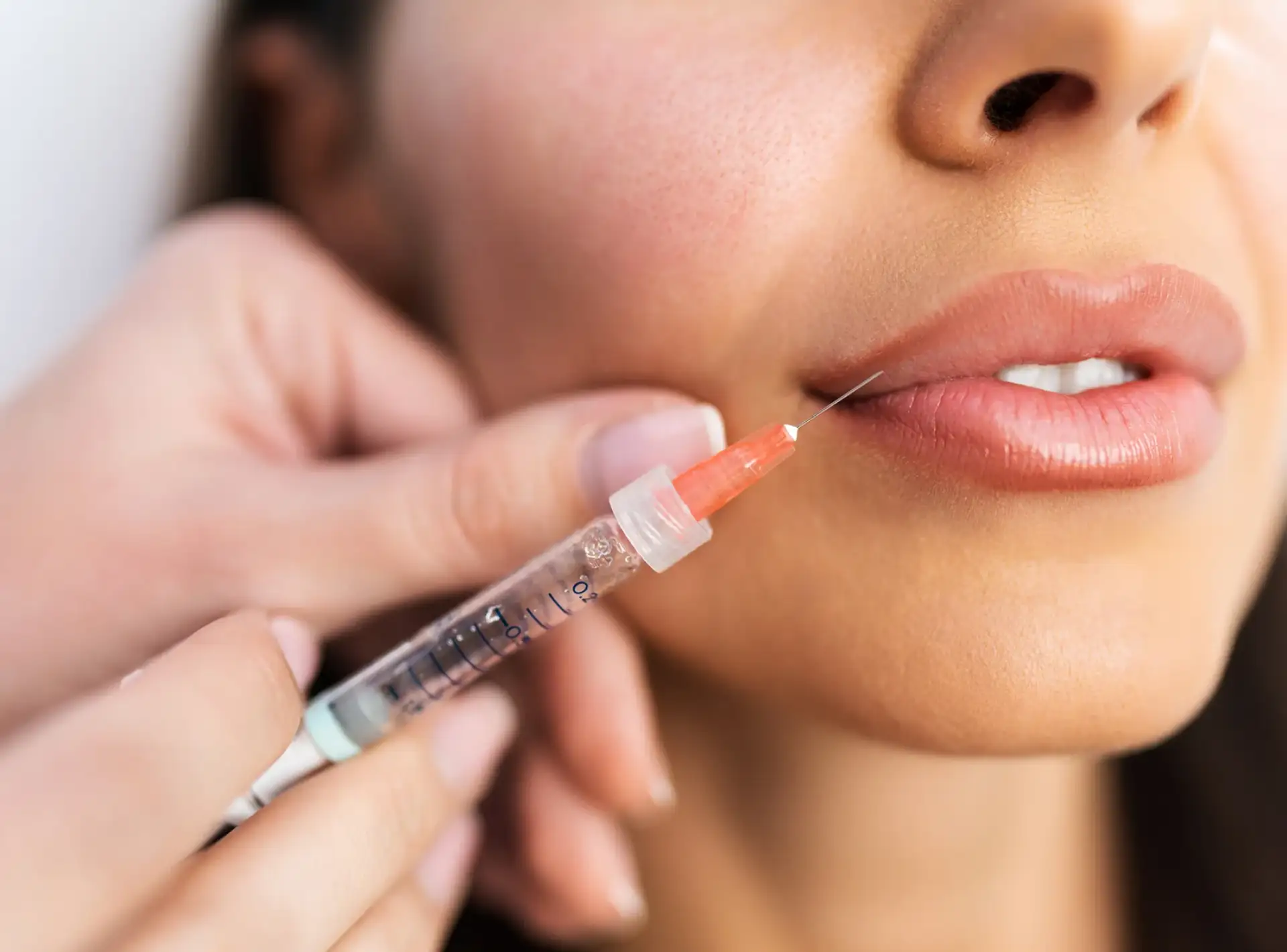
Lip volume filler is often described as a treatment that plumps up the lips the moment it goes in. That is not wrong, but it is only half the story. If it were simply a matter of filling in gel, it would not explain why lips often look even more natural days after treatment than they did right after the needle came out.
What actually happens is that the hyaluronic acid in the filler pulls in surrounding water and gradually settles into place. And because lips move thousands of times a day, they lose filler at a different pace than other parts of the face. Here is why, step by step.
Why does lip filler show so easily?
Lips have one of the thinnest fat layers on the face. Unlike the cheeks or forehead, there is not much padding underneath, so even a small drop in volume with age shows up right away. Think of it like a cushion covered by a single thin layer of fabric: even a slight dip inside changes the outward shape dramatically.
That is why lips naturally lose volume over time, and the cupid's bow (the soft peaks along the upper lip edge) tends to blur along with it. Filler works by directly replacing that lost volume. Instead of waiting for fat or collagen to regrow, it places a gel-like material right where it is needed to create instant volume.
How does hyaluronic acid filler create volume?
The ingredient used most often in lip filler is hyaluronic acid. It already exists naturally in the body, especially in the skin and around the joints, so the body does not treat it as a harsh foreign substance.
Hyaluronic acid molecules are remarkably good at attracting water. Much like a sponge soaking up liquid, a single hyaluronic acid molecule can hold onto water hundreds of times its own weight. That is why lips can look a bit lumpy right after injection, then smooth out over the following days as the gel pulls in moisture from the surrounding tissue and settles into a more natural shape.
Fillers also differ in how tightly their hyaluronic acid molecules are cross-linked, meaning how densely they are woven together. A tighter cross-link makes the gel firmer, which works well for defining a crisp line like the cupid's bow. A looser cross-link makes it softer, better suited for the plush feel of the inner lip.
Why does lip filler shrink so fast?
Lips move thousands of times a day through talking, eating, and smiling. That constant motion keeps blood flow and lymphatic circulation running high, which in turn speeds up how quickly hyaluronic acid breaks down. Enzymes in the body gradually dissolve hyaluronic acid, and the busier the blood flow in an area, the more often those enzymes pass through.
That is why the same hyaluronic acid filler tends to fade faster in the lips than in areas that move less, like the nose or cheeks. On average, lip filler is reported to last around 6 to 12 months, which is shorter than most other areas. That said, the cross-link density, the amount injected, and each person's metabolism can all shift this timeline.
How do soft gels and firm gels differ?
Lip fillers vary in texture and firmness from product to product. Some are soft and watery, ideal for filling out the inner lip naturally, while others are firmer, better for sharpening the cupid's bow or the border of the lip. That difference comes down to cross-link density, or how tightly the hyaluronic acid molecules are woven together.
Doctors choose products based on which part of the lip they are refining. Areas where a bit of extra pressure will not show, like the inner lip, get filled with a softer product, while areas where the line itself matters, like the cupid's bow, get shaped with a firmer one. Because the lips are one of the most sensitive areas of the face to the touch, using too much firm product can leave them feeling lumpy, so finding the right balance matters.
The lips' original thickness and shape also affect which product fits best. If the lips start out thin and flat, a soft product used generously across the whole lip tends to look most natural. If the cupid's bow is already well defined but the lips just need more volume, a small amount of firmer product to refine the line can change the whole impression. That is why a thorough consultation about the current shape and the desired outcome matters so much in choosing the right product and amount.
Factors that decide how long it lasts
The lifespan of lip filler is not decided by a single factor. Several things are known to work together, including the following.
- Cross-link density and filler type: More tightly cross-linked fillers tend to take longer to break down and last longer, because enzymes need more time to cut through the gel.
- Volume injected: All else being equal, a larger amount takes longer to fully absorb. Absorption happens gradually from the outside in, so more volume means more filler sticks around longer.
- Lip habits: Talking a lot, smoking, or using straws frequently keeps the lip muscles working hard, which stimulates blood flow and can speed up breakdown.
- Individual metabolism: The activity of the enzymes that break down hyaluronic acid varies with age and constitution, so results last differently from person to person even with the same filler.
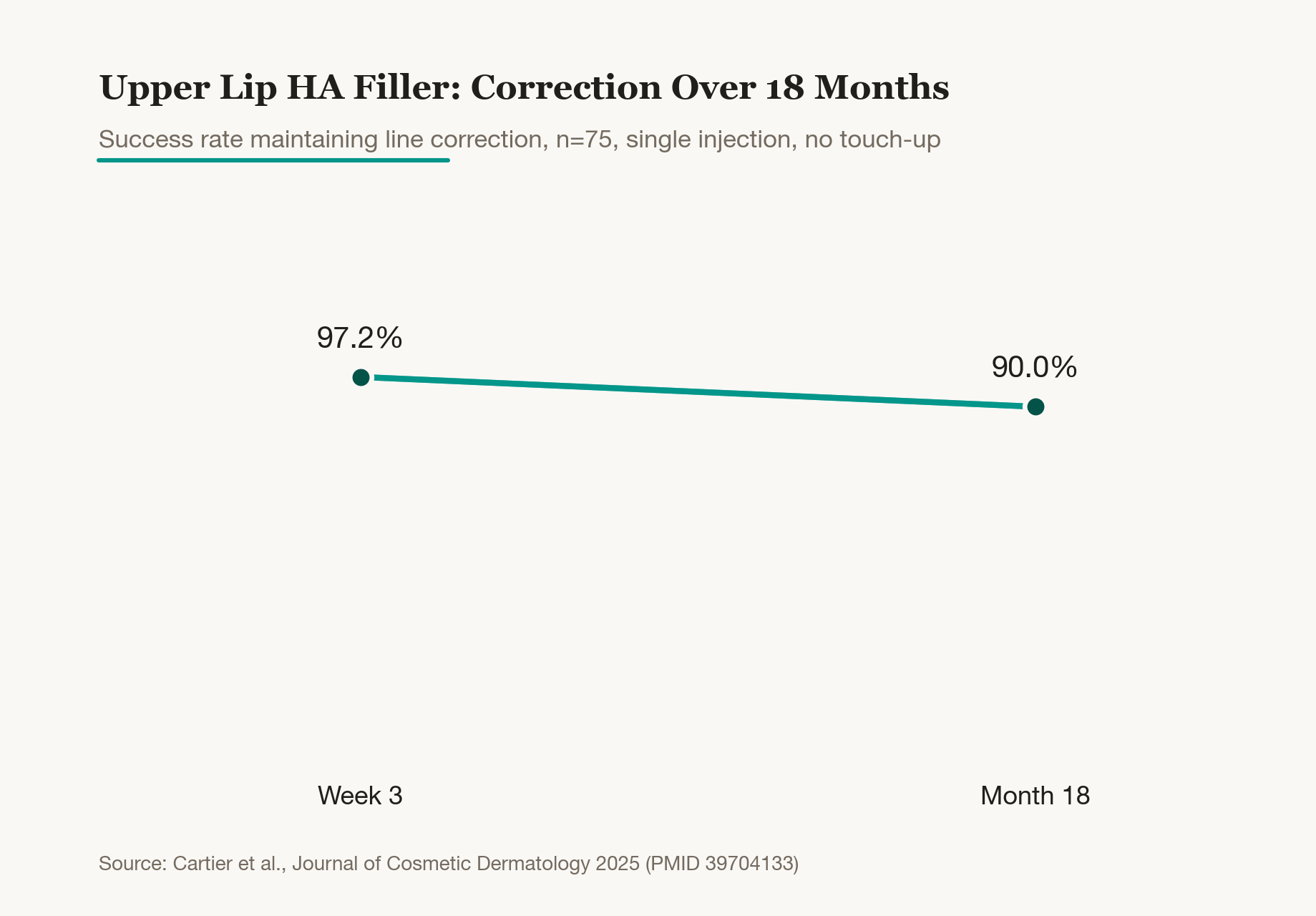
On average, results are reported to last between 6 and 12 months, though individual variation can be considerable for the reasons above.
Swelling and precautions after the injection
Some swelling and mild bruising are common right after treatment. Swelling usually goes down noticeably within 24 to 48 hours, and any remaining puffiness tends to fade gradually over 1 to 2 weeks. During this period, the lips may feel a bit uneven or asymmetric, which is simply part of swelling settling unevenly, and it usually resolves on its own with time. The final shape is generally expected to settle around the 4 week mark.
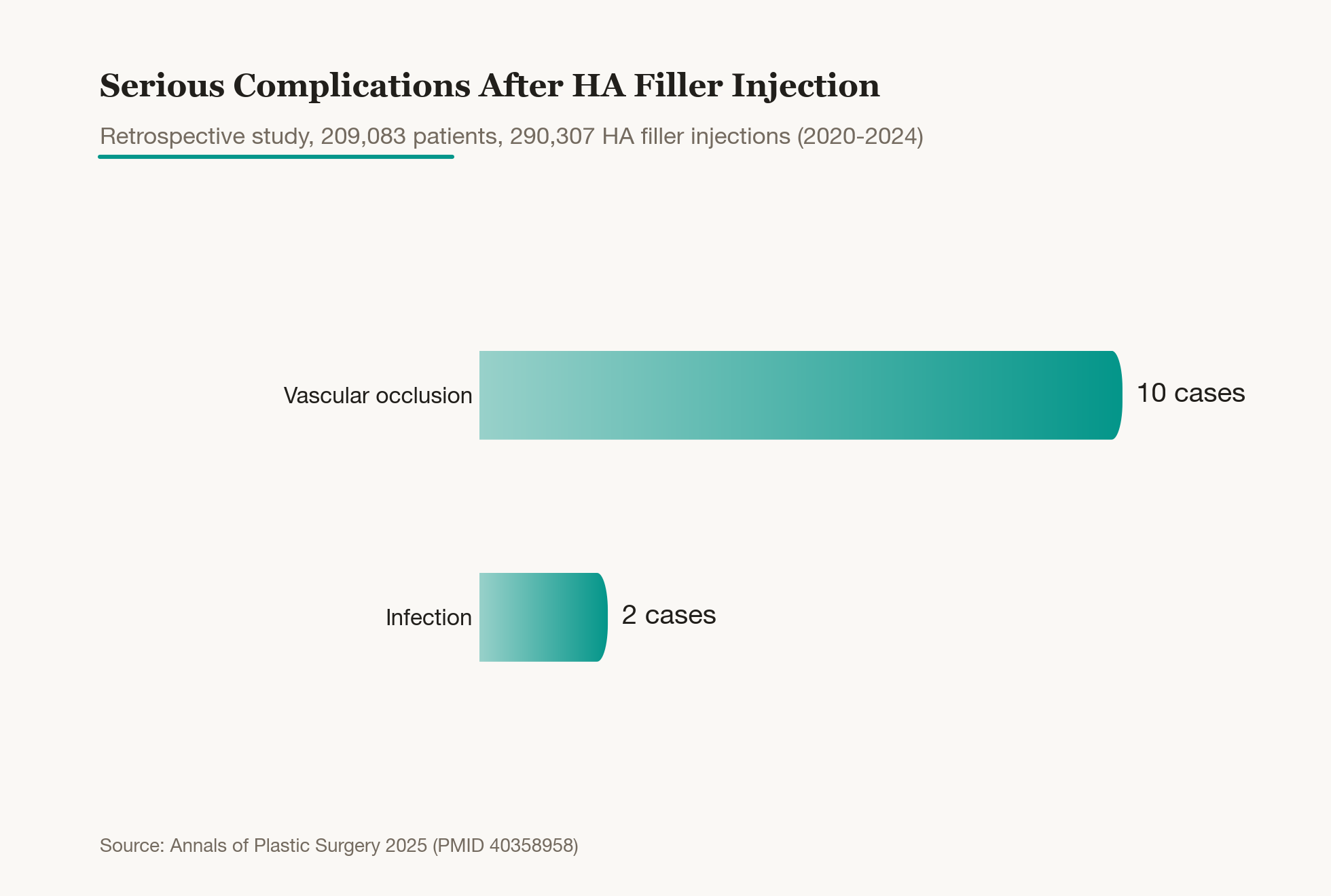
In rare cases, filler can enter a blood vessel by accident and block blood flow to that area, a vascular complication. To lower this risk, doctors check for vessel location before advancing the needle and inject slowly in small amounts. One particular advantage of hyaluronic acid filler is that if a problem does occur, it can be dissolved and reversed with an enzyme injection called hyaluronidase. That safety net is unique to hyaluronic acid and not available with other filler materials.
After treatment, it helps to avoid strong pressure or hot compresses on the lips for a few days. Pressure before the tissue has settled can shift the filler or distort its shape. Keeping the treated area clean and using sun protection is also considered helpful for recovery.
It is best to avoid pressing or checking the shape with your fingers too much as well. Repeatedly touching gel that has not yet settled can throw off the balance between the two sides. During the days it takes for swelling to go down, giving the body time to settle on its own rather than rushing the outcome tends to lead to the most natural final result.
References
Korean Dermatological Association, American Academy of Dermatology (AAD), and Ministry of Food and Drug Safety (MFDS).
Was this helpful?
About this article
Written by a practising aesthetic physician and intended for general education — not a substitute for individual medical advice.
Read next

Recessed Chin Filler: Effects, Duration and Aftercare
A weak chin often gets blamed on bone structure, but in most cases it comes down to the chin point sitting further back than it should. Chin filler fills in that missing volume to reshape the side profile, and here we break down how it works without touching bone, plus how long results actually last.
By Dr. Lee
Under-Eye Hollow Filler: Effect and Side Effects, and the Tyndall Effect to Watch
The dark, sunken look under the eyes often comes less from pigment than from hollowing and the shadow it casts. Here's how the tear trough ligament and lost volume under the eye create that shadow, how a soft hyaluronic acid filler placed shallowly and sparingly smooths it out, why thin skin and the bluish Tyndall effect make this area tricky, and how long results actually last, all backed by real published numbers.
By Dr. Kim
Gummy Smile Botox Effects, Duration, and Side Effects
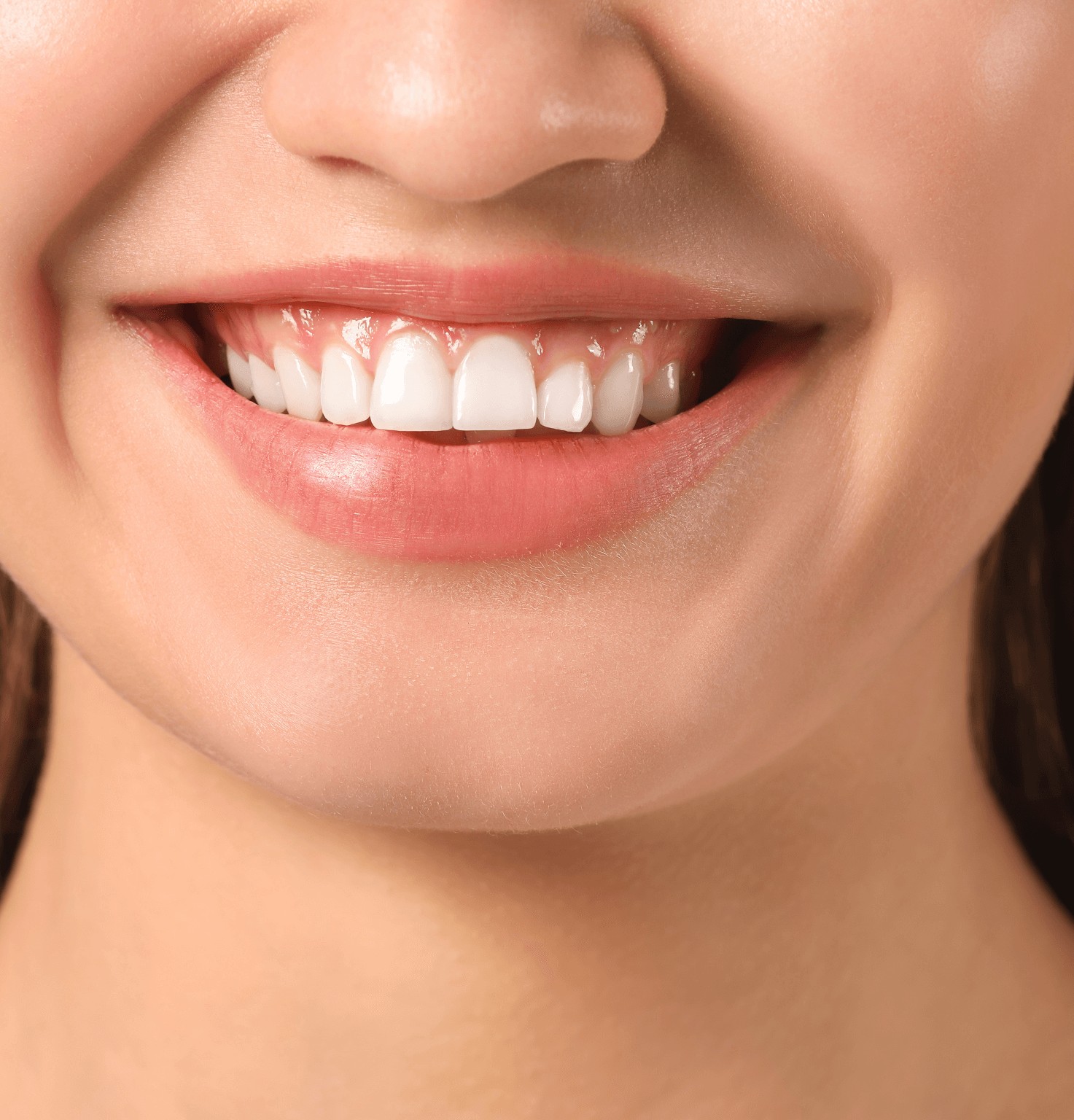
A gummy smile happens when your gums show more than usual as you smile, and an overactive lip-lifting muscle is one of the most common causes. Botox works by slightly reducing the strength of that muscle so your lip doesn't rise as high when you laugh. Here's how to tell whether muscle is really the cause, plus how long the results tend to last.
By Dr. Lee