Shurink and InMode Together: What Order and Spacing?
By Dr. Lee7 min read
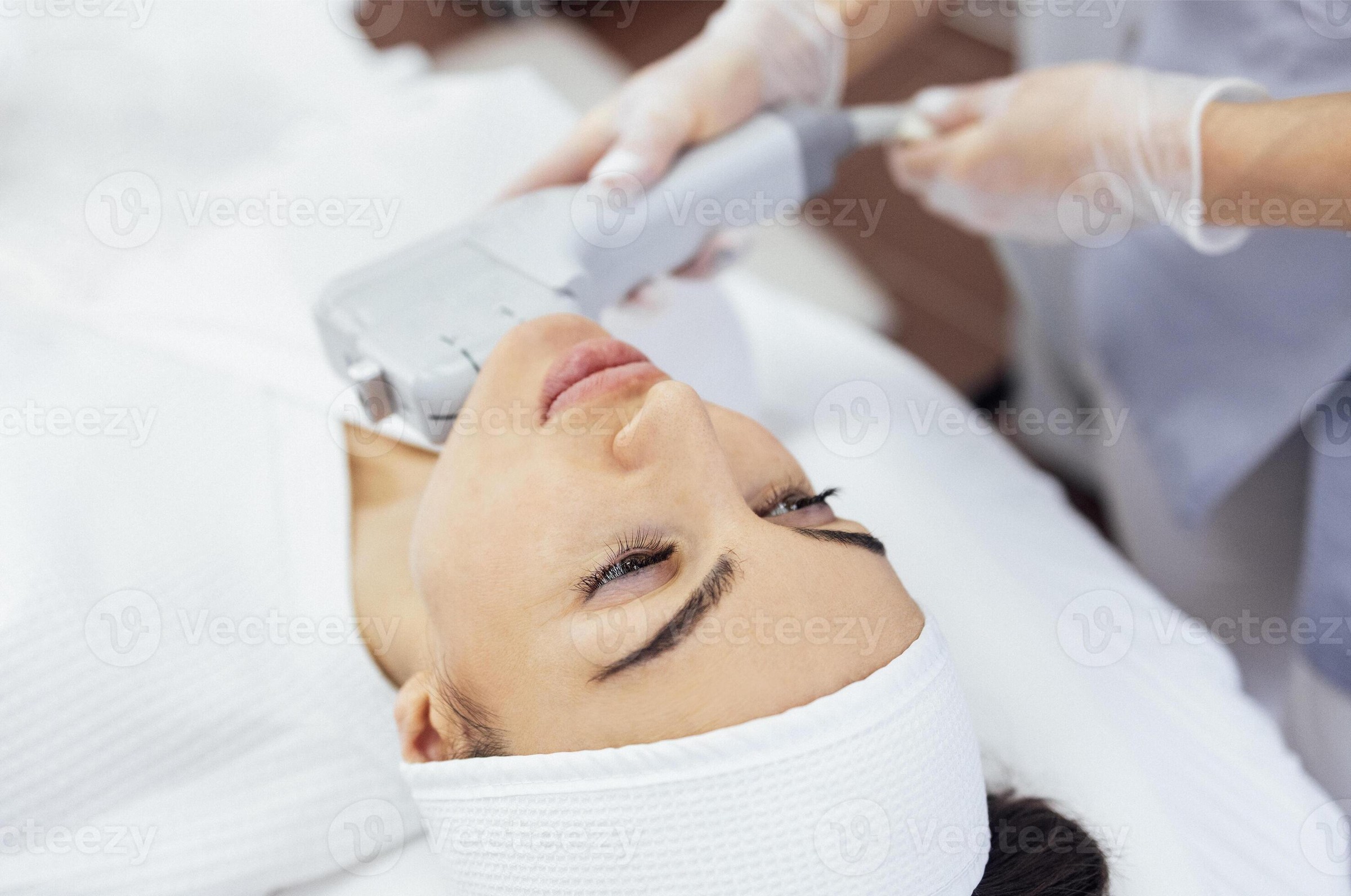
As we age, sagging is one worry, but enlarged pores and rougher skin texture tend to bother us just as much. Yet at the clinic, you often hear more than a recommendation for Shurink alone. Many providers suggest adding InMode to the plan, and it's natural to wonder why one treatment isn't enough, and whether there's really a good reason to combine the two.
Pairing two devices can sound like a sales pitch at first. But once you break down the depths each one actually reaches in the skin, the logic behind the combination starts to make sense.
Shurink uses ultrasound to work on the deeper layers of skin, while InMode uses radiofrequency to reach the shallower layers and the fat beneath them. Since they target different depths, relying on just one can leave a layer untouched. This article walks through why the two are often paired, the order clinics typically use, and how far apart the sessions are spaced.
How Deep Does Shurink Ultrasound Reach?
Shurink relies on HIFU, or high-intensity focused ultrasound. Multiple ultrasound beams converge on a single point inside the skin, generating a burst of heat right at that spot. It works much like a magnifying glass focusing sunlight onto one point: only that exact spot heats up.
That focal point sits at the SMAS layer, a fibrous sheet between the skin and the underlying muscle that supports the contour of the face, a bit like an internal support garment keeping everything from drooping. Because the heat lands on this deep layer rather than the surface, the body responds by producing new collagen as it repairs the micro-damage. Collagen acts like the pillars holding up the skin from the inside, so as new pillars form, sagging areas gradually lift. That's why Shurink's effects are known to build gradually over 2 to 6 months rather than showing up right after the procedure.
What matters here is that the ultrasound simply passes through the layers in between. It's the same reason a lens doesn't heat up the glass the light passes through on its way to the focal point. So with Shurink alone, the SMAS layer gets stimulated, while the dermis and epidermis above it are affected comparatively little. In other words, Shurink is about rebuilding the pillars that hold the face up, not about refining surface texture or pores.
What Depth Does InMode Radiofrequency Treat?
InMode uses radiofrequency, essentially radio wave energy. Instead of focusing to a single point like ultrasound, it sends current between two electrodes, generating heat across all the tissue that current passes through. It's similar to how an electric heating pad warms an entire surface at once.
Because of that, InMode works at a shallower depth than Shurink. It mainly targets the dermis and the shallow fat layer just beneath it. The dermis is where collagen and elastin fibers are concentrated, so heating this layer stimulates collagen and helps refine texture and pores. As we age, the activity of MMP, an enzyme that breaks down collagen, increases, gradually weakening those internal pillars. Heat stimulation works against that process, essentially refilling the structure with new collagen. Heating the shallow fat layer has also been reported to shrink fat cell size. Some InMode devices add fine mechanical stimulation to the radiofrequency energy, delivering heat to the shallow layer even more precisely.
Put simply, InMode's role is refining the texture and volume closer to the skin's surface.
Why Get Shurink and InMode Together?
Shurink rebuilds the pillars in the deep layer, while InMode refines texture and volume in the shallow layer. Since the layers they target don't overlap, the logic goes that pairing them can stimulate depths that neither device reaches on its own.
In practice, clinics tend to combine the two for these reasons.
- A lot of people are concerned about both sagging and texture at the same time. With Shurink alone, contour often improves while pores and texture stay largely unchanged.
- Collagen forms on a different timeline in each layer, so the recovery process unfolds in stages. When the deep and shallow layers regenerate at different speeds, the results are reported to last longer overall.
- InMode's fat-reducing effect can make the contour that Shurink lifted look more defined. When there's less loose tissue in the way, the lifting effect stands out more clearly.
That said, large studies directly comparing the combined effect against either treatment alone are still limited. It's more accurate to think of this as a combination that makes sense in principle rather than one backed by extensive head-to-head data.
Which One Should You Get First?
The order varies by clinic, but a common approach is to start with radiofrequency, such as InMode, before moving on to Shurink's ultrasound. The reasoning is that warming the tissue with radiofrequency first allows the ultrasound energy to reach the deeper layer more evenly afterward.
Other clinics do it the other way around, treating with Shurink first and InMode after. Here the logic is that stimulating the deep layer first, then refining the surface texture, follows a more natural progression. Both approaches are used in practice, and neither has been established as clearly superior. The order often comes down to the provider's experience and the individual's skin condition.
How Many Weeks Apart, and How Many Sessions?
Forming and settling new collagen takes time. That's why, rather than doing both treatments in a single day and calling it done, clinics commonly recommend spacing sessions 2 to 4 weeks apart. There are a few reasons behind this approach.
- Introducing the next round of stimulation while tissue is still recovering tends to keep the cellular response going.
- Piling on too much heat stimulation at once can cause overlapping swelling or sensitivity, so spacing sessions out reduces the recovery burden.
- Because collagen forms at different rates from person to person, spacing sessions apart allows the next treatment to be timed based on how recovery is actually progressing.
Generally, Shurink is spaced 6 months to a year apart, while InMode is done more frequently, every 2 to 4 weeks, over 3 to 5 sessions. The exact number of sessions and the spacing should be worked out with your provider based on your skin condition and goals.
Why Cheeks and Jawline Get Different Intensity
Even with the same Shurink and InMode devices, not everyone receives the same intensity or number of sessions. Skin thickness and fat volume differ from person to person across the face.
In areas where skin is thin and bone sits close to the surface, heat that penetrates deeper than needed can risk reaching nearby nerves or blood vessels. In fleshier areas like the cheeks, on the other hand, the same intensity may not deliver enough heat to be effective. That's why an experienced provider adjusts Shurink's ultrasound depth and InMode's radiofrequency intensity separately for each area.
Areas close to bone, like the jawline, typically use a shallower cartridge depth, while fleshier areas like the cheeks call for a deeper setting. Tailoring the plan by area this way is what allows both effectiveness and safety to be achieved together. That's also why measuring skin thickness and visually assessing fat distribution during the consultation is a step that shouldn't be skipped.
Who the Combination Suits
- People concerned with pores and texture as well as sagging, since Shurink alone doesn't do much for surface texture.
- People with enough facial volume that they want the contour improvement to stand out more clearly, since InMode's fat-reducing effect can help with that.
- People who can fit in the 3 to 5 sessions the combination typically calls for, since combining two devices means factoring in more visits and recovery time.
For those with very significant sagging or skin that's especially thin and sensitive, it's safer to go through a consultation and set priorities rather than doing both treatments at once.
Pain and Side Effects During Treatment
Because Shurink's ultrasound energy converges instantly in the deep layer, many people describe a sharp, stinging sensation during the procedure, while InMode is reported to feel comparatively milder, since it works mainly through surface warmth. Getting both done together can mean an extra day or two of swelling or redness, so it's worth scheduling some buffer before any important events. Temporary numbness or sagging has rarely been reported as well, so it's safest to share your medical history and any medications with your provider beforehand.
References
Korean Dermatological Association, Ministry of Food and Drug Safety (MFDS), American Academy of Dermatology (AAD), and U.S. Food and Drug Administration (FDA).
Was this helpful?
About this article
Written by a practising aesthetic physician and intended for general education — not a substitute for individual medical advice.
Read next
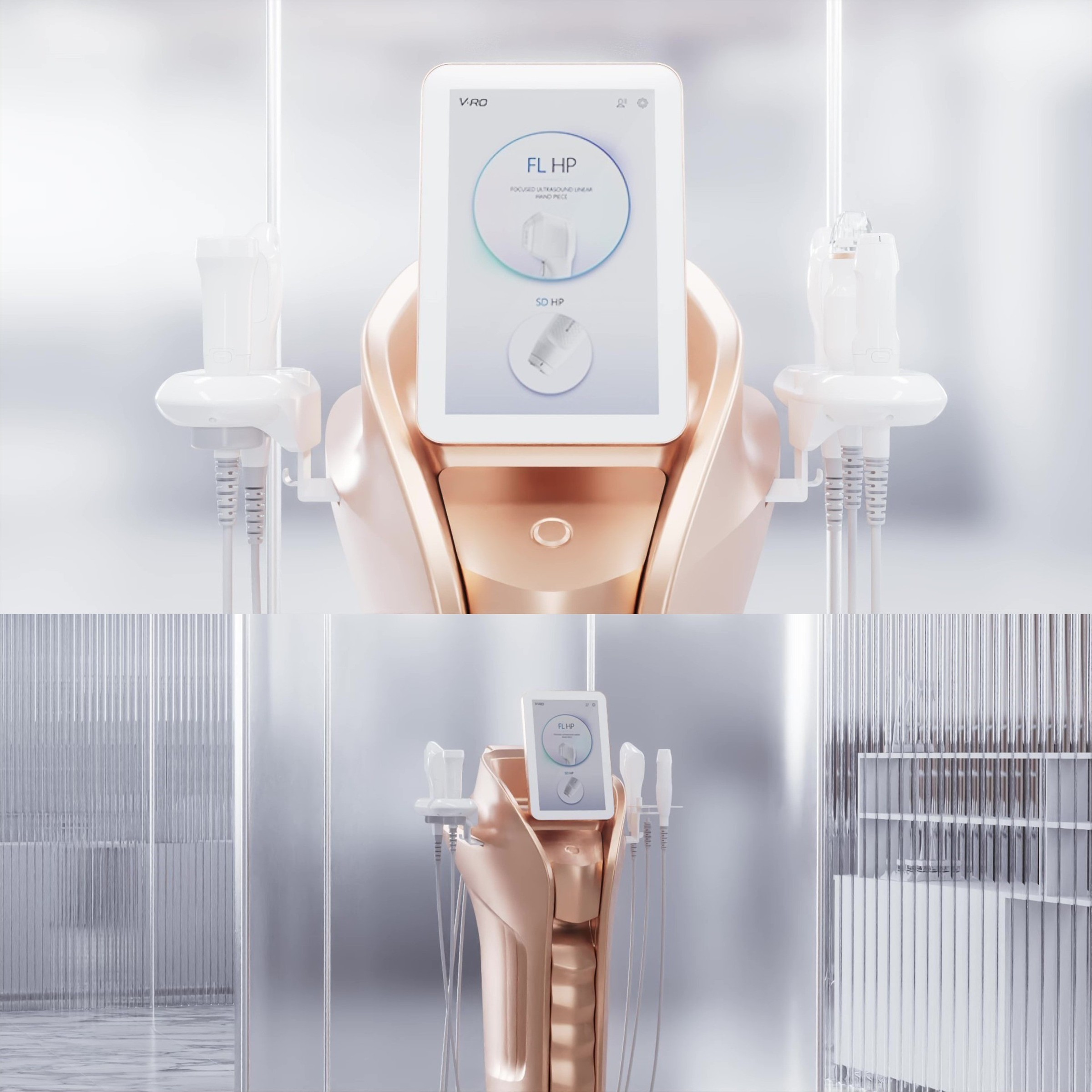
VRO Lifting: Ultrasound and Radiofrequency Differences, and Aftercare
VRO lifting combines two different energy types, ultrasound and radiofrequency, in a single session. The key idea is that each energy reaches a different depth in the skin, so together they can address both a shallow layer and a deep layer that neither one covers alone. This article breaks down how each energy works and why using them together actually makes sense.
By Dr. Lee
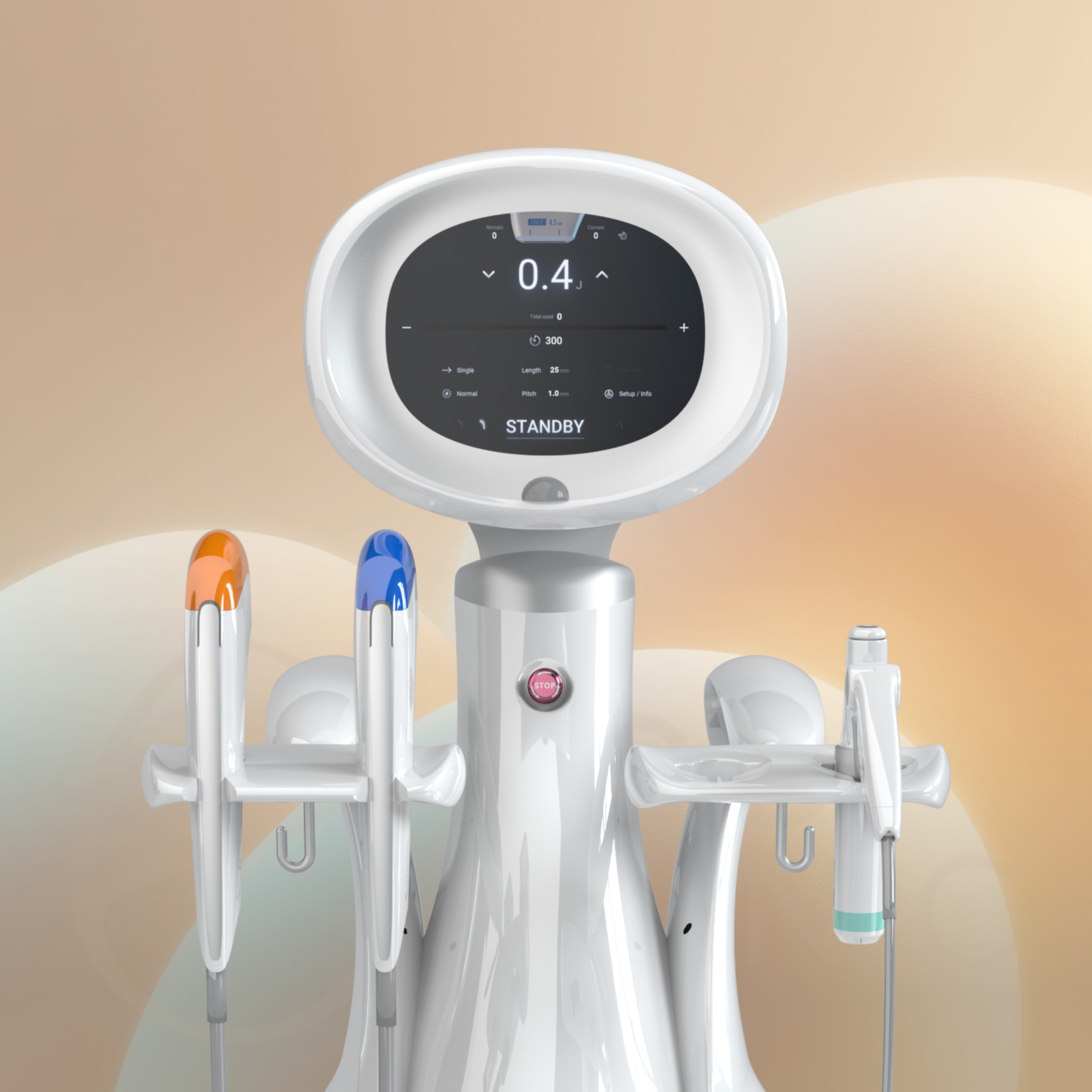
Shurink Booster Shot and Lifting Line: Differences, Effect by Depth and Duration
Shurink Universe runs two modes on the same device: a booster shot that stimulates the shallow layers of skin, and a lifting line that pulls on much deeper tissue. This piece breaks down why the two modes reach different depths, and why clinics use them separately or together.
By Dr. Lee

Freckles Versus Melasma: How Do Their Laser Treatments Differ?
At a glance, freckles and melasma both look like brown spots, which makes them easy to mix up. But where the pigment actually sits in the skin, and why it shows up in the first place, are completely different. That difference decides whether you need a strong laser or a gentle toning session, and why one of the two keeps coming back.
By Dr. Lee