Preventive Botox Effect: Is It Okay to Start in Your Late 20s?
By Dr. Kim7 min read
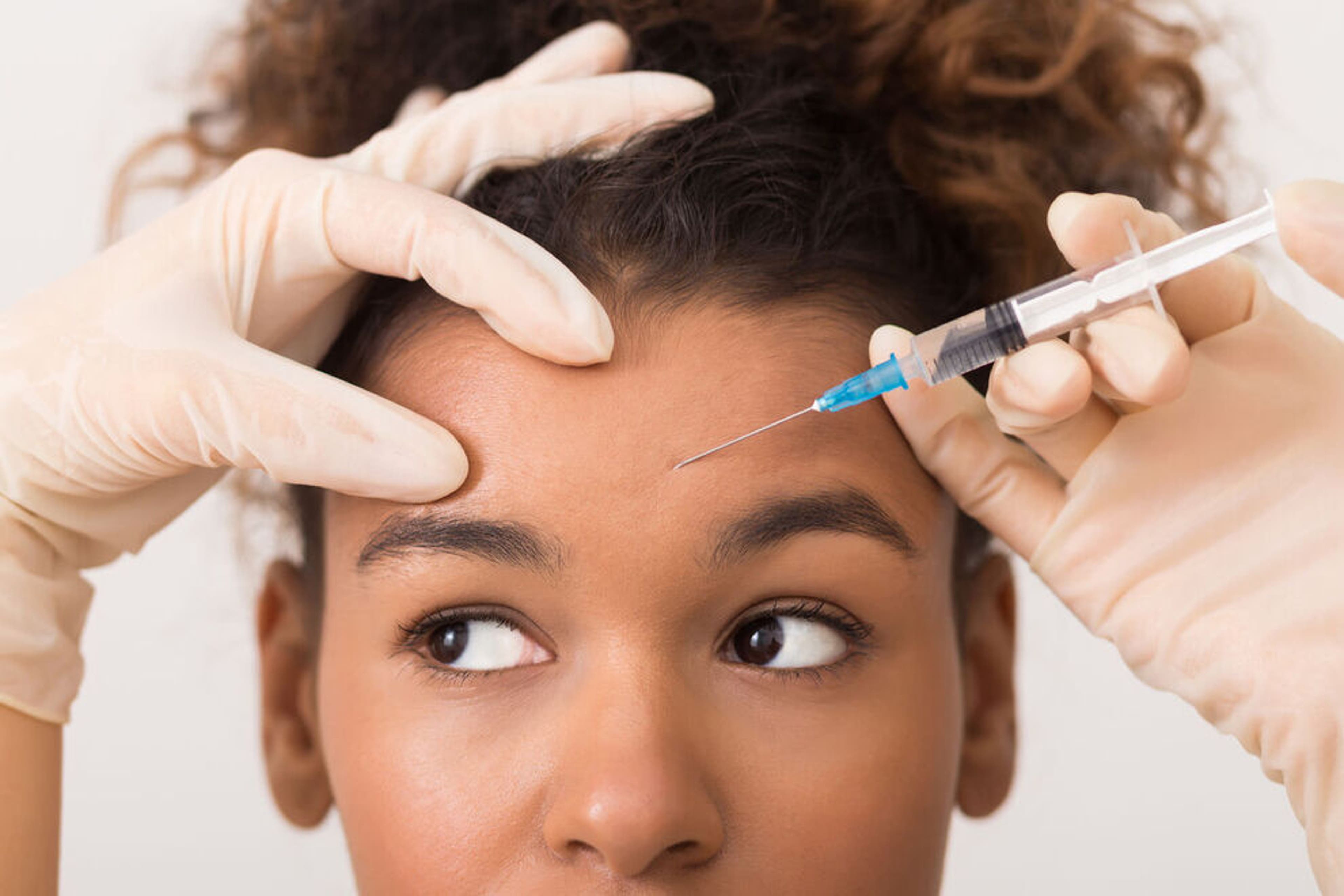
When people think of Botox, they usually picture it as something that smooths out wrinkles that have already formed. But these days, plenty of people start getting it in their late twenties or early thirties, well before any lines are visible. This approach is what's known as preventive Botox.
The name makes it sound like it stops wrinkles from forming at all. That's not quite accurate. What preventive Botox actually slows down, what the mechanism behind it is, and how far the evidence really goes is worth breaking down.
Does Preventive Botox Block Wrinkles or Delay Them?
There are broadly two types of wrinkles: expression lines that only show up when you smile or frown, and static wrinkles that stay put even after your face relaxes. Preventive Botox targets the latter, specifically the process by which expression lines harden into static ones.
Fold a piece of paper once and unfold it, and the crease is barely visible. Fold the same spot a few thousand times, though, and the crease stays even after you let go. Skin works in a similar way. When facial muscles move repeatedly in the same direction, the skin above them folds along the same line every time, and once that repetition builds up over the years, the line remains even after the expression relaxes. Preventive Botox works by cutting down on that repetition itself, slowing the rate at which the crease gets etched in.
How Expressions Harden Into Wrinkles
Frowning or squinting into a smile happens hundreds of times a day without you noticing. Each one of these tiny movements bends and unbends the collagen and elastin fibers under your skin, just a little, over and over again.
When you're young, these fibers are elastic enough to snap right back into shape after bending. But as you age, the fibers themselves lose elasticity, and factors like UV exposure or smoking pile on top of that, so the fibers at the fold point gradually lose their ability to spring back. At some point, a line starts staying put even when your face relaxes. Preventive Botox starts from the idea of reducing how many times the fold happens while the fibers still have their elasticity, slowing this whole process down.
How Does Botox Rest the Muscle?
For a muscle to move, a nerve has to send it a signal. At the point where nerve meets muscle, the nerve releases a chemical called acetylcholine (the messenger that tells muscle to contract), and the muscle only contracts once it receives this signal.
Botulinum toxin type A (the active ingredient in Botox) works by cutting SNAP-25, a key protein in this signaling process. The nerve needs this protein to release its acetylcholine-filled pouches, and once that link is severed, acetylcholine can't get out, so the muscle never receives the signal to move. It's a bit like a phone line getting cut so the call never reaches the other end. As a result, the muscle stays weakened for a set period, and the skin folds less even when you make an expression.
Why Does Starting Early Help?
Following the same logic, reducing how often the skin folds while the fibers are still elastic should, in theory, work in your favor. Fewer folding stresses mean less total wear and repair the fibers have to go through over time.
Clinical observations have repeatedly noted that people who start managing lines while they're still faint tend to get smoother results at the same dose than those who start after static wrinkles are already deeply set. There's also evidence that people who've been getting treated consistently over a long stretch adapt so their muscles rely less on movement, meaning the dose they need can actually decrease over time.
How Far Does the Evidence for Prevention Go?
Here's where it's worth being upfront. Large, decades-long studies proving that preventive Botox actually reduces the number or depth of wrinkles years down the line are still lacking. What evidence exists so far leans mostly on short-term observation, expert opinion, and theoretical explanations of how nerves and muscles work.
That doesn't mean it has no effect. The fact that Botox visibly reduces expression lines is already well established. What's still unclear is whether that translates into a guaranteed block on wrinkles decades from now. So it's more accurate to think of preventive Botox as a reasonable choice backed by mechanism and short-term observation, rather than a settled conclusion.
Muscle strength, expression habits, and skin thickness also vary from person to person, so starting at the same age doesn't guarantee the same outcome. Someone who makes big, exaggerated expressions may fold more deeply than others and need to start managing earlier, while someone with a calmer expression style may not need to rush.
Starting Age and Criteria by Area
There's no absolute age cutoff. Expression habits, skin elasticity, and genetics all shape when wrinkles actually start for any given person. That said, these areas and timeframes tend to come up most often for preventive purposes.
- Forehead lines: People who rely heavily on the muscle that raises the eyebrows tend to see forehead lines earlier, so it's common to start managing them in the late twenties once faint lines appear. The more that muscle gets used, the more folding it produces.
- Frown lines: A habit of frowning tends to set these lines in before other areas do, so many people start considering treatment as soon as they notice the habit itself. The glabellar muscles are strong, which means the fold goes deeper.
- Crow's feet: Because this area gets used heavily when smiling, people who smile a lot may see lines appear earlier here. The skin around the eyes is also thinner than elsewhere, making it more sensitive to this kind of stress.
Dosing is also approached differently than it would be for wrinkles that have already deepened. A lower dose than what's used to smooth out static wrinkles is typical, adjusted to keep expressions looking natural, with touch-ups roughly every six months. Pushing the dose too high erases natural expression altogether, which defeats the purpose of going preventive in the first place.
What Are the Side Effects of Preventive Botox?
Even for preventive purposes, Botox is still a treatment that blocks nerve signals, so there are things to watch for.
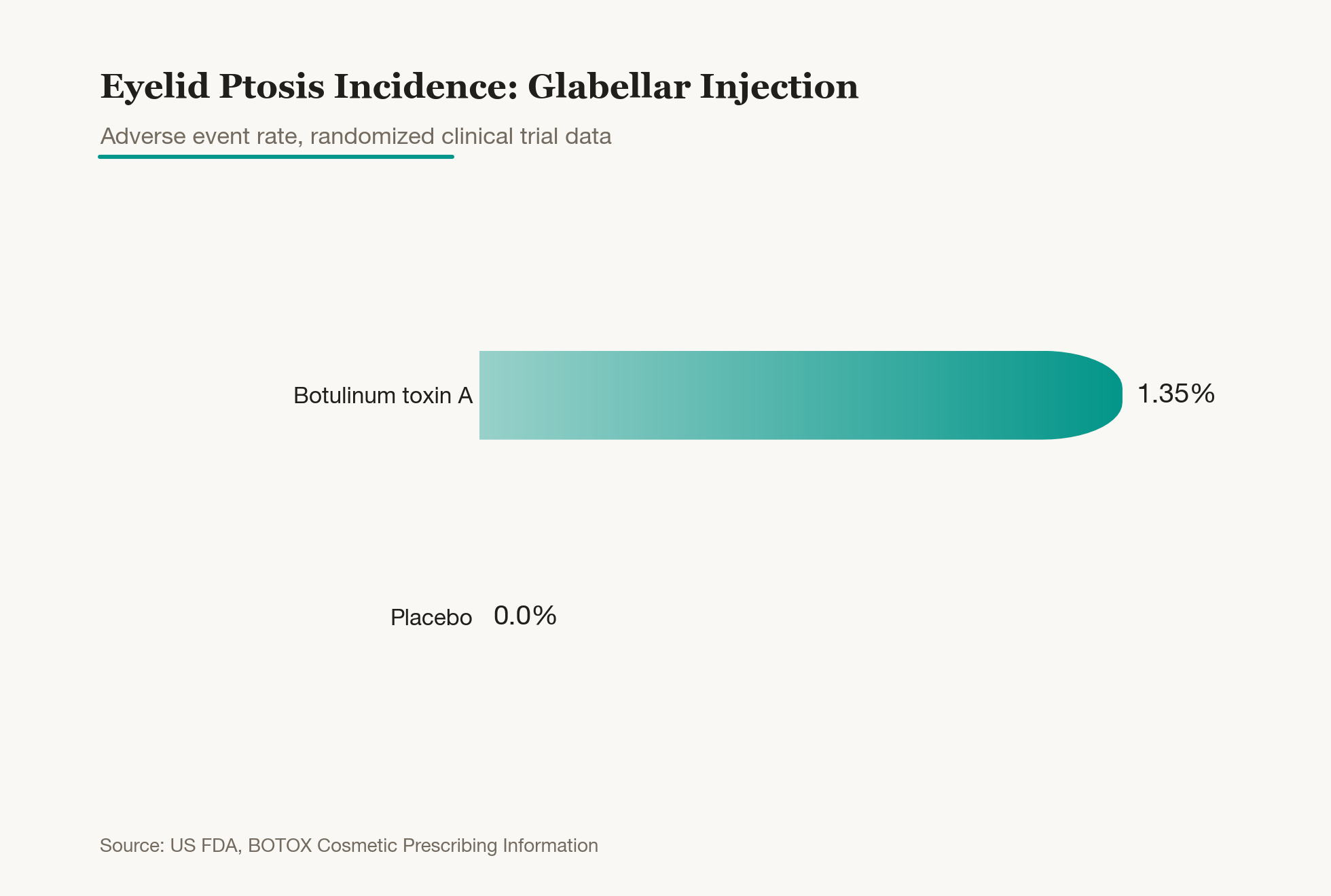
- Eyelid drooping: This can happen if the injected product spreads beyond the intended muscle and reaches the one that lifts the eyelid. It's why precise injection placement and depth matter so much.
- Unnatural expressions: Too high a dose, or spread into surrounding muscles, can reduce movement in areas you didn't intend to treat, leaving expressions looking stiff. Facial muscles are often interconnected and move together.
- Bruising and swelling: These can occur if the needle nicks a small blood vessel along the way, and they typically settle down naturally within a week.
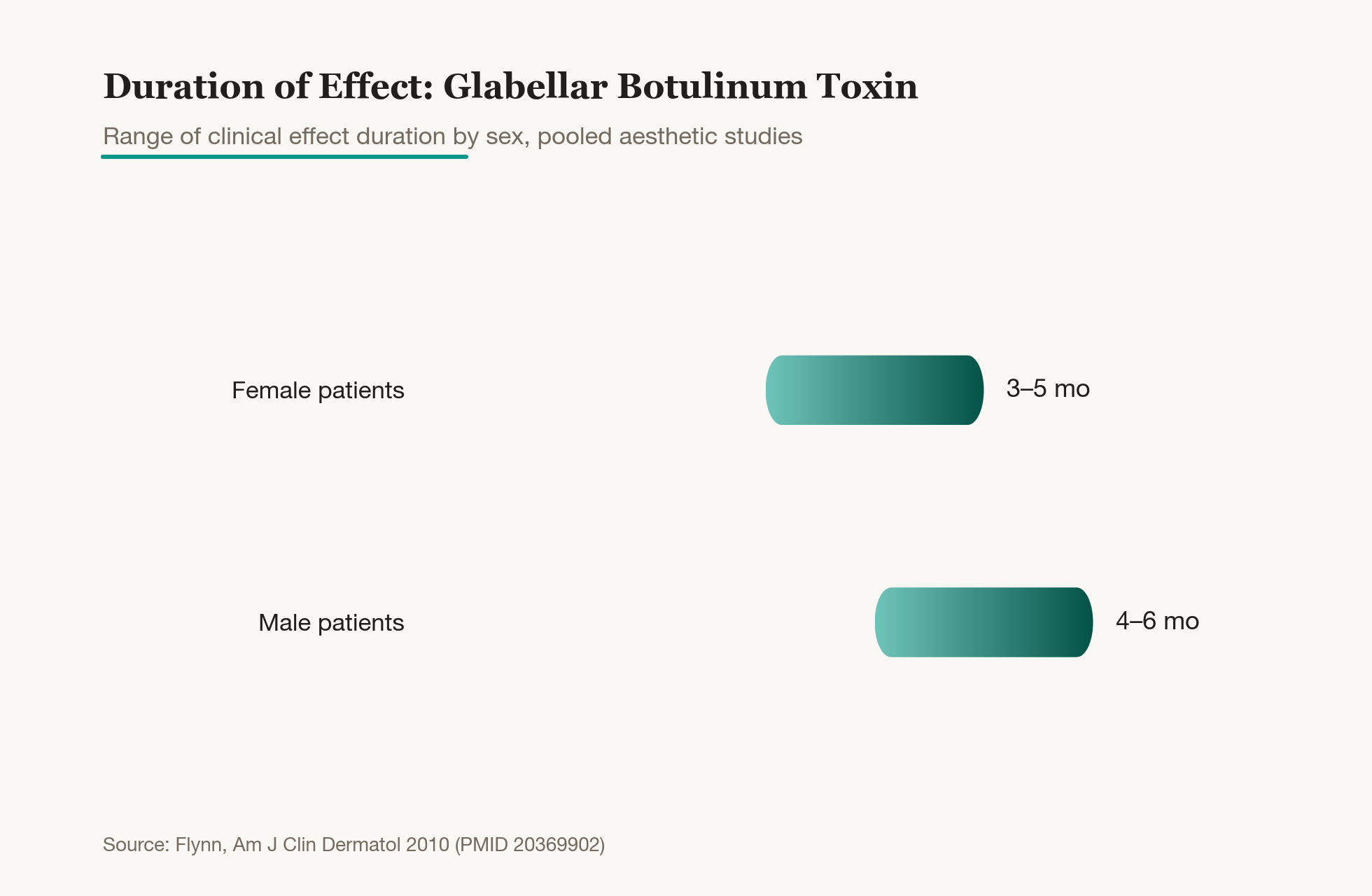
The effect generally lasts around four to six months. Over time, new nerve branches sprout alongside the blocked nerve endings and start carrying signals again, so the muscle gradually regains movement and the effect fades naturally along with it. That's why, if you're approaching this for prevention, it makes more sense to keep up with this cycle regularly rather than treating it as a one-time thing.
References
Korean Dermatological Association, American Academy of Dermatology (AAD), and Ministry of Food and Drug Safety (MFDS).
Was this helpful?
About this article
Written by a practising aesthetic physician and intended for general education — not a substitute for individual medical advice.
Read next
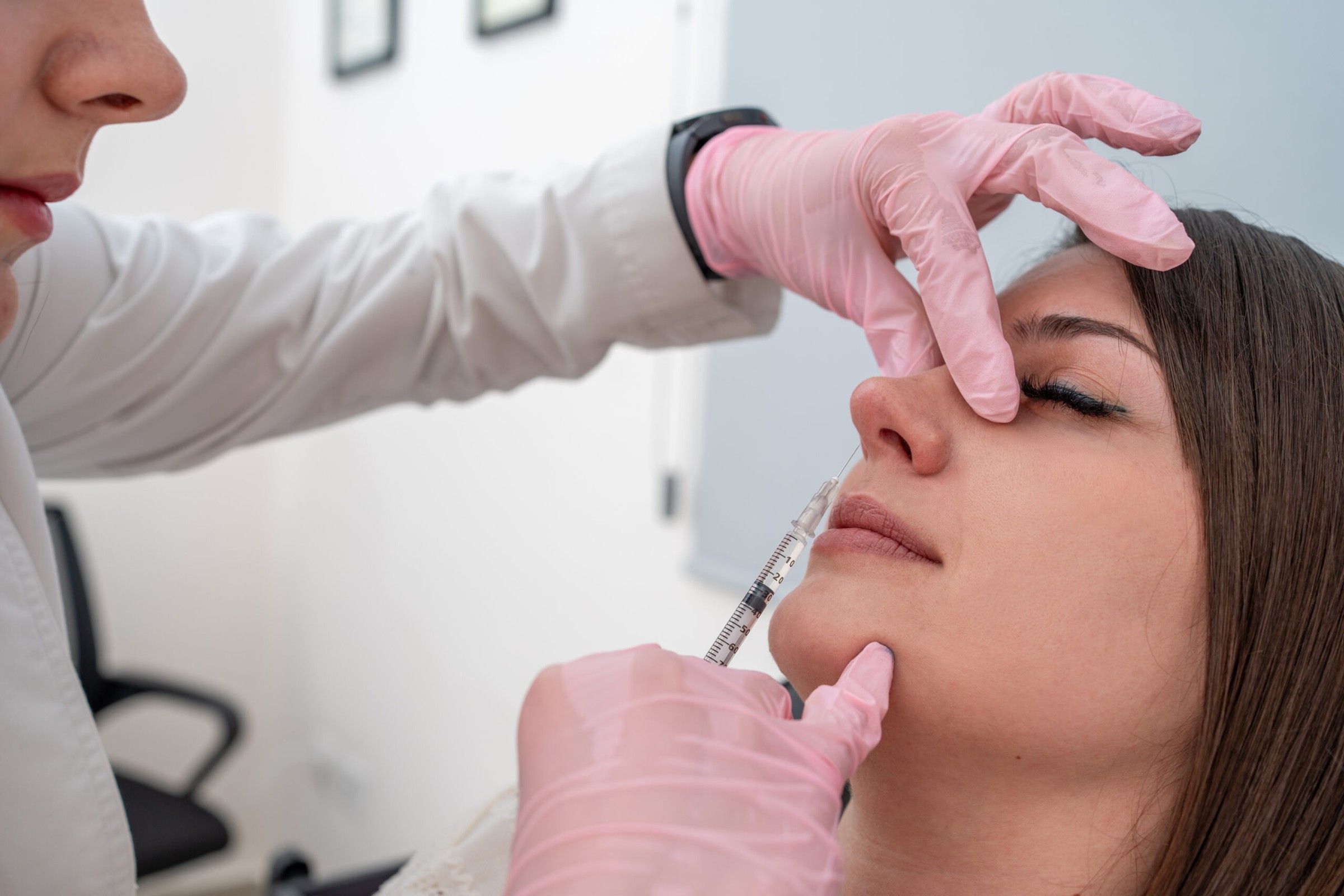
Nostril Botox: When Does It Start Working and How Long Does It Last?
Nostril botox targets the small muscle that makes the sides of your nose flare out when you smile or take a deep breath. Rather than reshaping or narrowing the nose, it only dials down that muscle's pull, which is what sets it apart from other nose treatments. Here is a breakdown of which muscle is responsible and exactly how botox acts on it.
By Dr. Lee
Forehead Botox: When It Starts Working, How Long It Lasts, and Aftercare
Forehead lines form when the frontalis muscle contracts over and over with everyday expressions. Botox works by blocking the nerve signal that tells this muscle to move, not by dissolving the wrinkle itself. Here is how the muscle gets quieted down and why the effect eventually wears off.
By Dr. Kim
Blackheads: Causes, Care and Is It Okay to Squeeze Them by Hand?
Blackheads aren't trapped dirt. They're a plug of sebum and dead skin cells inside the pore that turns dark through oxidation. Here's why extracting them often leaves marks, and which ingredients actually help, explained through the science behind it.
By Dr. Kim