Nostril Botox: When Does It Start Working and How Long Does It Last?
By Dr. Lee7 min read
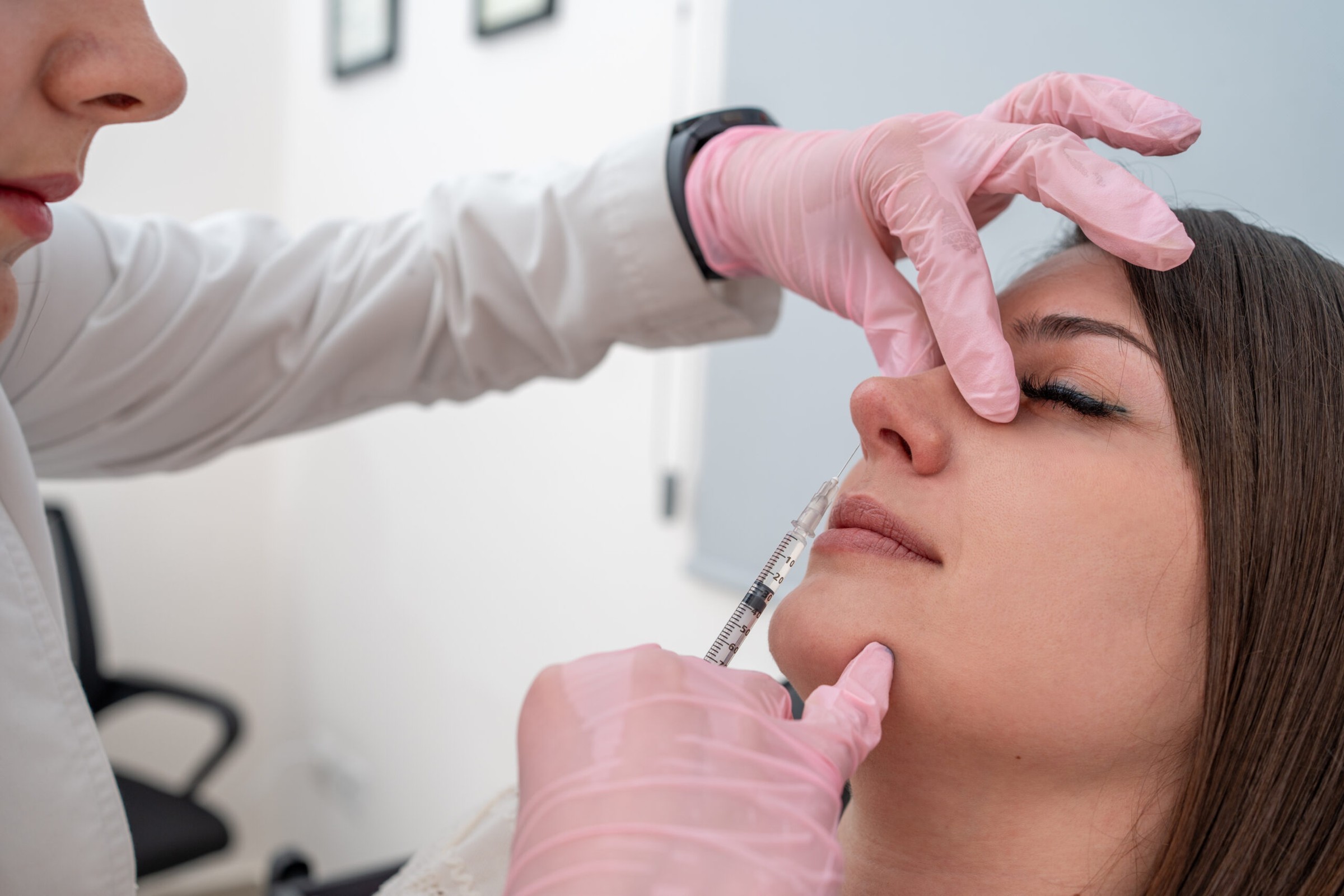
Look in the mirror and give a big smile, and some people notice the skin beside the nose stretching outward, making the nostrils look wider. It usually stays unnoticeable at rest and only shows up when smiling, talking, or breathing in deeply. This is called nostril flaring, and it has less to do with the shape of the nose itself than with how hard a small muscle attached beside it is pulling.
That is why the approach is different from procedures that reshape or narrow the nose. Nostril botox does not touch bone or cartilage at all. It simply reduces the strength of the muscle that pulls the nostril sideways. It may seem odd that adjusting just one muscle can change how an expression looks, but once you see which muscle is involved and what botox actually does there, it makes sense.
Why do nostrils flare only when you smile?
At rest, the nostrils barely move. The real action happens when you make an expression. When you smile broadly or talk, the muscles across your whole face activate together, and the small muscle beside the nose contracts along with them, pulling the nostril outward and downward.
Something similar happens when you take a deep breath. At moments when your body needs more air, a reflex widens the nostrils so more air can get in. This is naturally meant to help with breathing, but in people where this muscle is unusually well developed or gets used often, the nostrils visibly flare every time they make an expression.
In other words, nostril flaring is less about the structure of the nose and more about an exaggerated muscle response. If you compare a resting photo with a smiling photo, the shape of the nose itself is identical, yet only the smiling photo shows the nostrils looking wider, and this muscle is the reason why.
Which muscles pull the nostril wings?
The movement comes from one of the nasalis muscles that sit beside the nose. Because its job is to flare the nostril open, it is called the nostril dilator muscle. It is a thin, small muscle spread along the rim of the nostril.
Thinking of it as a rubber band makes it easier to picture. It usually sits loose, but the moment it engages, it pulls taut and flares the nostril to the side. Since the direction the muscle contracts lines up exactly with the direction that widens the nostril, the harder this muscle fires, the wider the nostril flares.
Right next to it sits another muscle that lifts the upper lip while also pulling on the nostril. Because it tugs on both the upper lip and the side of the nostril at the same time, the lip corner lifting during a big smile and the nostril flaring often happen in the same instant. Since these two muscles pull in similar directions from different spots, how strongly each one fires varies from person to person, which is why the degree and shape of nostril flaring differs from face to face.
How does Botox act on the muscle?
Botox, or botulinum toxin, does not get rid of the muscle itself. It works at the junction where a nerve connects to a muscle, blocking the nerve from delivering its "move" command to the muscle.
Picture the muscle as a speaker and the nerve as the wire carrying the signal to it. Botox does not break the speaker. It weakens the signal running through the wire. Once the signal is weaker, the speaker, meaning the muscle, cannot respond as forcefully as before, no matter how many times it receives the command.
Nostril botox applies this same principle to the nostril dilator muscle. Injecting a small dose of botox into the muscle weakens the nerve signal reaching it, so the force of contraction drops when you smile or breathe in deeply. The muscle does not stop working entirely. It simply loses the strength needed to yank the nostril wide open. The result is that ordinary breathing is unaffected, while the flaring that shows up when smiling is reduced.
When results appear and how long they last
It takes time for botox to interrupt the signal between nerve and muscle. The effect does not appear right after the injection. Reports commonly describe the muscle's response fading gradually over several days to one or two weeks, since the body needs time to reset how signals travel through that area.
Once the effect sets in, it does not stay permanent. Over time, the body forms new connections around the nerve endings that were blocked, and through this process the muscle gradually regains its original strength. As with botox anywhere else on the face, nostril botox is generally reported to hold for a few months before gradually fading.
Because of this, it is not a one-time procedure. It is meant to be repeated once the effect starts to wear off in order to maintain the result. Some reports suggest that with repeated treatments the muscle itself gradually thins, extending the interval between sessions, though this varies from person to person depending on muscle thickness and habitual use.
Are some nostrils more responsive to Botox?
Nostril flaring can stem from the muscle, from the structure of the nasal cartilage or bone being naturally wide, or from a mix of both. Since botox only reduces muscle movement, it tends to show clear results when the nostrils look fine at rest but flare noticeably when smiling or making expressions.
On the other hand, if the nostrils look wide even at rest and stay that way regardless of expression, structure is likely playing a bigger role than muscle. In that case, reducing muscle force alone may only bring limited change. This is why comparing the shape of the nostrils at rest versus while smiling beforehand is genuinely useful.
It is also worth noting that people who have trouble breathing through the nose, or whose nose is frequently blocked due to conditions like rhinitis, may already be relying heavily on this dilator muscle to breathe. Weakening it could make breathing feel more uncomfortable, so checking breathing status beforehand matters.
Four things to check before injection
Because nostril botox targets a small area where precise dosing matters, the following points are commonly reviewed beforehand.
- Dose control: Injecting more than needed can flatten the nostril too much and make nasal breathing uncomfortable, so starting with a small dose and watching the response is the safer approach. The goal is to reduce the muscle's force, not eliminate it entirely.
- Balance with neighboring muscles: If the muscle that lifts the upper lip is affected as well, the lip may not rise as much when smiling, so precise placement matters. Because the muscles sit close together, even a slightly off injection point can end up affecting the wrong one.
- Checking left-right asymmetry: Many people flare more on one side than the other, so rather than injecting the same amount on both sides, the dose is often adjusted to match each side's natural degree of flaring. This reflects the fact that the pulling force of the muscle can develop differently on each side to begin with.
- Checking breathing beforehand: In people who deal with frequent nasal congestion or a deviated septum, the nostril dilator muscle may already be helping with breathing, so this is checked in advance. The point is to anticipate whether weakening this muscle could make breathing feel harder.
Precautions for the few days after injection
While botox is settling in over the first few days, it is best not to press or massage the injected area firmly. If the product has not yet settled and spreads to nearby tissue, it can end up weakening muscles that were never meant to be affected.
Some swelling or mild bruising can appear in the first few days after treatment, and this is often reported to resolve naturally over time. Areas like the nostril, where thin skin sits over blood vessels, tend to show bruising a little more visibly than other areas.
During the one to two weeks it takes for the effect to show up, it helps to check your smile in the mirror periodically. Since muscles respond at different speeds, it is often recommended to wait a bit longer if the effect still feels weak during this window. And if any discomfort with breathing shows up, it is safest to let the clinic know right away.
References
Korean Dermatological Association, American Academy of Dermatology (AAD), and Ministry of Food and Drug Safety (MFDS).
Was this helpful?
About this article
Written by a practising aesthetic physician and intended for general education — not a substitute for individual medical advice.
Read next
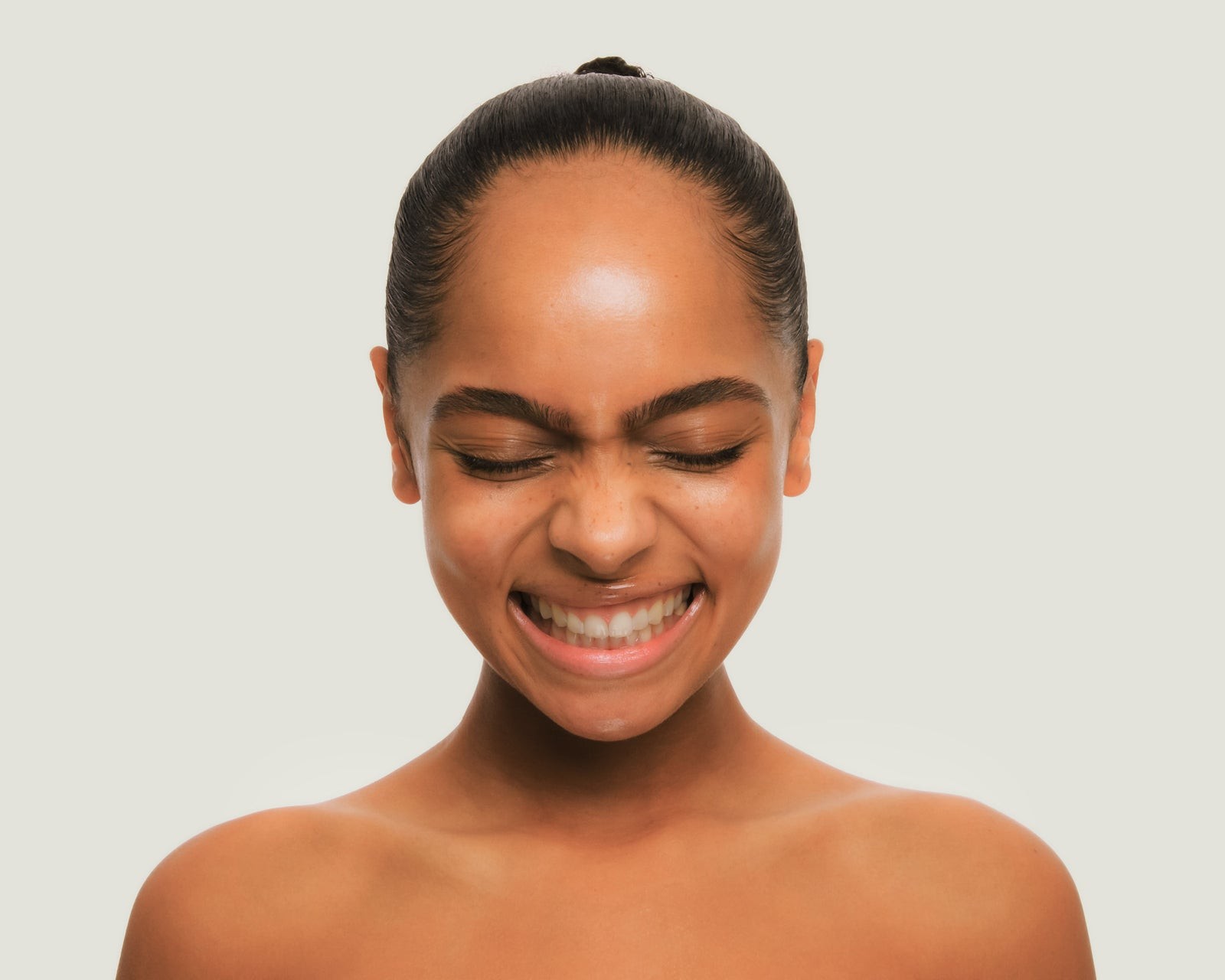
Bunny Lines Botox: Effects, Duration and Side Effects
Bunny lines are the horizontal creases that appear across the nose bridge when you smile or scrunch your nose, caused by contraction of the muscle that presses down on the nasal bridge. Here's why that muscle fires, how Botox reduces its movement, and what to know about dosing, duration, and side effects.
By Dr. Lee
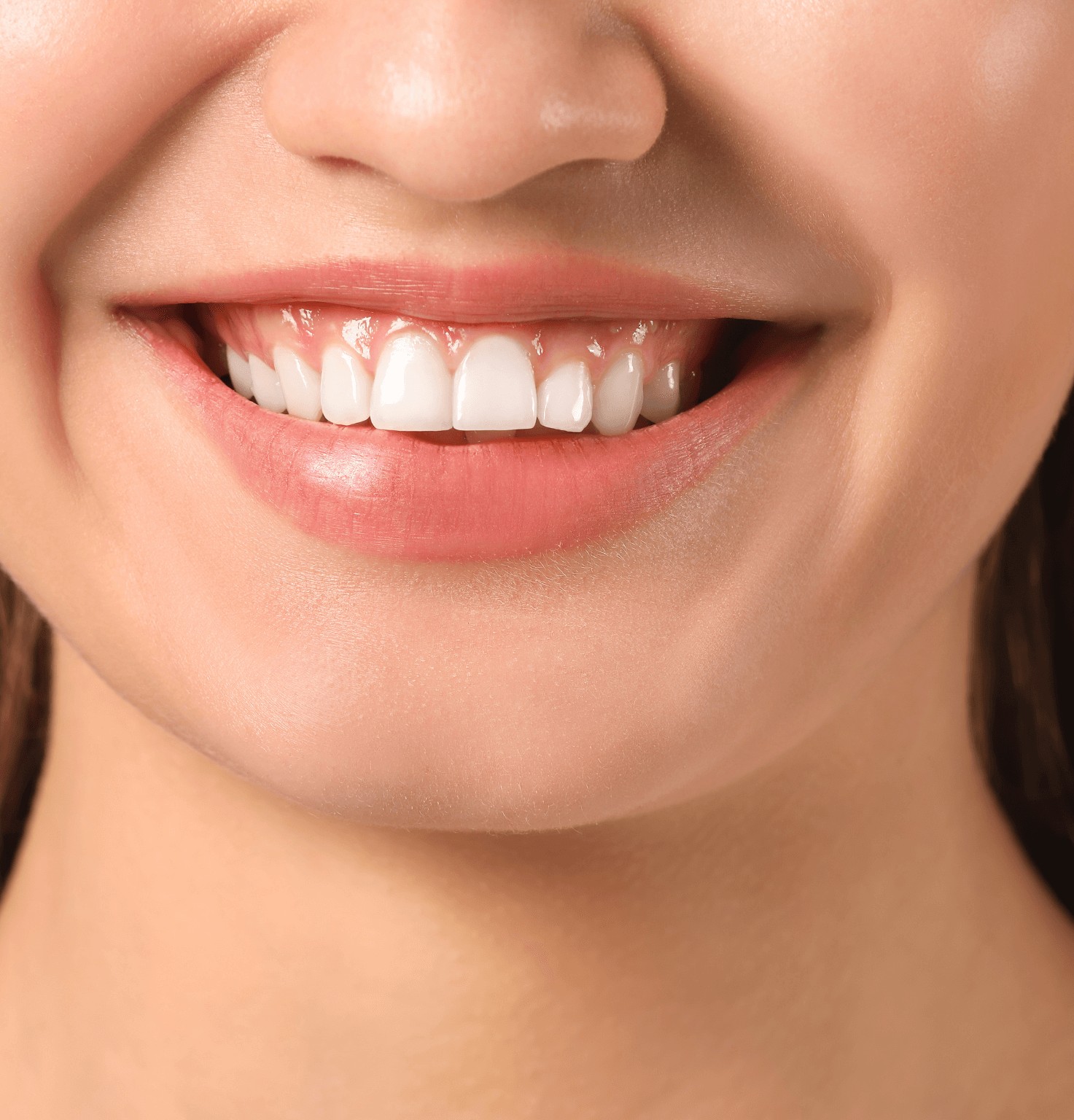
Gummy Smile Botox Effects, Duration, and Side Effects
A gummy smile happens when your gums show more than usual as you smile, and an overactive lip-lifting muscle is one of the most common causes. Botox works by slightly reducing the strength of that muscle so your lip doesn't rise as high when you laugh. Here's how to tell whether muscle is really the cause, plus how long the results tend to last.
By Dr. Lee

Chin Filler for the E-line: Which Product Suits a Recessed Chin?
When chin filler is used to correct a recessed chin in profile, here's why it calls for a firm filler rather than the soft kind used on cheeks or lips, which products are used, how long results last, and how safe the treatment is, laid out in plain terms with real clinical research.
By Dr. Kim