Swelling After Treatment: When Is It Worst and When Does It Go Down?
By Dr. Kim7 min read
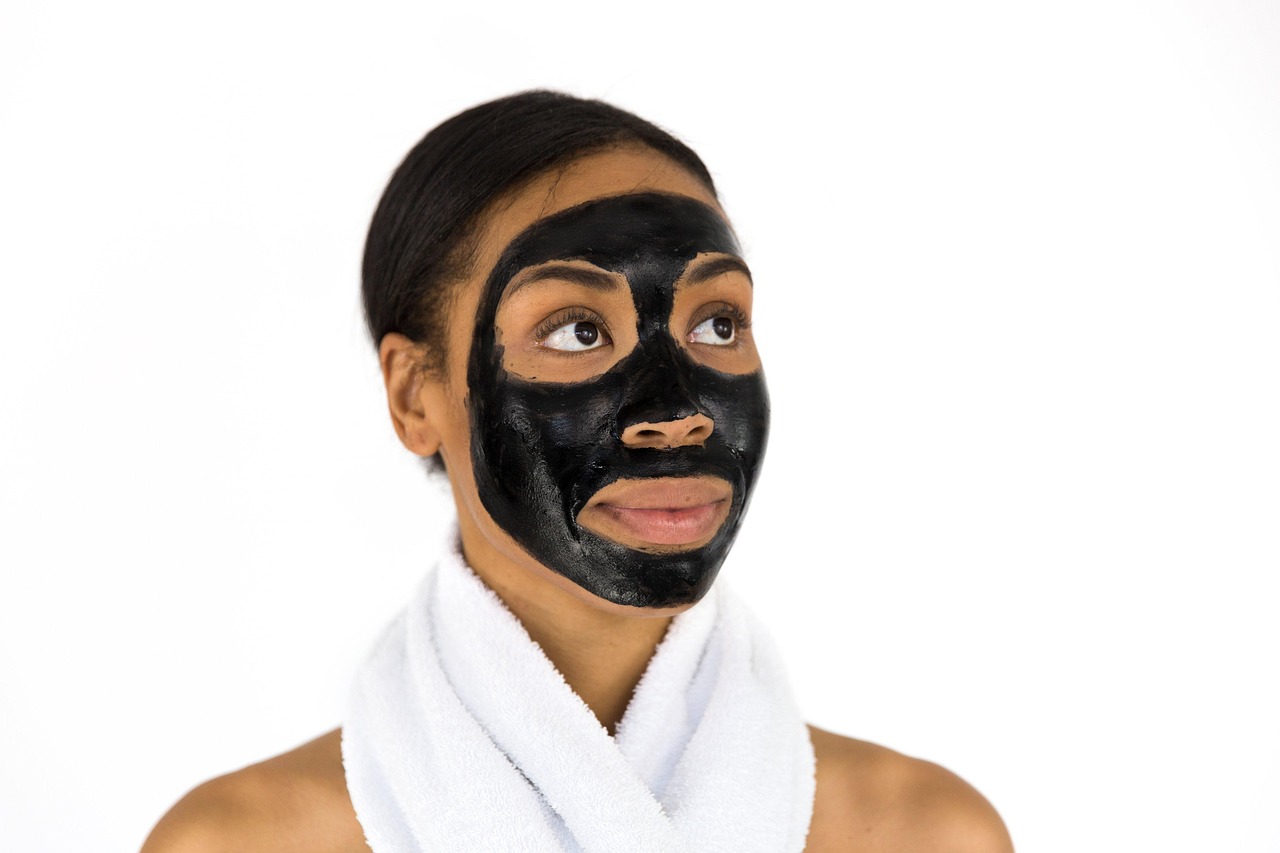
Most people end up with a puffy face for a few days after a treatment. Whether it's a laser, a filler, or a lifting procedure, the degree varies but swelling almost always shows up. Yet most patients never get a clear explanation of why it happens, when it peaks, or when it actually goes down, so they just wait it out.
Swelling is a normal response your body switches on to repair damage. But once you understand the order in which that response unfolds, how you manage it changes too. Sticking with cold compresses for too long, or starting massage too early, can actually slow recovery down. Let's walk through how swelling builds up and how it clears, stage by stage.
Why Does Swelling Happen After a Procedure?
Needles, laser heat, or threads all create tiny injuries at the treatment site. Once your body senses that damage, it dilates the blood vessels there and loosens the junctions between vessel walls slightly. That lets plasma, the clear fluid part of blood once you remove the cells, leak out into the surrounding tissue. That leaked fluid is what swelling actually is.
Think of it like a tightly woven sponge mesh that suddenly has a few small holes poked in it, letting water seep through more easily than before. Fluid only crosses over during that brief window when the vessel walls are looser than normal. Once the walls tighten back up, the leak stops too.
Substances like histamine and prostaglandins (signaling molecules that trigger inflammation) drive this response. When their levels rise, blood vessels widen and the gaps in their walls open further, drawing in more blood and immune cells to help repair the damaged area. Swelling is essentially the byproduct of that process.
When Is Swelling Worst, and How Does It Go Down?
Swelling is usually at its worst somewhere between the day after treatment and day two. Right after the injury, the vessel-widening response hasn't fully kicked in yet, but by around the one-day mark, the inflammatory response hits its peak.
After that, swelling doesn't disappear all at once, it clears in two stages. First, the fluid that gets reabsorbed back into the bloodstream drains out, and the visible size drops noticeably. Then, the remaining fine puffiness gets cleared gradually through the lymphatic vessels, a separate network of channels that collects fluid from between tissues and returns it to the veins.
For lighter treatments, visible swelling typically settles within one to two weeks. But procedures that involve broader tissue damage, like lasers or lifting treatments, can take two to four weeks. Very subtle residual puffiness can sometimes linger for months before fully disappearing.
When Should You Switch From Cold to Warm Compresses?
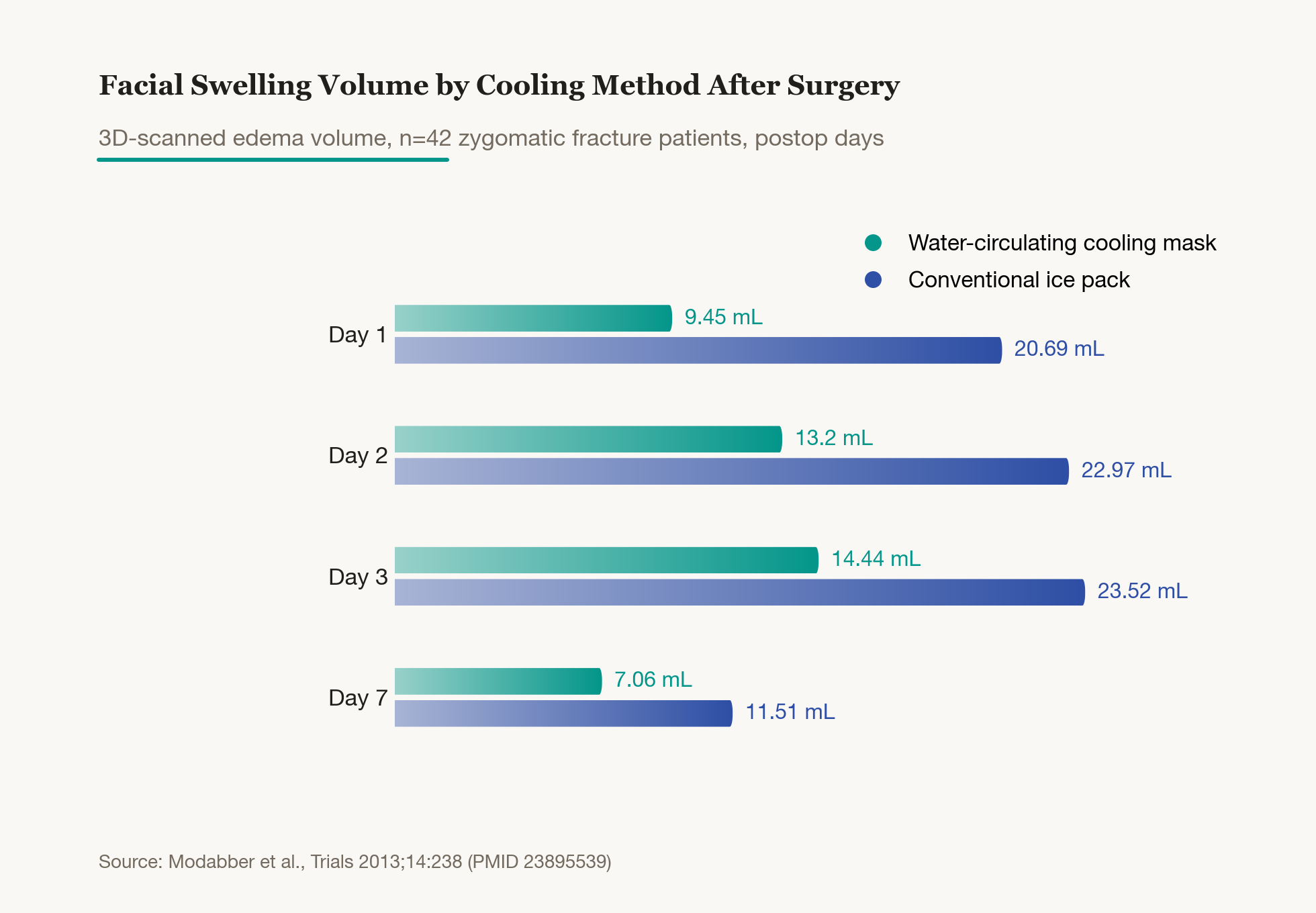
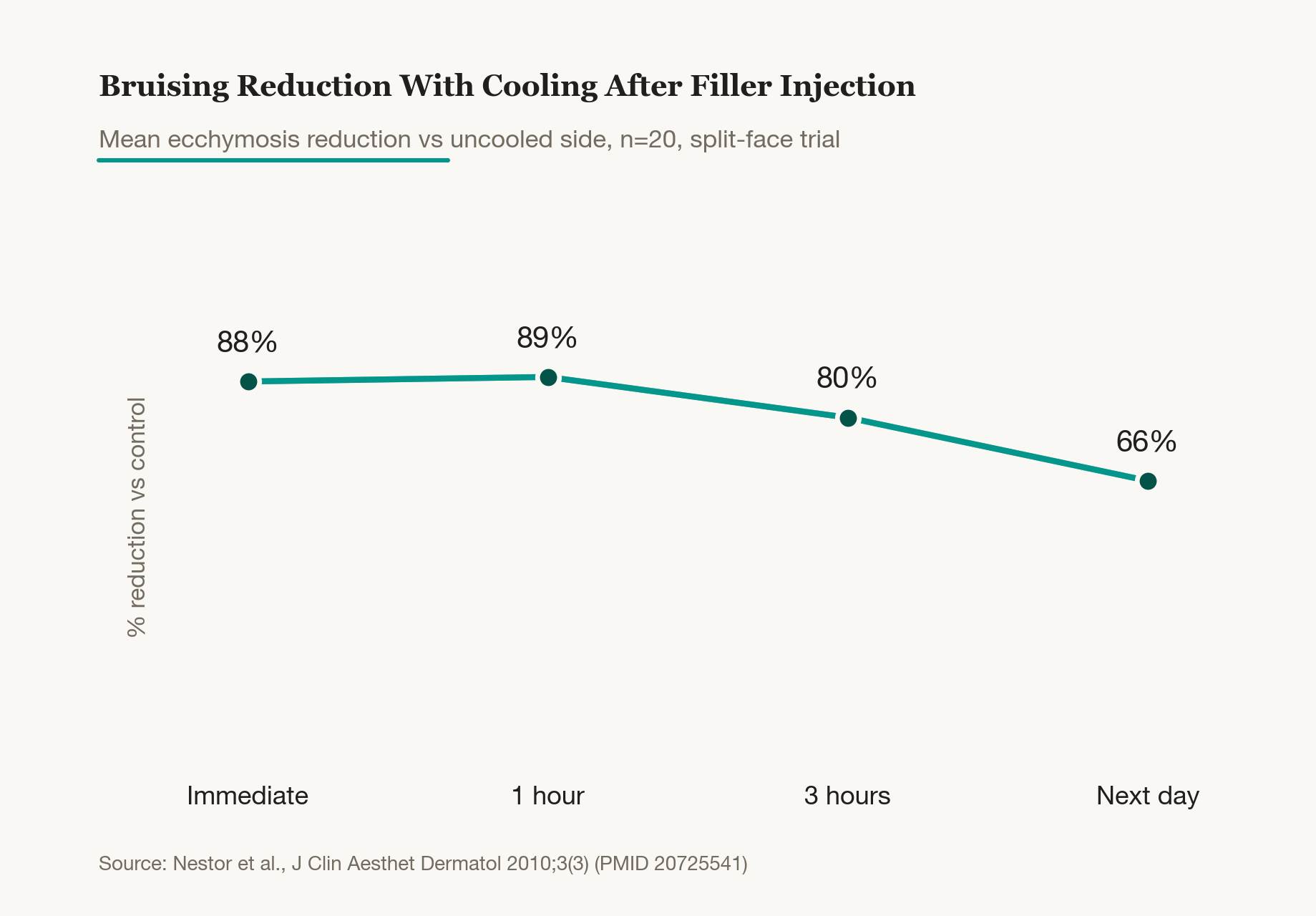
Right after a treatment, cold comes first. Cold temperatures constrict blood vessels, which reduces how much plasma leaks into the tissue in the first place. It's essentially narrowing the holes the fluid is escaping through, which helps limit both swelling and bruising early on.
But keeping up cold compresses for too long can actually slow recovery. If the vessels stay constricted, less blood reaches the area to support healing. That's why switching to warm compresses around two to three days after treatment is generally recommended. Warmth does the opposite, it widens the vessels and boosts circulation, helping carry away the fluid and waste that has already leaked out more quickly.
Here's a quick summary of when to use cold versus warm:
- Day of treatment through day 2: Cold compress. Constricting the vessels early keeps swelling and bruising from getting worse.
- From day 3 onward: Warm compress. Boosting circulation helps absorb the swelling that has already formed, faster.
- Temperature and duration: Keep it moderate, not too cold or too hot, for about 10 to 15 minutes at a time. Overdoing the temperature adds extra irritation to the skin and can slow recovery down.
When Can You Start Lymphatic Massage?
Once swelling has settled down somewhat, gentle lymphatic massage can help. Unlike muscles, lymphatic vessels can't contract strongly on their own, they rely on movement in the surrounding tissue to push fluid along. That's why light pressure applied in the right direction helps pooled fluid drain more efficiently toward the veins.
That said, massage should only start once the tissue has stabilized somewhat, not right after the procedure. Pressing firmly on tissue that hasn't settled yet can actually rupture tiny blood vessels again or make swelling worse. For treatments that involve compression bands or masks, the pressure itself works by narrowing the space between tissues, which helps prevent fluid from pooling back up.
How Pillow Height and Salty Food Affect Swelling
Simply raising your head a little while you sleep can make a real difference. Lying with your face lower than your heart for long stretches lets gravity pull more blood and tissue fluid toward the face. Propping up an extra pillow to keep your face slightly above heart level makes it easier for that fluid to naturally flow back down.
Salty food is another factor that makes swelling worse. Sodium holds onto water in the body, so eating salty food increases your overall fluid volume, which means more fluid leaking into the tissue as well. Drinking enough water, on the other hand, helps your kidneys filter out sodium and waste more efficiently.
Light movement, like walking, helps too. When your leg muscles repeatedly contract and relax, that motion acts like a pump, pushing fluid in your veins and lymphatic vessels back toward the heart. Sitting still all day barely activates this pump, so fluid tends to pool more easily in both the lower body and the face.
Habits to Avoid in Early Recovery
For the first few days after treatment, steering clear of the following helps recovery go more smoothly.
- Alcohol: Alcohol widens blood vessels, which makes swelling worse. It essentially undoes the constriction your cold compress created, so it's best avoided early on especially.
- Intense exercise: A raised heart rate increases blood flow throughout the body, including to the treatment site. In vessels that haven't stabilized yet, that extra blood flow can make swelling worse rather than better.
- Saunas or steam rooms: High heat widens blood vessels significantly, which can amplify both swelling and warmth in the early recovery period.
- Sleeping face down: Pressing your face downward makes it easier for tissue fluid to pool right there.
Which Kinds of Swelling Should You Report to the Clinic?
Most swelling is a normal reaction that resolves on its own with time. That said, if swelling is unusually severe on just one side, keeps getting worse rather than better over time, or comes with intensifying warmth and pain, it's worth getting checked, since that could point to an infection or another issue.
Generally speaking, visible swelling settles within one to four weeks depending on how intense the treatment was, and very subtle residual puffiness can take longer than that. Rather than rushing through massage or compresses too aggressively, following your body's natural recovery order actually tends to lead to a faster result in the end.
How quickly swelling resolves varies from person to person. As we age, the elasticity of blood vessels and lymphatic vessels tends to decline, which can slow recovery down, while people with naturally good circulation tend to see swelling clear faster even after the same treatment. So rather than comparing your recovery pace to someone else's, it's better to watch your own progress and give your body the time it needs.
References
Korean Dermatological Association, American Academy of Dermatology (AAD), and Ministry of Food and Drug Safety (MFDS). </content>
Was this helpful?
About this article
Written by a practising aesthetic physician and intended for general education — not a substitute for individual medical advice.
Read next
Cryo Cooling Care: Does It Help the Burning Feeling After Treatment?
Cryo cooling care uses low temperatures to constrict surface blood vessels, easing the heat and redness that follow laser or peel treatments. Here is how cold slows nerve signaling and the inflammatory response, and why that can shorten your recovery time.
By Dr. Kim
Swelling, Bruising, and Downtime After Treatment: How Many Days Does It Take?
The questions people ask most when downtime is the biggest worry before a treatment. What downtime actually means, why recovery time differs by procedure, how long redness and bruising last, when you can wear makeup again, when to resume exercise and sauna, and how to speed up recovery.
By Dr. Lee
Cafe-au-Lait Spots Returning After Laser: Causes, Number of Sessions and Expectations
A café au lait spot forms because the pigment-making cells in that one patch of skin are locally overactive. Laser treatment breaks up the pigment that has already built up, but it doesn't switch off those cells, which is why the color so often returns. Here's the biology behind it, why results differ so much from person to person, and what a realistic treatment timeline actually looks like.
By Dr. Kim