Cryo Cooling Care: Does It Help the Burning Feeling After Treatment?
By Dr. Kim6 min read
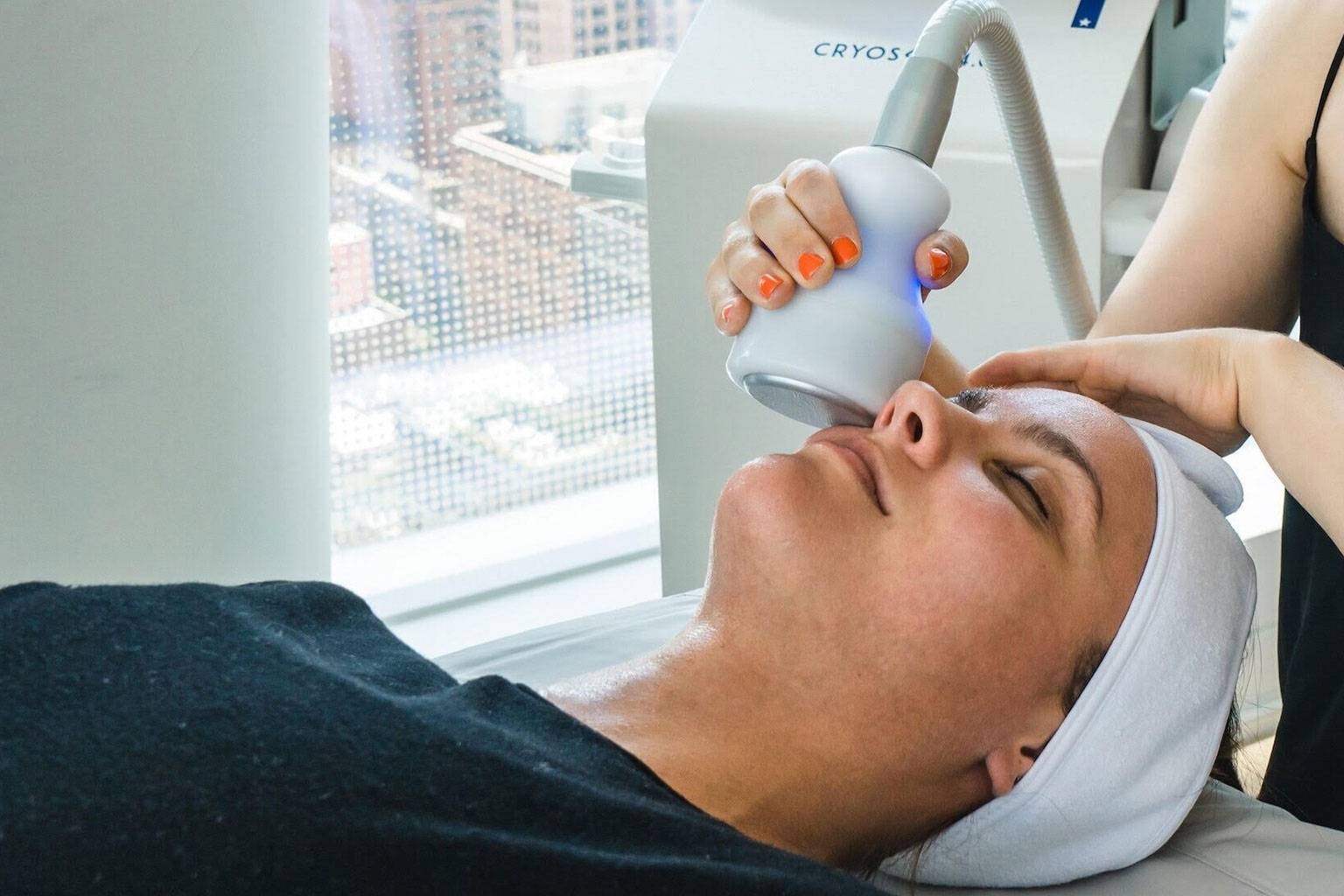
After a laser or peel treatment, skin often feels hot and looks flushed. The damaged tissue starts its repair response, and that brings heat with it. Left alone, this heat can make swelling and irritation linger longer. That is why many treatments pair with a step that quickly lowers skin temperature right afterward, and that step is cryo cooling care.
What is cryo cooling care?
The word cryo comes from a root meaning cold. So cryo cooling care simply means delivering cold temperature to the skin to bring heat down. The principle is similar to holding an ice pack against the body, but the temperature and contact method here are controlled far more precisely.
Briefly touching a cooled device or cooling pack to the treated area drops the skin surface temperature quickly. That temperature shift then affects blood vessels, nerves, and inflammation across several stages. So the benefit goes well beyond simply feeling cool.
Why does cooling calm redness?
Skin is threaded with a dense network of tiny blood vessels called capillaries. When a treatment irritates the skin, these vessels widen and blood rushes in, which is why the skin looks red. It is a bit like a hose left wide open, water gushing through.
When cold touches the skin, the muscle in the vessel walls contracts. The passage narrows, and blood flow to that area drops. It works the same way as pinching a hose to thin the stream.
Less blood flow means less heat pooling there, and redness and swelling settle down along with it. Inflammatory substances that travel through the bloodstream also build up less in that spot, so the irritation spreads more slowly.
How does it reduce the burning feeling?
At the ends of skin nerves sit small sensor-like proteins that detect temperature. When cold touches the skin, these sensors fire first and quickly send a cool signal up to the brain.
Pain and burning signals travel along that same pathway. So when the cool signal arrives first and strongly, the burning signal that follows gets relatively drowned out. It is similar to two sounds trying to pass through one narrow doorway at once, where the louder one arriving first muffles the other.
Thanks to this process, the stinging or heat felt right after a treatment registers as milder than it actually is. The underlying damage has not disappeared, but easing the discomfort makes the recovery period more bearable.
Does it reduce inflammation and swelling too?
When skin is damaged, the body sends immune cells to the area to begin repair. These cells release chemicals that trigger inflammation, and those chemicals widen blood vessels and stimulate nerves, which is what causes swelling and pain.
These chemical reactions are sensitive to temperature. Just as food kept in a refrigerator spoils more slowly than food left at room temperature, the chemical reactions happening inside cells also slow down when temperature drops. So lowering skin temperature also slows how quickly inflammatory substances form and spread.
A slower reaction does not mean recovery stops. It means the response that would otherwise hit all at once unfolds more gradually, which can lower the peak intensity of swelling and irritation.
After which treatments is it especially needed?
Laser and peel treatments deliberately create tiny surface damage to trigger renewal. Right afterward, skin often carries a heat sensation similar to a mild sunburn. Cooling care helps calm that excess heat and swelling in the moment. It tends to help most in situations like these.
- Burning right after laser toning: Laser energy breaks down pigment in the skin, and that process generates heat, so lowering skin temperature right after treatment keeps the heat sensation from lingering.
- Redness after a peel: Peel ingredients strip away the outer layer of dead skin, temporarily thinning the skin barrier. Cold applied at this point suppresses vessel widening, so redness does not stay as long.
- Swelling after filler or lifting treatments: A needle or thread passing through tissue causes minor damage that triggers a response. Cooling can help bring down early swelling faster.
The treatments differ, but heat, redness, and swelling show up together in each case, so the principle behind cooling care applies in much the same way no matter the procedure. That is why cooling care often accompanies very different treatment areas and methods.
Contact versus non-contact cooling, what's the difference?
Cooling care comes in different forms. Contact methods like ice packs or cooling gel masks pull heat from the skin through conduction, the cold object drawing heat away directly. It works on the same principle as heat moving from a warmer object to a cooler one whenever the two touch.
Devices that blow cold air, on the other hand, cool the skin by passing a stream of cold air over it. This allows finer temperature control than contact methods, and since there is no direct pressure on the skin, it tends to sit more gently on areas that are especially sensitive right after treatment.
Both approaches aim at the same goal, quickly lowering surface temperature to trigger vessel constriction and the nerve response. Still, choosing between contact and non-contact methods based on the treatment area and sensitivity level is the safer approach.
Thin, sensitive areas like around the eyes or mouth do better with the lighter pressure of a non-contact method. Broader, relatively thicker areas like the cheeks or forehead often benefit more from a contact method that pulls heat away more decisively.
Is it okay to cool for long or press hard?
Cold is not automatically better the longer or harder it is applied. Whether you receive cooling care at a clinic or do it at home, keep these points in mind.
- Do not go too cold or too long: Extended exposure to low temperature can cause blood vessels to constrict too much, cutting oxygen and nutrient supply to skin tissue. This can lead to damage similar to frostbite, so timing and intensity need to be controlled.
- Keep the treated area clean during cooling: Right after a laser or peel treatment, the skin barrier is weaker than usual, so a contaminated cooling tool can raise the risk of irritation or infection instead of helping.
- Avoid sudden heat right after cooling: If constricted vessels suddenly meet heat, they can widen again quickly, and redness can come back worse than before. That is why it helps to avoid saunas or washing with hot water right after a cooling session, since both involve a big temperature swing.
Keep these points in mind and cryo cooling care remains a fairly safe way to manage post-treatment recovery.
How to manage recovery after cooling care
Cooling care alone does not finish the recovery process. Consistent sun protection matters just as much after a treatment. Damaged skin is more prone to pigmentation, so blocking UV exposure on its own can change how the recovery turns out.
Moisturizing deserves just as much attention. A thinned skin barrier holds on to moisture less effectively, and keeping the skin well hydrated helps that barrier settle back into place. On the flip side, exfoliants or strongly fragranced products can add extra irritation, so it is safer to set them aside until recovery is complete.
Cryo cooling care works best alongside these other habits. Recovery does not end with a single step. Skin settles back into place more comfortably when cooling the heat, easing irritation, and protecting the barrier all happen together.
References
Korean Dermatological Association, American Academy of Dermatology (AAD), and Ministry of Food and Drug Safety (MFDS).
Was this helpful?
About this article
Written by a practising aesthetic physician and intended for general education — not a substitute for individual medical advice.
Read next
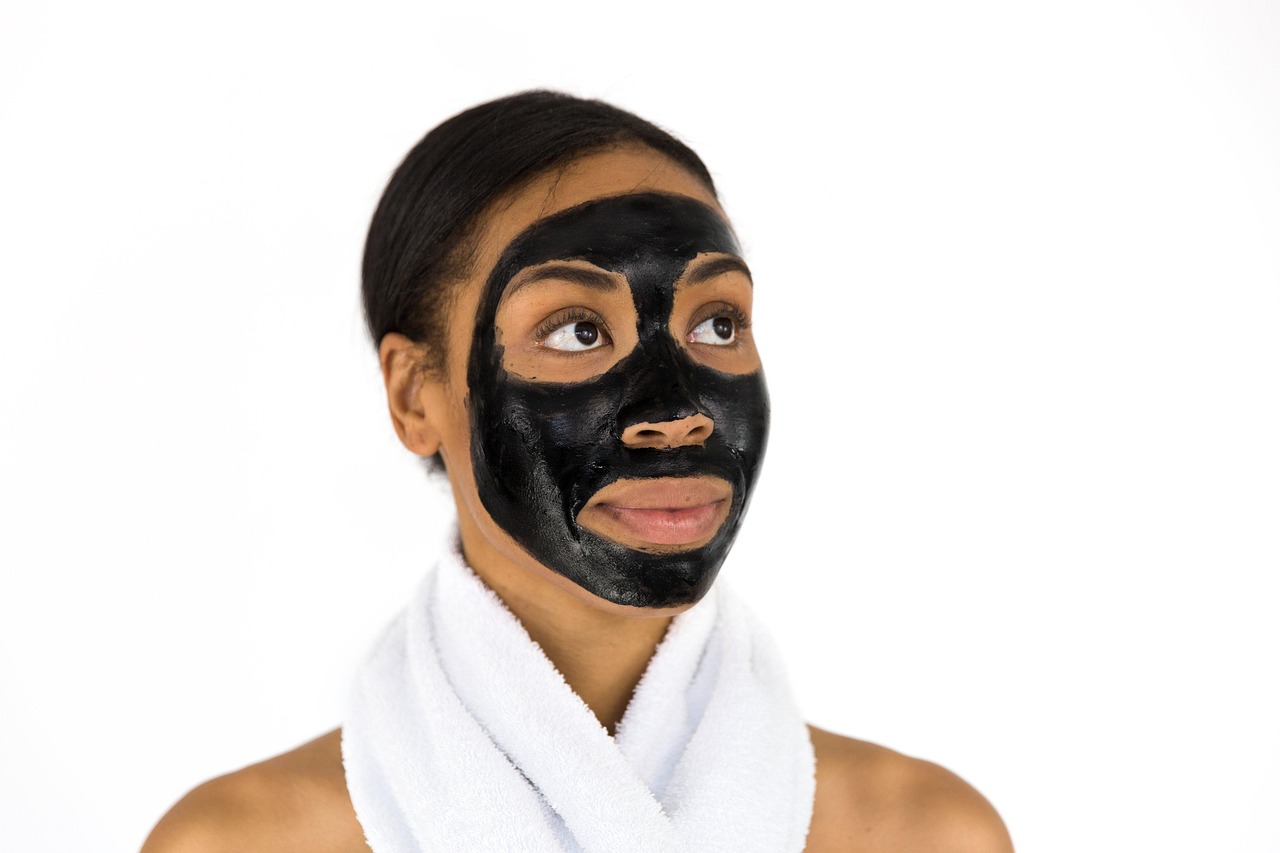
Swelling After Treatment: When Is It Worst and When Does It Go Down?
Swelling after a treatment doesn't just fade with time, it follows the recovery order of your blood vessels and lymphatic system, stage by stage. Here's why swelling changes the way it does, when to switch from cold to warm compresses, and which habits slow the process down.
By Dr. Kim
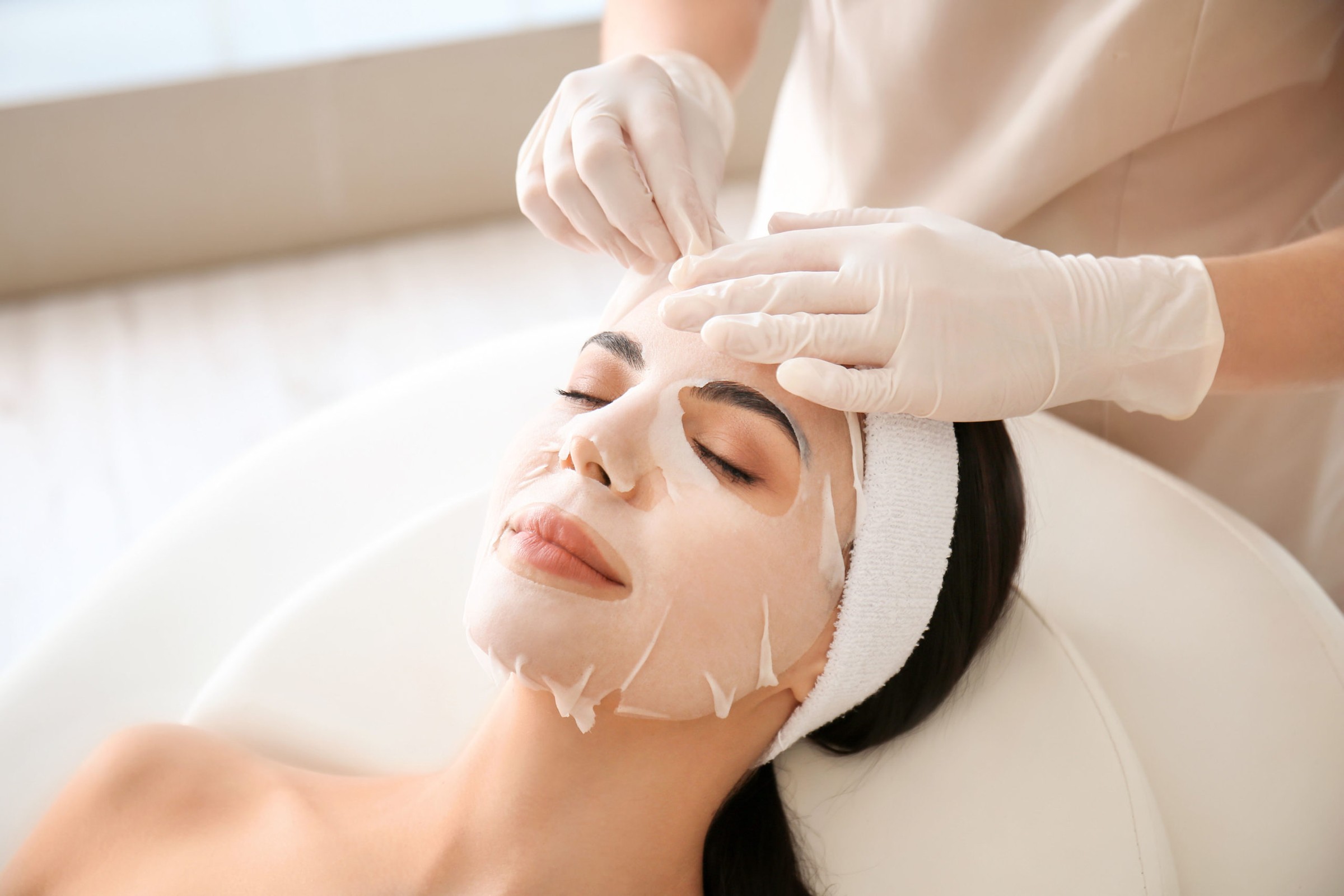
Why Skin Peels After a Chemical Peel: Does It Work on Acne and Pigment Too?
A chemical peel isn't about acid burning your skin. It works by loosening the bonds holding dead cells that are already due to shed, speeding up turnover that was happening anyway. Here's the difference between AHA and BHA, and how recovery time changes with strength.
By Dr. Lee
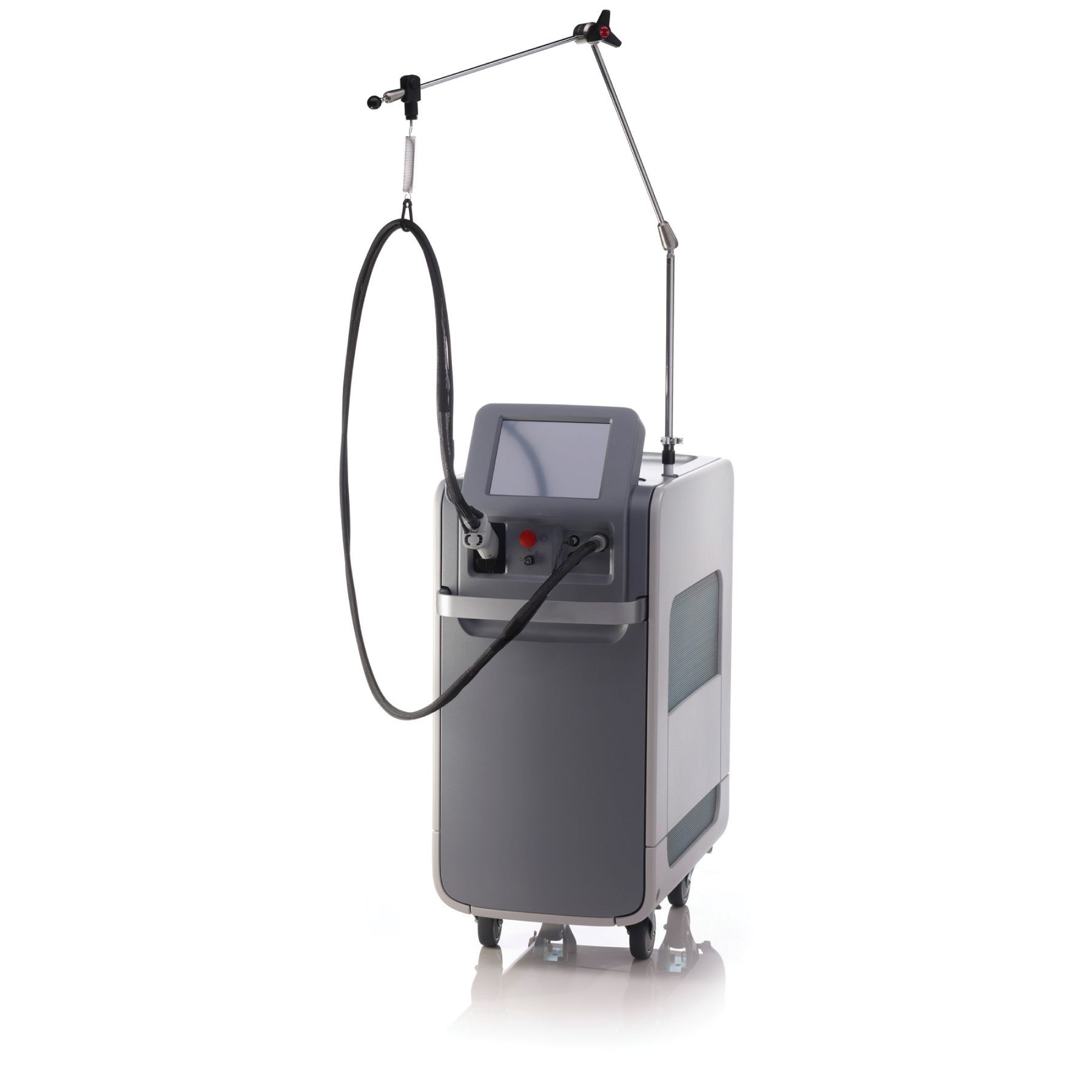
Alex Toning: Effects, How It Works, Side Effects and Aftercare
Alex toning uses a 755nm alexandrite laser that is selectively absorbed by melanin to fade dark spots and pigmentation. Here is how the wavelength concentrates heat only in pigment cells, and why treatments are split into multiple low-energy sessions.
By Dr. Kim