Swelling, Bruising, and Downtime After Treatment: How Many Days Does It Take?
By Dr. Lee7 min read
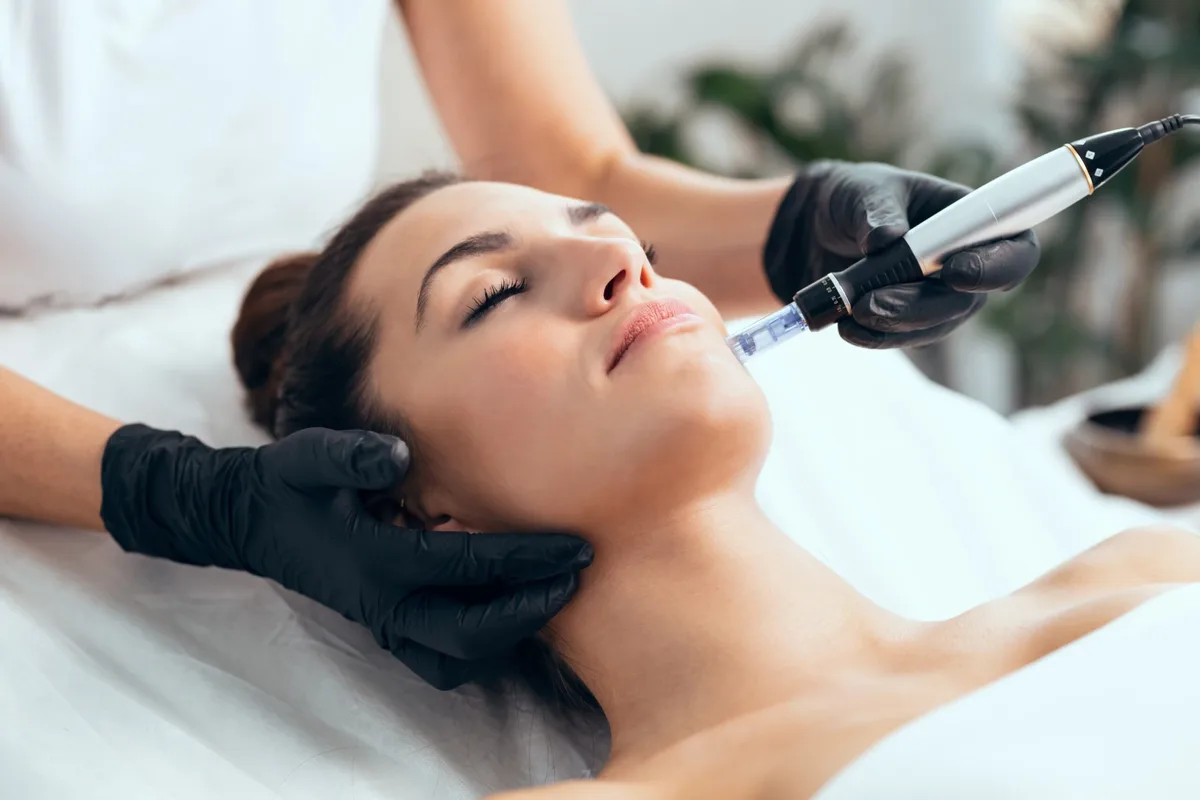
Downtime is one of the first things people worry about when booking a treatment. If there's an important event or a workday coming up, the questions start right away: how many days will the swelling or bruising last, and can makeup cover it. The trouble is, downtime varies so much from one treatment to another that it's hard to give one answer that covers everything. So here are the questions patients actually ask most about downtime and recovery, worked through in order: what downtime really means, how it differs by treatment, and how to speed things along. Knowing this ahead of time makes it a lot easier to plan around, and a lot less stressful.
What is downtime?
Downtime refers to the period after a treatment during which the skin looks noticeably red, swollen, bruised, or scabbed, before it returns to its usual appearance. It's a slightly different concept from pain or functional recovery. It specifically describes how long it takes for your look to get back to normal. So even if you feel fine physically, if your skin still looks off, that period still counts as downtime.
Some treatments have essentially no downtime at all, while others can stretch to one or two weeks. Even with the same treatment, downtime varies depending on your skin condition and how intense the session was, so it's more realistic to treat these numbers as general ranges and expect some individual variation.
How does downtime differ by treatment?
How long downtime lasts depends on how deep and how broad the stimulation to the skin is. A treatment like Botox, which places a small amount of product shallowly, usually comes with little to no downtime beyond a possible light bruise. Thread lifts, which physically pull tissue using threads placed under the skin, or lasers that deliver heat down into deeper layers, put more stress on the tissue, so swelling and bruising tend to stick around longer.
- Botox, light skin boosters: little to no downtime, or at most a day or two.
- Filler, laser toning: some swelling or redness for a few days.
- Thread lifts, deeper laser treatments: often need 1 to 2 weeks to recover.
That's why it makes sense to factor downtime into your schedule, not just the results, when choosing a treatment.
How many days should redness last after treatment?
Redness right after a laser or radiofrequency treatment is a normal response to heat exposure. It usually fades within a few hours to a day, and even sensitive skin rarely takes more than two days. Mild stinging or a warm sensation can come along with the redness, and that too usually settles in the same timeframe.
That said, if redness lasts more than three days, keeps getting darker, or comes with increasing warmth and pain, that's no longer simple irritation. It could be inflammation or another reaction, and it's worth getting checked. The line between normal and concerning comes down to timing and whether things are trending better or worse.
What characterizes people who bruise for a long time?
Bruising happens when a needle nicks a blood vessel and blood pools under the skin, and how often that happens and how long it lingers depends on how dense your blood vessels are, how thick your skin is, and how easily your blood clots. If you regularly take aspirin, omega-3 supplements, or circulation medication, you'll likely bruise more easily and it'll take longer to fade, even from the same treatment.
- Areas with shallow, dense blood vessels: spots like the eye area or around the lips tend to bruise more easily.
- Blood thinners, alcohol: make bruising more likely and slower to fade.
- Naturally prone to bruising: mentioning this before treatment lets your provider adjust the needle or technique.
Bruises usually fade and disappear naturally within 1 to 2 weeks, so there's no need to worry if some color is still hanging around.
When can you wear makeup?
If you just have mild swelling or redness with no open wounds or scabs, light makeup is often fine starting that same evening. But if there's a small wound or scab at the treatment site, it's safer to avoid makeup there until it fully heals, to reduce the risk of infection. Right after a laser treatment, when the skin barrier is temporarily weaker, it's best to use gentle, low-irritation products.
If you're not sure, the most reliable thing to do is ask the clinic directly when makeup is safe to resume. The right timing depends on both the treatment and your skin's condition.
Ways to speed up recovery
A short round of cold compresses right after treatment helps bring down swelling and bruising. Getting enough sleep and staying hydrated also support how quickly your skin recovers. On the flip side, sun exposure, harsh skincare products, and heavy massage can slow recovery down, so it's best to avoid them during downtime.
- Cold compress: a short session right after treatment helps reduce swelling and bruising.
- Sun protection: recovering skin is more sensitive to irritation, so sun care matters even more than usual.
- Enough sleep and hydration: these cover the basic conditions your skin needs to regenerate.
Rather than trying to force things along faster, reducing irritation and sticking to the basics is genuinely the most effective approach.
When can you exercise or use a sauna?
Intense exercise or a sauna raises your body temperature and blood flow significantly, which can make swelling and bruising worse, so it's generally best to avoid them for anywhere from a few days to about a week, depending on the treatment. A light walk is usually fine, but anything that makes you sweat heavily is safer to put off until recovery is further along.
Since the right timing depends on the treatment area and intensity, if you work out regularly, it's worth checking the aftercare instructions you're given for when it's okay to start again.
Why do you still look puffy?
Even after visible redness and bruising have cleared, there can still be fine, hidden swelling in the tissue underneath that lingers longer. This is especially true for filler or treatments that stimulate deeper layers, where it can take several more weeks for the tissue to fully settle, so the final result shows up later than it looks on the surface. Not knowing this makes it easy to mistake lingering swelling for a disappointing outcome.
That's why it's more accurate to judge the result once the tissue has fully settled, not right when downtime technically ends.
What to prepare before treatment
Downtime depends just as much on how you prepare beforehand as on how you care for your skin afterward. Avoiding blood thinners like aspirin and omega-3 supplements, plus alcohol, for a few days beforehand noticeably reduces bruising and swelling. Going in with your skin in good condition matters too. If you have active inflammation, a wound, or recent heavy sun exposure, it's safer to wait until that settles before scheduling.
- Avoid blood thinners and alcohol for a few days before treatment.
- If your skin has inflammation or a wound, wait until it heals before going in.
- If you have an important event coming up, build in more buffer time for treatments with longer downtime.
Small preparations like these can make a real difference in how long downtime lasts and how uncomfortable it feels.
What to avoid during downtime
During downtime, avoid scrubbing the treated area hard or using exfoliants and strong acid-based products. Recovering skin has a weaker barrier, so products that are usually fine can become irritating. Long hot showers or anything that applies heat, like a sauna, can also make swelling worse, so it's best to hold off.
If a scab or flaking skin shows up, letting it fall off naturally rather than picking at it matters for preventing scars. One small bit of irritation can extend the entire recovery period, so handling your skin more carefully than usual during downtime ultimately leads to faster healing.
References
Korean Dermatological Association, American Society for Dermatologic Surgery (ASDS), and Ministry of Food and Drug Safety (MFDS).
Was this helpful?
About this article
Written by a practising aesthetic physician and intended for general education — not a substitute for individual medical advice.
Read next
Swelling After Treatment: When Is It Worst and When Does It Go Down?
Swelling after a treatment doesn't just fade with time, it follows the recovery order of your blood vessels and lymphatic system, stage by stage. Here's why swelling changes the way it does, when to switch from cold to warm compresses, and which habits slow the process down.
By Dr. Kim
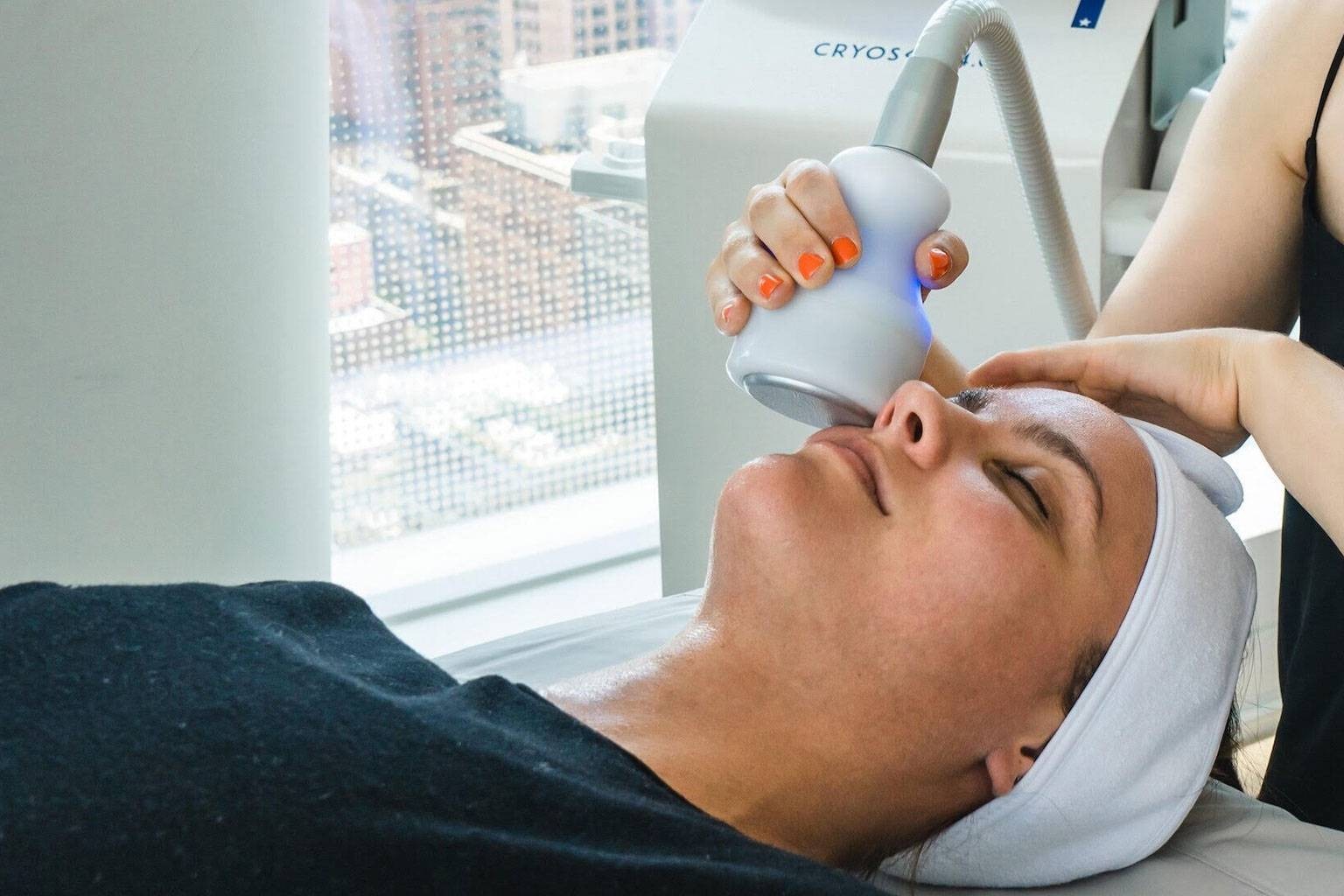
Cryo Cooling Care: Does It Help the Burning Feeling After Treatment?
Cryo cooling care uses low temperatures to constrict surface blood vessels, easing the heat and redness that follow laser or peel treatments. Here is how cold slows nerve signaling and the inflammatory response, and why that can shorten your recovery time.
By Dr. Kim
Getting Filler for the First Time: Duration, Side Effects, and Precautions
The questions people ask most before their first filler treatment, answered in order. How hyaluronic acid adds volume, how long it lasts and how much it hurts, why vascular complications are dangerous and whether they can be reversed, how filler differs from Botox, and what to watch for before and after.
By Dr. Lee