Getting Filler for the First Time: Duration, Side Effects, and Precautions
By Dr. Lee7 min read
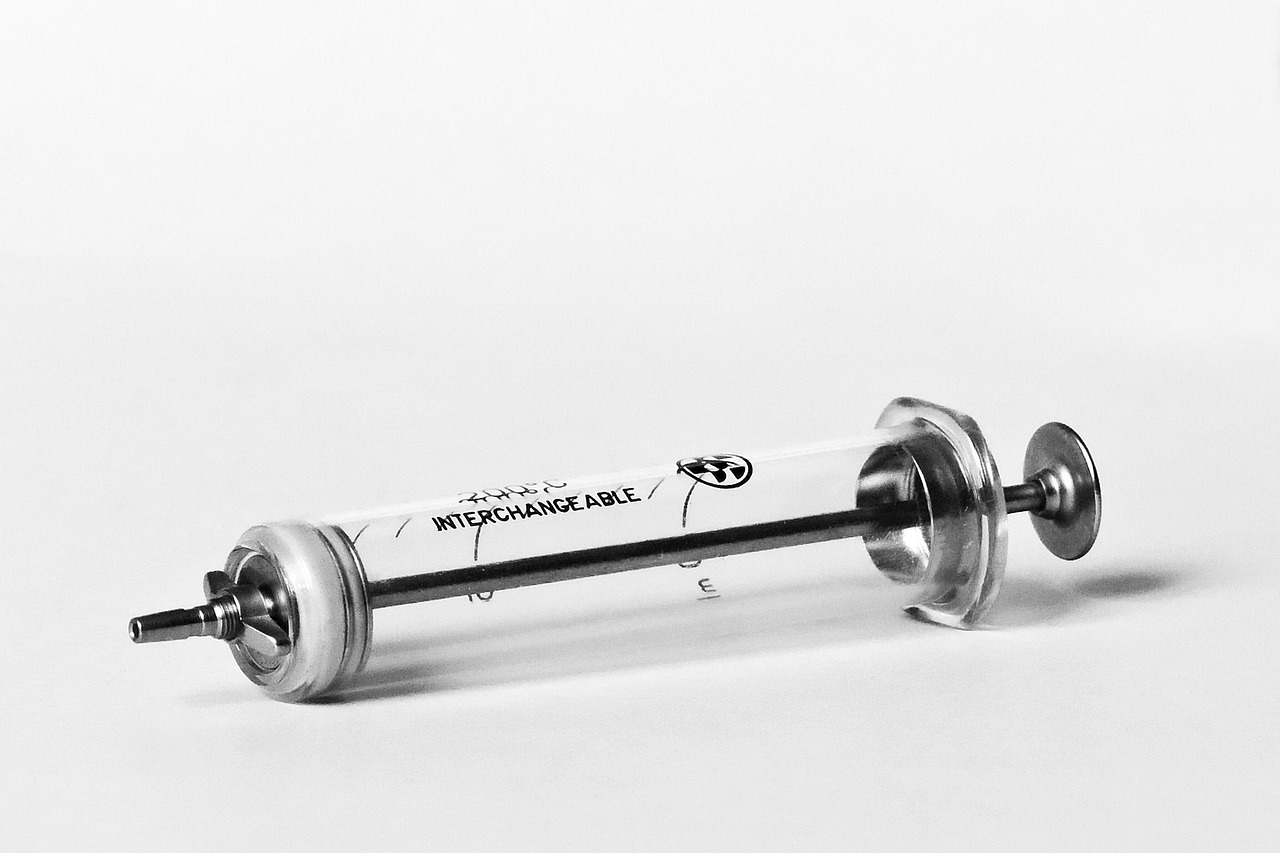
A first filler consultation usually brings excitement and worry at the same time. There's the hope that an area you've been self-conscious about, your nose, nasolabial folds, or hollow cheeks, will fill out naturally, and there's also that scary story you've probably heard somewhere about a blood vessel getting blocked. You're probably also wondering how long it lasts and whether it can be reversed if you don't like the result. So here are the questions people considering filler for the first time actually bring up most, worked through one at a time from how it works to safety, longevity, and reversibility. The parts that worry you most are usually easier to sit with once you understand them before the consultation.
How does filler add volume?
The ingredient used in most fillers is hyaluronic acid, a substance that naturally exists in the dermis of your own skin. It holds onto water strongly, which fills out the volume at the injection site and adds a sense of firmness. Injected as a gel into areas that look hollow, like the tip of the nose, nasolabial folds, or sunken cheeks, it physically fills that space and creates immediate volume.
Different products vary in how they're cross-linked and in their viscosity, so some are made for deep placement to build structure, while others are made for shallow placement to fill fine lines. That's why results can differ significantly between two hyaluronic acid fillers, depending on which product goes where.
Do results show right away?
Unlike Botox, filler tends to show results almost immediately, since the injected area is physically filled right away. Right after treatment, though, swelling from the injection itself can make the area look more filled than it will end up being. To see the true final result, it's more accurate to wait 1 to 2 weeks for the swelling to go down.
If you have an important event coming up, it's safer to finish treatment at least 2 weeks ahead rather than the day before. If you want a natural-looking result, avoid judging it too quickly the next day.
How long does filler last?
Depending on the area, the product, and your own metabolism, most filler lasts roughly 6 months to a year, sometimes up to a year and a half. Areas that move a lot, like the lips, tend to break down faster, while areas with less movement, like the nose or chin, tend to hold up longer.
- High-movement areas like the lips or under eyes: tend to break down faster.
- Lower-movement areas like the nose or chin: tend to last longer.
- Products with denser cross-linking: break down more slowly and tend to last longer.
An enzyme in the body called hyaluronidase gradually breaks down the filler over time, so it's best understood not as a permanent change but as a treatment you maintain periodically.
Is the treatment very painful?
Most fillers already have lidocaine, a numbing agent, mixed in, so the pain is usually less than people expect. If needed, a numbing cream can be applied beforehand for extra comfort. Areas treated with a cannula, a blunt-tipped tube used instead of a needle, tend to involve fewer punctures and feel relatively less painful.
Afterward, the injection site may swell or bruise, but this typically settles within a few days to 2 weeks. For sensitive areas, discussing pain management options with your provider beforehand can help ease any nervousness.
The side effect of a blocked blood vessel
The most serious risk with filler is accidental injection into a blood vessel, which blocks it. When that happens, the skin tissue that vessel supplies loses blood flow and can develop necrosis, and in extremely rare cases, filler can travel into blood vessels around the eye and affect vision. The glabella, nose, and lip area carry particular risk because of how intricately blood vessels run through them.
The key to minimizing this risk is choosing an experienced provider who knows the vascular anatomy well. A cannula, with its blunt tip, makes it relatively easier to navigate around vessels, which is why it's often preferred in higher-risk areas. If the skin turns pale, pain becomes severe, or mottled discoloration appears during treatment, these are warning signs that need to be reported immediately. The frequency of this complication is very low, but rare doesn't mean it should be taken lightly, so it's worth understanding fully before your consultation.
Can it be reversed if you don't like it?
Hyaluronic acid filler can be dissolved with an injection of hyaluronidase, an enzyme that breaks down hyaluronic acid, if something goes wrong or the result isn't what you wanted. This same enzyme is used as emergency treatment when a vessel is blocked, and also simply to adjust a shape that's too prominent or uneven. This reversibility is considered the single biggest safety advantage of hyaluronic acid filler.
That said, some non-hyaluronic-acid products that work by stimulating collagen production can't be dissolved this way. So if it's your first time getting filler, it's worth confirming during the consultation what the product actually is and whether it's reversible.
How filler and Botox differ in purpose
Botox reduces muscle movement to smooth expression lines, while filler physically fills volume into areas that have sunken. Botox tends to suit lines caused by repeated muscle folding, like the area between the brows, while filler tends to suit areas where the tissue itself looks hollow, like nasolabial folds or sunken cheeks.
The two work on entirely different mechanisms, so one can't substitute for the other. In practice, they're often used together, with Botox addressing the brow area and filler restoring volume nearby. Which combination makes sense is best decided by assessing the skin directly.
Precautions before and after treatment
Avoiding blood thinners like aspirin and omega-3 supplements, as well as alcohol, for a few days beforehand helps reduce bruising. On the day of treatment, it's best to skip intense exercise or a sauna, since both increase circulation more than you'd want. If there's a breakout or inflammation at the treatment site, it's safer to wait until it clears before getting filler.
For a few days after treatment, avoid pressing firmly on the area or massaging it, so the shape settles properly. Bruising or swelling usually resolves on its own, so there's no need to rush into another treatment to cover it up.
Who should avoid filler?
Filler should be avoided if you're pregnant or breastfeeding, have had a hypersensitivity reaction to hyaluronic acid before, or have inflammation or infection at the treatment site. If you have an autoimmune condition or a history of nodules that were slow to resolve, it's worth discussing with your provider beforehand.
When in doubt, don't guess on your own. Being upfront during the consultation is the safest approach, and a small piece of information can make a big difference in preventing complications.
How long do bruising and swelling last?
Because filler is injected directly under the skin with a needle or cannula, some bruising or mild swelling at the injection site is a common reaction. The face in particular has a dense network of fine blood vessels, so even with careful technique, a small vessel can get nicked and cause a bruise. Most of these reactions stay localized and don't significantly disrupt daily life.
- Mild swelling: usually noticeably reduced within a day or two.
- Bruising: fades over as long as 1 to 2 weeks.
- A firm or lumpy feeling: part of the tissue settling in, which softens over time.
If you bruise easily, mention that beforehand, and if you have an important event coming up, it's worth scheduling with some buffer time.
References
Korean Dermatological Association, American Society for Dermatologic Surgery (ASDS), and Ministry of Food and Drug Safety (MFDS).
Was this helpful?
About this article
Written by a practising aesthetic physician and intended for general education — not a substitute for individual medical advice.
Read next

Before Your First Botox: Effects, Duration, and Side Effects
The questions people ask most before their first Botox treatment, answered in order. How botulinum toxin smooths wrinkles, when results appear and how long they last, how much it hurts, how it differs from filler, and who shouldn't get it.
By Dr. Kim

Nose Filler: Results, Side Effects, Blindness Risk, and How It Differs From Rhinoplasty
Here is how nose filler builds up the bridge and tip line, using hyaluronic acid and the mechanics of injection. We cover why the nose carries an especially high risk of vascular occlusion and vision loss, the standards for injecting safely, how hyaluronidase can reverse a problem, and what filler can and cannot do compared with rhinoplasty.
By Dr. Lee

Swelling, Bruising, and Downtime After Treatment: How Many Days Does It Take?
The questions people ask most when downtime is the biggest worry before a treatment. What downtime actually means, why recovery time differs by procedure, how long redness and bruising last, when you can wear makeup again, when to resume exercise and sauna, and how to speed up recovery.
By Dr. Lee