Stretch Mark Treatment: Does Starting While They're Red Work Better?
By Dr. Kim8 min read
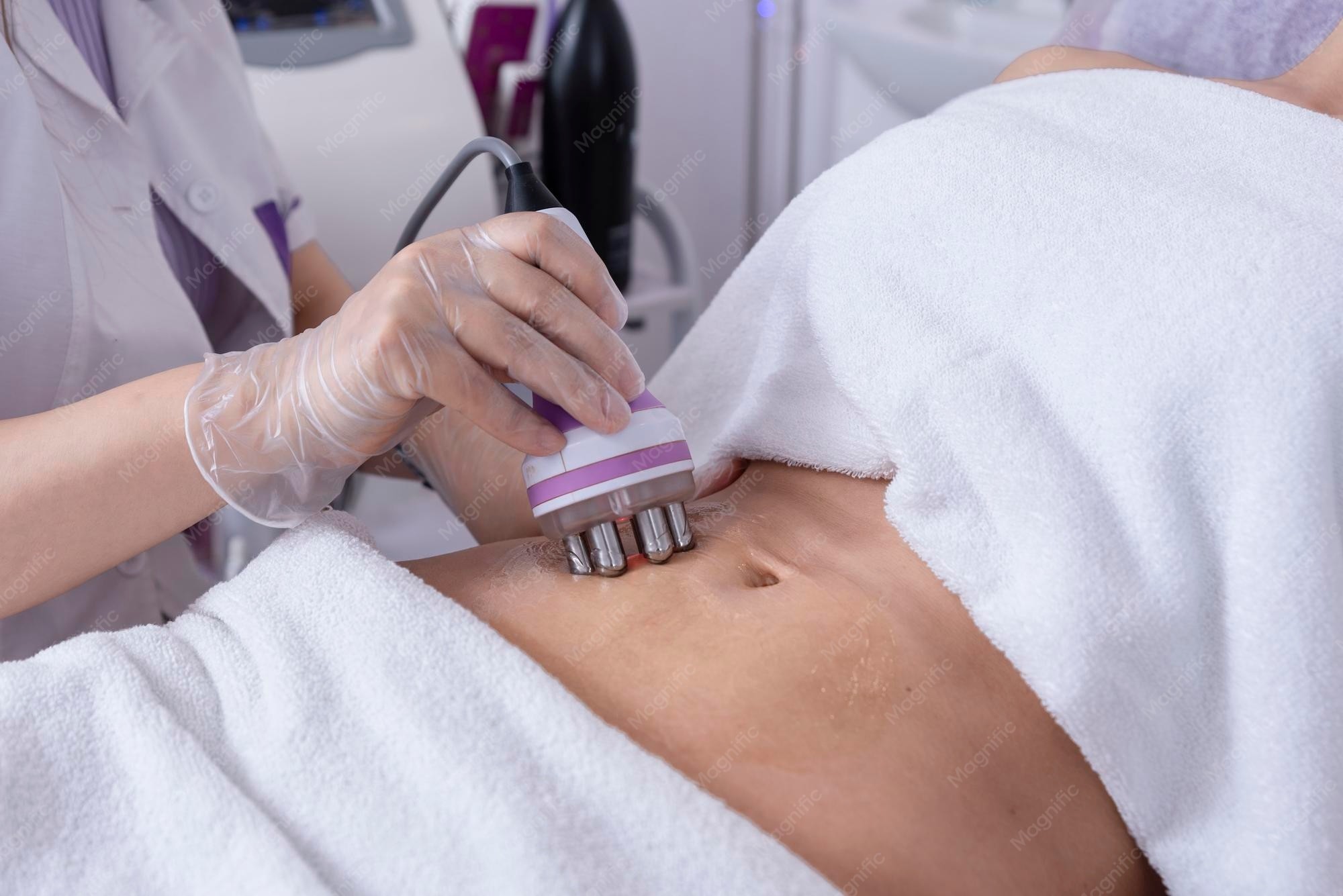
Look down at the lines running across your stomach, thighs, or upper arms, and it's hard to say when they actually showed up. That's because the marks usually start out red or purplish, then quietly fade into pale, silvery lines over time. Most people assume that's just the color washing out, but it actually signals a real change happening in the tissue underneath.
Stretch marks form when skin is forced to expand too far, too fast, in too short a window. That's exactly why they show up during growth spurts, pregnancy, sudden weight changes, or periods of rapid muscle gain. This article walks through why they take that streaky shape, why the color shifts, and when treatment tends to work best.
How Do Stretch Marks Form?
Skin is made up of two main layers, the epidermis on top and the dermis underneath, and stretch marks form in the dermis. Inside the dermis, collagen and elastin fibers weave together in a mesh. Think of collagen as the support pillars holding up your skin, and elastin as the rubber bands stretching between them.
When skin stretches slowly, those pillars and rubber bands have room to rearrange and hold their ground. The trouble starts when the stretching happens too fast. In the later stage of pregnancy, roughly weeks 28 to 40, the belly grows visibly bigger in a short span, and the same goes for a rapid jump in body weight or muscle mass. The collagen pillars simply don't get enough time to reposition, so they stay pulled taut until they snap.
Once a pillar tears, the gap doesn't heal back into smooth, normal tissue. Instead, the body rushes to patch the area with thin, weaker fibers, and that patch ends up thinner and differently textured than the skin around it. That's the streak you see, a stretch mark.
Why Do They Form on the Belly and Thighs in Particular?
Stretch marks don't spread evenly across the body, they cluster on the belly, thighs, hips, and chest, and there are two reasons for that.
The first is simple physics. These are the areas that stretch the fastest and the farthest. The belly expands dramatically during late pregnancy, between weeks 28 and 40, while the thighs and hips are often the first places fat and muscle build up during growth spurts or weight changes.
The second reason is hormonal. During pregnancy and growth spurts, cortisol levels rise, and cortisol happens to suppress the activity of fibroblasts, the cells responsible for producing collagen. Much like how stress makes a person tense up and pull back, cortisol makes collagen production slow down right when the skin needs it most. Skin is stretching at its fastest exactly when collagen reinforcement is lagging behind, which is why these areas tear more easily than others.
Why Do Red Stretch Marks Turn White?
Freshly formed stretch marks look red or purple for a simple reason. When collagen tears in the dermis, it triggers an inflammatory response, and blood vessels in that area dilate and fill with blood. Since the skin over the tear is thinner, those vessels show through more visibly. This early red phase is called striae rubra, from the Latin word for red.
Over time, the area gradually turns white. As the initial inflammation settles, the blood vessels shrink back, and the tissue that patched the tear stabilizes into fibers with lower collagen density and less pigment. This stage is called striae alba, or white stretch marks, alba being Latin for white.
So the shift from red to white isn't just an optical fade, it's a real transformation as inflammation resolves and the tissue hardens into fibrous scar-like tissue. This process usually plays out over six months to a year, and can stretch out as long as two years.
Why Do Stretch Marks Feel Sunken?
Run a finger over a stretch mark and it often feels a touch lower than the surrounding skin. That's not a coincidence either, it comes down to a real change in the structure of the dermis.
In normal skin, tightly woven collagen pillars in the dermis prop up the epidermis from below. But in a stretch mark, those pillars tore and got hastily patched with looser fibers, so there's less support holding the surface up, and it sinks slightly. The area is also genuinely thinner than the skin around it, which is why it feels different in texture and slightly pressed in under your fingertip.
This is exactly why stretch mark treatment focuses on rebuilding thickness just as much as fading color. Even if the color lightens, if that sunken texture stays, the result still feels unfinished.
Does Treating While They're Red Work Better?
The reason treatment is known to work better during the red phase comes down to what's happening in the tissue at that stage. Red stretch marks are still actively inflamed, with blood vessels busy and fibroblasts, the cells that build new collagen, relatively more active.
Treating skin during this window tends to nudge those already-active fibroblasts into producing even more collagen. Once a mark has fully hardened into a white line, though, blood vessels have thinned out and the tissue has become fibrous, and studies report that cells tend to respond more slowly to the same stimulation at that point.
That doesn't mean white stretch marks are untreatable. But clinical experience consistently shows bigger improvement when treatment starts during the red phase rather than after marks have fully turned white, which is why getting a consultation early is generally recommended.
What Does Stretch Mark Laser Improve?
Lasers used for stretch marks generally fall into two categories, vascular lasers, which target blood vessels, and fractional lasers, which stimulate the skin tissue itself.
Vascular lasers are mainly used on red stretch marks, and the principle is straightforward. Laser light is selectively absorbed by hemoglobin inside blood vessels, and the resulting heat shrinks the dilated vessels. As the congested vessels that were causing the redness settle down, the red tone visibly fades.
Fractional lasers, on the other hand, focus on thickness and texture more than color. They create tiny, controlled areas of micro-injury across the skin, which prompts the skin to respond by producing new collagen and elastin to repair itself. The word fractional itself refers to treating the skin in small, scattered fractions rather than the whole surface at once. Through this healing process, reports show the thinned tissue in stretch marks gradually thickening and smoothing out over time.
Red stretch marks are often treated with a combination of vascular and fractional lasers, while white stretch marks tend to rely mainly on fractional lasers, since the focus shifts toward rebuilding thickness and texture.
What to Check When Deciding When to Treat
When you're weighing whether it's time to treat your stretch marks, it helps to look beyond color alone.
- How long ago the mark appeared matters. Since the red phase is reported to respond better, knowing roughly when it formed is the first thing to factor into a treatment plan.
- Skin thickness at the site matters too. Thicker areas like the belly and thighs respond differently than thinner areas like the underarms or chest, so the same treatment can show results on a different timeline depending on where it's applied.
- If you're pregnant or breastfeeding, timing needs to be adjusted. This is less about direct risk to a fetus or infant from the laser itself and more about the fact that skin is still actively changing during this period, which makes it hard to properly judge how well treatment is working.
- It's worth checking in advance whether your skin tends to form keloid scars. In that case, laser stimulation can trigger a different kind of scarring response, so this is something that should always come up during a pre-treatment consultation.
Can Stretch Marks Be Prevented?
Genetics, specifically how elastic your collagen naturally is, plays a large role in stretch marks, which is why they're considered hard to prevent completely. That said, managing how fast your skin stretches is reported to help.
Pacing weight gain during pregnancy so it doesn't spike suddenly, or building muscle gradually instead of pushing for rapid gains, are good examples. The slower the skin stretches, the more time collagen pillars have to reposition, and studies suggest gradual change carries a lower risk of stretch marks than sudden change.
It's a fair question whether moisturizers or stretch mark creams actually help. On their own, creams don't make collagen pillars any stronger. But dry skin loses elasticity and tends to develop micro-tears more easily under the same amount of stress, so keeping the skin surface supple with enough moisture is known to help. In other words, think of a cream less as a shield that blocks stretch marks outright, and more as a supporting player that slightly lowers the odds of the skin cracking in the first place.
References
Korean Dermatological Association, Ministry of Food and Drug Safety (MFDS), American Academy of Dermatology (AAD), and U.S. Food and Drug Administration (FDA).
Was this helpful?
About this article
Written by a practising aesthetic physician and intended for general education — not a substitute for individual medical advice.
Read next
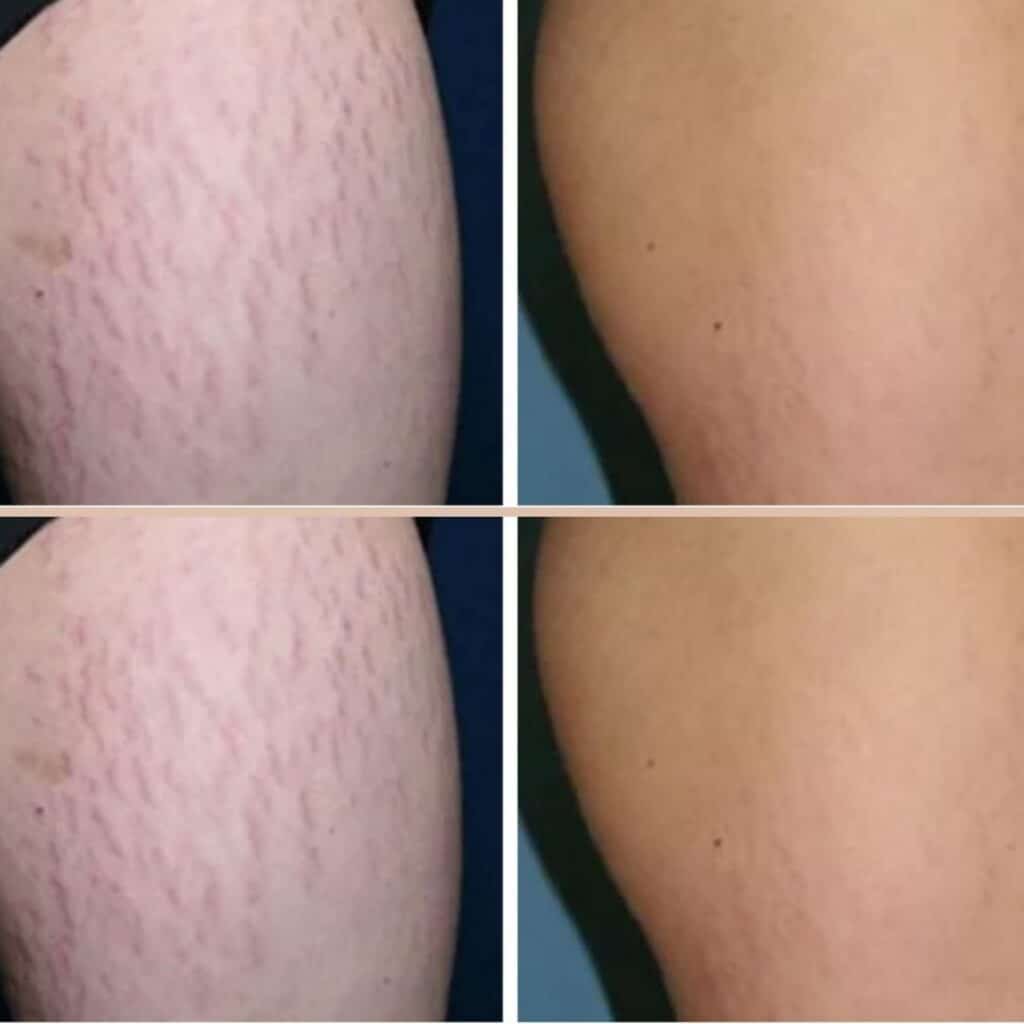
Stretch Mark Laser Treatment: Are Red and White Stretch Marks Treated Differently?
Stretch mark lasers don't work the same way on every mark. Pulsed dye lasers target blood vessels in fresh red marks, while fractional lasers rebuild collagen in older white ones. Here's how each stage is treated and how long the results actually hold up.
By Dr. Kim
Retinol Adjustment Period: Why Does Skin Flip When You First Start?
A closer look at how retinoids treat wrinkles and acne through two separate pathways, speeding up cell renewal while boosting collagen production. Here is why skin flakes and turns red right after you start, and how to build tolerance without irritation.
By Dr. Kim
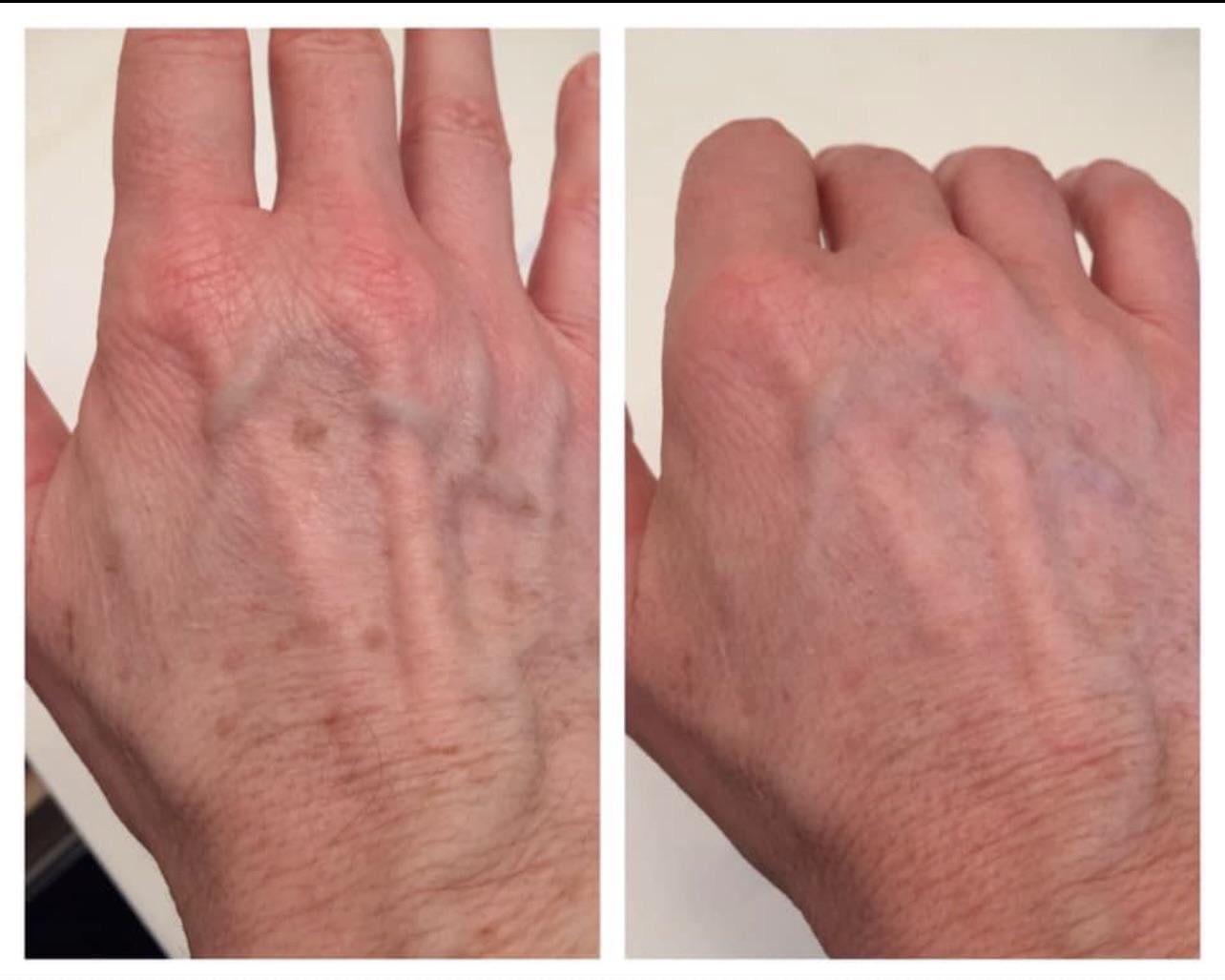
Age Spots on the Hands: Causes, Treatment and Do They Last Longer Than on the Face?
Age spots on the hands form when melanin clusters in skin that has absorbed years of sun exposure. Here is why they take root more stubbornly than the same spots on the face, and how the treatments clinics actually use work to fade them.
By Dr. Kim