SkinVive and Revive: Differences, Effect and Duration Compared
By Dr. Kim7 min read
A lot of patients don't want more volume; they want their skin to look genuinely hydrated and smooth from the inside out. That's exactly the niche skin boosters fill, and two names keep coming up in the same breath: SkinVive and Belotero Revive. Both involve hyaluronic acid, both promise a dewy, luminous result, and yet patients frequently ask what actually sets them apart and which one makes more sense for their skin.
The short answer is that they share the same broad goal but take meaningfully different routes to get there. Both are HA skin boosters designed to improve hydration and surface texture rather than add volume. Where they diverge is in the company behind them, the cross-linking technology used, and, critically, the glycerol that only Revive contains. Let's work through what's the same, what's different, what glycerol actually does, the clinical evidence for each, how long results last, the regulatory picture, and how to think about choosing.
What Do SkinVive and Revive Have in Common, and How Do They Differ?
The shared foundation: both products deliver hyaluronic acid in small microdroplets into the superficial dermis. Neither is intended to restore lost volume or project structure. The goal is to improve the skin's own hydration capacity, texture, and glow, which is why they occupy the same category and get compared in the first place.
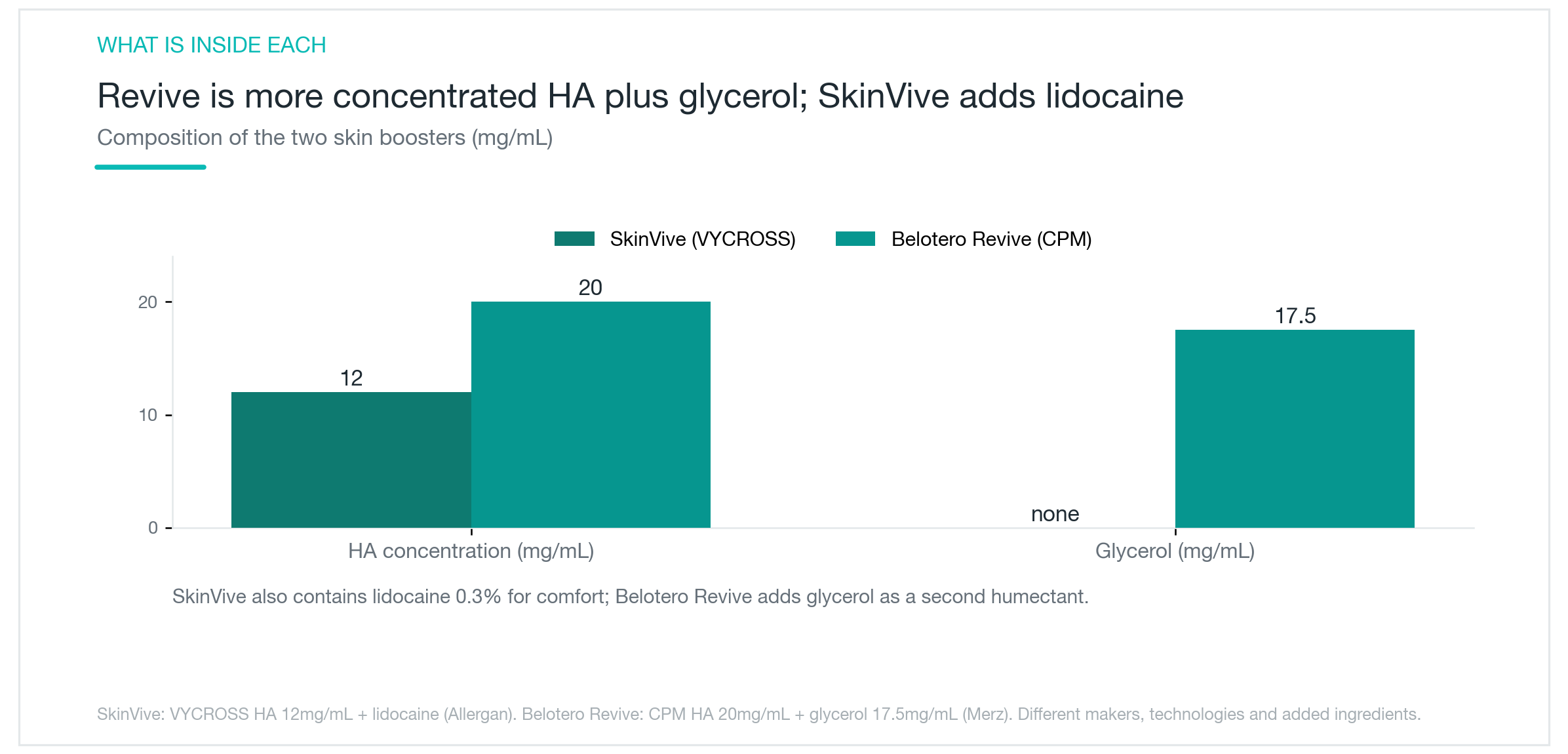
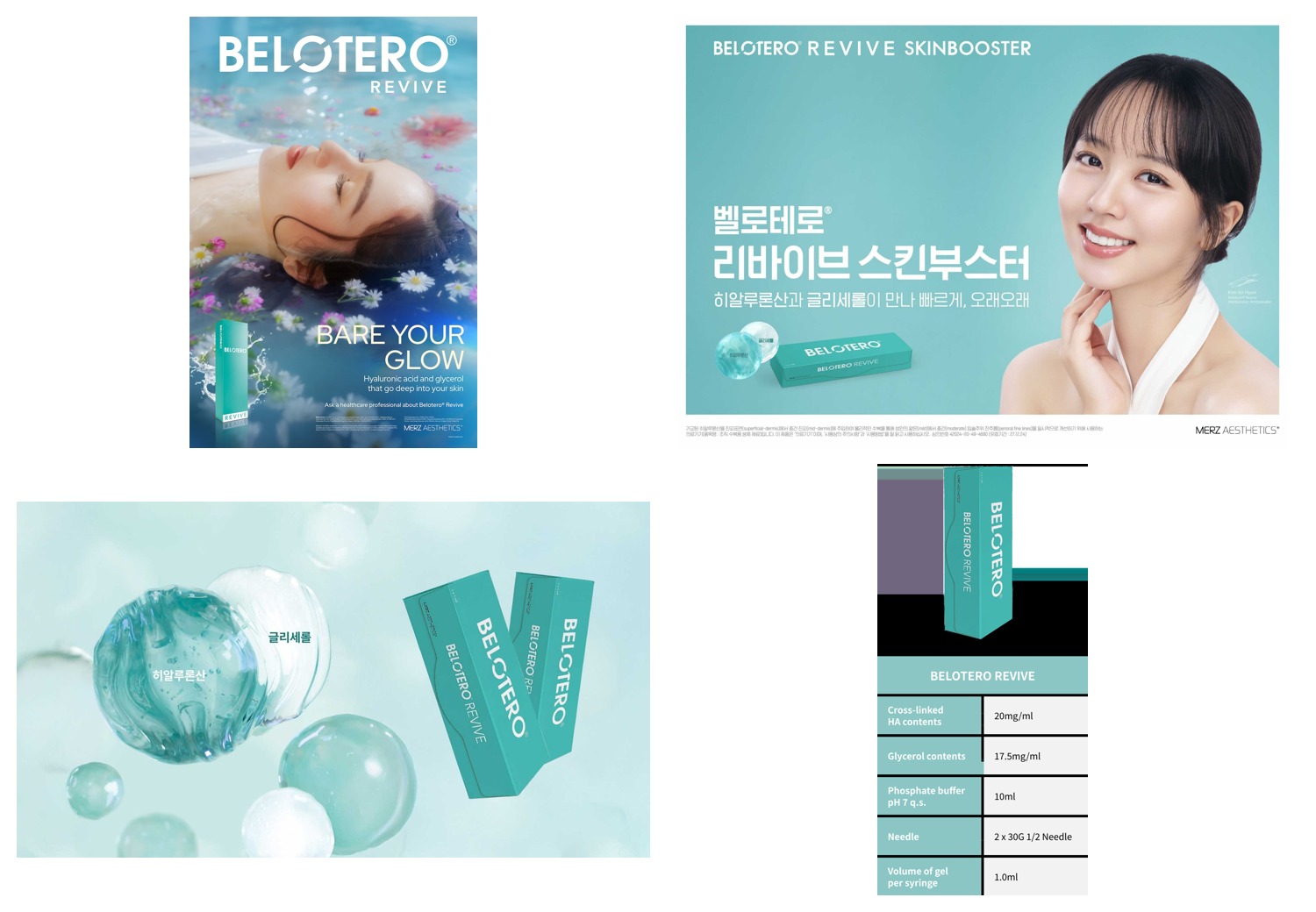
The differences start with the manufacturers and their technologies. SkinVive comes from Allergan (USA), using VYCROSS cross-linking technology to create HA at 12mg/mL, with lidocaine added to reduce injection discomfort. Belotero Revive comes from Merz (Germany), using CPM (Cohesive Polydensified Matrix) cross-linking with HA at 20mg/mL, combined with glycerol 17.5mg/mL as a supplemental humectant. The concentration, cross-linking method, and additional ingredients are all different.
Neither product is inherently superior to the other. They're design choices made with different components. The standout differences are that Revive contains glycerol (SkinVive does not) and that SkinVive includes lidocaine for a more comfortable injection experience. Think of them as cousins within the same skin booster category: similar purpose, distinct engineering.

What Difference Does Revive's Glycerol Make?
Glycerol is a humectant you'll find in countless skincare products. It draws water molecules toward it and holds them, which makes it a natural pairing with hyaluronic acid. The logic behind Revive's formula is that HA retains water and glycerol adds another layer of water-binding capacity, potentially extending how long the hydrating effect lasts in the skin. SkinVive has no glycerol in its formula.
The concept is sound. And clinical studies on Revive do show meaningful improvements in skin hydration that persist over time, which is consistent with what you'd expect from this dual-humectant approach.
That said, there's a critical caveat worth being upfront about. No study has isolated glycerol's contribution by comparing Revive directly against a version without glycerol. So while glycerol is a real and differentiating ingredient, whether it meaningfully changes patient outcomes compared to HA alone remains an open question. It's a clear formulation difference, but it would be premature to conclude that glycerol makes Revive automatically better at hydrating than SkinVive. The honest position is: interesting design choice, clinically unproven advantage in isolation.
Clinical Results for Each Product
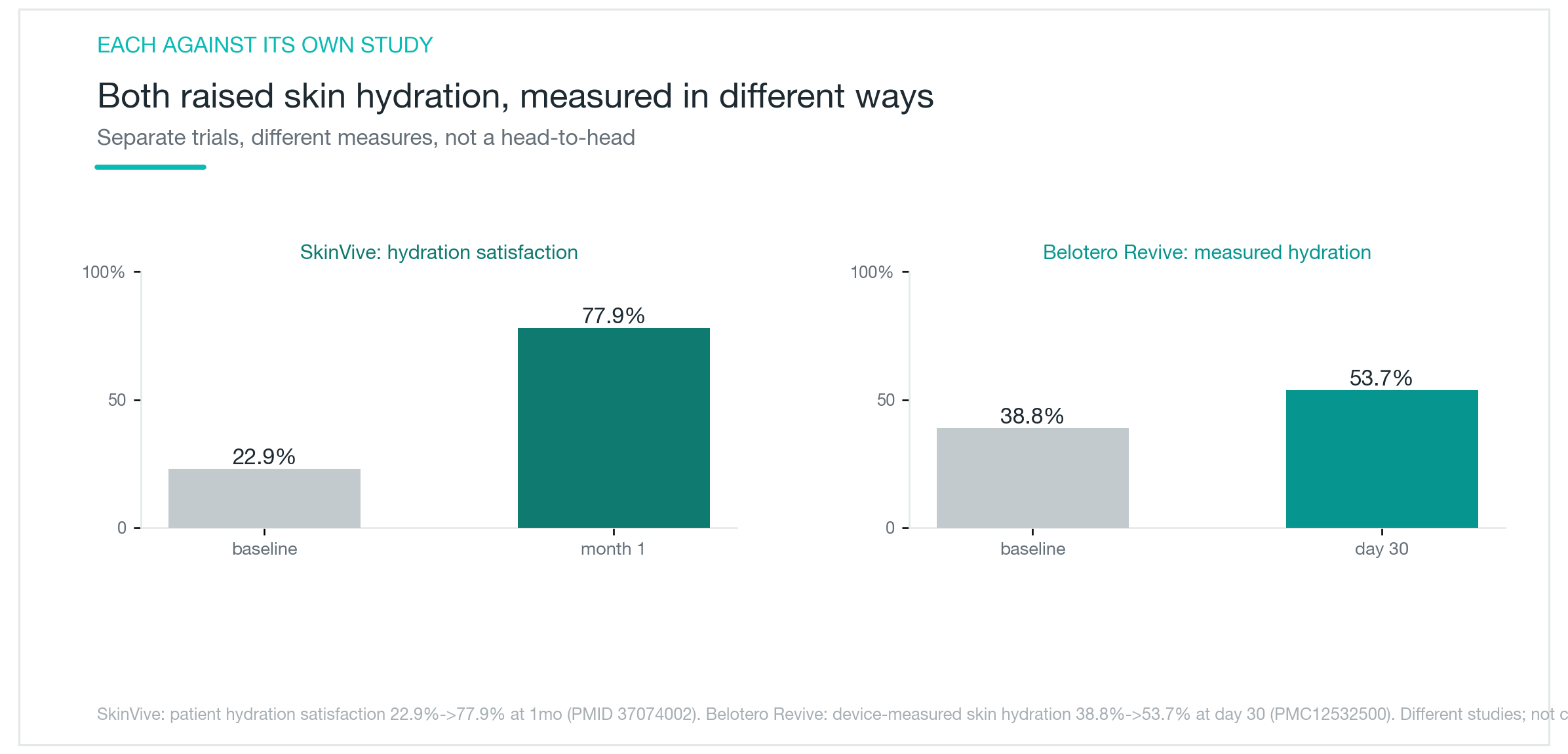
Each product has its own body of evidence. There are no head-to-head comparison trials, so the numbers need to be read separately and not cross-compared.
SkinVive's pivotal US trial found that 85.5% of participants were rated as improved by physician assessment at one month post-treatment. Patient-reported hydration satisfaction rose from 22.9% at baseline to 77.9%, and radiance satisfaction went from 9.2% to 73.8%. These are solid improvements in their own right.
Belotero Revive has accumulated data across multiple studies. Corneometer measurements showed significant hydration gains after a single session. In protocols involving multiple sessions, physician-assessed improvement exceeded 90% at the 12-week mark. Hydration gains were maintained for several months post-treatment.
The numbers look strong on both sides, but they're measuring different things with different instruments in different populations at different time points. SkinVive reports satisfaction scores and physician ratings; Revive leads with device-measured hydration values. Saying one product is "X% better" than the other based on these figures is not statistically valid. The takeaway is that both have credible evidence of meaningful improvement against their own baselines. The more useful question isn't which number is bigger; it's which product fits your clinical picture.
Duration and Number of Sessions
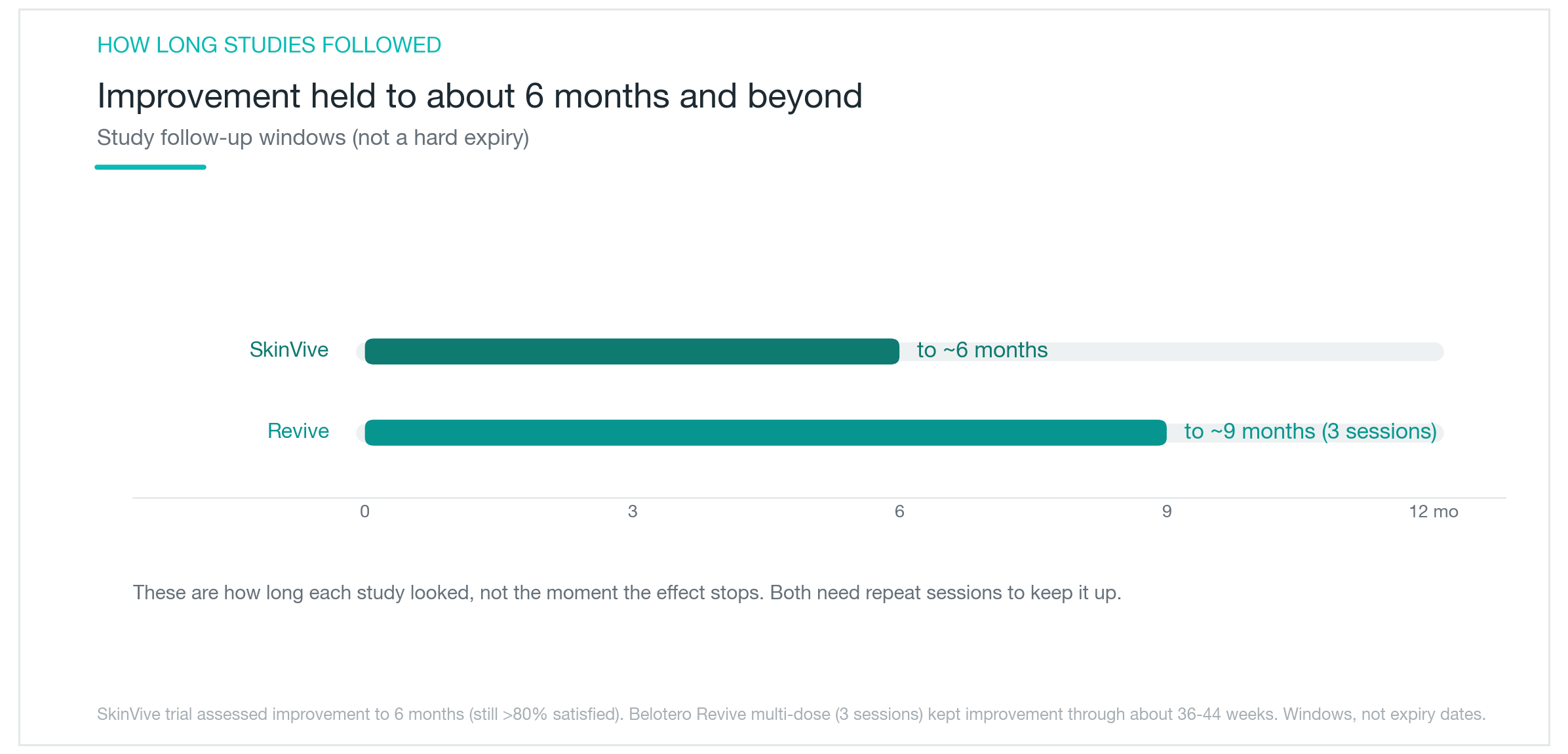
Neither product offers permanent results. SkinVive's clinical follow-up ran to 6 months, with more than 80% of participants still showing maintained improvement at that point. The 6-month figure reflects the study's observation window, not an expiration date. In practice, patients come back when they notice results fading, typically on a maintenance schedule.
Revive is designed around a multi-session protocol from the start. The standard approach is roughly three sessions at four-week intervals. Studies observed maintained improvement at approximately 9 months following a course of treatment. Results from multiple sessions were both more pronounced and longer-lasting than single-session outcomes.
The practical implication is the same for both: plan for ongoing maintenance rather than a one-time fix. If you want to establish strong initial results, a split dosing approach outperforms a single session. After that, the goal is catching the maintenance window before results drop off significantly. How often that is varies by individual based on skin condition and subjective satisfaction. One session feeling underwhelming is not a verdict on the product; give it the initial course first.
How Do Approval Statuses Differ?
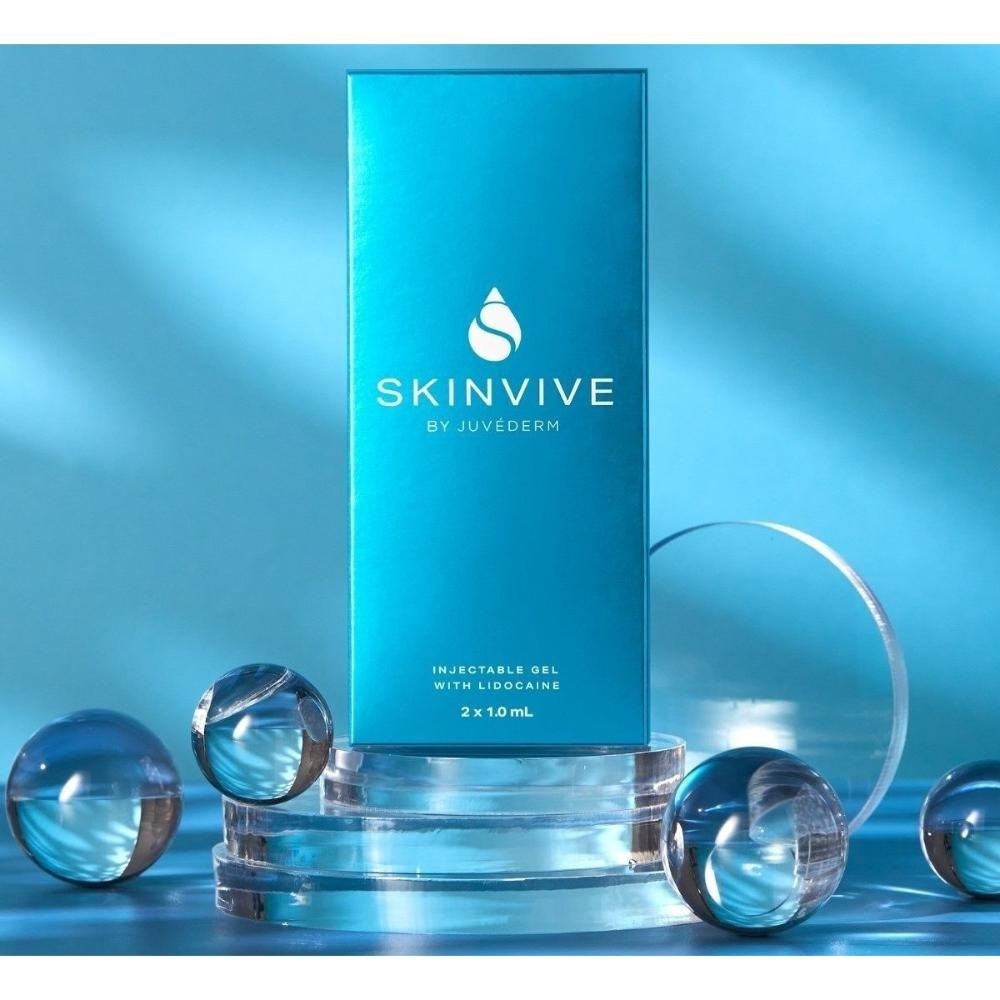
Regulatory status is a practical differentiator. SkinVive received FDA clearance in 2023 for improving cheek skin smoothness. It was the first injectable HA microdroplet product to receive FDA approval specifically for this indication, which Allergan prominently highlights in its marketing.
Belotero Revive holds European CE marking but does not have FDA clearance. It has a longer track record in Europe and is available across a wide range of countries outside the US. Where you are in the world largely determines which of these products you can access through a licensed clinic.
For patients in the US, SkinVive is the option with formal FDA approval in this category. Outside the US, Revive is often the more readily available choice. Both have regulatory standing in their respective markets, but neither approval should be read as a blanket statement of superior efficacy. Availability and licensing status change over time, so the most accurate information on what's currently offered at any given clinic comes from the clinic directly.
So Which One Should You Choose?
There's no definitive answer based on current evidence, because no study has compared them directly. Each has proven itself against its own baseline. The decision comes down to purpose and circumstance rather than a ranking.
If the glycerol dual-humectant design appeals to you, or if Revive is more accessible where you are, that's a reasonable path. If you want the FDA-cleared option for cheek smoothness specifically, SkinVive makes that case. If you're in the US, access may be the deciding factor by default.
Either way, keep the shared limitations in mind. Neither product addresses volume loss, deep folds, or skin laxity. If your primary concern is hollowing or significant sagging, a filler or lifting treatment is the more appropriate starting point. Both require ongoing maintenance; a single session is not a complete treatment plan. And results are gradual; the full picture emerges over a series of sessions, not immediately after one.
Before committing, clarify whether dehydration and texture are genuinely your main skin concern, confirm which products are actually available at your clinic, and discuss the session schedule and realistic expectations upfront. Both are legitimate, well-studied options in the skin booster category. The best choice is the one that maps to your actual skin needs and fits your realistic schedule and budget for ongoing care.
Was this helpful?
About this article
Written by a practising aesthetic physician and intended for general education — not a substitute for individual medical advice.
Read next
Belotero Revive and SkinVive: Differences and Results Compared
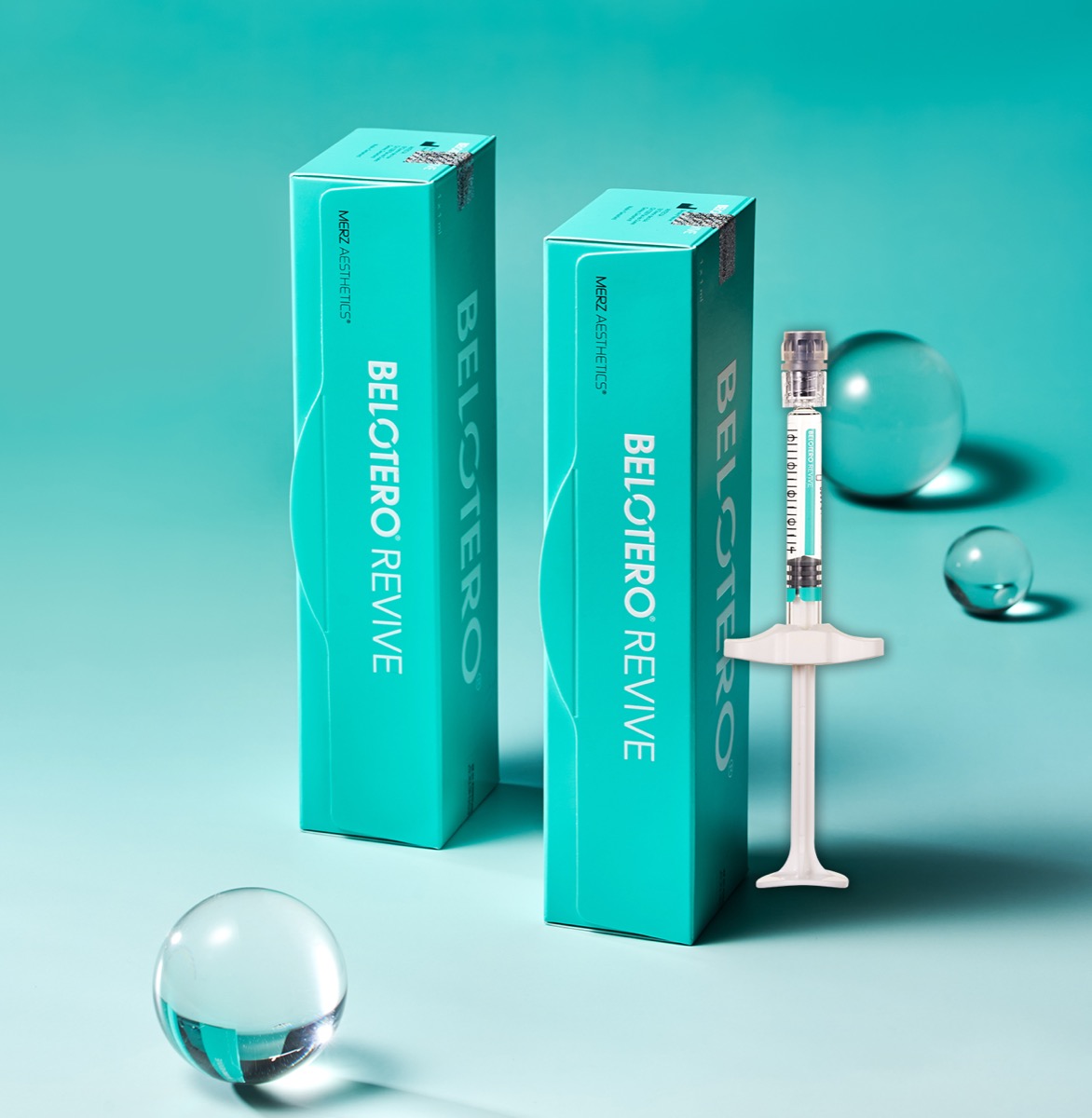
Belotero Revive combines hyaluronic acid with glycerol in a CPM formulation to improve skin hydration and elasticity, not volume. Here's what the clinical data actually shows about how long results last and how it compares to SkinVive.
By Dr. Kim
SkinVive: Effect and Duration, and How It Differs From Revive
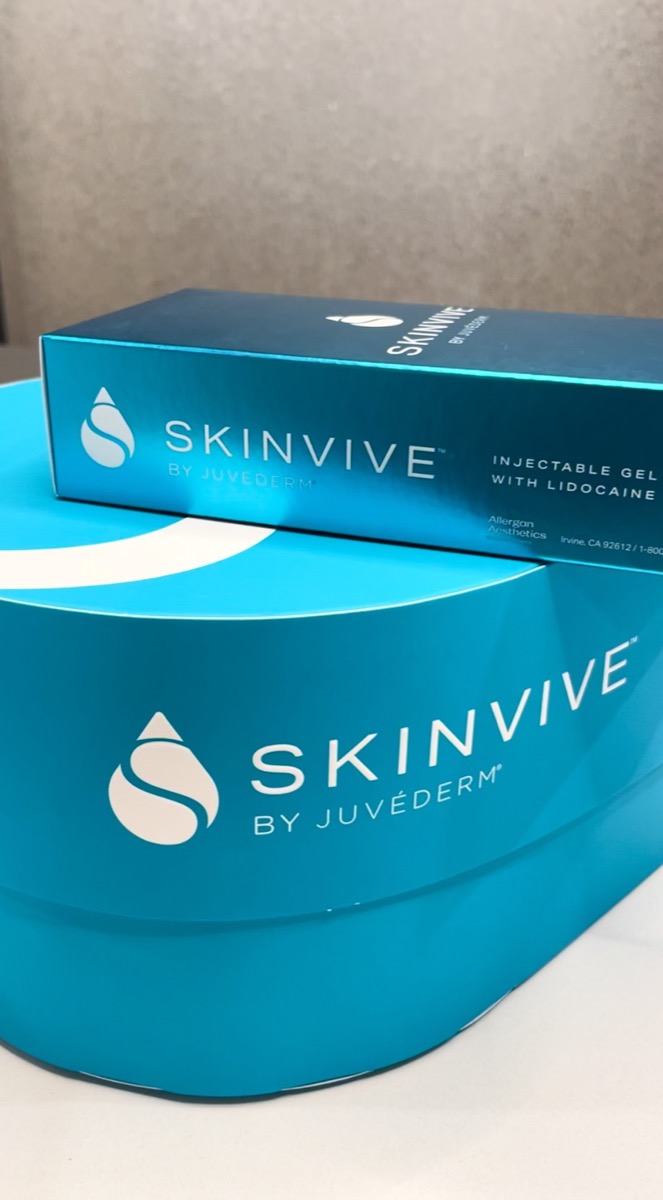
SkinVive isn't a volumizing filler, it delivers HA in microdroplets to the superficial dermis to restore skin texture, hydration, and radiance. Six-month clinical data, patient satisfaction scores, and a clear-eyed comparison with Belotero Revive.
By Dr. Kim

Freckles Versus Melasma: How Do Their Laser Treatments Differ?
At a glance, freckles and melasma both look like brown spots, which makes them easy to mix up. But where the pigment actually sits in the skin, and why it shows up in the first place, are completely different. That difference decides whether you need a strong laser or a gentle toning session, and why one of the two keeps coming back.
By Dr. Lee