Belotero Revive and SkinVive: Differences and Results Compared
By Dr. Kim11 min read
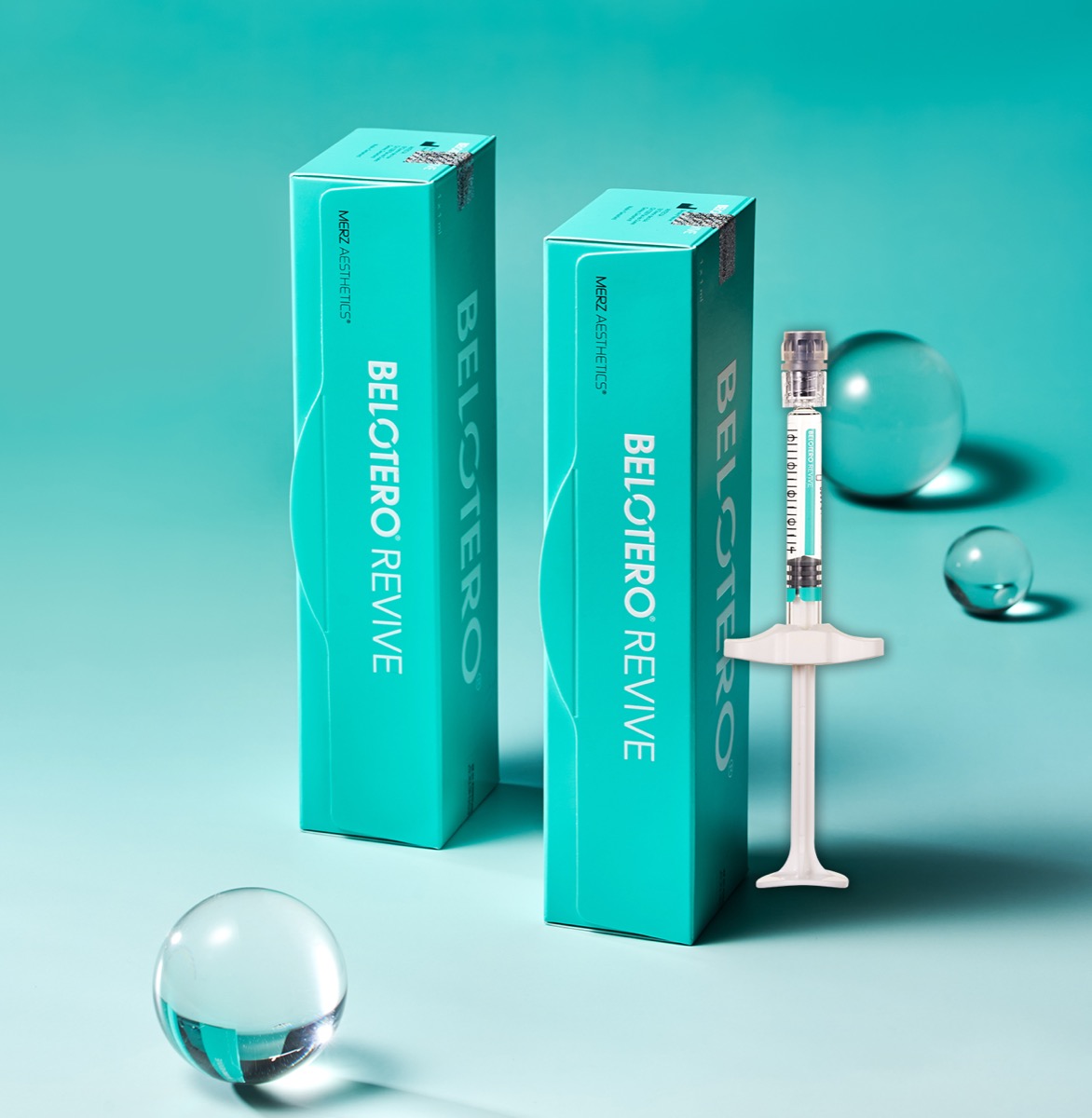
At a recent consultation, a patient put it perfectly: "I'm not looking to add volume, I just want my actual skin to look better. More hydrated, firmer, just healthier." That comes up constantly, and it's exactly the kind of case where I bring up Belotero Revive. Made by Merz Aesthetics, Revive isn't in the same category as structural fillers like Juvederm Voluma or Restylane Lyft. It doesn't sculpt, lift, or project. Instead, it works within the dermis to improve hydration and elasticity from the inside out. Its defining feature: a formulation that pairs hyaluronic acid with glycerol, making it a combination product rather than a straight HA booster. The questions I hear most from patients are predictable: Does it actually work? How long does it last? And how is it different from SkinVive, which has a nearly identical pitch? Those are the right questions, and they deserve a direct answer, including a careful side-by-side comparison of the two.
How is Revive different from filler?
Revive's primary ingredient is hyaluronic acid at 20 mg/mL. HA occurs naturally in the dermis, where it binds water and keeps skin plump and resilient. It's biocompatible, your body already produces it, and it breaks down gradually over time, which is why the results aren't permanent. Merz's addition of glycerol is what distinguishes Revive from a conventional HA skin booster. Both ingredients are delivered together in a single formulation rather than applied separately.
The manufacturing process uses Merz's CPM technology, Cohesive Polydensified Matrix, which creates a uniformly dense HA network that disperses evenly on injection rather than settling in one spot. The practical effect: smooth integration with surrounding tissue, no palpable lump, no visible irregularity at the skin surface.
Here's the distinction that matters most: Revive is not a filler. It does nothing for sunken cheeks, deep nasolabial folds, or structural volume loss. If that's the goal, the right conversation is about Juvederm Volbella, Restylane Defyne, or a similar volumizing product, not Revive. Revive's job is improving the skin's quality itself: hydration, texture, and elasticity, working from within the dermis.
This matters because HA behaves entirely differently depending on where it's placed and at what concentration. The same molecule that lifts a cheek behaves differently when dispersed through the dermis at skin-booster density. Natural HA in the dermis declines with age, and that loss shows up as dullness, fine surface texture, and skin that no longer bounces back the way it used to. Revive is designed to replenish that reservoir, and with glycerol alongside it, to help the hydration stay put longer.
The improvement tends to arrive quietly. Patients don't walk out of the treatment room looking different. Changes come gradually: foundation sits more evenly, the afternoon tightness that used to kick in around 3 p.m. is less noticeable, the skin surface looks smoother. If you're expecting a visible contour change or an immediate difference, this isn't the right treatment. For skin that's lost its suppleness and feels perpetually dry or rough, though, Revive hits the target.
How much improvement 12 weeks after 3 sessions?
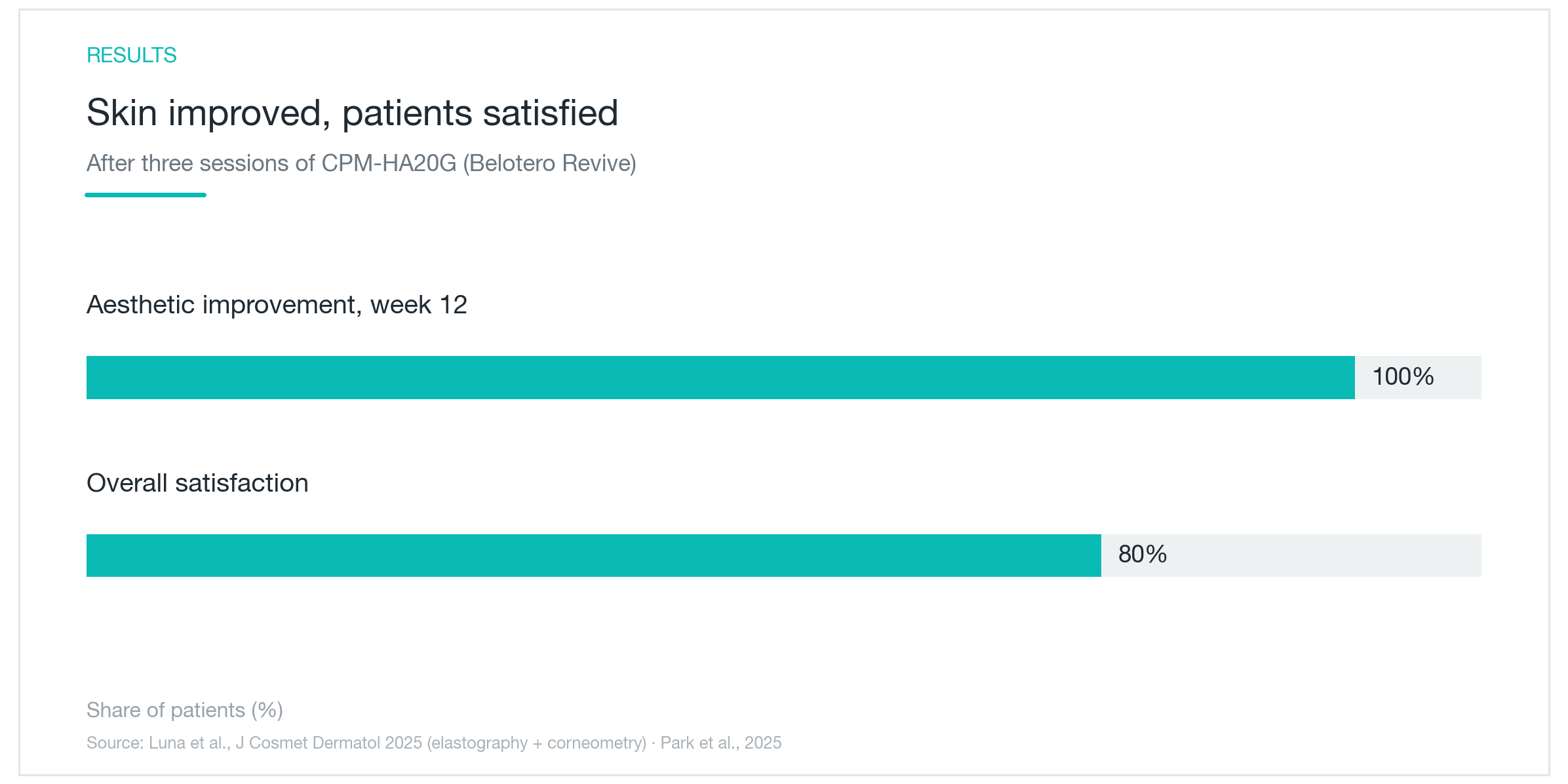
Good mechanism doesn't automatically mean good outcomes. The chart above summarizes aesthetic improvement rates and patient satisfaction at 12 weeks following a three-session Belotero Revive protocol. Two things were measured: the proportion of participants showing objectively assessed aesthetic improvement, and the proportion who reported being satisfied with their results.
At week 12, aesthetic improvement was documented in 100% of participants, and overall patient satisfaction exceeded 80% (Luna et al., J Cosmet Dermatol 2025; Park et al. 2025). Every participant showed some measurable change; four in five were satisfied with the outcome. For a skin booster, that's a remarkably consistent pattern, and it tracks with what I see in practice.
A 100% improvement rate needs context. It doesn't mean every patient had the same dramatic transformation. It means every participant showed some degree of improvement, from subtle to significant. Satisfaction is inherently subjective and depends heavily on what a patient expected going in. That's why I spend part of every consultation establishing exactly what someone is hoping to see change. When expectations match what this treatment actually does, the same objective result produces much higher satisfaction.
One more point: these are outcomes after completing three sessions, not one. Skin boosters are cumulative by design. Stopping after a single treatment before finishing the full protocol means you're evaluating the product before it's had a chance to work properly. The biological response builds, the dermis adapts, HA integrates, the collagen environment shifts. The 12-week data point is meaningful precisely because it reflects where the skin settles after fully processing the treatment, not just the immediate post-injection state.
How long do the effects last?
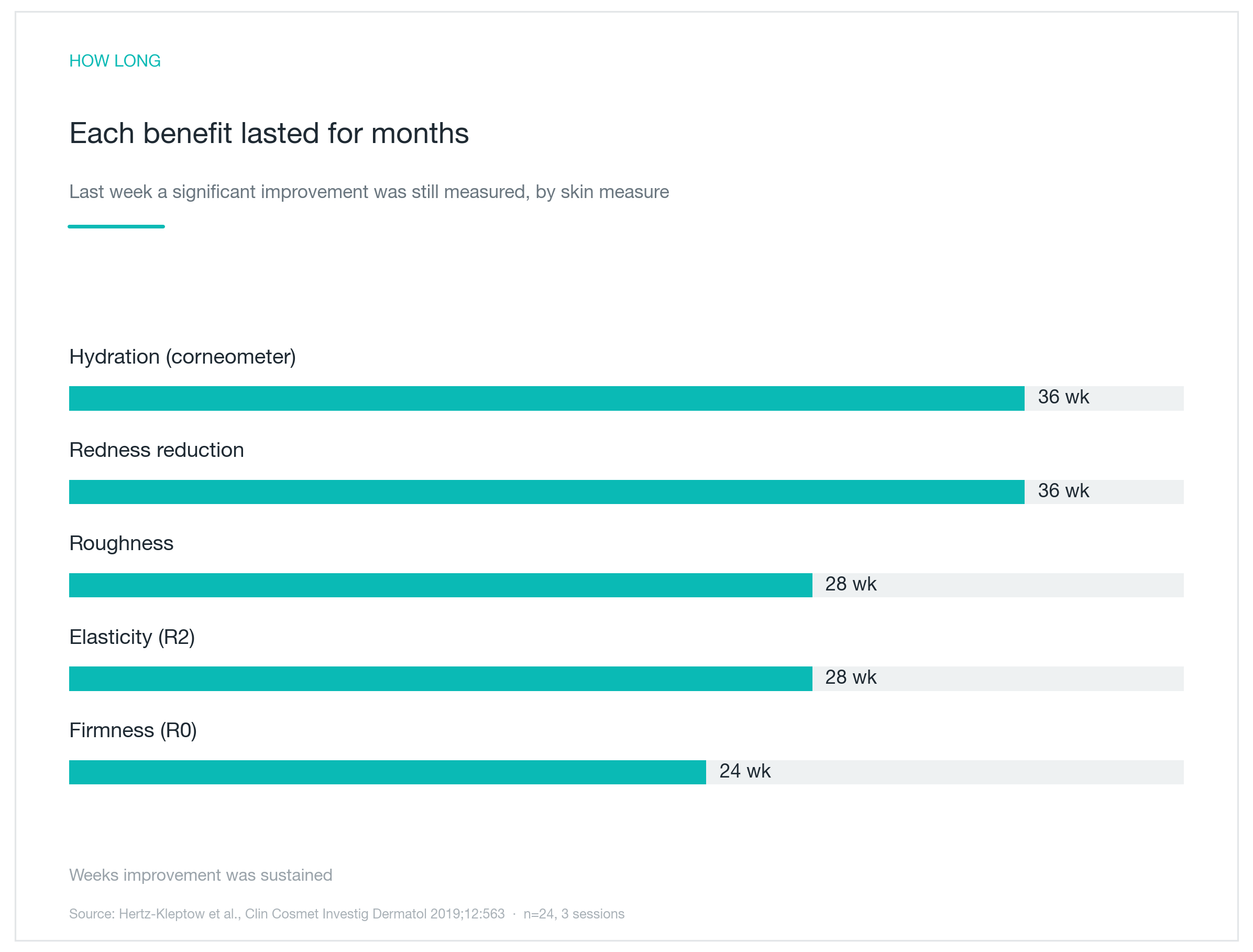
"How long will it last?" Almost always the first practical question. The chart breaks this down precisely: how long statistically significant improvement persisted in each measured category, following three sessions spaced four weeks apart, with participants tracked over an extended follow-up period (Hertz-Kleptow et al., Clin Cosmet Investig Dermatol 2019;12:563, n=24).
The timeline varies by what's being measured. Skin hydration held to 36 weeks. Reduced redness also persisted to 36 weeks. Skin roughness improvement lasted to 28 weeks, and elasticity, measured as R2, also held through 28 weeks. Firmness, measured as R0, declined somewhat earlier, with statistically significant improvement lasting to 24 weeks. The hydration effects outlast the structural ones; firmness is the first to fade.
Elasticity deserves a separate mention. R2, which measures how well skin rebounds after deformation, was more than 25% above baseline at the 28-week mark. That's not surface moisturization. It means the actual mechanical resilience of the skin improved and held for more than six months. Patients who came in mainly hoping for a hydration boost are often genuinely surprised by this part.
Knowing which parameter fades first helps make sense of what patients report. Hydration and redness improvements run longest, out to 36 weeks. Firmness starts declining around 24 weeks. So when someone says "something feels slightly different again," they're often noticing the return of laxity before they notice any change in moisture. That sequence is predictable, and knowing it means I can time the next session based on clinical reasoning rather than guesswork. The sample here was 24 participants, worth keeping in mind when weighing these numbers. High sun exposure, inconsistent skincare, and impaired barrier function can all accelerate the decline. In practice, early signs of returning dryness are my signal for scheduling the next round.
What changes when glycerol is added?
Glycerol is the ingredient that sets Revive apart from a conventional HA skin booster. It's a well-established humectant, meaning it draws water toward itself and slows evaporation. It's chemically identical to glycerin, which appears in countless topical skincare products and has a long safety record in dermatology. What's different here is the delivery: glycerol isn't sitting on the skin's surface, it's injected into the dermis alongside the HA, working from the inside rather than the outside.
The logic of the combination: HA attracts and holds water; glycerol helps that moisture stay put by reducing transepidermal water loss. Together, they're designed to extend the hydrating effect beyond what HA alone would sustain. There may also be a comfort benefit, as glycerol is associated with barrier support and reduced irritation, which likely explains why patients with sensitive or compromised-barrier skin often respond particularly well to Revive.
The chemistry makes sense. Still, it's worth being precise here: saying glycerol supports hydration is well documented. Saying Revive definitively outperforms HA-only products in direct clinical comparison is a stronger claim, and the head-to-head studies needed to fully support that haven't been published in sufficient volume. The mechanism is sound; superiority over alternatives is less settled.
Occasionally a patient asks whether the glycerol makes the formulation more irritating. The opposite is more likely. Glycerol's barrier-supporting and humectant properties are associated with calming effects, not sensitization. Clinically, the patients who seem to benefit most from Revive's glycerol component are often the ones who describe their skin as "always tight" or "stinging after washing," exactly the group where supporting the barrier from within makes the most practical difference.
How does it compare with SkinVive?
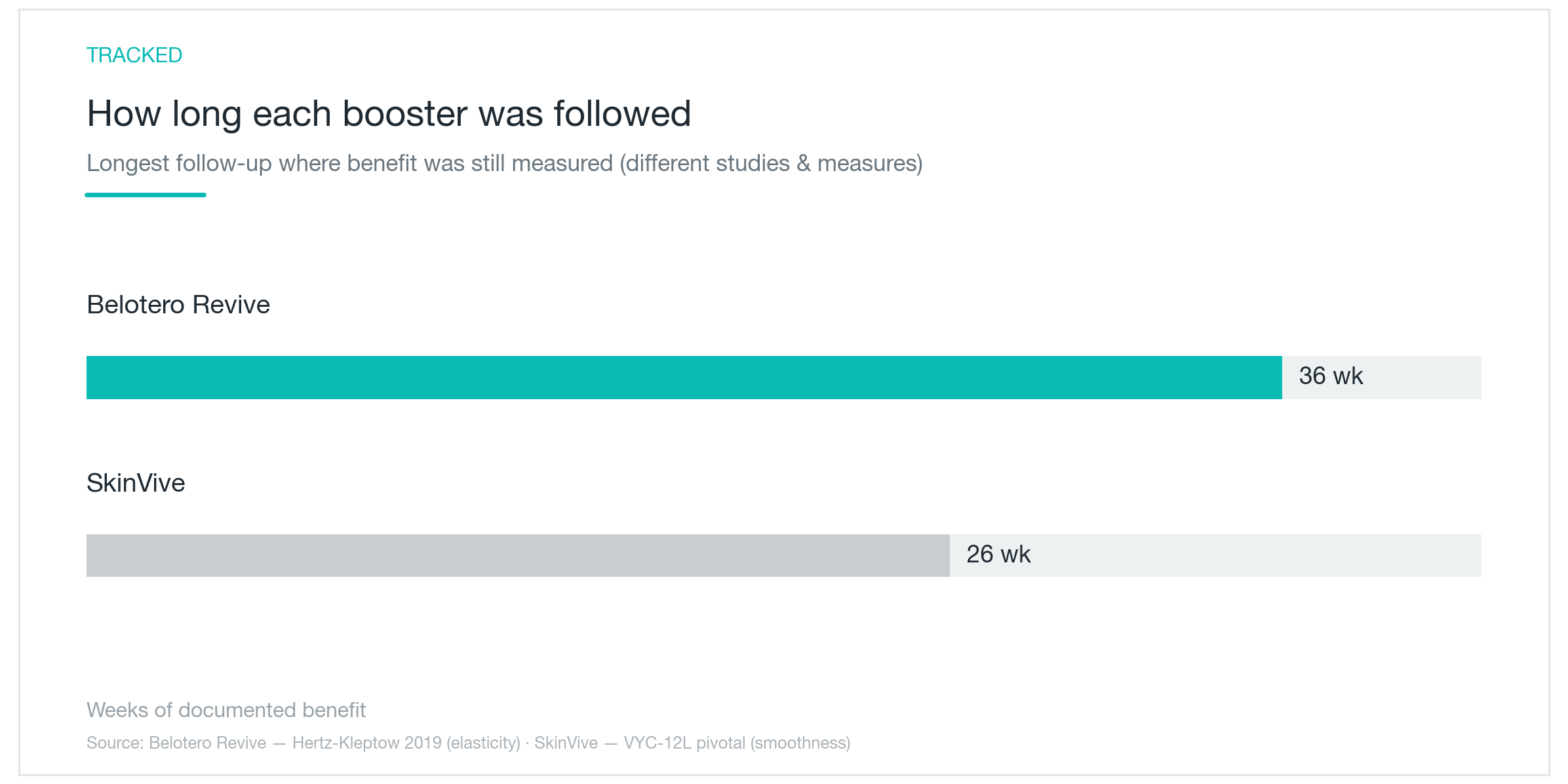
If you've been researching skin boosters, you've almost certainly encountered SkinVive alongside Revive. They serve the same general purpose, improving skin hydration and texture without adding volume, so patients naturally put them side by side. The chart above places their respective follow-up durations on the same visual, which is useful context, but it requires careful interpretation.
The products are genuinely different. Revive: 20 mg/mL HA with glycerol, manufactured using CPM technology, with clinical tracking showing hydration benefit to 36 weeks and elasticity improvement to 28 weeks. SkinVive (Juvederm SkinVive, by AbbVie): 12 mg/mL HA with no glycerol, delivered via the microdroplet technique in small, evenly spaced intradermal deposits. SkinVive received FDA clearance specifically for improving cheek skin smoothness, and its effects are reported to last approximately six months. Different HA concentrations, different formulations, different regulatory histories.
The 36-week figure for Revive and the 26-week figure for SkinVive cannot be placed on the same axis to conclude one lasts longer. They come from separate studies, measuring separate endpoints, in separate patient populations. Revive's 36-week number reflects hydration data; SkinVive's six-month figure reflects skin smoothness. That's not an apples-to-apples measurement. No head-to-head trial currently exists for these two products, so any "this one outlasts the other" claim is an overreach, and I'd be skeptical of anyone making it confidently.
In practice, I choose between them based on the individual patient's skin. Dry, low-elasticity skin with frequent tightness or barrier sensitivity tends to respond well to Revive; the glycerol component is a real advantage there. Patients whose primary concern is cheek skin texture, or who place weight on having an FDA-cleared indication for that specific site, often find SkinVive is the better fit. Neither is inherently superior; they're different tools for overlapping but distinct problems. The right answer comes from looking at the skin directly.
Suitable skin and precautions for treatment
The patients who tend to do best with Revive are fairly consistent: skin that's lost elasticity and feels loose or crepey; persistent dryness that moisturizers can't fully resolve; rough or uneven texture with fine surface lines. If the primary concern is structural volume loss or deep folds, a volumizing filler, Restylane Lyft, Juvederm Voluma, or similar, is the right starting point. Revive won't address those.
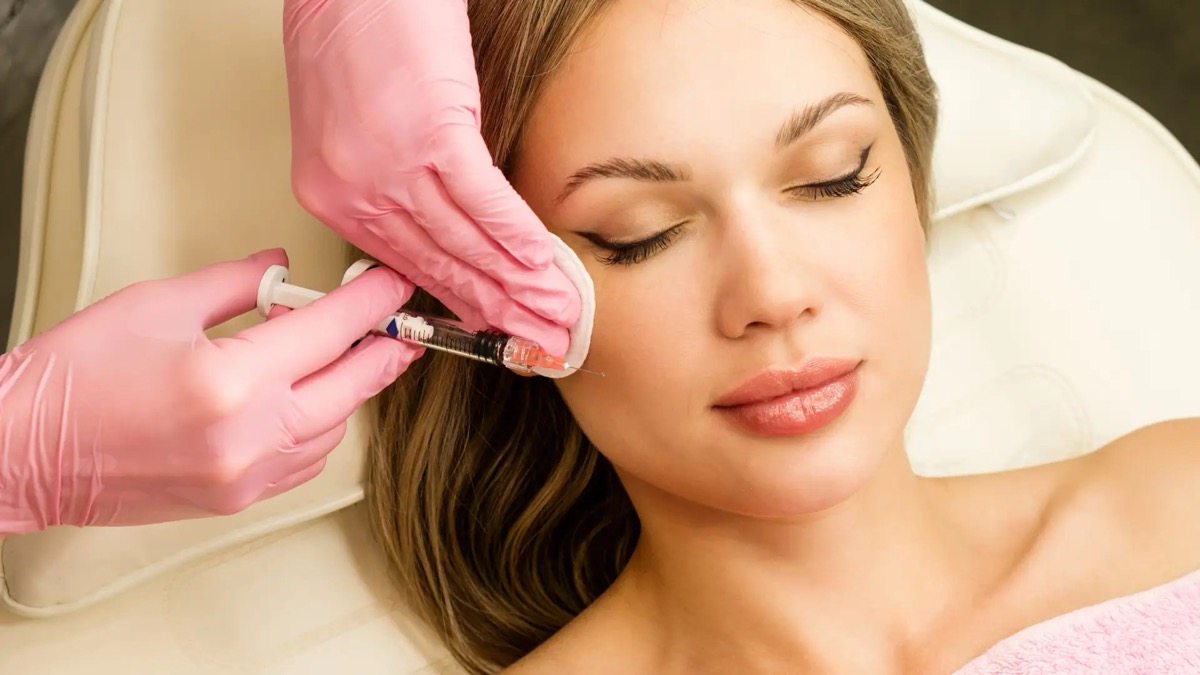
Technique-wise, providers use two approaches: a blunt-tipped cannula for broader coverage with fewer entry points and typically less bruising, or fine-needle microinjection for precise, small-volume deposits at specific sites. Most practitioners use both, depending on the treatment area and what the skin needs. The standard course involves multiple sessions spaced about four weeks apart. The clinical data described earlier, hydration to 36 weeks and elasticity holding to 28, was documented after completing a full three-session series. Starting the protocol but not finishing it means you're not seeing what the treatment actually delivers. Sessions themselves are short; topical numbing cream manages most of the discomfort.
Post-treatment: expect temporary swelling, mild bruising, and possibly some local bumpiness that resolves within days. On the day of treatment, skip intense exercise, excessive heat, saunas, steam rooms, and alcohol, all of which increase bruising and swelling. If redness, firmness, or discomfort persists or worsens beyond the first day or two, have it evaluated rather than waiting it out. Any sign of vascular involvement needs immediate attention. One reassuring fact about HA-based products: hyaluronidase, the enzyme used for emergency filler reversal, dissolves Revive if needed, which is a meaningful safety backstop.
Who should wait or avoid: anyone pregnant or breastfeeding; active infection, acne, or inflammation at the planned injection site; known keloid tendency or active autoimmune conditions. Disclose all current medications, especially blood thinners, and any recent injectables or laser treatments in the same area. If you're combining Revive with other procedures at the same site, timing and sequence need to be coordinated in advance.
Revive is a treatment for improving skin quality from within, not a reset for all signs of aging. It works best alongside consistent sun protection and daily moisturizer, the basic maintenance that keeps the treatment environment favorable in the first place. A single session won't carry you indefinitely, and it isn't designed to. Regular upkeep, timed to when you first notice returning dryness or texture change, gives the most durable result. The best way to know whether this is the right fit is to have the skin examined directly and set realistic expectations together before committing to a course.
Was this helpful?
About this article
Written by a practising aesthetic physician and intended for general education — not a substitute for individual medical advice.
Read next
SkinVive and Revive: Differences, Effect and Duration Compared
SkinVive and Belotero Revive are both HA skin boosters aimed at hydration and texture, but their formulas, glycerol content, clinical data, and approval status differ in ways that matter. Here's what the research actually shows and how to choose.
By Dr. Kim
Profhilo Versus Filler and Rejuran: Differences and Results Compared
What Profhilo is, how it differs from fillers and Rejuran, and what the clinical data actually shows about skin texture, elasticity, and hydration. Effects timeline, safety record, and who it genuinely suits.
By Dr. Lee
Under-Eye Hollow Filler: Effect and Side Effects, and the Tyndall Effect to Watch
The dark, sunken look under the eyes often comes less from pigment than from hollowing and the shadow it casts. Here's how the tear trough ligament and lost volume under the eye create that shadow, how a soft hyaluronic acid filler placed shallowly and sparingly smooths it out, why thin skin and the bluish Tyndall effect make this area tricky, and how long results actually last, all backed by real published numbers.
By Dr. Kim