Under-Eye Skin Booster: Effect, PN and HA Differences, and How Long It Lasts
By Dr. Lee7 min read
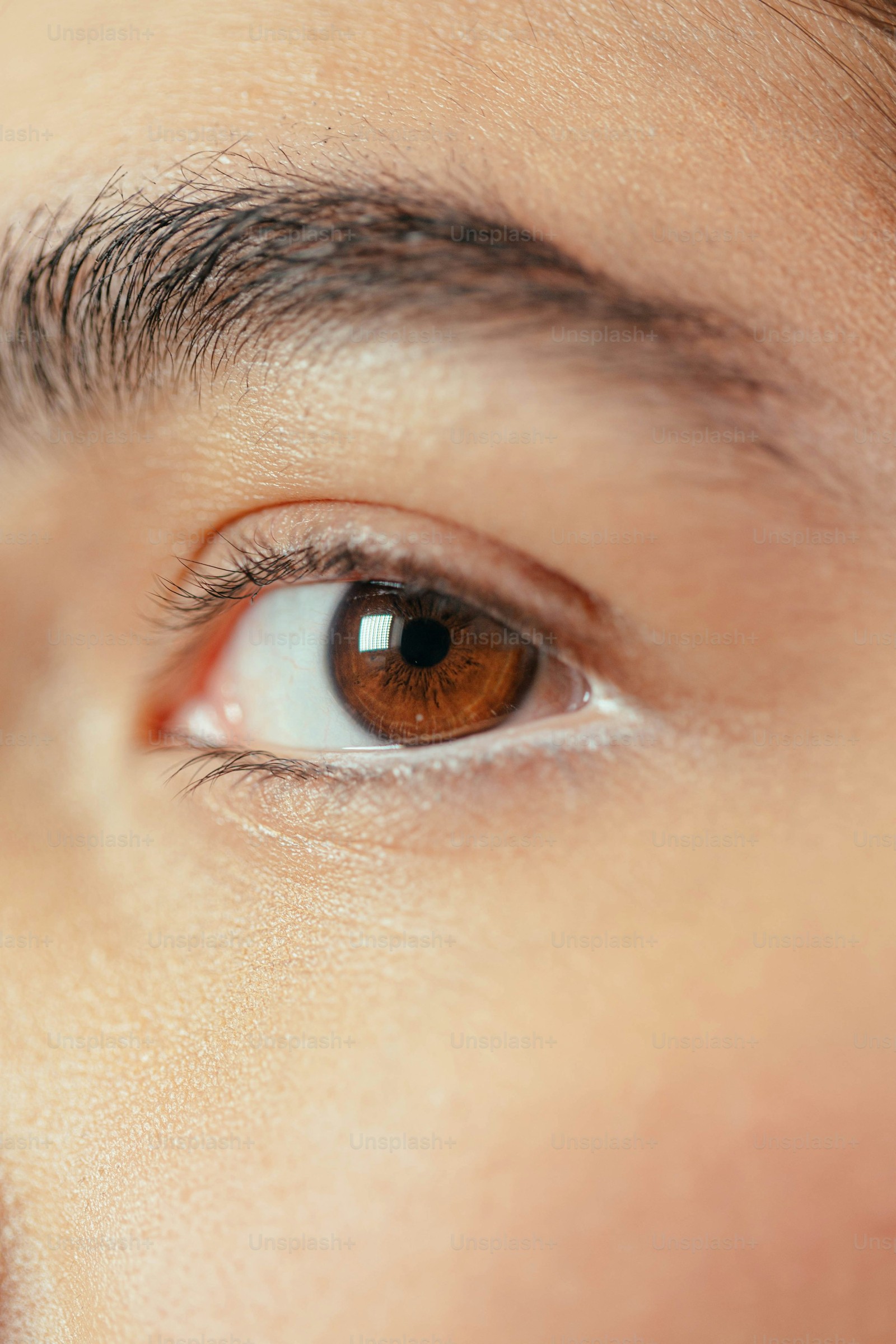
It might sound surprising that skin boosters can be used around the eyes at all. Most people picture skin boosters going into broader areas like the cheeks or forehead. But the eye area is actually one of the thinnest, most sensitive patches of skin on the body, which is exactly why it's often singled out as a place that benefits from this approach.
Dark circles and fine lines aren't simply the result of a bad night's sleep or getting older. As the skin itself thins and loses hydration and collagen, the blood vessels and muscle underneath start to show through, and fine lines become more noticeable. Under-eye skin boosters work by rebuilding that thinned-out structure from within.
Why Does Under-Eye Skin Need a Skin Booster?
The skin around the eyes averages about 0.5mm thick, compared to roughly 2mm on the cheeks, so it's only a little over a third as thick. Think of the difference between a single sheet of paper and a sheet of cardstock laid on top of it.
On top of that, the fat layer here is thin, and just beneath it sits the orbital septum, a delicate membrane that wraps around the eyeball. That makes heavier, volumizing filler techniques risky in this spot. Instead of adding bulk, skin boosters gradually build up the skin's own thickness and hydration, which suits the area far better.
Two Ingredient Types for Under-Eye Skin Boosters
Under-eye skin boosters generally fall into two categories. One is PN (polynucleotide), made from DNA fragments extracted from salmon. The other is a low-crosslinked form of hyaluronic acid (HA), meaning the molecules are only loosely linked together.
The two work in different ways. PN mainly signals cells to produce new collagen, while HA acts more like a reservoir that holds onto water. Depending on the clinic, they may be used on their own or combined in the same session.
How PN Gets the Skin Making Collagen Again
PN is a DNA fragment extracted from salmon reproductive cells. It's often compared to PDRN, a related and better-known ingredient with a shorter chain length, essentially its cousin.
Once these DNA fragments enter the skin, they stimulate adenosine receptors on the cell surface, the "doors" through which cells receive signals. This activates fibroblasts, the cells responsible for producing collagen, and triggers new collagen and blood vessel growth.
A useful way to picture it: PN is like sending fresh building materials back to a construction site. It signals the skin, a structure that has grown thin, to rebuild its own framework, which is a fundamentally different mechanism from a filler that simply adds volume.
Does It Work on Dark Circles Too?
Dark under-eye circles generally come from one of two causes. Either the skin is thin enough that the blood vessels and muscle underneath show through, or pigment has built up in the area. Skin boosters mainly help with the first kind, the kind caused by thinning skin.
PN is also known to have anti-inflammatory properties. Low-grade inflammation that lingers around the eyes over time can dilate blood vessels and make discoloration more visible. By calming that inflammation while also thickening the skin with new collagen, the vessels underneath become less visible.
In other words, this isn't about erasing pigment directly. It's about thickening the thin layer of skin that was acting like a window onto the pigment or vessels beneath it. So in cases where pigment-related dark circles are severe, a skin booster alone may have its limits.
Lack of sleep or fatigue can also make dark circles look more pronounced in the moment. When blood flow slows down, the color in the vessels becomes more visible through the skin. This is a separate, day-to-day factor from the collagen thickness a skin booster builds, and it's worth understanding the two independently.
How HA Holds On to Water
HA is a substance already present in our own dermis, and it has the ability to hold onto water hundreds of times its own weight. It helps to picture a sponge soaking up water.
The HA used around the eyes has a lower crosslinking density than the kind used in the cheeks or nasolabial folds. With a lower crosslinking density, the molecular network is looser, so instead of forming a raised bump under the skin, it spreads out like a thin film. That's what allows it to deliver hydration without adding noticeable volume.
Once hydration is restored, the stratum corneum feels plumper and fine lines can look temporarily smoothed out. That said, this effect fades as the HA is gradually broken down by the body, so it doesn't last the same way that PN's newly built collagen does.
Injection Method and Recommended Interval
Because the eye area is so thin and full of blood vessels, the injection technique here is far more delicate than in other areas. Practitioners use a fine needle or a blunt-tipped cannula, a thin tube-like instrument that's pushed through the tissue rather than piercing it, to place tiny amounts into the superficial dermis.
This approach is called micro-droplet technique, where small amounts are scattered across many points rather than concentrated in one spot. Injecting shallowly, in small amounts, and around the blood vessels helps lower the risk of bruising and swelling.
Most protocols call for around 3 sessions spaced 2 to 4 weeks apart. Rather than aiming for one dramatic change, the idea is to build up collagen and hydration gradually over several sessions.
How Many Days Do Swelling and Bruising Last?
Some swelling and mild bruising can linger for a few days right after treatment. Because the eye area has such a dense network of blood vessels, it tends to bruise more easily than other parts of the face.
- On the day of treatment, avoid rubbing or pressing on the eyes. The product hasn't settled in place yet and can shift if disturbed.
- Cold compresses are generally recommended for the first 1 to 2 days, switching to warm compresses afterward if bruising remains. Cold constricts vessels to reduce swelling, while warmth improves circulation to help bruises clear faster.
- Sun protection matters just as much after treatment. UV exposure works against newly forming collagen, breaking it down as it builds.
- Makeup is usually allowed from the next day, but since the eye area is close to the mucous membrane, it's best to keep it minimal for the first few days.
New collagen takes time to settle in. Most reports describe the under-eye skin gradually thickening and the texture refining over roughly 4 to 12 weeks.
How Long Do the Results Last?
How long an under-eye skin booster lasts depends on the ingredient and the individual, but results are often reported to hold for around 6 to 12 months. Since the new collagen PN generates is still a protein that eventually breaks down over time, the effect isn't permanent.
HA-based results tend to fade a bit sooner, typically between 4 and 6 months. Its low crosslinking density, the same property that gives it a soft, natural spread, also means the body breaks it down faster.
That's why many clinics recommend building a foundation with an initial series of 3 sessions, then following up with maintenance treatments every 6 months to a year. Since the eye area is constantly in motion and exposed to sunlight, consistent upkeep tends to produce longer-lasting results than a single round of treatment.
Spacing sessions too closely together doesn't make the effect build up any faster, either. Collagen is a protein that cells produce gradually over time, so giving the body enough time to respond between sessions tends to lead to more stable, reliable results.
References
Korean Dermatological Association, American Academy of Dermatology (AAD), and Ministry of Food and Drug Safety (MFDS).
Was this helpful?
About this article
Written by a practising aesthetic physician and intended for general education — not a substitute for individual medical advice.
Read next
Skin Booster Injection and Filler Differences: Hyaluronic Acid Hydration and Duration
Skin boosters feel far more hydrating than anything you apply topically. Here is why: how hyaluronic acid grabs water deep inside the dermis, how that inner glow actually forms, how it differs from dermal filler, and how long the effect really lasts, explained simply.
By Dr. Lee
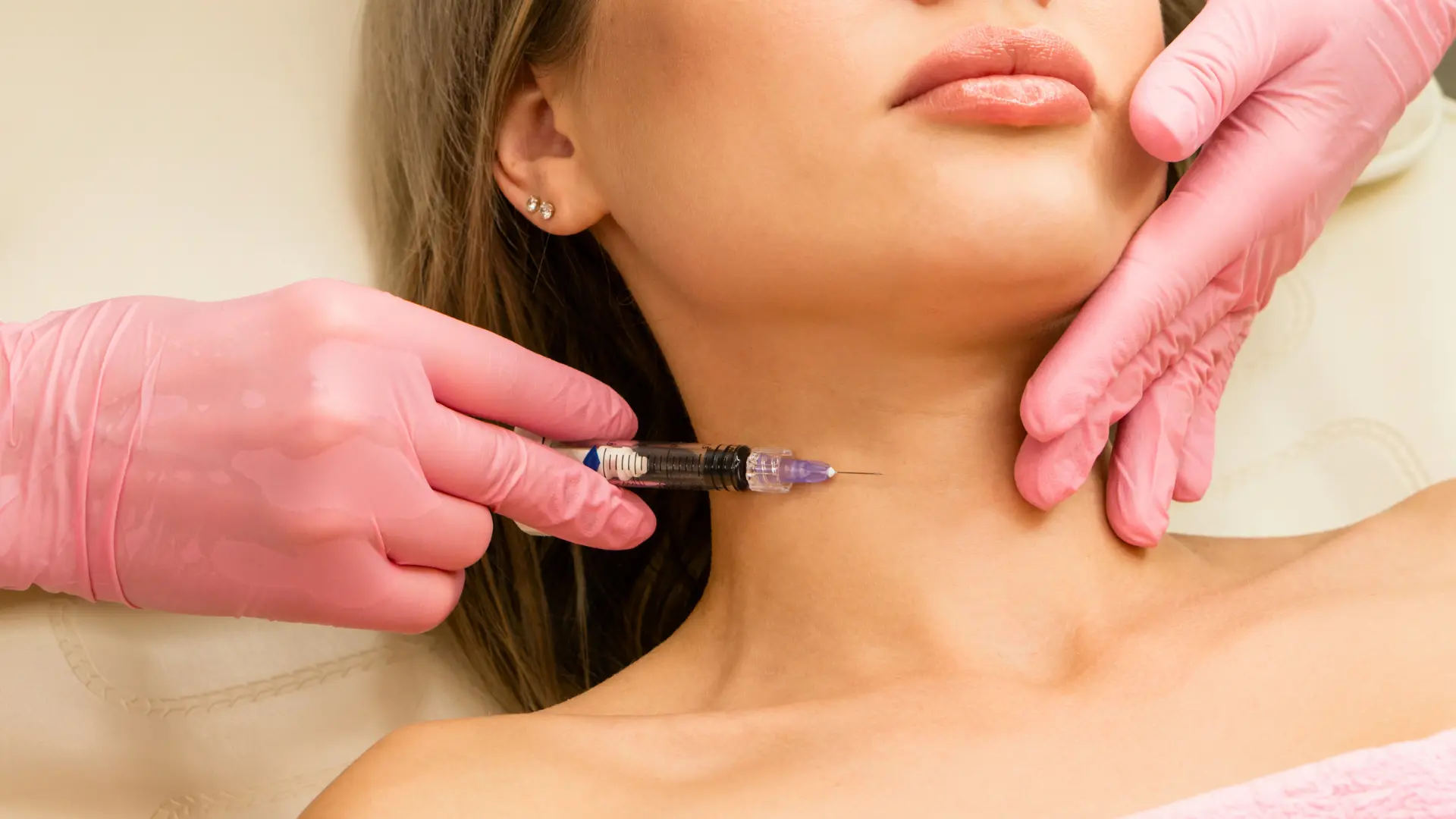
Neck Skin Booster: Results and Number of Sessions, and Is It Right for Neck Lines?
A neck skin booster isn't a volumizing treatment like filler. It's a way of placing very thin hyaluronic acid throughout the dermis to lift hydration and collagen from within. Here's why the neck ages before the face, and how the results build over time.
By Dr. Kim
Under-Eye Hollow Filler: Effect and Side Effects, and the Tyndall Effect to Watch
The dark, sunken look under the eyes often comes less from pigment than from hollowing and the shadow it casts. Here's how the tear trough ligament and lost volume under the eye create that shadow, how a soft hyaluronic acid filler placed shallowly and sparingly smooths it out, why thin skin and the bluish Tyndall effect make this area tricky, and how long results actually last, all backed by real published numbers.
By Dr. Kim