Neck Skin Booster: Results and Number of Sessions, and Is It Right for Neck Lines?
By Dr. Kim7 min read
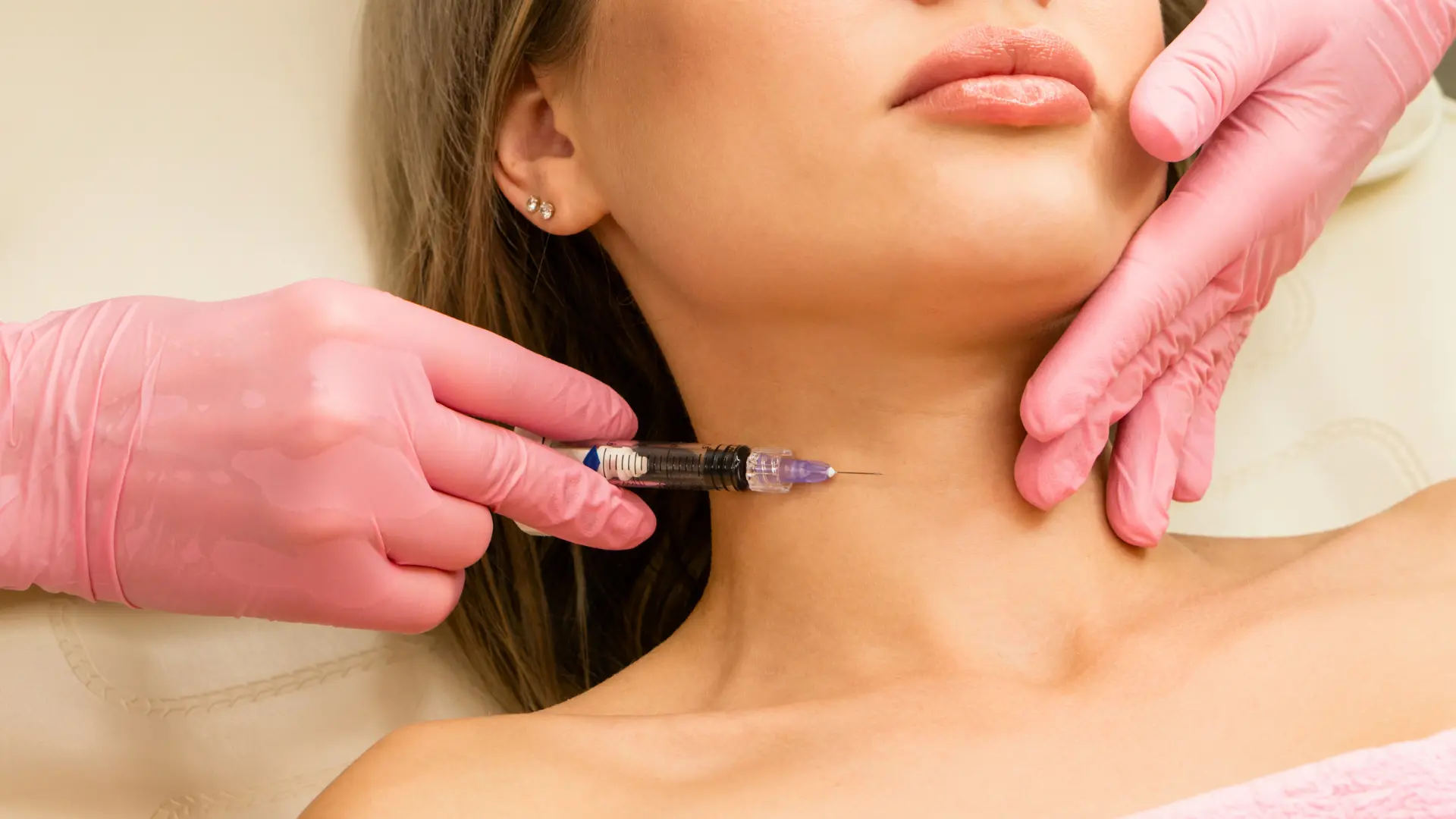
Neck lines tend to show up before anything on the face does. It's not because you've neglected them, it's because the skin there is simply built differently. That's part of why skincare routines that work on the face often fall flat when you try them on the neck.
Neck skin boosters were developed to close that gap. Instead of adding volume the way filler does, this treatment places very diluted hyaluronic acid in tiny amounts across the dermis, aiming to lift the skin's own strength from the inside. Let's walk through why the neck needs its own approach, and what's actually happening under the surface.
Why do neck lines appear before facial lines?
Neck skin is thinner than facial skin. It also has far fewer sebaceous glands (the small glands that produce oil to keep skin moist), which means it's naturally less able to hold onto its own moisture.
On top of that, the neck bends and straightens thousands of times a day. Every time you glance down at your phone, the skin on the front of your neck folds and unfolds, and repeated over years, that motion tends to settle into lines right along the crease. UV exposure hits the neck just as often as the face, yet it usually gets far less sun protection and care, so it's easy for the neck to end up looking older than the rest of you.
The trouble is, topical care like sunscreen or moisturizer only goes so far here. Most of what you apply to the surface reaches the outer keratin layer at best, and rarely makes it down to the dermis, which is where collagen and hydration are actually managed. That's the gap skin boosters are meant to fill, by delivering ingredients directly into the dermis instead of leaving it to topical products.
How is a neck skin booster different from filler?
Filler is heavily cross-linked (a process that chemically binds HA molecules together into a firm structure) so it can hold its shape and build volume in one spot. Think of it like a piece of jelly that keeps its form while filling in a hollow area.
A skin booster, on the other hand, uses hyaluronic acid that's barely cross-linked, if at all. Because it's so low in viscosity, it doesn't stay put in one place, it spreads thinly through the dermis instead. It won't plump anything up the way filler does. What it changes is skin texture and hydration. That's why areas like the neck, where texture and elasticity matter more than volume, tend to be treated with boosters rather than filler.
The injection technique is also different. Filler goes in deep, in relatively large amounts, at a single point. A skin booster is injected with a very fine needle, in small amounts, spread across many points in the shallow dermis. The goal is more like watering an entire field evenly rather than pouring water in one spot. That's why the result doesn't create any raised or bumpy areas, and instead leaves the skin looking generally smoother in tone and texture.
What does a skin booster do inside the skin?
Hyaluronic acid can attract and hold onto water hundreds of times its own weight. Once it's placed in the dermis, it works a bit like a sponge, drawing moisture in around itself so the skin becomes hydrated from within.
At the same time, something else is going on. Hyaluronic acid binds to receptors on the surface of fibroblasts (the skin cells responsible for making collagen) and signals them to produce more. On top of that, the act of injecting the dermis repeatedly with a fine needle is itself a small mechanical stimulus that helps trigger a healing response. It's similar to how the body automatically kicks off repair when there's an injury, just at a much gentler intensity, happening in tiny increments across the dermis.
Why does it suit horizontal neck lines?
Horizontal neck lines form when thinning, less elastic skin folds along the same crease over and over until that fold becomes a fixed mark. Without enough collagen and hydration underneath to support it, the skin can't absorb the repeated folding and unfolding, so a permanent line sets in.
Once a skin booster restores hydration and collagen, the skin regains some elasticity and can better absorb that folding motion. Because of this, it works better on softening fine, shallow lines and smoothing overall texture than on erasing deep, well-established creases.
Neck skin booster sessions and how long it lasts
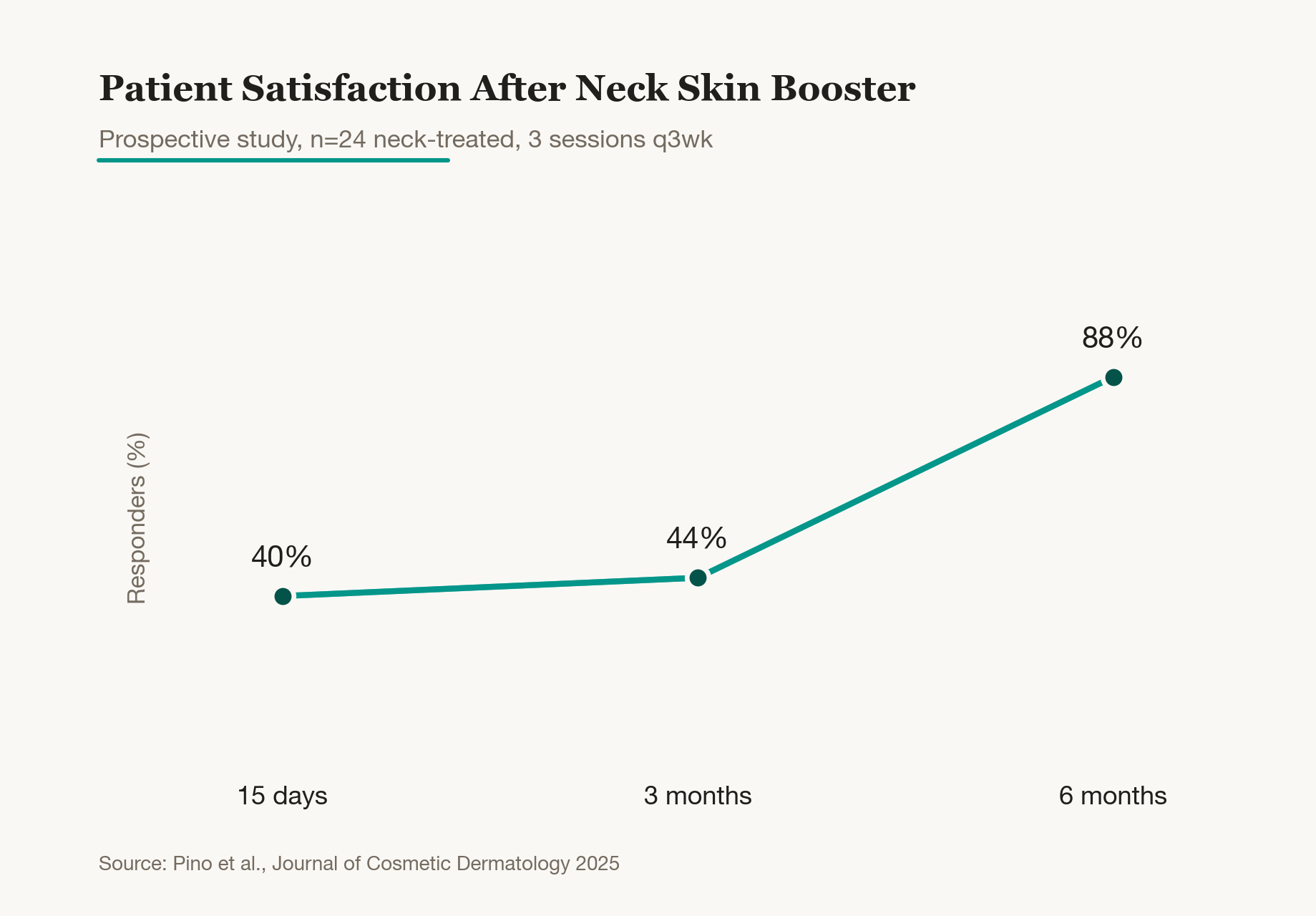
A single session won't give you lasting results right away. HA's water-binding effect shows up fairly quickly, but actual collagen buildup takes time to happen. So treatment is usually structured like this.
- Initial series: About 3 sessions spaced 2 to 4 weeks apart, to build up a strong enough collagen response. A single round of stimulation doesn't sustain the healing response for long on its own.
- Maintenance: After that, follow-up sessions every 6 to 12 months keep the results going. Collagen is a protein that slowly breaks down over time, so it needs to be replenished.
- Individual variation: How long results last depends on your skin aging pace, sun exposure, and whether you smoke, since collagen breaks down at different rates from person to person.
Aftercare for the first few days
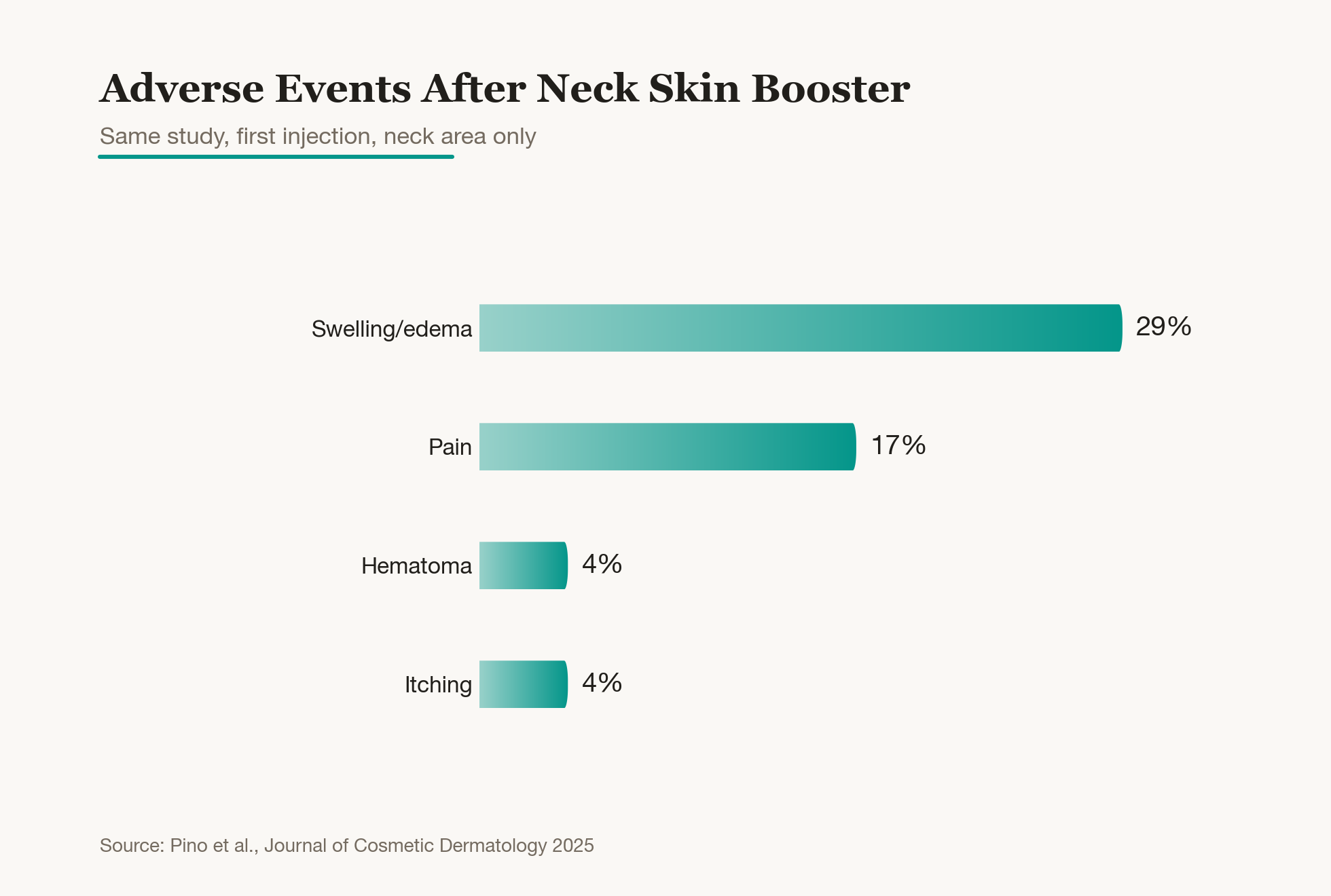
Right after treatment, you may notice small red dots or mild swelling along the injection points. This is a normal response to the many tiny injections placed into the dermis, and it usually settles within a few days.
- Avoid rubbing or massaging the neck firmly on the day of treatment, since the hyaluronic acid hasn't fully settled yet and could shift out of place.
- Small bruises can linger for a few days but fade naturally over time.
- Keeping up with sun protection, not just during recovery but as an everyday habit, helps protect the collagen you're building.
Overall, skin texture and elasticity are reported to keep improving gradually over 4 to 12 weeks. The visible signs like swelling and redness settle within days, but it takes considerably longer for collagen to actually establish itself and firm up the skin.
Does it help with sagging neck flesh?
Not all neck lines come from the same cause. If the real issue is already-sagging tissue, like a loose neck or a double chin, a skin booster alone has its limits. It's designed to work on skin texture, hydration, and fine lines, not to lift tissue that has genuinely dropped.
In those cases, it makes more sense to pair it with treatments like thread lifting or radiofrequency, which pull or support tissue directly. Whichever approach you choose, having well-hydrated, elastic neck skin as a base is said to make the results of any other treatment look smoother.
Side effects and conditions for safe treatment
Because a skin booster is injected more shallowly and with a finer needle than filler, it's generally considered a safe option. Still, since the needle passes through the skin many times, some reactions are common.
- Temporary swelling and redness: A natural response to the many small points of stimulation in the dermis, usually gone within a few days.
- Small bruising: Can happen if a shallow blood vessel is nicked, and fades over time.
- Rare small nodules: If hyaluronic acid clumps in one spot, it can feel like a tiny bump under the skin. These are reported to resolve over time or, if needed, can be dissolved with an enzyme.
The neck also has stretches where blood vessels run more superficially than on the face, so it matters that an experienced practitioner accounts for that anatomy when choosing injection depth and placement. Avoiding saunas or vigorous massage on the day of treatment, both of which add heat and pressure, also helps recovery go smoothly.
References
Korean Dermatological Association, American Academy of Dermatology (AAD), and Ministry of Food and Drug Safety (MFDS).
Was this helpful?
About this article
Written by a practising aesthetic physician and intended for general education — not a substitute for individual medical advice.
Read next
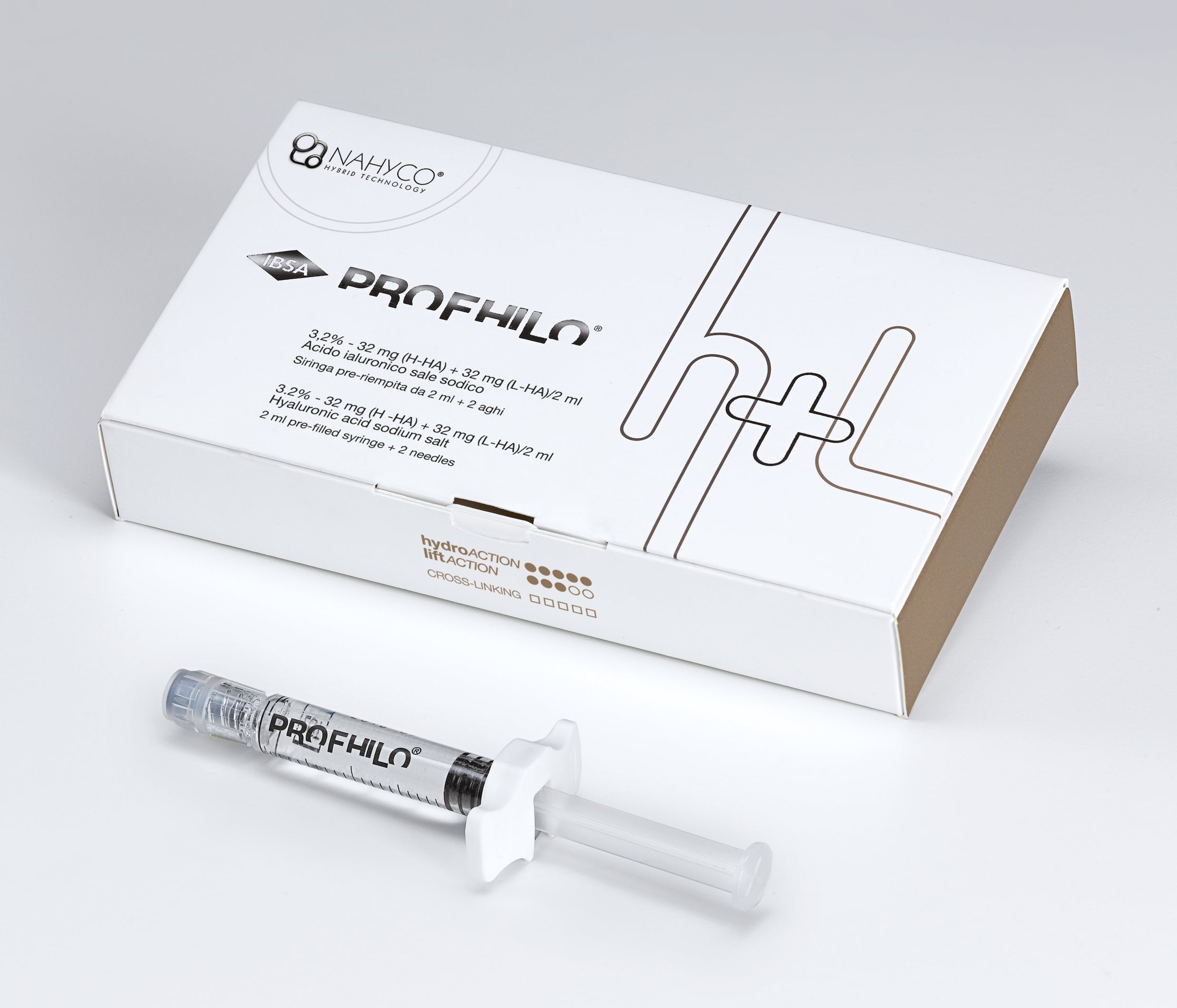
Profhilo Versus Filler: How It Spreads Across the Whole Face
Unlike volumizing fillers, Profhilo is a bioremodeling treatment in which high-concentration hyaluronic acid spreads widely beneath the skin, drawing in moisture and stimulating collagen production. Here's a look at why it firms the entire face rather than a single spot, tracing the diffusion and regeneration pathway behind it.
By Dr. Kim
Skin Booster Injection and Filler Differences: Hyaluronic Acid Hydration and Duration
Skin boosters feel far more hydrating than anything you apply topically. Here is why: how hyaluronic acid grabs water deep inside the dermis, how that inner glow actually forms, how it differs from dermal filler, and how long the effect really lasts, explained simply.
By Dr. Lee

Belotero Soft Neck Line Filler: How Long It Lasts and How Many Sessions
When filler is used to fill in horizontal neck lines, here's why the treatment calls for a soft filler like Belotero Soft placed shallow and in small amounts, rather than the firm fillers used on the chin or cheeks, plus how long results last, how many sessions it takes, and what to know about the Tyndall effect and overall safety, based on real clinical research.
By Dr. Kim