Shoulder Filler Materials Compared: Duration of CaHA and HA
By Dr. Kim7 min read
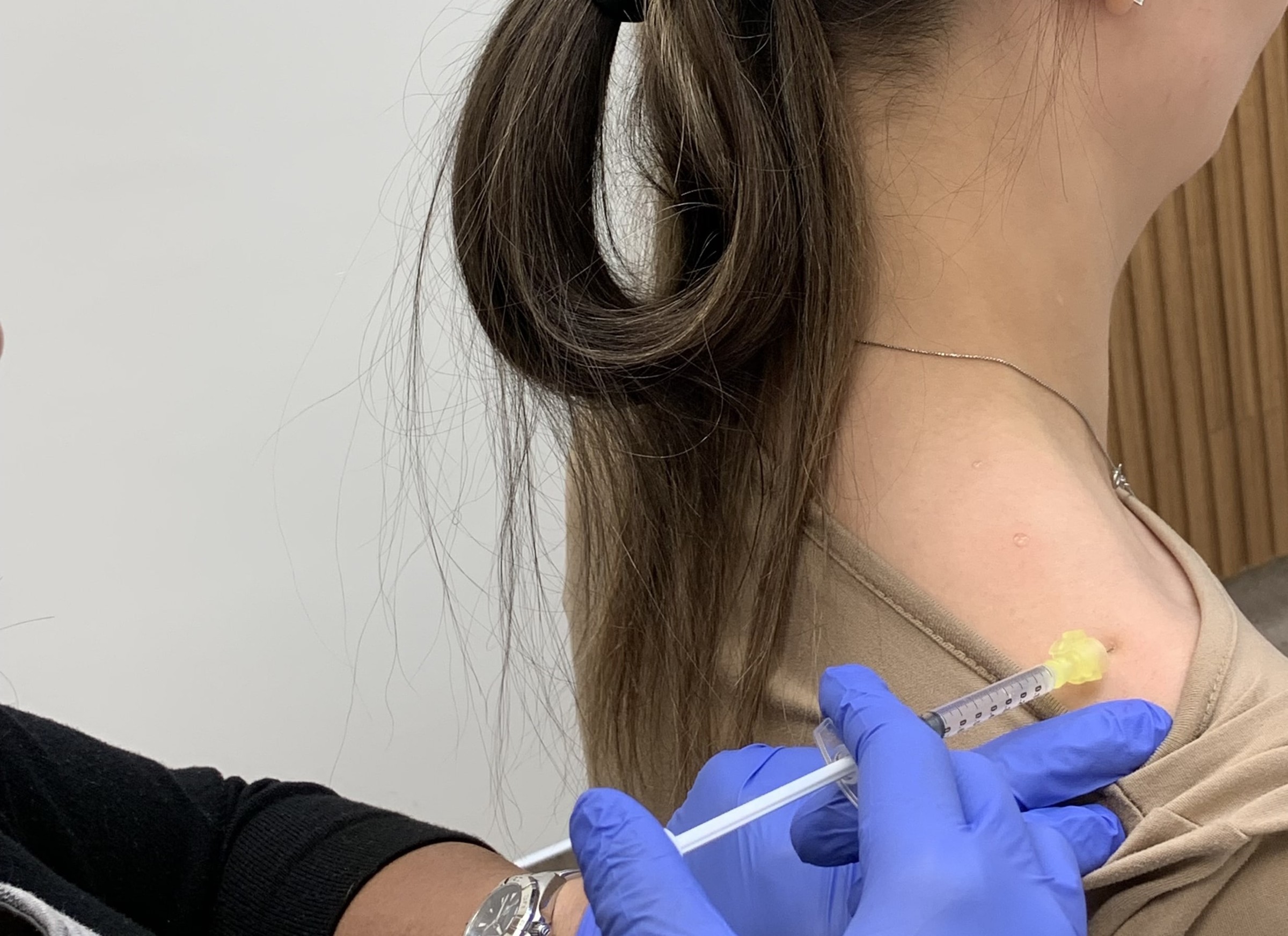
Shoulders do not get as much attention as the face, day to day. But the moment you try on an off-shoulder top or get fitted for a wedding dress, the shoulder area suddenly matters a lot. A hollow just below the collarbone or a sharp, bony shoulder tip can throw off how clothes sit on your frame.
Shoulder filler is the treatment people reach for to soften that line. It is tempting to think of it as just adding volume, the way facial filler does, but it is closer to changing the actual angle formed by the muscle and skin over the bone. Here is why the shoulder line breaks down in the first place, and how filler works to bring it back.
Where Is Shoulder Filler Injected?
Shoulder filler is injected into the hollow below the collarbone, around the shoulder tip, or along the line where the trapezius muscle begins, to smooth out the contour. Facial filler tends to be used in the same handful of spots over and over, like the nasolabial folds or the cheeks. Shoulders are different: bone structure and muscle mass vary so much from person to person that both the injection sites and the amount used are highly individual.
The goals vary too. Some people simply have narrow, angular shoulders and want more volume. Others lose fat around the shoulder as they age, which lets the bone show through more sharply. Either way, the shoulder line ends up looking angular instead of soft and curved. Filler works by adding cushioning to that angular area, bringing the curve back.
Why Does the Shoulder Line Look Flat?
A few overlapping causes are usually behind a sagging or flat-looking shoulder line, and how much filler can help depends on which one is at play.
- Loss of fat and muscle: With age or weight loss, the thin layer of fat below the collarbone and around the shoulders tends to go first. That fat layer normally cushions the space between bone and skin, so once it thins out, the outline of the collarbone and shoulder blade shows through the skin more directly.
- Underlying bone structure: If the shoulder blades and collarbone are naturally narrow and flat, an angular look can remain even with adequate muscle and fat. Bone shape itself does not change much with exercise or weight management.
- Posture and muscle habits: Rounded shoulders or chronically tense trapezius muscles, held that way over a long period, can throw the shoulder line off balance to one side. Different levels of muscle tension change where contours show up on the skin.
These three factors often overlap, so figuring out which one is doing the most damage is the first step before any treatment.
How the Gel Pushes the Surface Up
The basic principle is not that different from facial filler. A gel-like substance is placed in a specific layer, and it pushes the surface up by however much volume it adds. The shoulder does differ from the face in one respect: the skin and fascia are thicker, and the area moves more, so firmer, longer-lasting materials tend to be used.
The material used most often is calcium hydroxylapatite (CaHA, the same calcium compound found in human bone and teeth). It comes as microscopic particles suspended in a gel. Once injected, the particles settle into place, and the body's own collagen grows into the spaces between them. Think of gravel used for drainage at the bottom of a plant pot: the particles act as a scaffold, and new tissue fills in around them.
Hyaluronic acid (HA) filler is also an option. The formulations used here have coarser particles and a firmer texture than what goes into the face. The principle is a tightly woven mesh of HA chains holding water to maintain volume. One advantage of HA is that it can be dissolved and reversed with an enzyme called hyaluronidase if needed.
CaHA Particles and How Collagen Forms
CaHA is often chosen for a broad, high-movement area like the shoulder, and firmness is not the only reason. Once the particles settle into the tissue, fibroblasts (the cells that produce collagen) gather around them and start generating new collagen and elastin.
This process is called biostimulation. The injected material fills volume on its own, while at the same time prompting the body to build new tissue, a two-stage effect. As the particles are gradually absorbed over time, the collagen that formed around them stays behind and takes over part of the volume.
So with CaHA in the shoulder, the volume in the early months comes mostly from the material itself, and later on, the elasticity of newly formed collagen carries the line instead. It works on a similar delayed handoff as thread lifting, where the pulling tension of the thread and the volume-building effect of collagen kick in at different points in time.
How Injection Depth Changes the Result
Injection depth is one of the biggest factors in how shoulder filler turns out. Too shallow, and the surface can look bumpy. Too deep, and the volume never quite shows through.
For areas where bone is prominent, like just below the collarbone, placing the filler right above the periosteum (the thin membrane covering the bone) has become a common approach. Injecting close to the bone means the filler is less likely to shift with muscle movement. The shoulder tip, where muscle and skin move together, is usually treated differently: small amounts are placed in a relatively shallow layer to build a natural curve.
Avoiding blood vessels and nerves along the way matters just as much. Large vessels are not as densely packed around the shoulder as they are in the face, but injecting without carefully checking the anatomy can lead to bruising or swelling that lasts longer than expected.
How Long Does Shoulder Filler Last?
How long shoulder filler holds up is not down to a single factor. The type of material, where it was injected, and each person's metabolism all play a role together.
- How fast the material breaks down: Thanks to biostimulation, CaHA keeps some volume even after it shrinks, since collagen fills in part of the gap. HA holds volume only as long as it retains water, and once it is absorbed, the volume tends to drop off more directly.
- How much the injection site moves: A high-movement area like the shoulder tip may absorb filler faster than a relatively fixed layer like the area just above the periosteum. Tissue that stretches and compresses often puts the filler particles through more mechanical stress.
- Individual metabolism and activity level: People with a faster metabolism or a higher activity level tend to absorb filler somewhat faster, according to reports. Faster blood flow and tissue turnover generally speed up how quickly the material breaks down and clears.
Overall, CaHA is often reported to last around a year, and HA somewhat shorter, but individual variation based on the factors above can be considerable.
Are There Risks of Bruising, Swelling or Vessel Problems?
Bruising and swelling are common right after treatment. They happen naturally when small blood vessels are compressed or nicked along the needle's path, and most resolve within a few days to a week.
Less commonly, filler can shift out of place or form a palpable lump. Pressing hard or massaging the area in the first few days, before the filler has settled, can push it out of position, so avoiding intense exercise or firm pressure during this period is recommended.
The side effect that requires the most attention is filler accidentally entering a blood vessel. It is rare, but if severe pain or noticeable skin paleness shows up after injection, contacting the clinic right away is important. With HA filler, hyaluronidase offers a built-in safety net, since it can dissolve and reverse the filler if needed. For that reason, many practitioners recommend starting with HA for a first shoulder filler treatment, then moving on to a longer-lasting material once you are satisfied with the result.
References
Korean Dermatological Association, American Academy of Dermatology (AAD), and Ministry of Food and Drug Safety (MFDS).
Was this helpful?
About this article
Written by a practising aesthetic physician and intended for general education — not a substitute for individual medical advice.
Read next

Earlobe and Protruding-Ear Filler: Amount and Duration Compared
More people are considering filler for a drooping earlobe or an ear that sits pinned back against the head. Here is what the actual research shows about how earlobe filler adds volume, how elf-ear filler opens up the angle, how long results last, and what side effects to expect.
By Dr. Lee

Aegyo-Sal Filler: Technique, Amount, Lumps and the Tyndall Effect
A look at what aegyo-sal is and how hyaluronic acid filler recreates that puffy under-eye line when you smile. We cover why subtle, small-volume results have become the trend over dramatic fullness, plus the lumping, sagging, and Tyndall effect that can happen if too much is injected.
By Dr. Kim
Profhilo Versus Filler: How It Spreads Across the Whole Face
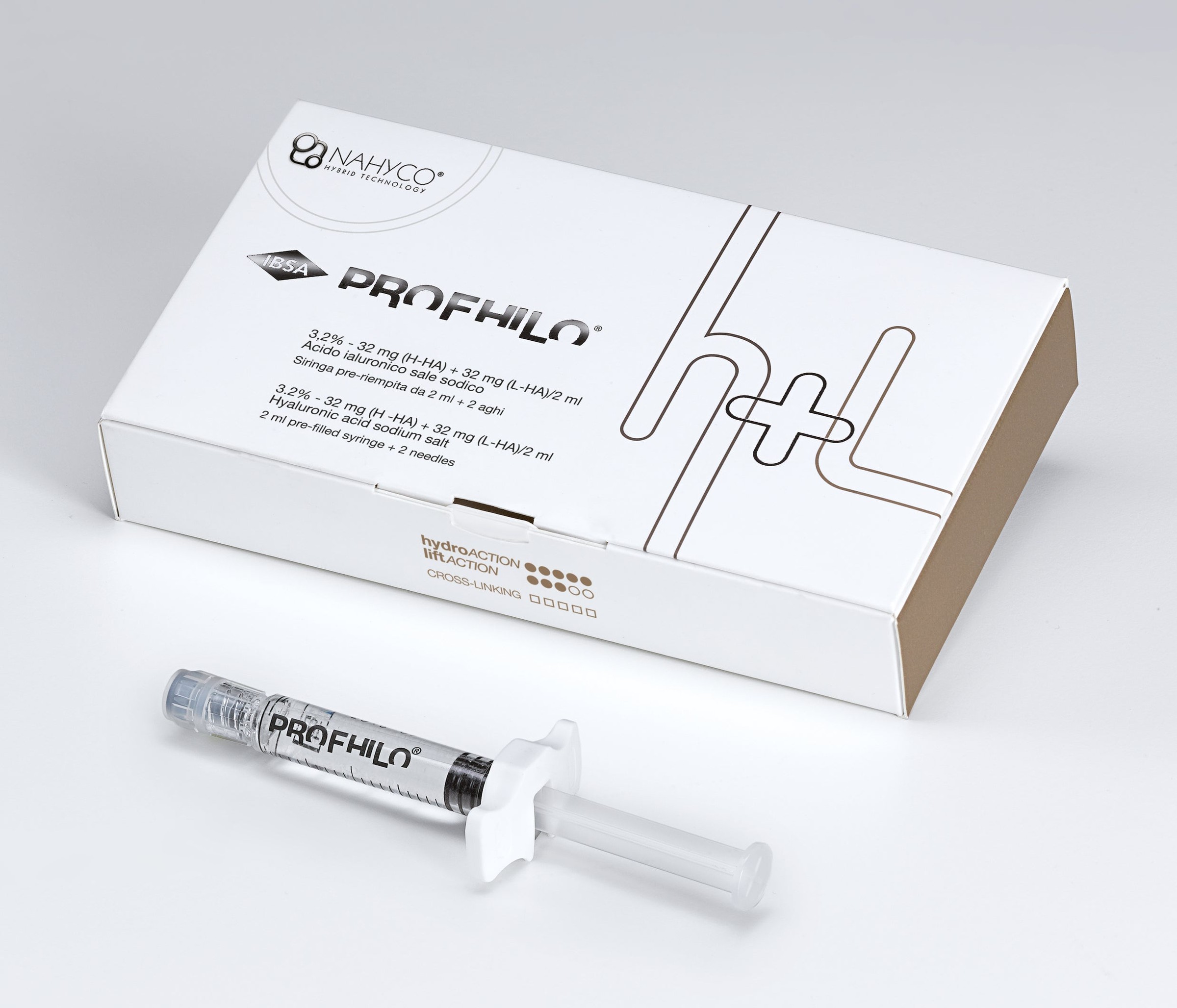
Unlike volumizing fillers, Profhilo is a bioremodeling treatment in which high-concentration hyaluronic acid spreads widely beneath the skin, drawing in moisture and stimulating collagen production. Here's a look at why it firms the entire face rather than a single spot, tracing the diffusion and regeneration pathway behind it.
By Dr. Kim