Sensitive Skin Redness: Causes, Barrier and Vessel Problems, and Care
By Dr. Lee6 min read
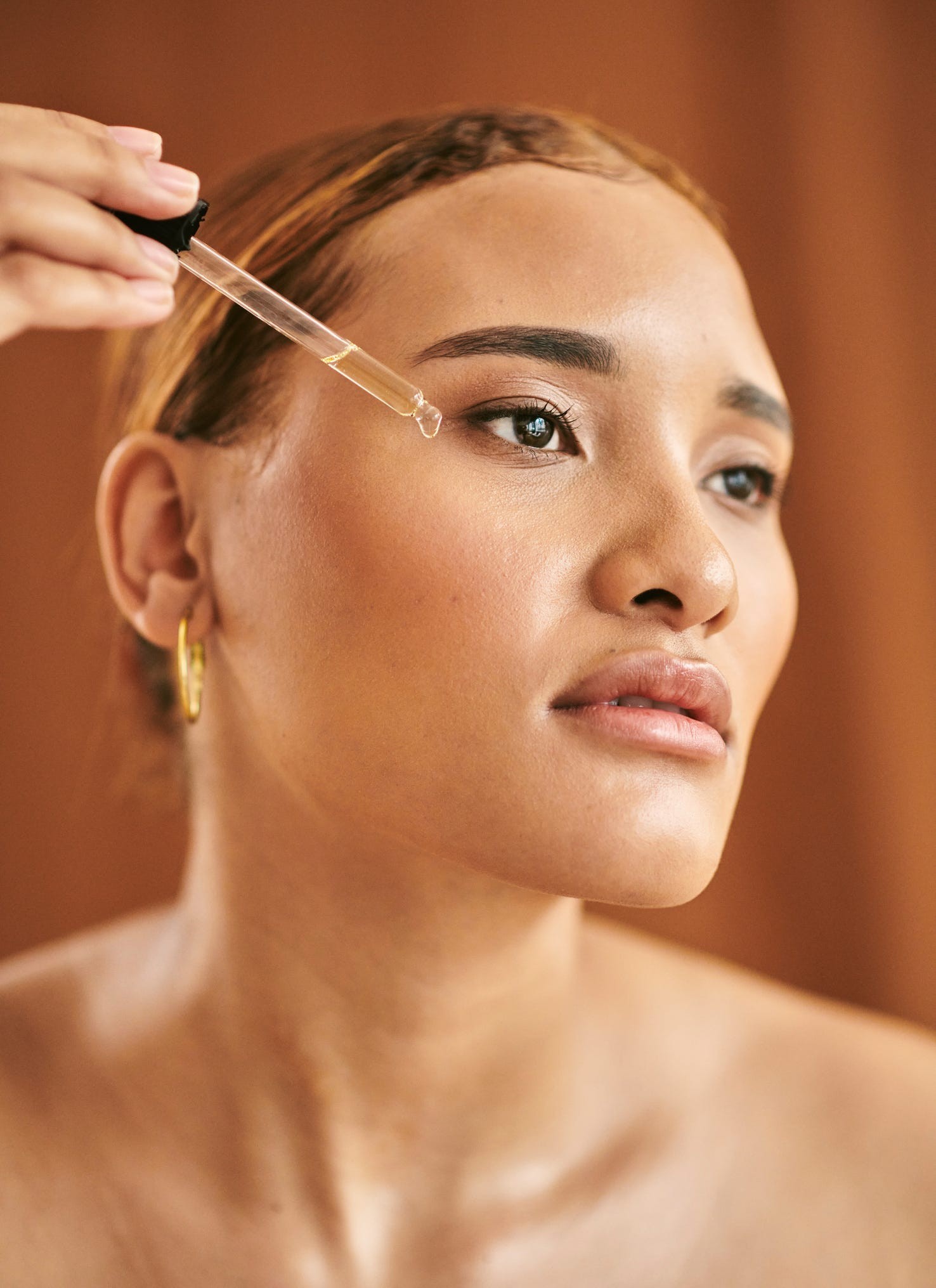
Some people feel their cheeks burn right after washing their face, or notice their skin flush the moment the temperature shifts even slightly. Switching skincare products brings stinging, and light rubbing leaves marks that linger. This kind of redness is different from the healthy flush of good circulation. Underneath the surface, two things are happening at once: the skin's protective barrier is genuinely thinning, and the blood vessels are reacting too strongly.
Why Does Sensitive Skin Turn Red?
Redness in sensitive skin rarely comes from a single cause. It usually comes from two things working together, a weakened barrier on the surface and blood vessels underneath that overreact to irritation.
These two are not separate problems. Once the barrier weakens, irritants slip through more easily, and that irritation ends up triggering the vessels more often. It works a bit like a torn window screen. One small hole lets in more bugs, and everything on the inside starts reacting to the intrusion.
Why Does a Thinner Skin Barrier Sting?
The outermost layer of skin is made of dead skin cells packed together with lipids, oily substances like ceramides and cholesterol that fill the gaps between them. It is often described as a brick wall. The cells are the bricks, and the lipids are the mortar holding them together. Only when both are intact does the wall keep moisture in and irritants out.
Sensitive skin often has a thinner lipid layer to begin with, or loses it through frequent washing and exfoliation. Picture a brick wall with crumbling mortar. Gaps open up, wind gets in, and water leaks out. Skin with too few lipids works the same way, it cannot hold onto moisture, and it lets irritants pass right through.
This thinning is described as increased transepidermal water loss, meaning more moisture escapes through the skin than normal. As that water leaves, the skin feels drier and thinner, and nerve endings near the surface fire more easily, producing that stinging sensation from even mild triggers.
A protein called filaggrin plays a role here too. As it breaks down in the outer layer, it produces small fragments that hold onto the skin's own moisture, much like tiny beads inside a sponge soaking up water. Sensitive skin often has less filaggrin to start with, or loses it quickly, so it is not just the lipids that are lacking. The skin's basic ability to hold water is often weaker as well.
Why Don't Vessels Narrow Once They Widen?
A weak barrier alone does not explain all the redness. How easily the blood vessels in the dermis dilate is just as important. When temperature rises or an irritant makes contact, nerves and vessel walls release a range of signaling substances that widen the vessels. As they widen, the blood moving through them shows closer to the surface, and the skin looks flushed.
In normal skin, this widening happens and then settles back down quickly. In sensitive skin, though, the nerve signals that constrict the vessels tend to be weaker, and the vessels themselves respond more strongly to substances that trigger dilation. It helps to think of it as a bicycle with weak brakes. Once the vessels open up, they do not close back down easily.
When this pattern repeats often enough, the vessels themselves can stretch to the point of becoming visible. That is why redness that once appeared only with a trigger can eventually settle in as a faint flush that stays even without one.
After this cycle repeats over a long stretch of time, fine thread-like red lines can appear around the cheeks and nose. The explanation is that repeated widening and narrowing gradually wears down the elasticity of the vessel walls themselves. Once redness reaches this stage, moisturizing alone is unlikely to reverse it, and treatment that targets the vessels directly may be needed.
Habits That Make Redness Worse
A number of everyday factors stir up both of these mechanisms at once. Looking at why each one matters makes it easier to know where to focus.
- Washing with hot water: Hot water dissolves and strips away lipids more aggressively, thinning the barrier, while the heat itself dilates blood vessels, hitting both mechanisms at once.
- Aggressive exfoliation and physical friction: Scrubs or hard rubbing during cleansing strip away skin cells and thin the barrier, and the small amount of heat generated by friction pushes vessels to dilate further.
- Sudden temperature swings: Moving from cold outdoor air into a warm room, for instance, forces vessels to widen and narrow rapidly, which can wear down their regulatory capacity over time.
- UV exposure: Ultraviolet light triggers inflammation that dilates blood vessels, and over the long term it is understood to weaken the vessel walls themselves.
- Spicy food and alcohol: Capsaicin and alcohol directly stimulate the nerve response that widens vessels, producing that sudden warm flush across the face.
These triggers share one thing in common. Each one thins the barrier, widens the vessels, or does both at the same time.
Ingredients That Refill the Barrier
The core of caring for this skin is rebuilding the barrier while cutting down on what triggers the vessels. Ceramide shares the same structure as the skin's own major lipids, so applying it works like filling in the gaps between the bricks. Cholesterol and fatty acids are understood to need to be present alongside ceramide in a similar ratio for the barrier to reassemble properly.
Niacinamide is known to help the skin synthesize lipids like ceramide on its own, which is why it is used often for barrier recovery. Panthenol holds moisture at the skin's surface, reducing dryness while the barrier heals. Centella asiatica extract is well known for its calming effect, and it has been reported to help settle the inflammation that shows up in skin made sensitive by irritation.
HA can hold many times its own weight in water, so it helps keep the surface from drying out while the barrier rebuilds itself. Its pull on moisture is stronger than ceramide's, though, so in dry, low-humidity conditions it can end up drawing water from deeper in the skin and leaving the surface feeling even drier. For that reason, following HA with a lipid-based layer on top is generally recommended.
Use lukewarm water when washing, and keep the wash time short. Less time spent in contact with hot water means fewer lipids get stripped away. Keep exfoliation to a minimum, choose gentle ingredients over physical scrubs, and use a light touch.
Should You See a Doctor If the Redness Doesn't Go Down?
If daily care is not noticeably reducing the redness, if a web of visible red vessels shows up, or if acne-like bumps keep appearing alongside the flushing, it is worth seeing a dermatologist. These signs suggest that something beyond simple irritant redness may be layered on top, and it deserves a proper look.
Short of a clinic visit, the most useful thing to do is chip away at triggers one at a time. Adjusting just three things, water temperature, friction, and sun protection, eases the load on both the barrier and the vessels at once. Because the two mechanisms are linked, managing them together tends to give more stable results than focusing on just one.
When trying new products, introducing them one at a time rather than switching several at once also helps. It makes it far easier to identify which ingredient is causing irritation, and to pull it out quickly if something goes wrong.
References
Korean Dermatological Association, American Academy of Dermatology (AAD), and Ministry of Food and Drug Safety (MFDS).
Was this helpful?
About this article
Written by a practising aesthetic physician and intended for general education — not a substitute for individual medical advice.
Read next
Niacinamide Benefits: How It Brightens and Repairs the Barrier, and the Right Concentration
Niacinamide works by blocking the path melanin travels along, fading discoloration, while also helping skin produce more ceramide, the lipid that keeps the barrier intact and calms redness and sensitivity. Here is how both effects happen at once, and what concentration actually makes sense.
By Dr. Lee
FCR Peeling Effects: Is It Okay for Sensitive Skin?
FCR peeling is a physical peel that works by massaging tiny needle-shaped crystals from coral into the skin to clear away dead skin and sebum together. Because it stimulates the skin differently than acid-based chemical peels, it tends to be more comfortable to try even on sensitive or acne-prone skin. Here's how it works and how to care for your skin afterward.
By Dr. Kim
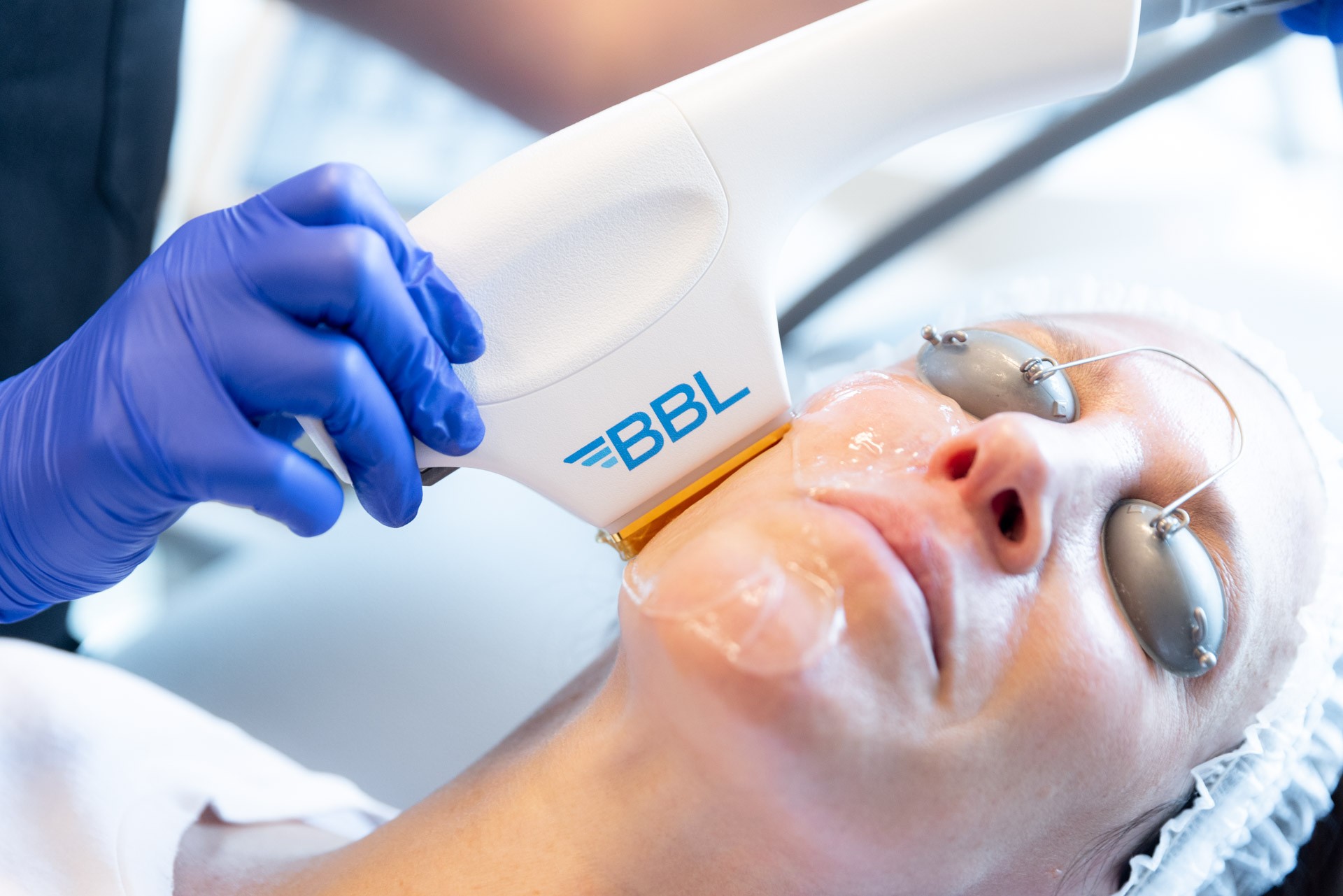
IPL Effects on Dark Spots and Redness, Including Sessions and Differences From Laser
Unlike a laser, which fires a single wavelength, IPL releases a broad spread of light all at once. That's what lets it reach two very different targets, melanin and hemoglobin, in the same pass, and understanding that mechanism explains why it's said to treat multiple concerns in one session.
By Dr. Kim