Why Is My Scalp Oily? Causes, and Why It Gets Shiny Before the Face
By Dr. Lee7 min read
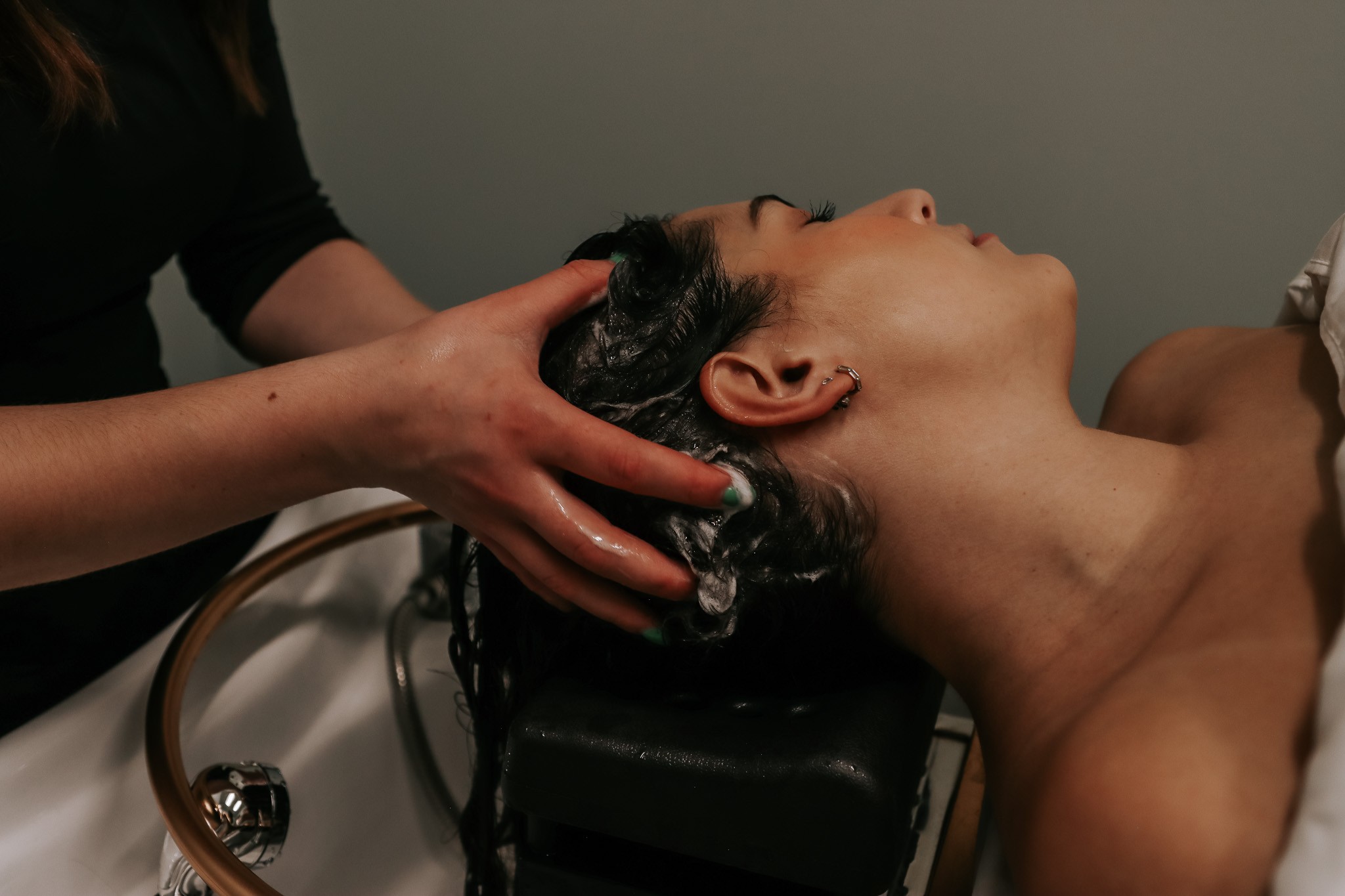
A lot of people feel like their scalp is just naturally oily. You wash your hair in the morning, and by evening your hairline is already flat and greasy. Run a fingertip over the scalp and it feels slick almost right away. There is a real reason the scalp gets shiny faster than the skin on your face.
Oil production on the scalp is not simply about how often you wash your hair. It comes down to a mix of factors: how densely packed the oil glands are, how hormones drive them, and even the microbes living on the scalp surface. Let's walk through why the scalp tends to get so oily in the first place, and which ingredients and habits actually help.
Why Is the Scalp Oilier Than the Face?
Every hair follicle on the scalp has an oil gland attached to it. And the scalp simply has a much higher density of hair follicles than the face does. More hair growing that tightly packed means more oil glands sitting underneath it.
On top of that, the scalp spends a lot of the day covered, whether by a hat, a helmet, or a pillow. In that kind of enclosed space, oil, heat, and moisture all get trapped together, which makes everything feel that much greasier. So even when the actual amount of oil produced is similar, the scalp ends up feeling far oilier than the face.
Why the Crown Gets Oily First
An oil gland is a small structure sitting next to a hair follicle, releasing oil directly into the follicle canal. That oil travels up along the hair shaft and forms a thin coating over the hair and scalp surface. Its original job is protective, keeping the scalp from drying out.
The catch is that these oil glands cluster especially heavily around the crown and the hairline. That is why those areas tend to get oily first, and why the hair there tends to go flat before anywhere else. Wherever oil glands are more concentrated, output naturally runs higher too, so the difference you feel is simply the anatomy showing through.
The Role of DHT in Setting Oil Output
The single biggest switch controlling oil output is male hormones. When testosterone in the body meets 5-alpha reductase (a skin enzyme that converts hormones into a more potent form), it gets converted into dihydrotestosterone, or DHT for short.
When DHT binds to receptors on oil gland cells, those cells grow larger and become more active. Think of it like pressing the gas pedal harder on a car. That is why oil production rises in both men and women after puberty, and why people whose enzyme activity runs genetically higher tend to have oilier scalps as well.
Stress hormones and the hormonal shifts tied to the menstrual cycle add to the picture too. Every time hormone levels rise and fall, the oil glands pick up on that signal and adjust output accordingly.
That is why two people the same age, using the same shampoo, can end up with very different scalps. Oil output is largely determined by individual constitution. That said, having this switch turned up does not mean the situation is unmanageable, and the ingredients below are built to target exactly this point.
How Each Ingredient Targets a Different Point
Ingredients commonly found in scalp products each act on a different point in this process. Understanding those differences makes it much easier to pick a product that actually fits your scalp.
- salicylic acid: Being oil soluble, it can work its way deep into oil clogged follicles. It breaks up the buildup of dead skin cells and oil trapped inside, which helps keep the pores from clogging in the first place.
- niacinamide: This ingredient reduces the lipid synthesis happening inside the oil gland itself. Rather than wiping away oil that has already surfaced, it dials down output at the source, like turning down production at the factory.
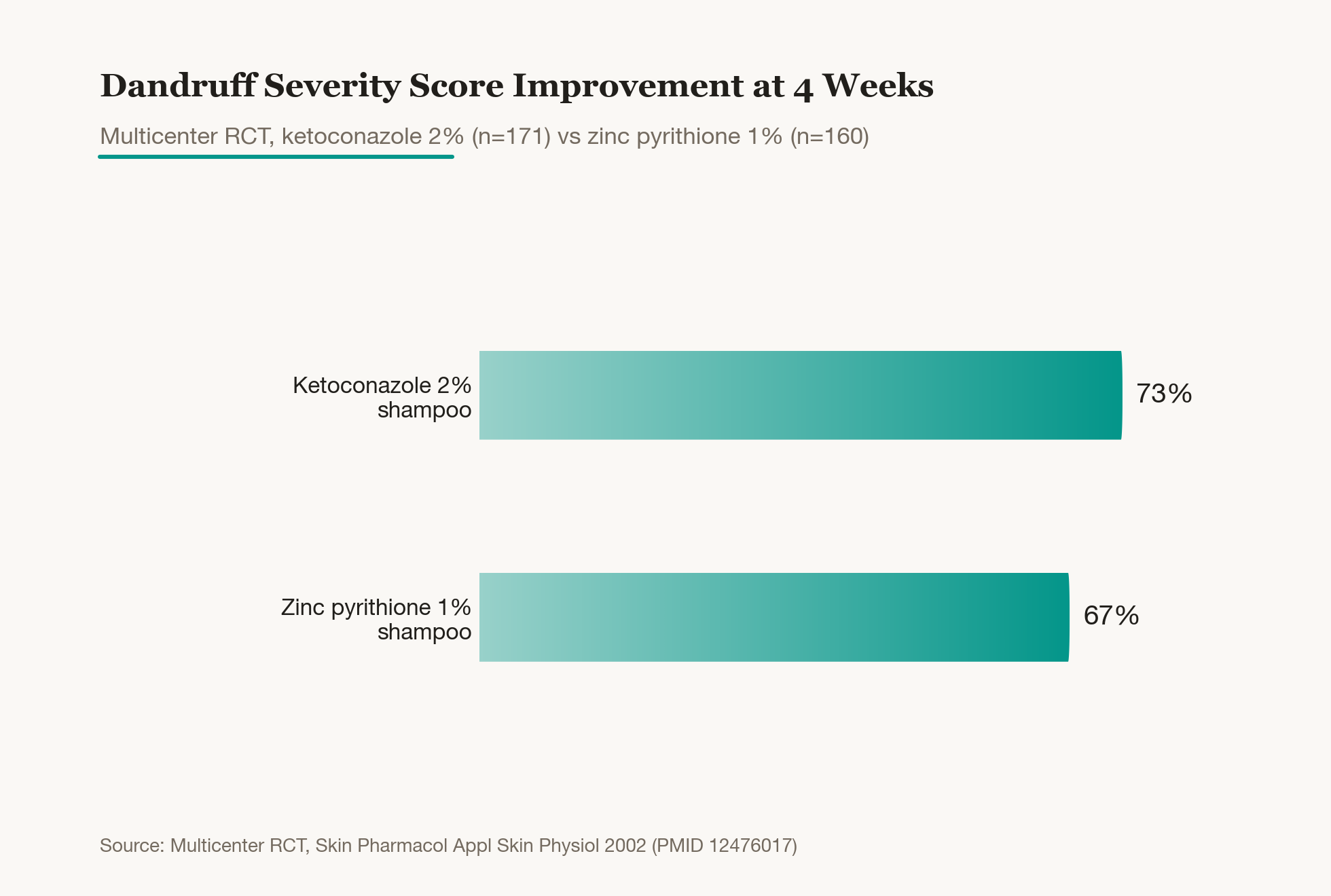
- zinc pyrithione, ketoconazole: These suppress the growth of Malassezia, a yeast that lives on the scalp. As this yeast breaks down oil, it produces irritating byproducts that trigger flaking and itchiness, so cutting back the yeast population reduces that irritation as well.
All three deal with oil, but they target different stages, inside the pore, at the gland itself, and the microbe population, which is why they are often combined depending on the symptoms.
Does Washing Often Make the Scalp Oilier?
If your scalp is oily, it seems logical to wash more often, but there is also a common claim that washing too frequently backfires and increases oil production. That turns out to be only partly true.
Shampooing strips away the oil film, and the scalp responds by producing more oil to avoid drying out. That said, oil glands do not suddenly ramp up production over just a day or two. The real issue is using a shampoo that is too harsh, scrubbing hard every day. That thins the scalp barrier, and repeated irritation can actually make oil glands react even more sensitively over time.
So what matters more than how often you wash is how strong the cleanser is and how much pressure you use with your fingertips. Wash too gently and oil and dead skin build up. Wash too aggressively and irritation builds up instead. Finding the balance between the two is really what scalp care comes down to.
Why Flakes and Odor Come Along With It
On oily scalps, flaking and odor often show up as a pair. They are not really two separate problems, they branch off from the same root cause.
When oil builds up on the scalp, Malassezia, the yeast that feeds on it, multiplies along with it. As this yeast breaks down the fatty acids in the oil, it produces irritating byproducts, and that irritation speeds up how fast dead skin cells flake off. At the same time, some of the broken down fatty acids are what create that distinctive odor.
In other words, both the flaking and the odor are essentially byproducts of oil meeting yeast. That is why scratching off the flakes by force, or masking the smell with a heavily scented product, leaves the underlying cause completely untouched.
If the flakes are unusually large, clump together with a yellowish tint, or come with redness and itching, that points more toward seborrheic dermatitis than simple dry flaking. In that case, it makes more sense to start with ingredients that reduce the yeast population. When the cause is different, the order of care needs to change too.
What Treatments Help When Home Care Isn't Enough?
When shampoos and tonics at home are not enough to keep oil under control, some people look into dermatology clinic treatments. The two most common options are scalp scaling and low concentration topical treatment.
Scalp scaling uses a device or suction tool to physically remove the oil and dead skin buildup sitting on the scalp surface. Because it clears away what has already accumulated, the effect tends to be noticeable right away, but it does not reduce the activity of the oil glands themselves, so it is typically recommended every 4 to 8 weeks.
When inflammation is involved, as with seborrheic dermatitis, topical antifungals or low dose steroids are sometimes used alongside it. These treatments focus on calming the yeast population and inflammation, and with consistent use, symptoms are generally reported to improve over roughly 4 to 12 weeks. That said, this is not a treatment that permanently changes the underlying tendency toward oil production, so continuing scalp care even after symptoms improve is recommended.
Both approaches share the same underlying logic: neither eliminates the oil glands themselves, they simply slow down how fast oil builds up and how fast the yeast population grows. That is why this is not a one time fix. Keeping up with washing habits and ingredient based care even after symptoms settle down is what stretches out the time between flare ups.
References
Korean Dermatological Association, American Academy of Dermatology (AAD), and Ministry of Food and Drug Safety (MFDS).
Was this helpful?
About this article
Written by a practising aesthetic physician and intended for general education — not a substitute for individual medical advice.
Read next

Tiny Facial Bumps: How to Tell Flat Warts, Milia and Skin Tags Apart, and How to Treat Them
The small bumps that show up on the face can look alike, but flat warts, milia, and skin tags have different causes and different treatments. Here is how to tell the three apart at a glance, the right CO2 and Er:YAG laser or electrocautery approach for each, how common they are, how they tend to recur, and real evidence on why removing them at home is risky.
By Dr. Lee
Enlarged Pores: Causes, Care, and Which Ingredients Work
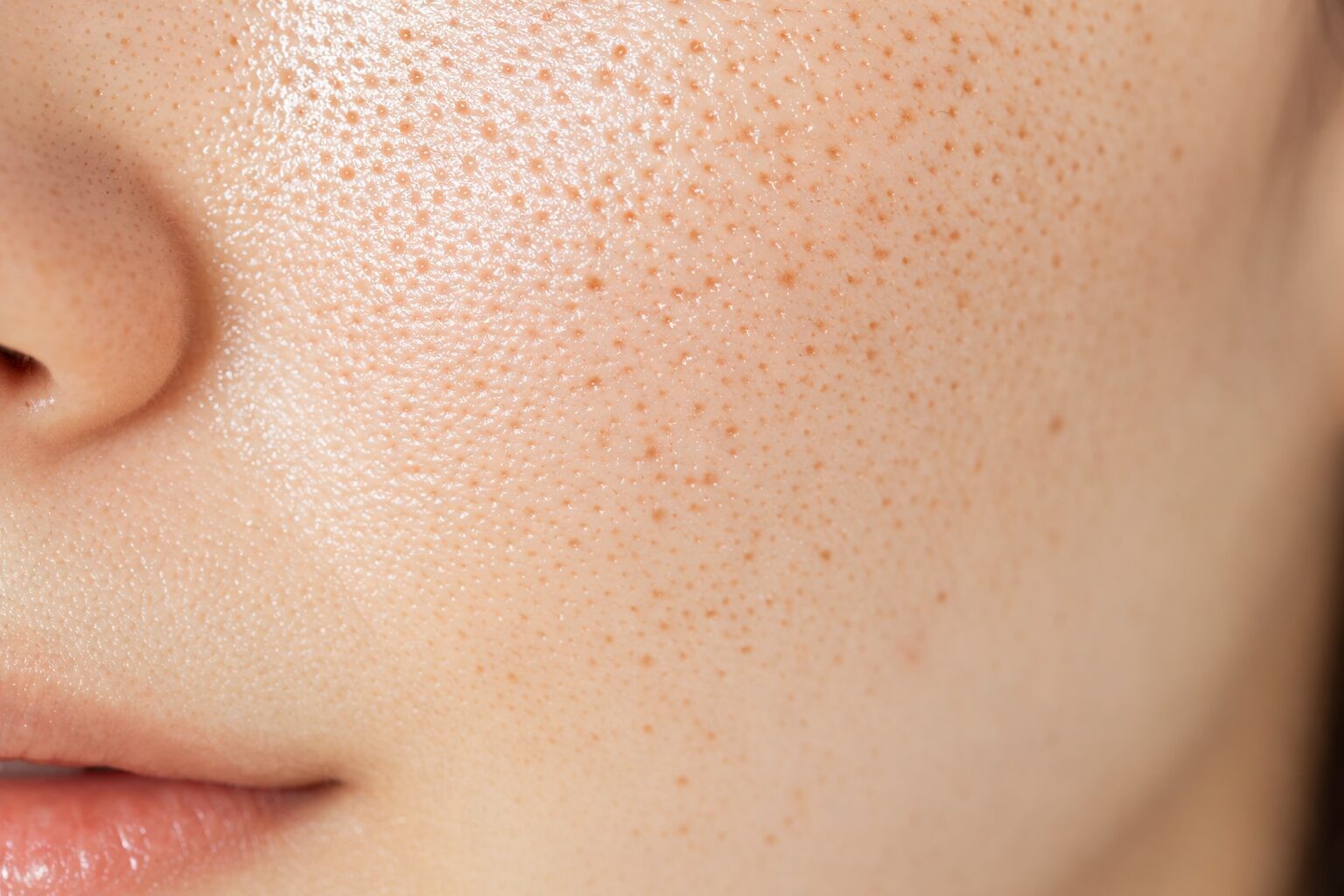
Enlarged-looking pores come from oil production and the elasticity around the pore working together. Here is how retinoids, niacinamide, and in-office treatments each tighten pores, explained through the actual mechanisms behind them.
By Dr. Kim
Hormonal Acne Causes: Why It Keeps Returning on the Chin and Around the Mouth
Breakouts that keep returning to the jaw and mouth in adulthood follow a different pattern than teenage acne. Here is a look at how hormones like androgens keep stimulating the oil glands and hair follicles, plus how the menstrual cycle and stress fit into the picture.
By Dr. Kim