Saddlebag Fat That Won't Go Away With Exercise: When Does Fat Freezing Start to Work?
By Dr. Kim7 min read
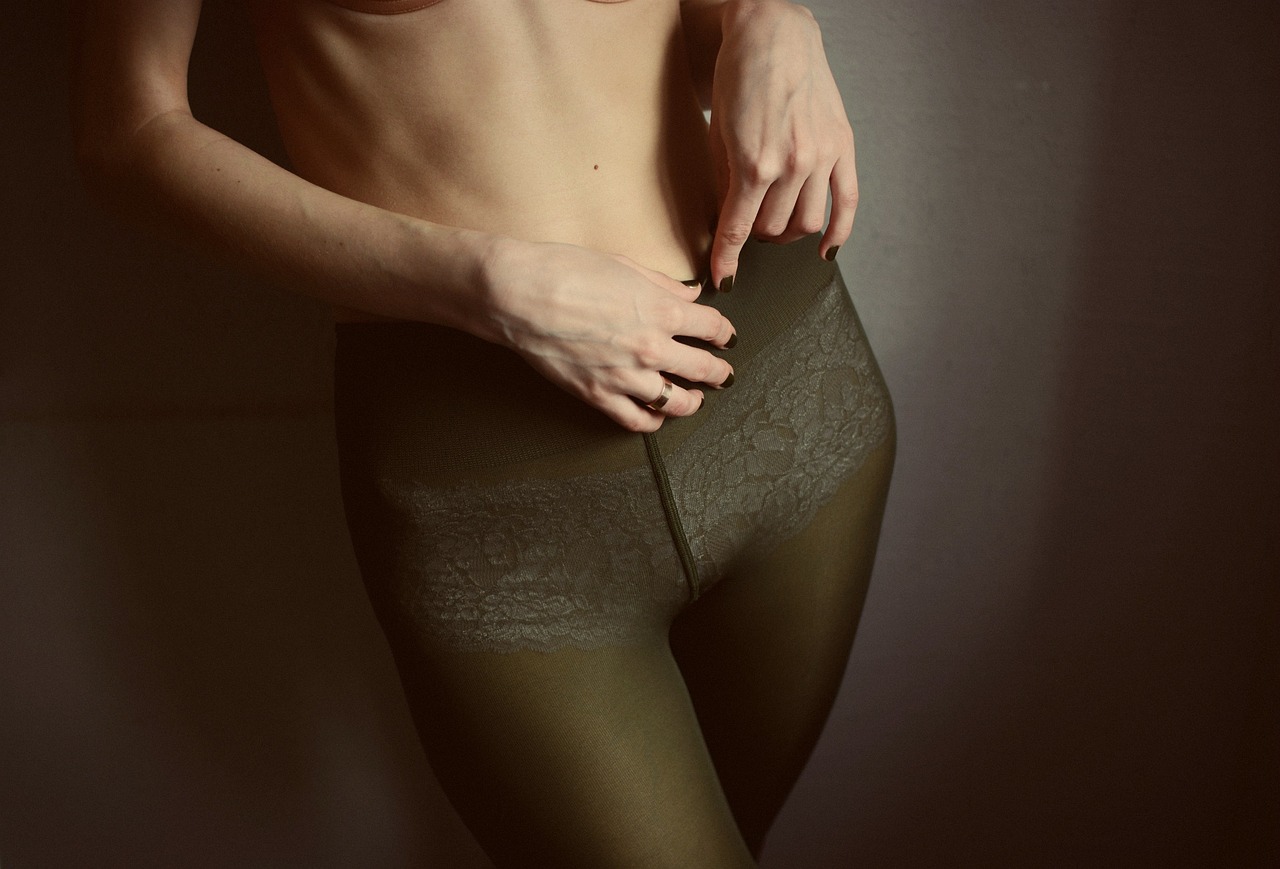
Plenty of people notice that no matter how much weight they lose, the outer thighs, better known as saddlebags, just will not follow along. The scale drops, but that one stubborn bulge keeps ruining the line of a pair of jeans. It is not simply a matter of not exercising enough. The fat in this area genuinely resists being broken down more than fat elsewhere. Here is why that happens, and how fat freezing, a treatment more people are turning to these days, works on a cellular level.
Why Does Saddlebag Fat Come Off Later Than Other Areas?
Not all body fat behaves the same way. On the surface of every fat cell sit two kinds of receptors, one that signals the cell to break down fat and one that tells it to hold on. The ratio between these two receptors is different depending on where the fat sits on your body.
In areas where women tend to gain weight easily, like the outer thighs and the sides of the hips, the fat-holding receptors tend to outnumber the fat-releasing ones. In other words, the body is simply reluctant to give up fat stored in this spot. That is why, even with the same workout routine and the same calorie deficit, your arms and belly often slim down first while your saddlebags are the last to budge.
Why Fat Builds Up Easily in the Saddlebags
Hormones play a role in why this area accumulates fat so readily. Estrogen, the primary female hormone, encourages the body to store fat in the lower body, particularly the hips and thighs. Think of it as an old survival strategy, the body banking energy in the lower body just in case pregnancy and breastfeeding call for it later.
The fat layer here is also anchored tightly to the fascia, the thin membrane wrapping the muscles, through a dense web of fibrous tissue. Picture fat sitting inside a mesh of little compartments. Even when your overall body fat drops, the fat trapped inside this mesh does not move around as easily.
Because of this structure, saddlebag fat tends to show up quickly when you gain weight and leave last when you lose it. It is built to be easy to store and hard to release, almost like the body's emergency reserve, held onto until the very end in case energy ever runs short.
Do Squats Burn Thigh Fat?
The idea that you can target fat loss in one specific spot through exercise is a common myth. In reality, the body pulls fat from all over as fuel, not preferentially from whichever muscle you happen to be working. You can do squats every day and your thigh muscles will grow, but that does not mean the fat layer sitting on top of them shrinks first.
That is why some people who are already fairly lean overall still find their saddlebags sticking out. In cases like this, cutting calories even further is not usually the answer. Targeting the fat cells in that specific area directly tends to be the more realistic route. If you are already slim everywhere except your outer thighs, tightening your diet further makes less sense than considering a treatment aimed at that localized fat.
How Does Fat Freezing Destroy Fat Cells?
Fat freezing works by applying controlled cold to the skin's surface in a way that damages fat cells specifically. Fat cells are far more sensitive to low temperatures than skin, nerve, or muscle cells. So the same cooling that leaves surrounding tissue largely untouched can selectively target the fat cells underneath.
Once chilled, fat cells gradually enter apoptosis, a process where the cell essentially triggers its own breakdown. Think of a cell membrane left in ice water for a long stretch, slowly weakening until it collapses on its own. This does not happen instantly during the treatment. It unfolds gradually over days to weeks afterward.
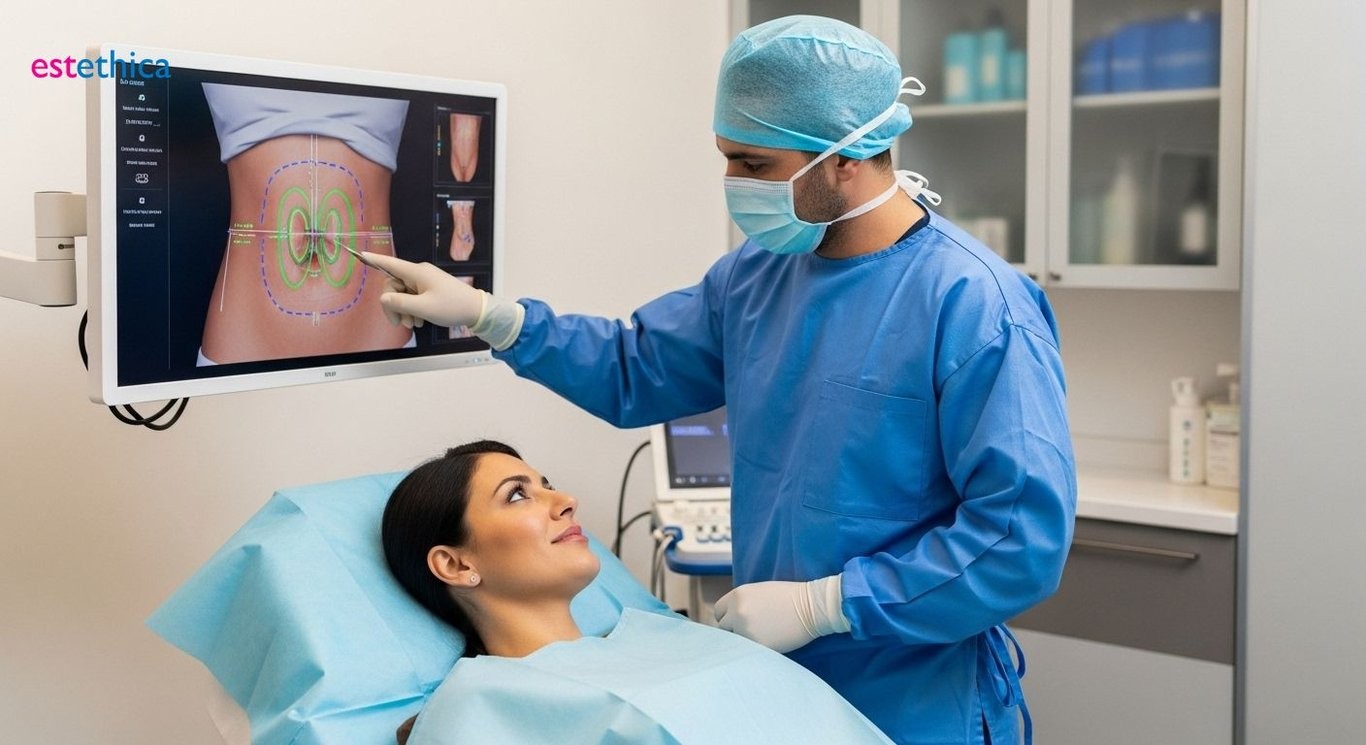
During the procedure, an applicator draws in the skin and fat together and holds the area at a steady low temperature for a set period. Skin temperature drops throughout the session, and while the initial cold sensation can feel intense, most people report that the area goes numb after a few minutes and the discomfort fades. The treatment time and number of applicators used will vary depending on the size of the area.
Where Do the Dead Fat Cells Go?
Once a fat cell dies, the body does not simply leave it in place. Macrophages, the immune system's cleanup cells that engulf dead cells and debris, move in and process the damaged fat cells one by one. The leftover material is then gradually carried away through the lymphatic system.
It helps to picture a construction site where trucks haul away debris a little at a time rather than all at once. Because clearing happens gradually rather than all at once, most people do not notice much change right after treatment. The visible reduction in volume usually takes a few weeks to become apparent.
How Long Until You Notice a Change, and What to Watch For
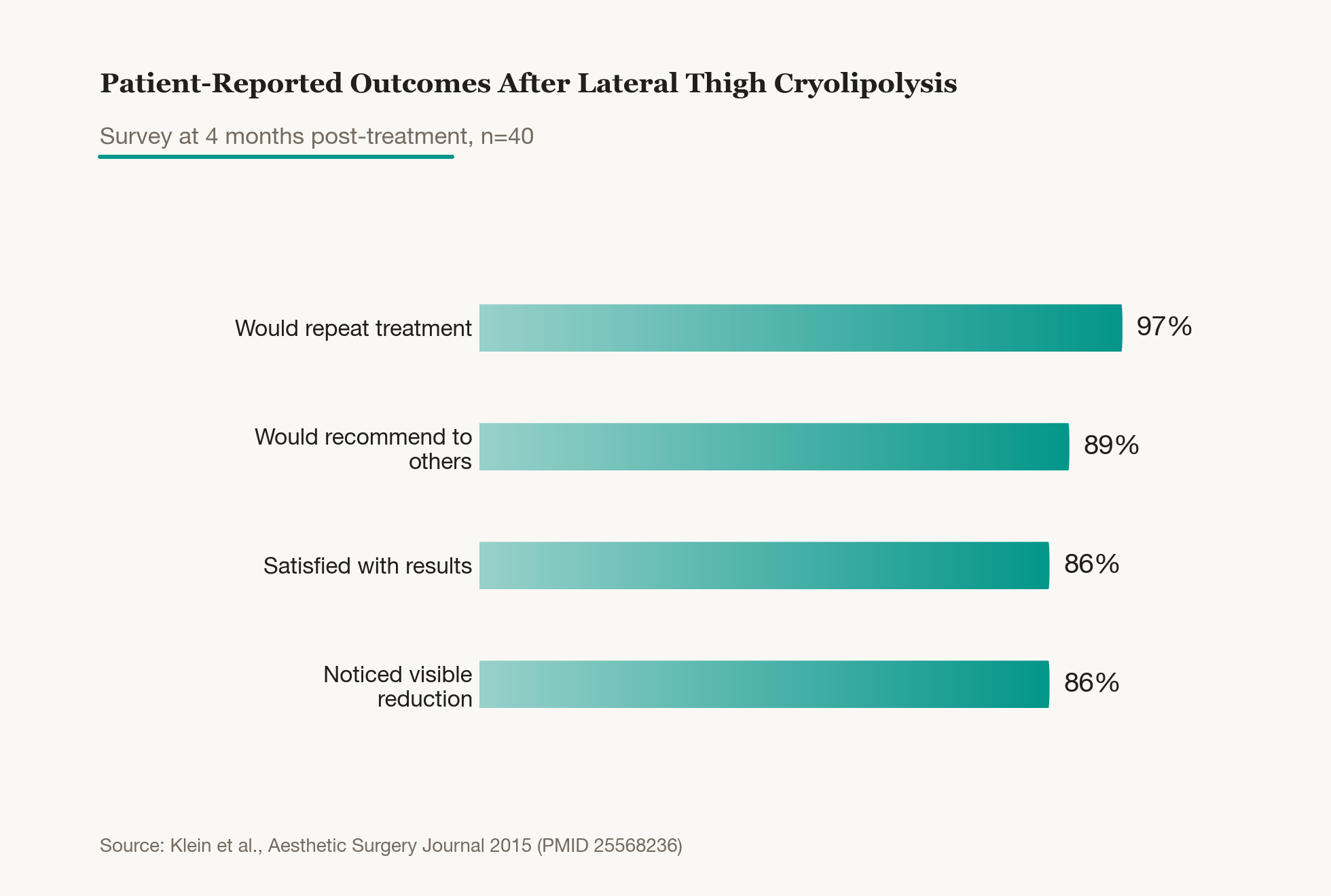
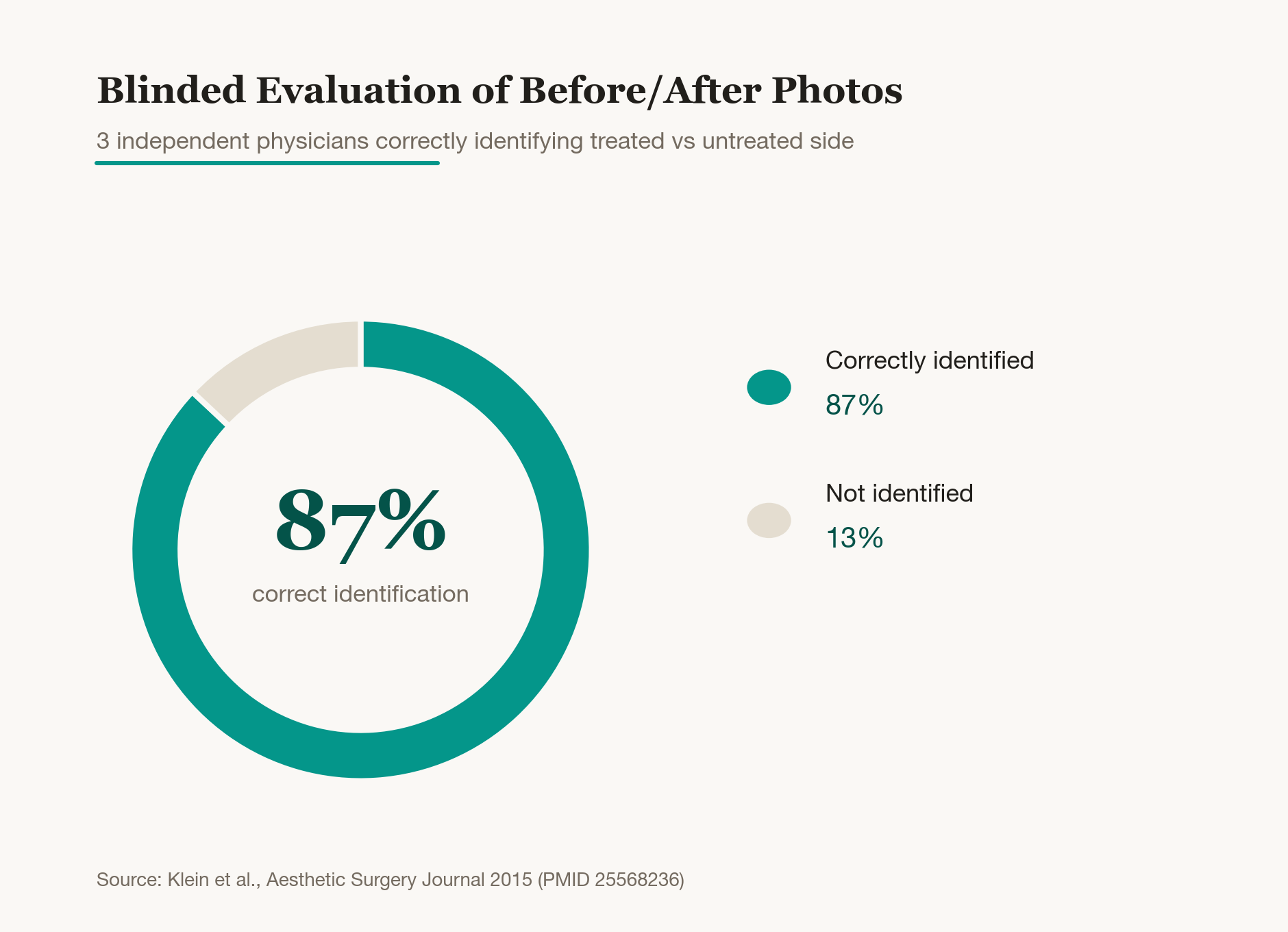
Noticeable reduction in fat volume typically shows up somewhere between 4 and 12 weeks after treatment. Since macrophages continue clearing out fat debris well beyond that point, the final result is often not fully visible until 3 to 6 months have passed.
The treated area may show redness, swelling, bruising, or temporary numbness for anywhere from a few days to a few weeks. This happens because nerve endings exposed to the cold temporarily go numb before gradually recovering, and in most cases it resolves on its own with time.
During this recovery window, it is better to let the body's natural clearing process run its course rather than pushing hard with massage or compression. Light everyday activity like walking is actually encouraged, since it can support lymphatic circulation and may help the clearing process along.
Here are a few things worth knowing before considering the treatment.
- Let your provider know if you are sensitive to cold: conditions like cold urticaria or cryoglobulinemia can make cold exposure risky, so this needs to be flagged in advance.
- Do not expect a dramatic transformation from a single session: because fat cells die off and clear out gradually, the results by nature take time to show.
- You need enough pinchable fat for the treatment to work well: the applicator relies on suctioning skin and fat together, so an area with a very thin fat layer will not respond as well.
- This is not a substitute for weight loss: the treatment reduces the number of fat cells in a specific area, not your overall body weight.
How to Keep Fat Cells From Growing Back
Fat cells that have been eliminated are not thought to regenerate. That said, the fat cells that remain can still expand if you gain a significant amount of weight later, which means the area can start to look prominent again over time. The cell count has gone down, but the remaining cells can still grow larger.
That is why keeping up consistent eating habits and staying active after treatment helps preserve the results for longer. Even with fewer fat cells in the area, the responsibility of keeping the remaining ones from expanding again still falls on ongoing lifestyle habits.
If a single session does not produce the desired reduction, some people choose to repeat the treatment after a certain interval. Since each round involves the same process of fat cells dying off and being cleared away, it is safer to wait until the results of the previous session are fully visible before rushing into another one too soon.
References
Korean Dermatological Association, American Academy of Dermatology (AAD), and Ministry of Food and Drug Safety (MFDS).
Was this helpful?
About this article
Written by a practising aesthetic physician and intended for general education — not a substitute for individual medical advice.
Read next
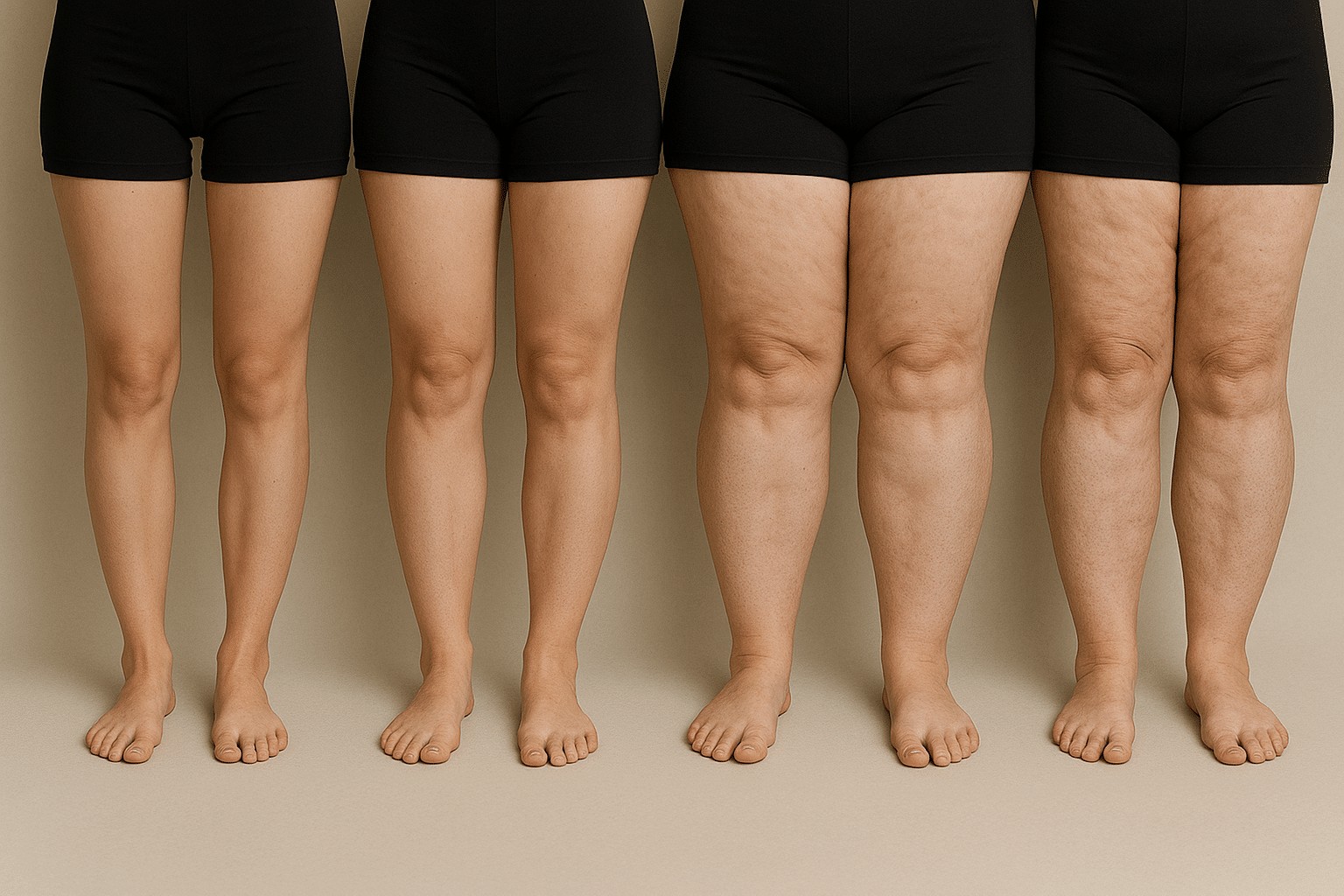
Thigh Fat Treatments: Types, How They Work, Effect Differences and Aftercare
Thighs are one of the areas that stay stubborn even with disciplined exercise and diet. Localized fat treatments that act directly on fat cells through cooling, injections, or heat energy have become a common way to address these areas. Here is how each method actually breaks down fat cells, and how they differ.
By Dr. Kim
Fat-Dissolving Injection Effects and Swelling, Dose by Area and Number of Sessions
Why is a fat-dissolving injection said to work on stubborn areas like a double chin or upper arms that diet alone won't touch? Here's an easy breakdown of how the drug breaks down fat cell membranes, how the dissolved fat actually leaves the body, how dosing and sessions differ by area, and why swelling happens along the way.
By Dr. Lee
Sebaceous Hyperplasia: Causes, How to Tell It From Acne, Removal and Recurrence
If you have a yellowish bump on your forehead or cheek that won't go away no matter how much you squeeze it, it might not be acne at all, but sebaceous hyperplasia. Here's an easy breakdown of why enlarged glands form a dimpled bump, how it differs from acne, how electrocautery clears it, and why it tends to come back.
By Dr. Kim