REJUVIEL Filler Lineup: How Long It Lasts and Aftercare
By Dr. Kim6 min read

REJUVIEL is a hyaluronic acid (HA) filler line made by Pharma Research. Hyaluronic acid is naturally present in skin already, and a filler is made by taking that raw material and linking it into a mesh through a chemical process called crosslinking, so it does not dissolve away too quickly once injected.
REJUVIEL is not a single product though. It comes in several lines with different textures, because a broad area like the forehead or cheeks needs a different kind of filler than a delicate area like the lips or nasolabial folds. It is also not widely known that the same hyaluronic acid can behave very differently depending on how much it is crosslinked. Here is a closer look at why crosslinking matters and what actually sets each line apart.
What kind of product is REJUVIEL filler?
Pharma Research, the company behind REJUVIEL, is best known for regenerative injections. REJUVIEL is a different product line though, made from a different ingredient entirely. It is a separate hyaluronic acid filler line, not related to their regenerative injectables.
The raw material is not made domestically. It is a medical grade hyaluronic acid imported from a French manufacturer. Because that raw material has been used in precision fields like ophthalmic surgery, it is described as high enough in purity that the body does not react strongly to it as a foreign substance once processed into a filler. It is approved by Korea's Ministry of Food and Drug Safety for clinical use.
REJUVIEL is not one single product either. It is split into differently named lines, V, W, and C, and those name differences are not just labeling. The particle size and firmness of each line are genuinely different, which is why the choice of line depends on where it is being injected.
How does filler create volume?
Hyaluronic acid is a polysaccharide with a strong ability to draw in and hold onto water. Think of a sponge swelling as it absorbs water and it becomes easier to picture. A single hyaluronic acid molecule is said to be able to hold water hundreds of times its own weight.
Because of this property, injecting hyaluronic acid under the skin draws surrounding moisture toward that spot, and volume builds up there. A hollow area fills in, and that new volume supports the skin above it so the surface smooths out. It is not simply filling a space with foreign material. It is creating volume by capturing the body's own water.
Hyaluronic acid also acts like a cushion between tissue layers. So while it builds volume, it also absorbs pressure when skin is pressed or folded, which is described as one reason facial expressions still move naturally afterward. Because it is a soft gel that compresses rather than a hard implant, it does not get in the way of facial muscle movement much when smiling or talking, and that is part of why hyaluronic acid fillers are used so widely.
Why does filler need crosslinking?
The problem is that pure, uncrosslinked hyaluronic acid breaks down very quickly in the body. Injected on its own, it gets absorbed and disappears within days. So it needs to be processed to slow that breakdown before it can work as a filler.
That is where crosslinking comes in. It is a chemical process that links hyaluronic acid chains to one another, building a dense mesh structure. It works on the same principle as a single thread breaking easily while a net woven from many threads holds together far better and resists coming apart.
That woven mesh is much harder for the body's enzymes to break down all at once. As a result, it can hold its place and keep its volume far longer than uncrosslinked hyaluronic acid. The tighter the crosslinking, the firmer and longer lasting it tends to be, but also stiffer, while looser crosslinking tends to feel softer but not last as long.
How do firmness and particle size differ across the lineup?
The reason REJUVIEL splits into different lines comes down to this same difference in crosslinking density and particle size. Different areas need different amounts of support and different degrees of natural movement, so a single texture cannot satisfy every area.
- The soft line: Crosslinking is relatively loose and particles are small. Designed to spread naturally without clumping when injected into thin, highly mobile areas like the lips or under the eyes.
- The medium line: Firmness and particle size sit in the middle. Mostly used in areas like the nasolabial folds that need some support while still moving with facial expressions.
- The firm line: Crosslinking is dense and particles are large. Needed in areas closer to bone structure, like the cheekbones or chin, where the filler has to hold its shape under pressure instead of shifting.
Some of the lines also come pre-mixed with lidocaine, a local anesthetic. This is meant to reduce the sting felt during injection and is a matter of comfort during the procedure rather than something that affects the filler's own effect. Since filler is often injected in multiple small passes, meaning the needle moves through the skin more times, having anesthetic already mixed in is described as making the discomfort during the procedure noticeably lower.
Injection methods by area and how filler is dissolved
The treating physician decides where to inject by looking at facial structure, the degree of sagging, and the look the patient wants. Even the same nasolabial fold can call for a different amount and firmness of filler depending on whether it formed from lost fat volume or from the skin itself loosening.
When volume needs to be built up over a broad area, the approach is usually small amounts of a firm line injected in a deep layer across multiple points. For thin areas like under the eyes or the lips, a soft line is used instead, placed in small amounts in a shallow layer to keep the texture natural without clumping.
Hyaluronic acid filler also stands apart from other filler materials because it can be reversed. An enzyme injection called hyaluronidase can dissolve the filler by breaking apart the crosslinked mesh that holds it together. Because there is room to adjust the result if the shape is not right or it has clumped, it is often considered a lower pressure option for people trying filler for the first time.
Aftercare and how long results last
The first few days after treatment, while the filler settles into place, are when aftercare matters most.
- Right after treatment, it is recommended not to press or massage the area firmly. The filler has not fully settled yet and can shift out of its intended position.
- Avoid saunas or hot baths for a few days. Heat can cause tissue to swell and loosen, which can spread the filler or move it out of place.
- Swelling and bruising that show up early on tend to settle within a matter of time, though recovery speed varies from person to person.
- Drinking heavily can dilate blood vessels and make bruising or swelling last longer, so cutting back around the time of treatment is recommended.
Even crosslinked hyaluronic acid eventually gets broken down and absorbed by the body's own enzymes over time. This varies by the type of filler and the area treated, but volume typically fades naturally over roughly 6 months to a year. Firmer lines, and larger amounts placed in broad, deep layers, tend to break down more slowly and last somewhat longer. Once the effect wears off, many people choose to have it topped up again.
References
Korean Dermatological Association, American Academy of Dermatology (AAD), and Ministry of Food and Drug Safety (MFDS).
Was this helpful?
About this article
Written by a practising aesthetic physician and intended for general education — not a substitute for individual medical advice.
Read next
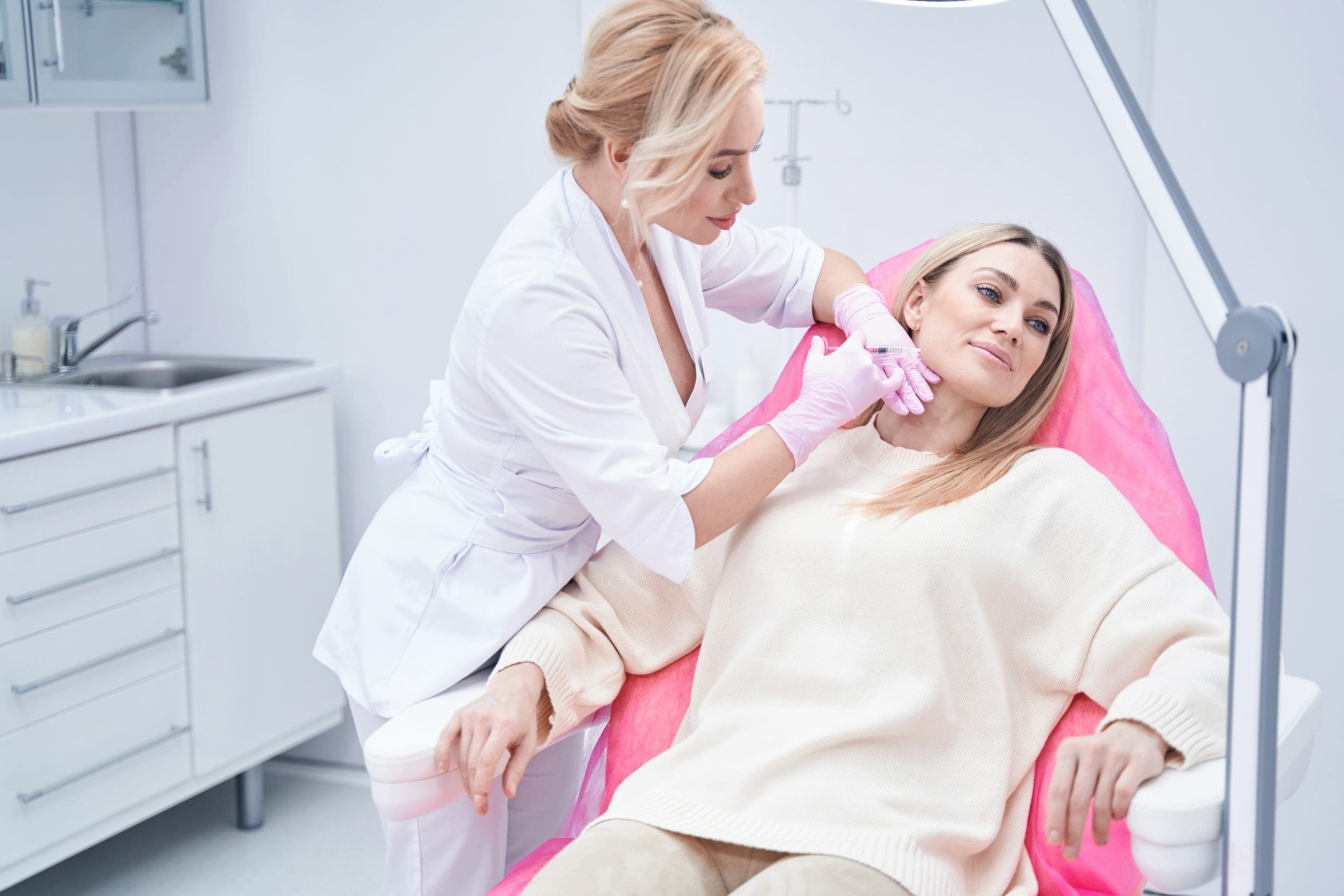
Filler and Fat Grafting: Differences, Duration, and Reversibility Compared
Filler is made of hyaluronic acid that the body's own enzymes slowly break down, so it can be reversed with a dissolving injection if needed. A fat graft is different: the fat cells that survive settle in permanently, which means the result is much harder to undo once it takes. Here is the biology behind why these two treatments behave so differently under the skin.
By Dr. Lee
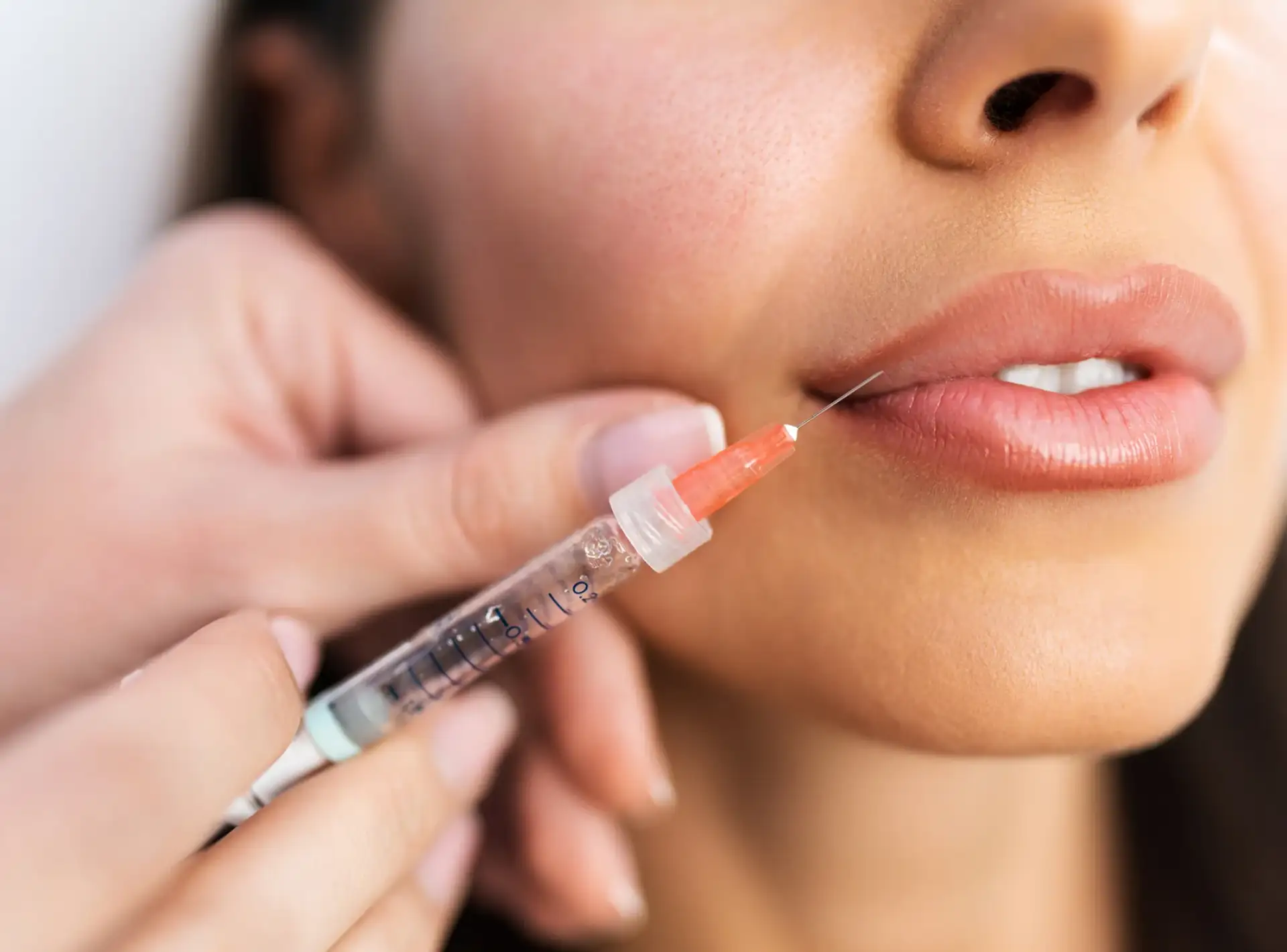
Lip Filler Duration and Side Effects, Including Aftercare
Lip volume filler works by drawing in water through hyaluronic acid as it settles into place. Because lips move more than other areas, how long results last and how recovery unfolds differ too. Here's a full rundown of the texture differences between filler types and how to care for results safely.
By Dr. Kim
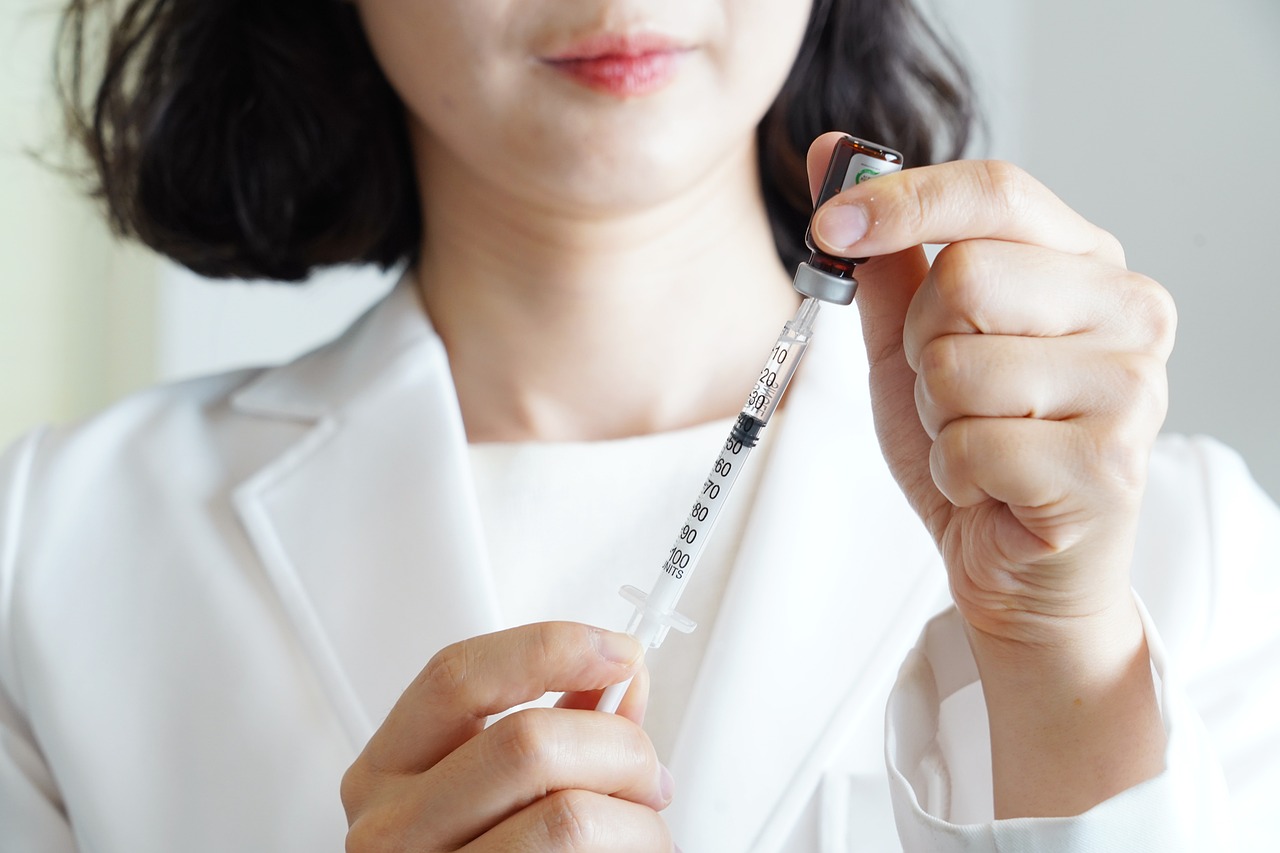
How Long Botox Lasts and Why It Varies: Dose and Antibodies Included
Botox works by blocking the signal pathway between nerves and muscles, temporarily stopping muscle movement. How long the effect lasts depends on the dose, the size of the muscle, and how quickly the nerve recovers, so results vary from person to person. Here is how repeat treatments, antibody formation, and aftercare all affect how long Botox lasts.
By Dr. Kim