Rejuran PN: Effects, Number of Sessions, Side Effects and Aftercare
By Dr. Kim5 min read

A lot of people think of Rejuran as a type of filler. In reality, the two work in completely different ways. Filler physically fills in hollow spots. Rejuran is closer to a regenerative treatment that wakes up your own skin so it starts making collagen again.
That's why Rejuran doesn't give you an instant burst of volume the moment you get injected. Instead, skin texture and firmness improve gradually, over several weeks. So what exactly makes it work? Let's go through the ingredient, the mechanism, and how it compares to filler, one piece at a time.
What is the PN in Rejuran?
The core ingredient in Rejuran is PN, short for polynucleotide. The name sounds complicated, but the substance itself is simple. It's a fragment of DNA extracted from salmon or trout testes and purified down to tiny pieces.
A natural question comes up here. Why is it fine to inject DNA from another species? The answer is that the basic building blocks of DNA are almost identical across species. Salmon DNA is built from the same bricks, the same base pairs, as human DNA, so the body doesn't mount a strong rejection response against it. On top of that, the purification process strips out proteins, which cuts down the chance of triggering an allergic reaction.
PN represents the longer chain form of these DNA fragments. A shorter, more broken-down version is called PDRN. The two share the same origin and differ mainly in chain length. Rejuran uses the longer PN form.
How does Rejuran work inside the skin?
Your skin contains cells called fibroblasts. Think of them as small factories that produce the structural building blocks of skin, collagen, elastin, and hyaluronic acid. As you age, these factories slow down, and skin gets thinner and loses its firmness.
PN stimulates fibroblasts and gets them working again. Once the factory lights come back on, new collagen and elastin get produced, and hyaluronic acid, which holds onto water, increases too. As a result, the dermis, which had thinned out, starts to fill back in, fine lines soften, and skin texture becomes smoother.
The key point is that this collagen isn't injected from outside. Your own cells make it. That's why the results don't look artificially lumpy, and it's also why Rejuran can be used carefully in delicate areas, like the thin skin under the eyes or on the neck, where filler is tricky to use.
A second action that calms inflammation
PN's other strength lies in managing inflammation. Aging or irritated skin often carries a low, chronic level of inflammation, and that inflammation eats away at collagen and gets in the way of skin renewal.
PN works through a pathway involving a substance called adenosine, which helps tone down an overactive inflammatory response. In simple terms, it calms down an area that's been flaring up. At the same time, it supports cell growth and movement, which speeds up the wound healing process. It also cuts down free radicals, the molecules that oxidize and age skin, and helps create a hydrated environment by retaining water. All of this works together.
So PN operates on two fronts at once. On one side, it keeps the collagen factory running. On the other, it cleans up the environment so that factory can run well. That combination is why the effect feels less like filling something in and more like the skin's underlying condition genuinely improving.
How is Rejuran different from filler?
The point that confuses people most is how Rejuran differs from filler. Both are injected, but they serve different purposes.
- Hyaluronic acid (HA) filler injects a gel that immediately fills in hollow areas. That makes it well suited for spots that need volume, like the cheeks or nasolabial folds, and the change is visible right away. The trade off is that it doesn't actually improve the health of your skin.
- Rejuran isn't about filling. It's about waking up cells. So instead of adding significant volume, it's better suited to improving the underlying quality of your skin, texture, firmness, pores, and fine lines. The results just take time to show up.
Because the goals differ, the right choice depends on what you need. If you want to fill in a hollow cheek, filler makes more sense. If your skin feels thin, dull, and prone to fine lines, Rejuran is a better fit. In practice, many clinics combine the two, using filler to set the overall contour and Rejuran to refine the underlying skin quality.
Sessions, timing and what to watch for
Rejuran isn't a one and done treatment. Waking up cells and building collagen takes time. The typical protocol is three to four sessions spaced two to four weeks apart, followed by maintenance sessions every few months after that. Each session gradually strengthens the skin's underlying foundation.
There are a few things to keep in mind. If you expect a dramatic change right after your first session, you'll likely be disappointed. The effect builds gradually over several weeks. Swelling, bruising, or small bumps at the injection sites can also linger for a few days, and the procedure tends to be uncomfortable, so numbing cream is typically applied beforehand.
Above all, the outcome depends heavily on how evenly the product is placed and at what depth. If it's injected too shallowly or clumps together, it can show through as small white bumps, so it's worth choosing a practitioner who understands skin layers well. In the end, it helps to think of Rejuran not as a quick fix, but as a treatment that rebuilds your skin's foundation gradually, over time.
References
- Dermatology review on the tissue regeneration and anti-inflammatory effects of polynucleotides (PN, PDRN)
- Korean Dermatological Association, patient information materials on skin boosters and regenerative skin treatments
- Review on fibroblast activation and collagen production in skin regeneration research
- Review on the relationship between adenosine receptor pathways and tissue healing
Was this helpful?
About this article
Written by a practising aesthetic physician and intended for general education — not a substitute for individual medical advice.
Read next
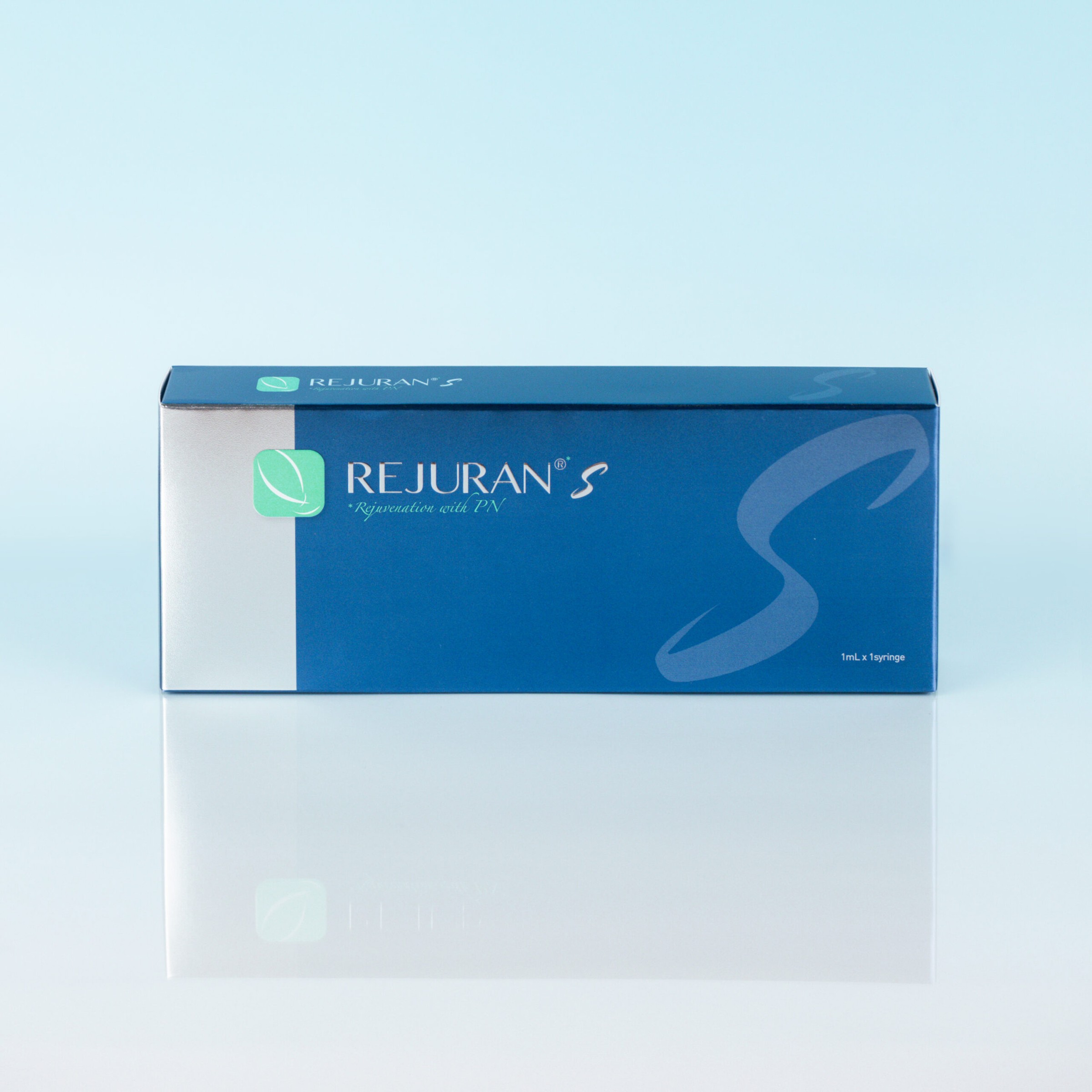
Lip Rejuran Effects and Sessions, Including Vertical Lines and Pain
Rejuran injects polynucleotide (PN) directly into the lip tissue to restore texture and hydration from within. Here is how it differs from volume fillers, how vertical lines actually fade, and what to expect with sessions and pain.
By Dr. Kim

Pink Peel: Results, How It Works, Aftercare, and Number of Sessions
Pink Peel is a low-irritation peel that uses isoflavones from fermented kudzu extract to refine texture while encouraging collagen renewal deep in the skin. Because it relies on mild plant-based compounds rather than harsh acids, even sensitive skin can generally tolerate it. Here is how the ingredient actually works, how it differs from a typical peel, and how to care for skin afterward.
By Dr. Kim
Under-Eye Hollow Filler: Effect and Side Effects, and the Tyndall Effect to Watch
The dark, sunken look under the eyes often comes less from pigment than from hollowing and the shadow it casts. Here's how the tear trough ligament and lost volume under the eye create that shadow, how a soft hyaluronic acid filler placed shallowly and sparingly smooths it out, why thin skin and the bluish Tyndall effect make this area tricky, and how long results actually last, all backed by real published numbers.
By Dr. Kim