Lip Rejuran Effects and Sessions, Including Vertical Lines and Pain
By Dr. Kim8 min read
As the years pass, a lot of people notice their lips looking thinner than they used to, with fine vertical lines forming near the corners of the mouth. Even lipstick can start to bleed and settle into those tiny creases instead of sitting smooth. Most of this comes down to the lip tissue itself drying out and thinning with age.
Volume filler is usually the first thing that comes to mind, but Rejuran takes a somewhat different approach. Rather than adding bulk, it works to repair the lip tissue from the inside out. Here is what actually goes into the injection, and why it makes a difference for texture and lines.
What kind of ingredient is the PN in Lip Rejuran?
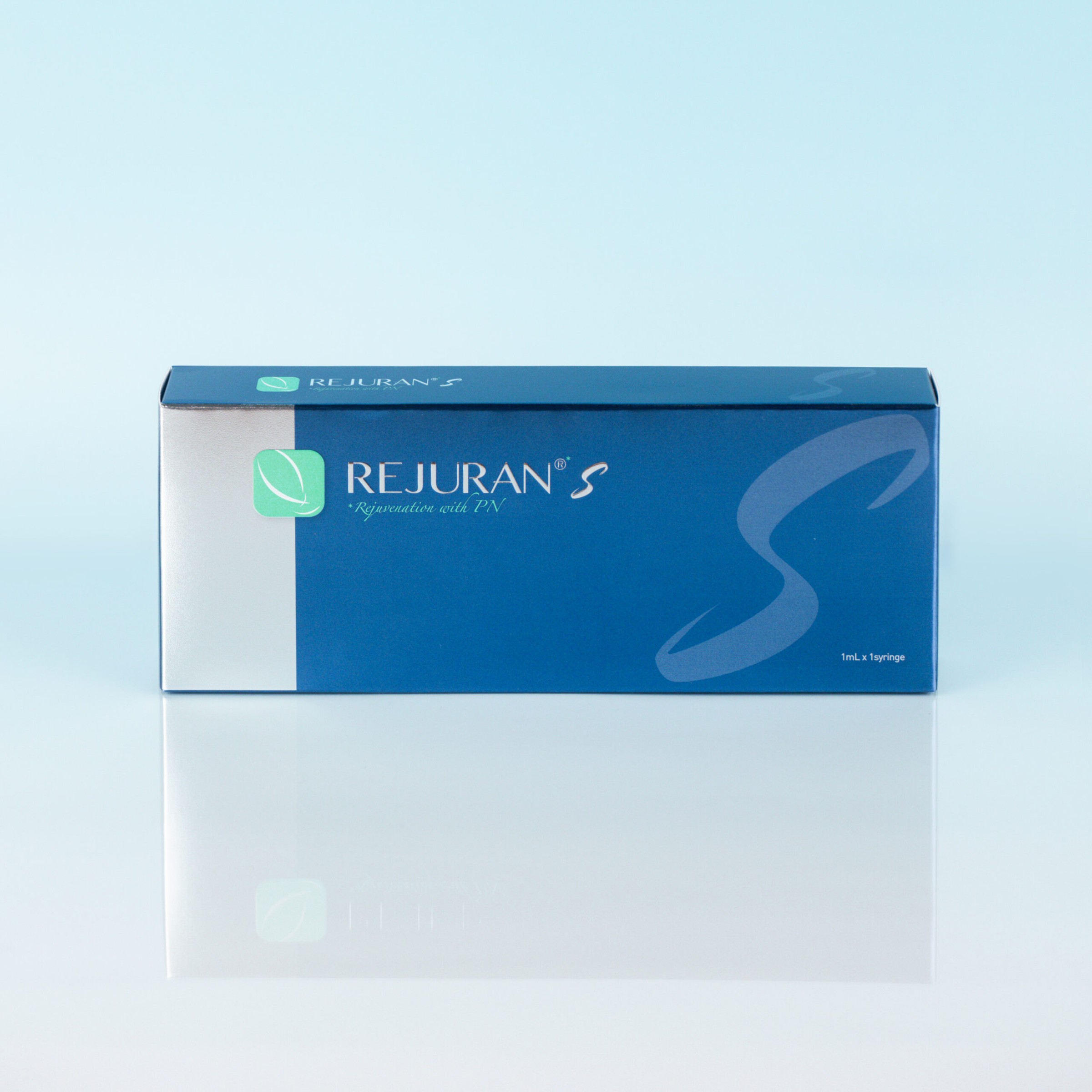
The core ingredient in Rejuran is polynucleotide, or PN for short. It sounds technical, but the concept is simple. PN is made from DNA fragments extracted from salmon or trout sperm, then purified until it is safe to inject into the human body.
Being made of DNA does not mean it carries genetic information into your cells. Here, PN does not act as a gene at all. It works more like a purchase order sent to a construction site. The order itself does not build anything, but once the crew receives it, they bring in the materials and get to work. PN functions the same way, signaling the tissue to start its own repair process.
Salmon and trout DNA share a similar base structure with human DNA, which is why the body generally does not treat it as a foreign invader and mount a strong immune reaction. During purification, unnecessary protein components are filtered out, leaving only the parts that trigger tissue regeneration signals, which improves the safety profile.
If the purification is incomplete, the body is more likely to recognize the leftover material as foreign, leading to more noticeable swelling or redness. That means even with the same PN, how thoroughly it was refined can affect how your lips react after treatment.
How does PN work inside the lips?
Lips are one of the driest, thinnest tissues on the face. They have almost no oil glands, and collagen, the structural protein that acts like scaffolding under the skin, declines with age just like everywhere else. As that scaffolding thins out, the tissue sags and the surface starts to cave in slightly, which shows up as vertical lines.
When PN is injected into the dermal layer of the lips, it stimulates the cells in that area. Fibroblasts, the worker cells that actually manufacture collagen, are reported to become noticeably more active. Once fibroblasts get a steady supply of material and signal, the tissue produces not just fresh collagen but more hyaluronic acid too, which is what holds onto moisture.
PN also has a water-binding property of its own. Much like a sponge, it holds moisture inside the tissue. That is why, after treatment, lips are reported to feel less cracked and dry over time, gradually shifting toward a plumper, more hydrated texture.
This signaling matters more as you age. In your 20s, fibroblasts churn out collagen on their own without much help. Past 40, that pace slows down noticeably. That is exactly why a stimulus like Rejuran tends to make more of a difference the older you get.
How is Lip Rejuran different from lip filler?
The lip filler most people know is typically made of hyaluronic acid, or HA. It works by physically injecting a gel with volume, plumping the lips up right away, similar to blowing air into a balloon.
Rejuran takes the opposite approach. Instead of building volume, it targets the quality of the tissue itself. The lips do not get noticeably bigger. What changes is the surface texture, which smooths out, and the sense of hydration, which comes back to life. That is exactly why people who want to keep their lip size as it is, while fixing the thin, dry feeling, tend to prefer this route.
For someone whose lipstick used to bleed into fine lines and look messy, smoothing out the surface texture often leads to a far more satisfying result than simply adding more volume.
It is also common to combine the two. Volume filler shapes the lips first, and Rejuran fills in the texture and elasticity afterward. Since the two serve different purposes, the order and combination usually depend on what result you are after.
In what order do vertical lines fade?
Vertical lip lines form as the outer skin layer thins and the collagen supporting it underneath declines, carving out grooves in the surface. It is a bit like a rice paddy drying out and cracking once the water is gone. When moisture and elasticity both drain away at once, the surface ends up looking cracked and lined.
There is a reason the lines run vertically. The orbicularis oris, the muscle circling the mouth, contracts and releases every time you talk or smile, and that motion has a vertical grain to it. When the tissue is firm, that grain passes without leaving a mark. Once collagen drops and the underlying support weakens, the same repeated motion eventually etches lines along that same grain.
As collagen and moisture rebuild inside the tissue after PN injection, those grooves gradually start to fill back in. The change is not from stretching the surface tight to erase lines instantly. It comes from restoring support underneath, and the lines fade naturally from there. That is why the effect tends to show up gradually over 4 to 8 weeks rather than all at once.
How many sessions, and how painful is it?
Building new collagen and reorganizing tissue takes time, so a single session is rarely enough. Most protocols split treatment into 3 to 5 sessions instead.
- The standard course is usually 3 sessions spaced 2 to 4 weeks apart. Timing it to the tissue's own response and recovery cycle is what makes each round of stimulation build on the last instead of going to waste.
- After that, most people space out maintenance sessions every 6 to 12 months. Since the collagen-building effect gradually fades over time, periodic touch-ups are what keep the texture in place.
- In a thin, sensitive area like the lips, small amounts spread across several injection points work better than one large dose. It keeps swelling and irritation down while still distributing the product evenly across the target area.
The lips tend to be more sensitive than other areas simply because they have such a dense network of nerves, so the needle registers as sharper than it would elsewhere. Most clinics apply a numbing cream beforehand to take the edge off. Right after treatment, some swelling and a slightly lumpy texture can last 2 to 5 days, which is considered a normal part of the injected material integrating with the tissue.
Who it suits and how long recovery takes
This treatment suits people who are bothered by thinning lips and vertical lines but do not want any real change in volume. If what you actually need is more volume and an immediate change in shape, a volume filler is the more direct choice.
If heavy makeup still cannot hide the cracked look, or your lipstick keeps bleeding into fine lines no matter what you do, that is often exactly the problem Rejuran addresses. Because it changes the surface texture itself, it is reported to work particularly well on the kind of fine lines that makeup alone never quite covers.
Recovery is fairly quick. Swelling and that lumpy feeling usually settle within 3 to 5 days, and any bruising is generally mild enough that it does not get in the way of daily life. That said, if you are pregnant or have active inflammation or a history of herpes on the lips, it is safer to talk with your provider before treatment.
Care for the 3 days after treatment
For about 3 days right after treatment, it is best to avoid rubbing the lips hard or layering on thick lip products, since extra friction can slow down recovery in that area. A gentle moisturizer to keep the lips hydrated is really all you need.
It also helps to cut back on hot food and spicy dishes for the first 3 to 5 days. The lip mucosa is more sensitive during this window, so it can react more strongly to irritants than usual. Keeping up with sun protection is also known to help shield the tissue while it is still healing.
Sip hot soup or eat something spicy during this window, and your lips may burn and swell more than they normally would. That is really just a sign the healing tissue is running a bit sensitive right now. Once this stretch passes, your lips go back to reacting the way they always have.
After that, sticking to the scheduled sessions is really what care comes down to. Collagen and hydration build up cumulatively, so breaking the rhythm partway through can slow down how quickly results show up.
References
Korean Dermatological Association, Ministry of Food and Drug Safety (MFDS), American Academy of Dermatology (AAD), and U.S. Food and Drug Administration (FDA).
Was this helpful?
About this article
Written by a practising aesthetic physician and intended for general education — not a substitute for individual medical advice.
Read next

Rejuran PN: Effects, Number of Sessions, Side Effects and Aftercare
Rejuran isn't a filler that plumps up hollow areas. It's a regenerative injection that helps your own skin make more collagen. Here's how the key ingredient, PN (polynucleotide), wakes up fibroblasts and calms inflammation to restore skin texture and firmness, plus how it differs from fillers, how many sessions it takes, and what to watch out for.
By Dr. Kim
Profhilo Versus Filler and Rejuran: Differences and Results Compared
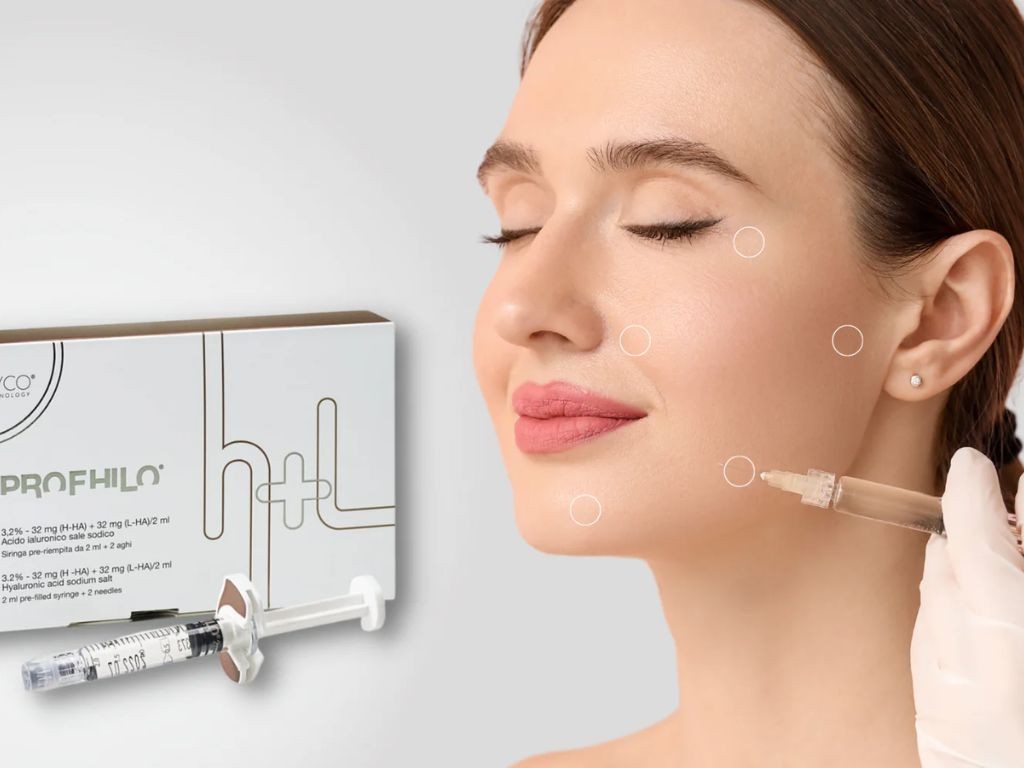
What Profhilo is, how it differs from fillers and Rejuran, and what the clinical data actually shows about skin texture, elasticity, and hydration. Effects timeline, safety record, and who it genuinely suits.
By Dr. Lee

Parotid Botox and Masseter Botox: Differences and Effect Compared
Parotid gland Botox injects botulinum toxin into the parotid salivary gland to shrink its volume and slim the jawline. It targets a different tissue and location than masseter Botox, which works on muscle. Here is what the evidence says about dosing, how long it lasts, and side effects like dry mouth.
By Dr. Kim