Pink Peel: Results, How It Works, Aftercare, and Number of Sessions
By Dr. Kim6 min read

The word peel usually brings to mind flaking, reddened skin. Pink Peel, true to its name, sits on the gentler end of that spectrum. Instead of a strong acid, its main ingredient is a fermented extract from kudzu, a legume plant. So it does more than lift away dead skin cells, it also nudges the skin into producing fresh collagen on its own. That dual action is exactly why people with sensitive skin tend to take an interest in it.
The pink in the name actually comes from the faint flush the skin shows right after treatment. That is described less as the stinging redness of a strong acid peel and more as a shallow warmth from a slight uptick in circulation. To understand the difference, it helps to first look at how the ingredient behaves once it reaches the skin.
Fermented kudzu extract and isoflavones
The core ingredient in Pink Peel is a concentrated extract from fermented kudzu root. Kudzu contains isoflavones, the same family of compounds found in soybeans, but reportedly in much higher amounts.
Isoflavones share a molecular shape similar to estrogen, the female hormone. Think of it as a lock and key. Estrogen is the key that normally fits a particular lock, and an isoflavone, being a similar shape, can fit into that same lock reasonably well and turn it.
When an isoflavone binds to an estrogen receptor on the surface of a skin cell, the cell responds much as it would to actual estrogen. That response connects directly to the collagen production described below.
Isoflavones are not real estrogen, though, just a plant compound with a similar structure. The turning force behind that key is weaker than the real one, but that same gentleness is what lets it send a similar signal to the skin without placing as much demand on the body, which is part of what defines Pink Peel.
How do collagen and hydration increase?
Estrogen is one of the hormones that normally stimulates fibroblasts, the cells that build collagen and elastin in the skin. That is also why collagen tends to decline in women after menopause, when estrogen levels drop.
This is precisely where Pink Peel aims. When isoflavones stimulate estrogen receptors, fibroblasts become more active again and start producing fresh collagen and elastin.
Think of collagen as the pillars holding the skin up from below, and elastin as the rubber bands connecting those pillars. When both are replenished, the skin regains firmness, which in practical terms means less visible sagging.
Estrogen-related signaling is also thought to play a role in producing hyaluronic acid, the molecule that holds onto moisture in the skin. So it is not just the pillars and rubber bands being rebuilt, the water filling the space between them increases too, which often translates into skin that feels noticeably more supple.
How is it different from a regular peel?
A conventional peel usually relies on acidic ingredients to thin the outer layer of dead skin cells, things like AHA (water-soluble exfoliants such as glycolic or lactic acid), BHA (oil-soluble compounds like salicylic acid that can reach deep into pores), or TCA (trichloroacetic acid, a strong acid that chemically strips the surface). The goal is to smooth the surface by clearing it away.
Pink Peel, by contrast, leans much less on acid and relies mainly on the fermented plant extract instead. That makes its exfoliating power comparatively mild, but it also means far less irritation from the stripping process itself.
In short, it puts more weight on rebuilding from within than on stripping from the surface. That does not mean it has no exfoliating effect at all. The fermented extract itself carries a mild exfoliating action, so while it is not strong, it still leaves the skin texture feeling smoother.
Can sensitive skin have it too?
Sensitive skin often means the skin barrier, the protective wall built by the outer layer of dead cells, has been weakened. When that barrier is thin, even small amounts of irritation can cause redness and stinging.
A strong acid peel works by stripping away that barrier once more, which can be a lot for sensitive skin to handle. Pink Peel, on the other hand, does not aggressively remove that layer, instead letting the fermented extract absorb through the skin surface. It is closer to filling in material from inside the wall than chipping away at the wall itself.
That is why it is often introduced as a peel that redness-prone or reactive skin can try with relatively less worry. Sensitive skin is not free of every possible irritation, though, so checking the skin condition before treatment is still a necessary step.
In particular, during periods when the skin barrier is visibly thinner, right after another procedure, for example, or during a flare of inflammation like atopic eczema, even the mildest peel can feel irritating. That is exactly why a mild peel calls for even more careful attention to skin condition beforehand, not less.
Pink peel procedure and how long it takes
The Pink Peel procedure follows a fairly simple sequence. First the skin is assessed, then cleansed to clear away oil and debris. The Pink Peel formula is then applied to the whole face or to specific areas, and the practitioner watches how the skin responds. The session finishes with soothing and moisturizing steps.
Because it usually skips the neutralizing step required after a strong acid peel, the whole session tends to run fairly quickly. Right after treatment, skin can feel temporarily tight and hydrated, a sensation attributed to the fermented extract activating moisture binding at the skin surface.
How many sessions before you see changes?
Pink Peel is less about a single dramatic change and more about gradual results that build up over repeated sessions. The tightness felt right after treatment mostly reflects a temporary boost in hydration, while the actual production of new collagen and elastin takes considerably longer.
Fibroblasts producing collagen in response to stimulation follows the body's own pace of repair, so it does not wrap up in a day or two. That is why results, in the form of noticeably firmer, smoother-feeling skin, tend to become more apparent after 3 to 5 sessions spaced out over time.
Aftercare and spacing between sessions
A few habits after Pink Peel can support recovery.
- Moisturize more generously than usual. Right after exfoliation, the skin barrier is temporarily thinner, so moisture escapes more easily.
- Be diligent about sun protection. Collagen that has just started rebuilding, along with the newly refined outer layer, can react more sensitively to UV exposure.
- Skip hot saunas or steam rooms on the day of treatment. Heat expands the skin's blood vessels, which can make redness or warmth linger longer.
- Some temporary redness, dryness, or sensitivity is normal, and it is generally expected to settle on its own within a short time.
Keeping up with this aftercare while spacing out sessions allows changes to build gradually without heavy irritation. It is safer to watch how the skin responds and adjust the interval between sessions rather than rushing through several in a row. Even a mild peel needs time for the skin to recover on its own.
References
Korean Dermatological Association, American Academy of Dermatology (AAD), and Ministry of Food and Drug Safety (MFDS).
Was this helpful?
About this article
Written by a practising aesthetic physician and intended for general education — not a substitute for individual medical advice.
Read next
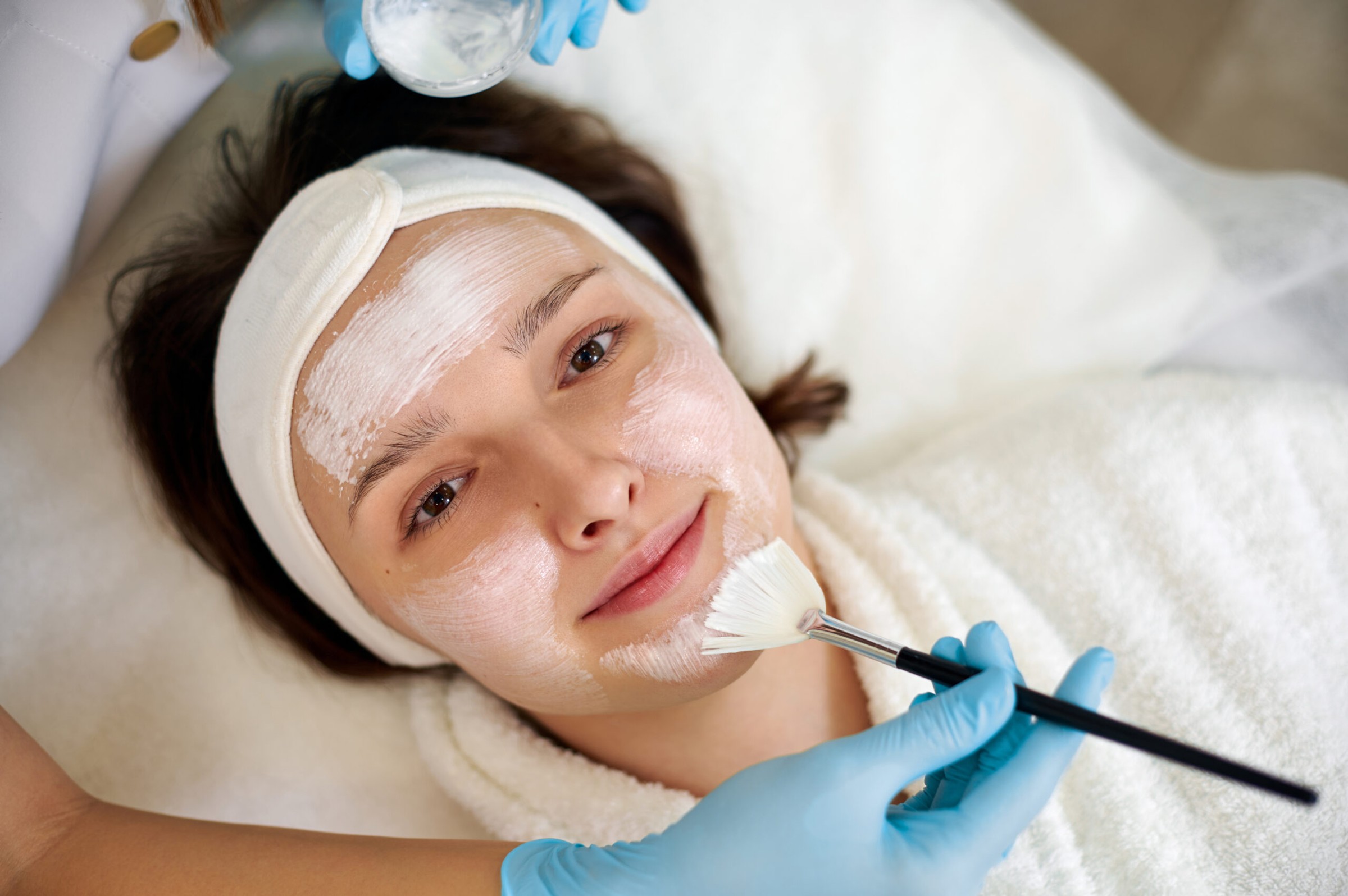
FCR Peeling Effects: Is It Okay for Sensitive Skin?
FCR peeling is a physical peel that works by massaging tiny needle-shaped crystals from coral into the skin to clear away dead skin and sebum together. Because it stimulates the skin differently than acid-based chemical peels, it tends to be more comfortable to try even on sensitive or acne-prone skin. Here's how it works and how to care for your skin afterward.
By Dr. Kim
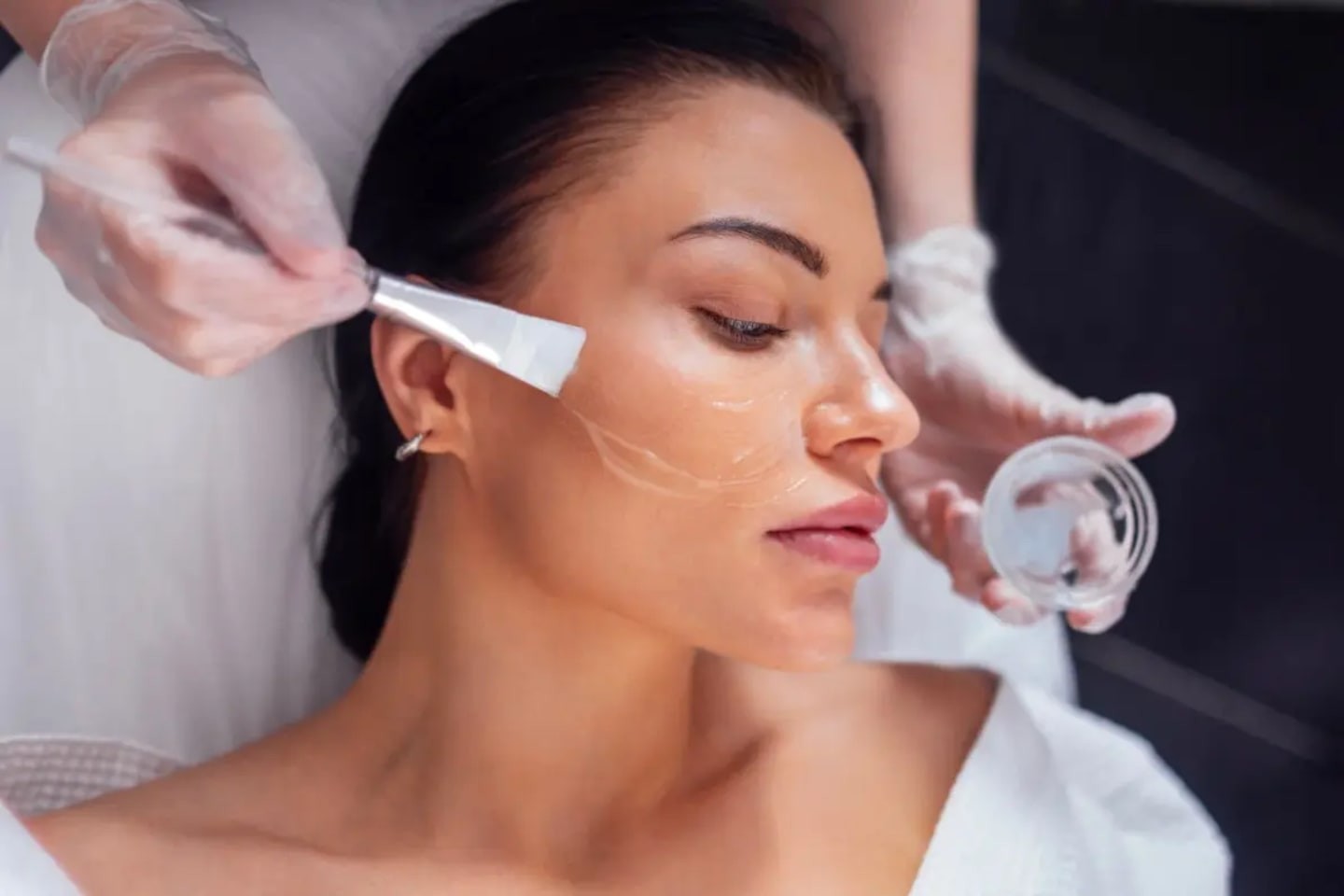
Milk Peel and Lactic Acid: Results, Irritation, Suitable Skin Types, and Precautions
Milk peel is a peel that clears old buildup using lactic acid, an AHA. Because lactic acid has a larger molecule, it does not rush deep into the skin, and it also holds onto moisture in the skin, so it stays gentle while smoothing texture. Here is how that mild action actually works.
By Dr. Kim

Body Onda: Effects, Approach by Area, Number of Sessions and How Long It Lasts
Body Onda is a non-surgical body contouring treatment that uses microwave energy to selectively heat the fat layer beneath the skin, shrinking fat cells while tightening the skin above them. Here is why the heat targets fat rather than skin, why fat reduction and tightening happen together, how the approach differs for the abdomen, arms, and flanks, and how many sessions it takes to see lasting results.
By Dr. Kim