Botox, Filler, and Laser: How Many Weeks Before a Wedding Should You Get Them?
By Dr. Lee7 min read
Before a wedding or a big photo shoot, it is tempting to squeeze in every treatment you have been putting off, all at once. But none of these treatments work the moment you walk out of the clinic. Botox needs time for the nerve signal to gradually shut down, and filler needs time for the swollen tissue to settle. So when several treatments get crammed into the same week, it is common to end up with lingering swelling or bruising right when you need to look your best.
Every treatment heals at its own pace, so the smart move is to work backward from your event date. That way, the effects have fully kicked in and any side effects have fully faded by the time it matters. Below is a breakdown of how far ahead each treatment should be scheduled, and the reasons behind the recovery timeline.
What is the minimum lead time for each procedure?
The safest rule of thumb is to give each treatment its own minimum buffer. Botox generally needs at least 2 weeks, filler needs at least 4 weeks, and anything that irritates the skin surface, like laser toning or chemical peels, needs 2 to 3 weeks minimum.
These numbers are not arbitrary. They come directly from how fast each treatment triggers a response in the body. A treatment that blocks nerve signals, one that plumps up tissue, and one that resurfaces the skin all work through completely different mechanisms, so naturally they recover at different speeds. The sections below walk through why each timeline exists.
Is 2 weeks before enough for Botox?
Botox works by blocking the signal between nerve and muscle, which reduces muscle movement. The muscle does not freeze the instant you get injected. Instead, the effect builds gradually as the product binds to nerve endings. Changes usually start showing up around day 3 to 5, and the effect is typically fully settled somewhere between day 10 and 14.
Because of that lag, getting Botox a day or two before your event often means the effect has not even hit the halfway mark yet. There is also a small chance of temporary side effects, like mild swelling at the injection site or slight eyelid drooping, and you want enough time to notice if that happens. That is why at least 2 weeks out, ideally 3 to 4 weeks with a follow-up check in between, is the safer plan.
How long do filler swelling and bruising take to settle?
Filler works by injecting a substance like hyaluronic acid into the tissue to build volume. As the needle passes through tissue, it causes tiny amounts of trauma, and the body responds with swelling and a mild inflammatory reaction while it heals. That is why right after the treatment, the area often looks more swollen than the actual amount injected would suggest.
It usually takes 1 to 2 weeks for that swelling to go down and for the filler to settle naturally into place. Filler also tends to bruise more often than Botox, so you need to factor in time for any bruising to fade too. That is why filler should generally be scheduled at least 4 weeks before your event, or around 6 weeks if it is your first time getting that area treated.
When should you get laser toning and peels?
Laser toning uses light to break down pigment beneath the skin, while chemical peels work by exfoliating the top layer to trigger skin renewal. Both directly irritate the skin surface, so redness or fine flaking can linger for a few days to about a week afterward.
Laser toning is also not a one-and-done treatment. It usually takes multiple sessions spaced 2 to 4 weeks apart for pigment to gradually fade. Squeezing in a single session right before your event may leave you with irritation but none of the results you were hoping for. Plan to finish your last session at least 2 weeks before the event, and start the overall course months in advance.
How many weeks before should you get lifting?
Thread lifting, which uses threads to physically pull and lift tissue, has a longer recovery window than Botox or filler. The process of anchoring and pulling the tissue causes swelling and bruising, which usually takes 1 to 2 weeks to settle. But that is only the first phase. As the threads slowly dissolve over the following months, a second process kicks in where new collagen fills in around them.
If your only goal is looking good for the event, timing it around when the swelling and bruising fully resolve is enough, which means scheduling threads at least 4 to 6 weeks out. But if you also want the firming benefit from the collagen that builds up afterward, that effect only becomes visible months down the line, so starting well ahead of the event, far earlier than the minimum, is what actually lets you enjoy the full result.
What order should you follow for several procedures?
If you are planning several treatments together, a few rules help you sequence them. Treatments with longer recovery times should go first, so that by the time the event gets close, only the gentlest treatments remain.
- Book the longest-recovery treatments first. Filler and thread lifting, which tend to swell the longest, should sit furthest from the event date, so there is still room to recover even if something else overlaps later.
- Put invasive treatments early, gentle care later. Anything involving a needle needs time for tissue repair, while massage or light skin care barely irritates the skin, so it is fine even close to the event.
- Leave at least 1 to 2 weeks between treatments. Stacking irritation in the same area slows healing down and makes it harder to tell which treatment caused which reaction.
- Test-run anything new well outside of event season. Everyone swells and bruises differently, so knowing your own reaction ahead of time makes scheduling around an event much easier.
Why avoid procedures right before an event?
Sometimes the safest choice close to an event is simply not getting anything new done. This is especially true for treatments you have never tried before, or ones where recovery is hard to predict.
How long swelling or bruising lasts varies a lot from person to person, so trying something for the first time right before the event carries a real risk of a longer-than-expected recovery. It is also worth planning around sun exposure. Right after laser or peel treatments, skin becomes more sensitive to UV light, so avoid scheduling outdoor shoots or long days out in the sun around the same time, since sun exposure on freshly treated skin can actually make pigmentation worse.
Aftercare
Even if you time everything perfectly, skipping aftercare can slow down your recovery. Applying sunscreen consistently helps protect newly sensitive skin and lowers the chance of pigment coming back.
It also matters to avoid rubbing or pressing hard on treated areas. Filler that has not fully settled, or skin that is still healing, can end up uneven if it gets physical pressure too early. Swelling and bruising usually fade naturally over time, but since recovery speed varies from person to person, it is always worth building in a little extra buffer around your event date.
At the end of the day, planning treatments well comes down to respecting how long your body actually needs to respond. Rather than cramming everything in at the last minute, figure out the recovery window each treatment needs, then count backward from your event date to set your appointments. Do that, and event day arrives with the results showing and none of the swelling or irritation left behind. The more room you give yourself to plan, the more reliably the results hold up.
References
Korean Dermatological Association, American Academy of Dermatology (AAD), and Ministry of Food and Drug Safety (MFDS).
Was this helpful?
About this article
Written by a practising aesthetic physician and intended for general education — not a substitute for individual medical advice.
Read next
Platoning: Can You Get a Skin Booster Right After Laser Toning?
Platoning is the name for a treatment combo that runs laser toning and a skin booster back to back in a single session. Here is the logic behind why a pigment-fading toning laser and a hydration-and-repair booster are paired in this order, and what each one actually does in the skin.
By Dr. Lee
Laser Hair Removal Sessions and Intervals: Why Are Multiple Sessions Needed?
Laser hair removal only reacts to follicles that are actively growing right now. Because follicles in the same area are cycling out of sync with each other, it takes several sessions to catch them all. Here is the biology behind why the spacing between sessions matters and why some areas need more rounds than others.
By Dr. Kim
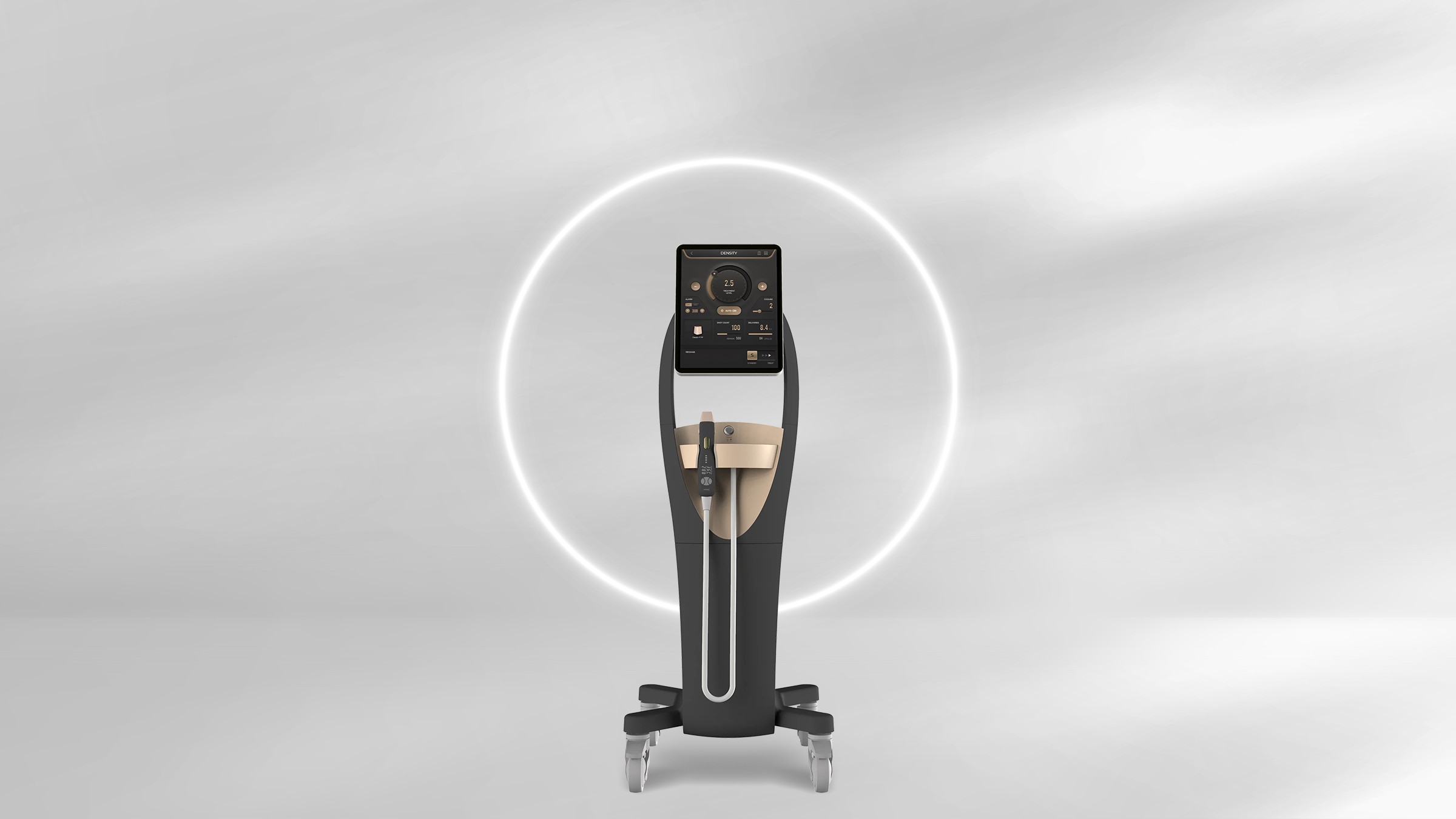
Density RF Effects: How Many Sessions and How Long Do Results Last?
Density RF pairs two radiofrequency modes with very different personalities to chase two goals at once: the instant tightening you feel right after treatment, and the collagen renewal that builds slowly over the following 4 to 12 weeks. Here is why two modes are needed, the order in which heat actually works inside the skin, and why the treatment is spread across multiple sessions instead of done all at once.
By Dr. Kim