Platoning: Can You Get a Skin Booster Right After Laser Toning?
By Dr. Lee7 min read
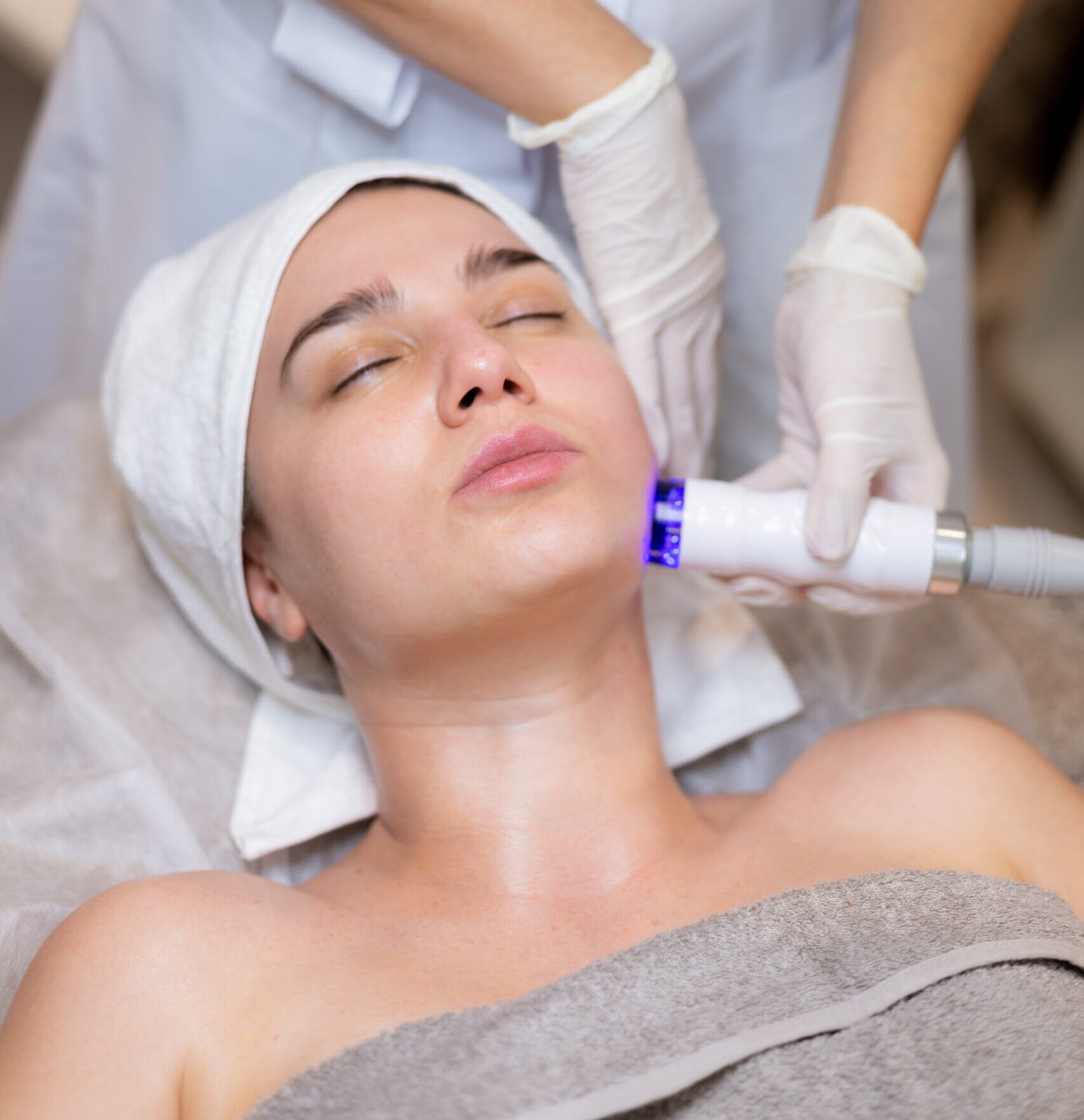
If you have had laser toning and a skin booster as separate visits, you have probably wondered whether doing both on the same day actually makes a difference, or whether it just means more trips and a bigger bill. The name clinics have started using for this pairing is platoning.
Platoning is not a new device or a new ingredient. It is really just toning and a booster, two existing treatments, linked together in a set order. Here is why they are paired this way, and what each one is doing under the skin.
Where does the name Platoning come from?
Platoning is a name built from two treatments, laser toning and skin boosters. It is not a formal medical term so much as a shorthand for running both procedures in one session.
Laser toning uses a low-power laser fired in many small passes to fade pigment, while a skin booster uses a fine needle or microneedling device to push regenerative ingredients into the dermis. The two were developed for different purposes, but because the irritation and recovery they cause do not overlap and can actually follow on from each other, doing them in sequence on the same day has become a standard pairing.
So platoning is not the name of a branded machine. It is a convenience label for combining two treatments. The laser and the booster product used can vary from clinic to clinic, but the basic structure, a pigment treatment followed by a dermis-filling treatment in one visit, stays the same.
How does laser toning fade pigment?
The laser used in toning fires light of a specific wavelength in many very short pulses rather than one long burst. That light is selectively absorbed by melanin, the brown pigment that gives skin its color, so it targets pigment-carrying cells without doing much to the normal cells around them.
The reason for many weak passes instead of one strong one is simple. A single strong pulse fades pigment faster, but it also raises the risk of irritation and post-inflammatory hyperpigmentation. Repeated gentle passes instead let the activity of pigment-producing cells wind down gradually, so the color fades step by step rather than all at once.
That is why toning is described as a treatment that builds over several sessions rather than one visit. Each session adds a small amount of fading on top of the last, so if the gap between sessions gets too long, the pigment has time to settle back in before the next round.
What does a skin booster do inside the skin?
A skin booster delivers substances like hyaluronic acid or PDRN, a compound derived from salmon that supports skin repair, directly into the dermis. Topical skincare rarely gets past the stratum corneum, the thick outer barrier layer, but a booster bypasses that barrier with a fine needle or device and delivers ingredients right where they are needed.
Once in the dermis, these ingredients hold onto water on the spot and stimulate the fibroblasts around them, the cells that produce collagen, to make more collagen and elastin. If toning handles pigment, a surface-level concern, a booster is filling in hydration and elasticity in the layer beneath it.
The exact ingredients vary by product. A formula weighted toward strong water-binding ingredients leans more toward filling in dryness and fine lines, while one with a higher share of regenerative ingredients leans more toward improving texture and firmness. How that ratio is adjusted for a given skin condition is really what distinguishes one booster from another.
Difference between getting them separately and together
Getting toning and a booster on separate days can still produce similar individual results. But the order and timing change how much load the skin carries and how the recovery unfolds.
Right after laser toning, the skin's surface barrier is temporarily thinner, which creates a short window where absorption is slightly higher. Delivering a booster's hydration and repair ingredients during that window lets them settle in more easily without being blocked by the stratum corneum, which is the reasoning behind running platoning together. Flip the order, and injecting the booster first means the newly delivered ingredients have not settled before they get hit with laser heat, which can actually reduce how effective they are.
Splitting the treatments also means separate clinic visits and separate recovery stretches each time, while combining them into one session lets swelling and redness be managed as a single recovery arc. That said, the difference is mostly about convenience. It is hard to say the final degree of pigment fading or firmness improvement diverges by much either way.
Does toning come first?
Platoning is generally run with laser toning first, followed immediately by the skin booster. After cleansing and applying a numbing cream, the laser is passed evenly over the whole face, and then the session moves straight into the booster step.
The reason there is no gap between the two within a session is to catch that absorption window described above. If too much time passes and the stratum corneum thickens back up, the booster ingredients settle in less efficiently.
During the laser pass, a repeated stinging sensation is common, and during the booster step, there can be a light sting and mild pressure where the needle passes through. Both steps are done under numbing cream, so the discomfort itself is described as fairly mild.
Is one session enough?
Toning works by gradually building up fading over repeated sessions, and a booster's ingredients are slowly metabolized by the body over time, so both treatments need to be repeated at intervals rather than done once for lasting results.
The exact interval depends on skin condition, how much pigment is present, and which booster ingredient is used, so there is no single number that fits everyone. That is why the interval is usually set individually during a consultation after checking skin condition, and it may need to be spaced out further if there has been frequent sun exposure or skin irritation in between sessions.
Precautions and care on the day of treatment
Platoning layers two kinds of stimulation on the skin at once, so aftercare deserves a bit more attention than usual.
- Apply sunscreen more carefully than usual on the day of treatment. The micro-irritation left by the laser and the needle makes skin more light-sensitive than normal.
- Avoid hot saunas or steam rooms for a few days. Heat increases blood flow, which can prolong swelling and redness.
- Hold off on exfoliants or strong acid-based products for a while. Adding more stimulation to an already thinned barrier can slow down recovery.
- Apply moisturizer more generously and more often than usual. Surface moisture evaporates faster right after treatment, which can bring on more tightness and sensitivity.
- Mild redness and swelling typically settle within a few days, though recovery speed varies from person to person.
Skin types Platoning suits
Platoning is described as a particularly good fit when pigment and dullness show up alongside dryness and loss of firmness. If pigment is the only concern and texture or hydration are not an issue, toning alone may be enough, and if firmness and hydration are the concern without any pigment issue, a booster alone works fine too.
For skin dealing with both concerns at once, combining them into one session is said to help cut down on visits and total recovery time. That said, if skin is thin or easily irritated, spacing the two treatments out rather than doing them together can be the safer route, so checking skin condition beforehand matters.
If there is significant inflammatory acne, or any wounds or infection present, it is recommended to avoid those areas with both treatments, or postpone until healing is complete. Adding laser and needle stimulation to already irritated skin can add further stress rather than aid recovery.
References
Korean Dermatological Association, American Academy of Dermatology (AAD), and Ministry of Food and Drug Safety (MFDS).
Was this helpful?
About this article
Written by a practising aesthetic physician and intended for general education — not a substitute for individual medical advice.
Read next
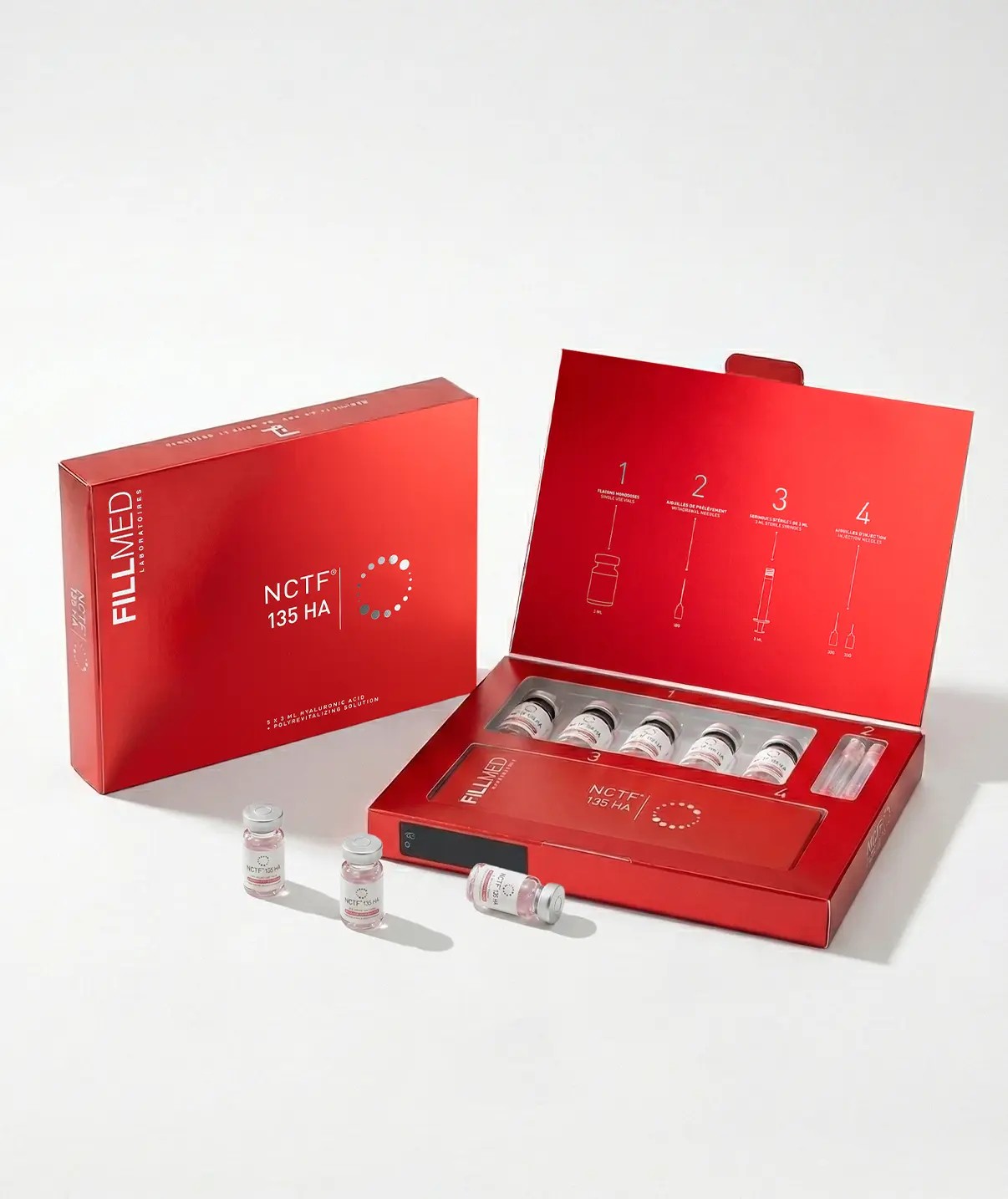
Filorga NCTF 135 Ingredients and the Difference From Water-Glow Injections, Including Sessions and Interval
Filorga NCTF 135 is a mesotherapy treatment that delivers vitamins, amino acids, minerals, and hyaluronic acid, dozens of ingredients in a single syringe, straight into the dermis. Here's a principle-first look at why so many ingredients are mixed together, what each one actually does in the skin, and how this differs from a classic skin booster.
By Dr. Kim

Water Glow Injection and Skin Booster: Differences and Purpose by Ingredient
A water glow injection is one type of skin booster that uses hyaluronic acid to add hydration, while skin boosters are a broader category that also includes ingredients supporting tissue regeneration. Here is a look at what each treatment actually contains and what it is designed to achieve.
By Dr. Lee
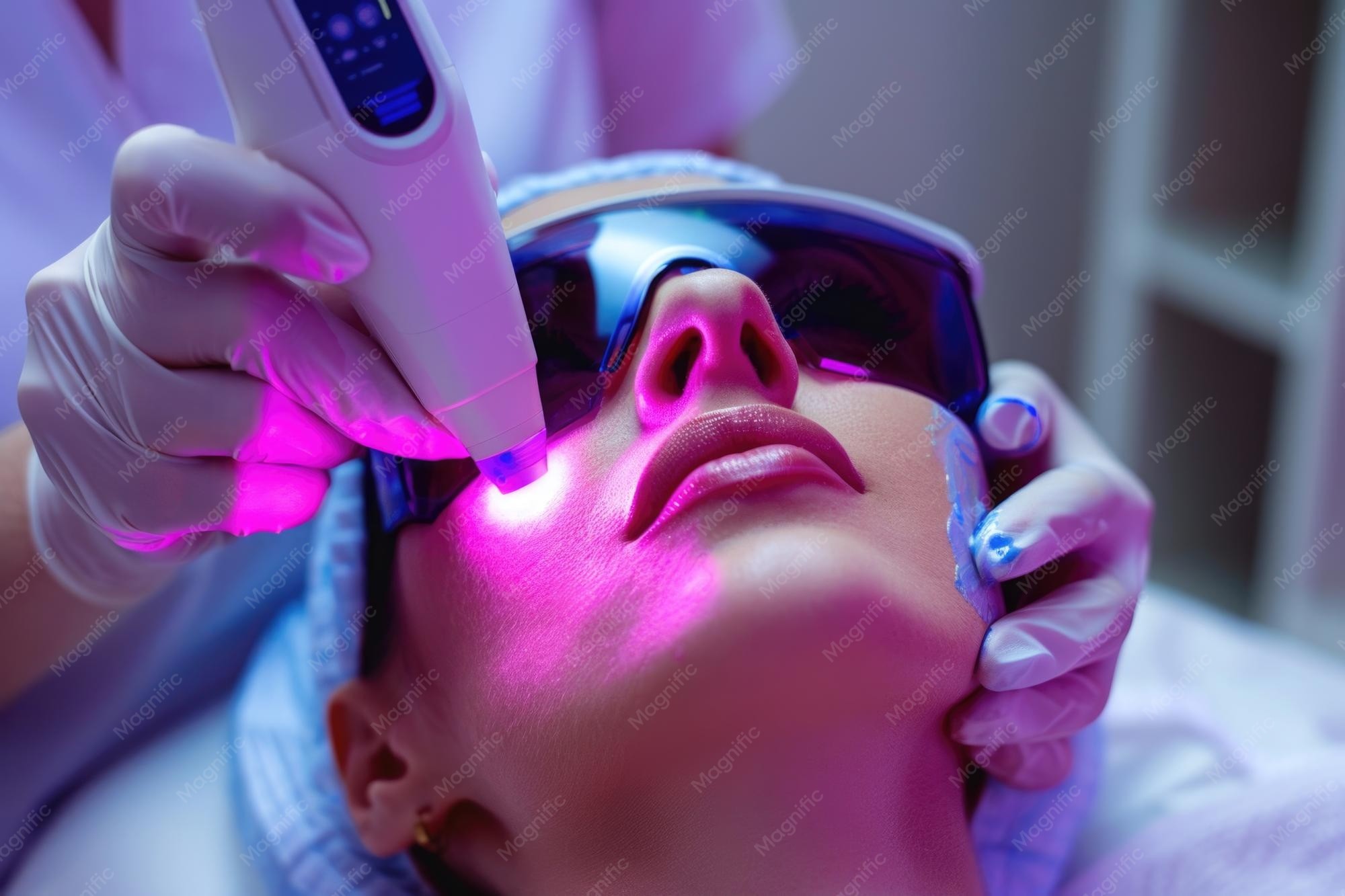
Cafe-au-Lait Spots Returning After Laser: Causes, Number of Sessions and Expectations
A café au lait spot forms because the pigment-making cells in that one patch of skin are locally overactive. Laser treatment breaks up the pigment that has already built up, but it doesn't switch off those cells, which is why the color so often returns. Here's the biology behind it, why results differ so much from person to person, and what a realistic treatment timeline actually looks like.
By Dr. Kim