Water Glow Injection and Skin Booster: Differences and Purpose by Ingredient
By Dr. Lee6 min read

One of the questions I hear most often in the clinic is whether skin boosters and water glow injections are the same thing or something different. The two names get used interchangeably so often that the confusion makes sense. The concepts overlap, but they are not identical. A water glow injection falls inside the larger category called skin boosters, and skin boosters cover a much wider range. Depending on which ingredient is used, a treatment can be a water glow injection, or it can be a different, regeneration-focused skin booster. So the real way to tell the two apart is to look at the ingredient first, not the name. Two treatments that look similar on the surface actually work through different ingredients aimed at different goals, and following the mechanism step by step makes that difference clear.
Are water glow injections and skin boosters the same treatment?
Strictly speaking, a water glow injection is one type of skin booster. Skin booster is the umbrella term for treatments that inject fine amounts of material into the shallow dermis to add hydration or support regeneration. Under that umbrella sits the water glow injection, which uses hyaluronic acid for hydration, along with other treatments that use different ingredients to encourage tissue renewal.
Think of skin booster as the umbrella, and water glow injection as just one of several treatments standing under it. Alongside water glow injections, that same umbrella also covers treatments built around nucleotide fragments extracted from salmon and treatments that use ingredients to stimulate collagen production. This is exactly why guessing the ingredient from the name alone can lead you astray.
How does a water glow injection create glow?
The hyaluronic acid used in water glow injections is naturally present in our own dermis. Its defining feature is an ability to attract and hold on to water. Chemically, it is highly hydrophilic, so it draws in surrounding moisture and can hold many times its own volume in water.
It helps to picture a sponge dropped into water, soaking up moisture and swelling as it fills. Hyaluronic acid does something similar under the skin. Once it is spread thinly through the dermis, it grabs onto nearby moisture, and that is what makes the skin look plump and gives the surface a glow.
That said, this hyaluronic acid is gradually broken down over time by enzymes in the body. So while the immediate hydrating effect of a water glow injection is quite noticeable, how long that effect lasts depends on how fast the hyaluronic acid breaks down. The very ability to hold onto water is both the mechanism and the limitation of this treatment.
What regenerating ingredients are in skin boosters?
If water glow injections are all about hydration, the broader skin booster category also includes ingredients that work by regenerating the tissue itself. A representative example is PN (polynucleotide, a nucleic acid ingredient made of chained fragments of the basic genetic material), extracted from salmon. Unlike hyaluronic acid, this ingredient is not designed to hold water. Instead, it works closer to sending signals to cells that help tissue repair itself.
When the body sustains a wound, cells naturally gather at the site and build new tissue as part of the healing response. PN is thought to gently trigger this same kind of healing response in the shallow dermis. That means it works at a completely different point than a water glow injection, which simply fills space with water.
One more thing worth knowing is that these regenerative ingredients are nucleic acid fragments that cells actually use as raw material for generating energy and building new tissue. Because it supplies the material that supports the body's own repair process, the change tends to show up over time as a shift in skin texture rather than an immediate glow.
What signal does PN send to cells?
The way PN-type ingredients are thought to support tissue regeneration is linked to a cell surface signaling pathway involving adenosine receptors. Cell surfaces carry several kinds of receptors, acting like doors, and byproducts released as this ingredient breaks down are thought to stimulate one of those specific receptors.
Once that door opens, cells that receive the signal, especially the fibroblasts that produce collagen, are believed to become more active and respond by generating new blood vessels and collagen fibers. It is a bit like ringing a doorbell so the person inside comes out and gets to work. The ingredient itself does not turn into collagen. It functions as the signal that wakes up the cells that make collagen.
Because of this, regenerative skin boosters are often reported to work differently from water glow injections, which produce an immediate glow right after treatment. Instead, texture and firmness tend to shift gradually over several weeks, since sending the signal and letting cells respond by building tissue simply takes time.
Which treatment to choose for your goal
Different ingredients naturally point toward different goals. Water glow injections aim for immediate hydration and surface glow. Regenerative skin boosters, on the other hand, focus on softening skin texture and gradually improving firmness.
Here is how the two treatments line up by goal:
- If the goal is immediate hydration and glow: A hyaluronic acid based water glow injection is the more direct match, since the water-attracting property of the ingredient translates almost immediately into surface reflection and softness.
- If the goal is improving texture, pores, or fine lines: A regenerative skin booster like PN is closer to the mark, because it works through cell signaling that gradually restructures the tissue.
- If firmness or sagging is the concern: A different family of skin boosters focused on collagen stimulation is sometimes considered alongside these, since it works by building up the collagen fibers themselves.
- If short, repeated sessions are preferred: Water glow injections tend to be relatively easy to repeat, since the ingredient's role is simply to add water and there is comparatively less need to wait for a tissue response.
Because the goals differ this way, the two treatments are less like competitors and more like complements to each other. It is not unusual to see both used together or spaced out over time as part of the same plan.
What to ask at the consultation
Both treatments follow a similar basic process, using a fine needle to inject material into the shallow dermis at multiple points. That said, recovery time and the degree of swelling can vary depending on which ingredient is used.
Before a treatment, it helps to be clear with yourself about whether you want immediate glow or a texture improvement that shows up over time. That answer naturally points toward choosing a hyaluronic acid based water glow injection or a regenerative skin booster. If you want both, a consultation can help you plan a schedule that spaces the two out.
It also helps to confirm that the product being used is an officially approved product and that the practitioner has real experience with this specific area, both of which matter for a safe treatment. Knowing how an ingredient works is one thing, but the safety of the treatment itself depends heavily on the practitioner's skill and how the product is handled.
Even treatments that share the same name can differ from clinic to clinic in the concentration or ratio of ingredients actually mixed in. So during a consultation, it is worth asking exactly which ingredients are in what you will be receiving that day and in what amount. Knowing that gives you a reasonable sense of when the results will show up and how long they will last.
References
Korean Dermatological Association, American Academy of Dermatology (AAD), and Ministry of Food and Drug Safety (MFDS).
Was this helpful?
About this article
Written by a practising aesthetic physician and intended for general education — not a substitute for individual medical advice.
Read next
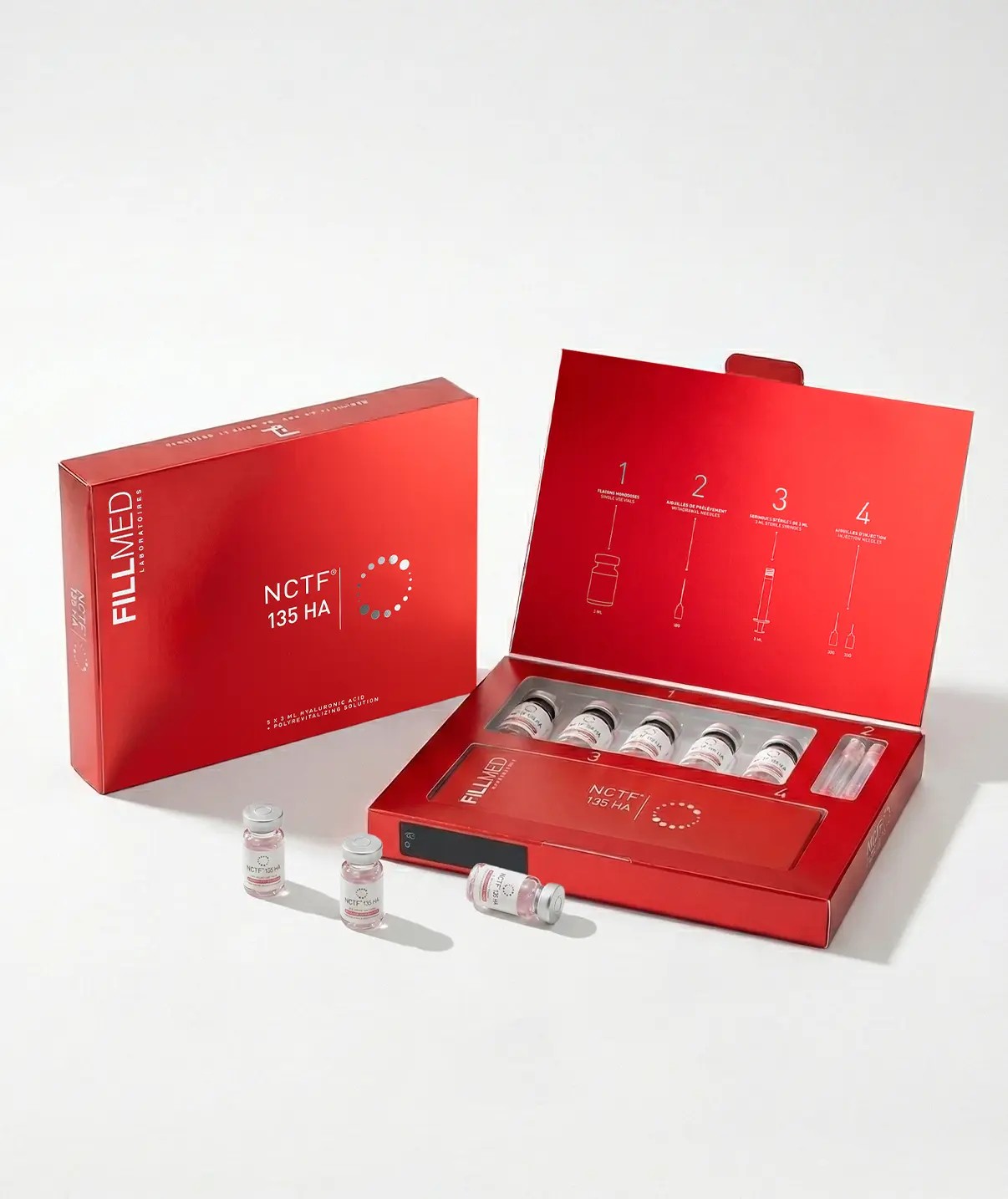
Filorga NCTF 135 Ingredients and the Difference From Water-Glow Injections, Including Sessions and Interval
Filorga NCTF 135 is a mesotherapy treatment that delivers vitamins, amino acids, minerals, and hyaluronic acid, dozens of ingredients in a single syringe, straight into the dermis. Here's a principle-first look at why so many ingredients are mixed together, what each one actually does in the skin, and how this differs from a classic skin booster.
By Dr. Kim
Skin Booster Injection and Filler Differences: Hyaluronic Acid Hydration and Duration
Skin boosters feel far more hydrating than anything you apply topically. Here is why: how hyaluronic acid grabs water deep inside the dermis, how that inner glow actually forms, how it differs from dermal filler, and how long the effect really lasts, explained simply.
By Dr. Lee
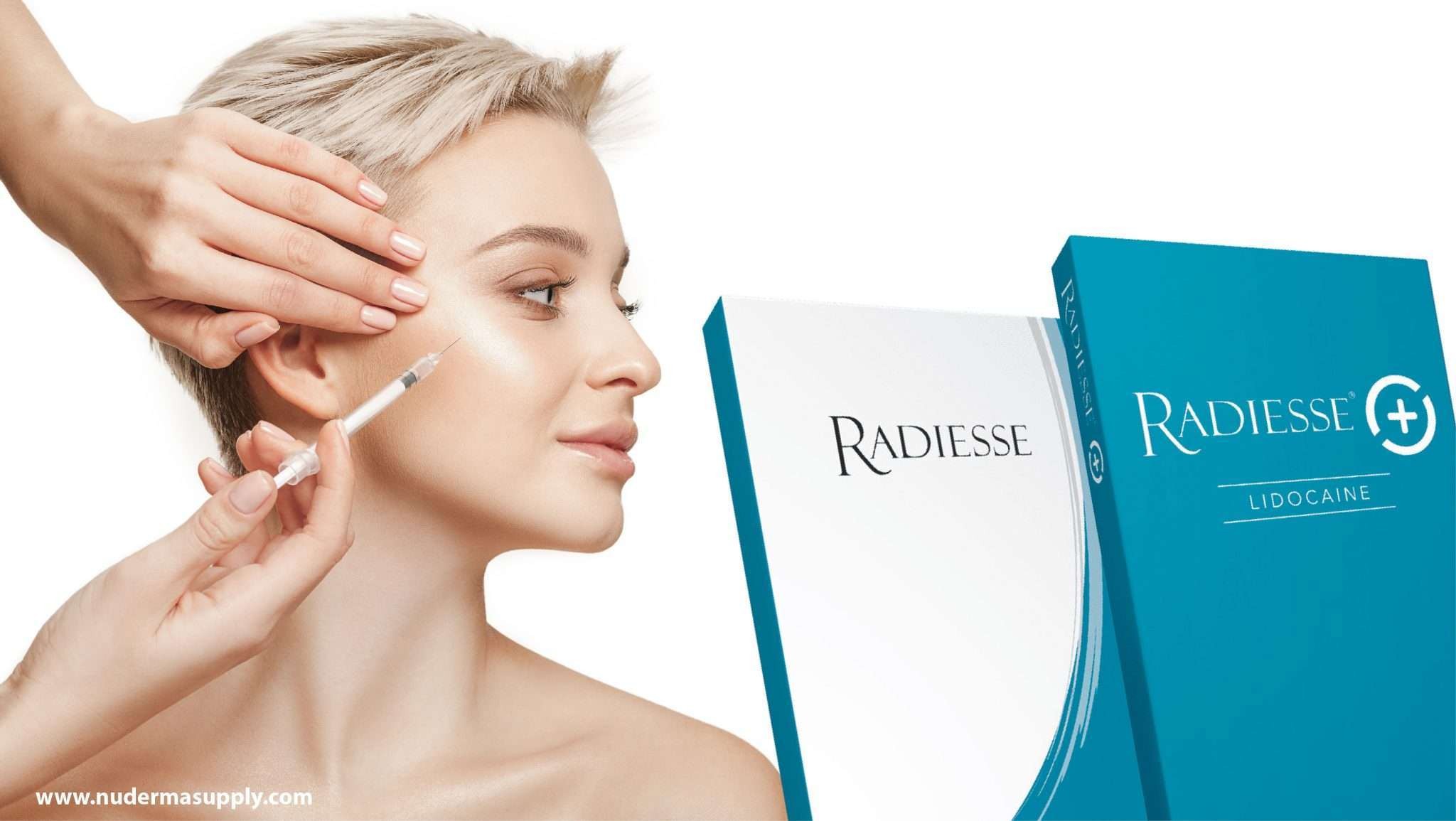
Radiesse Filler: Results, How Long It Lasts, and Collagen Production
Radiesse is a filler whose calcium microspheres fill volume instantly while also triggering new collagen production. Here is a mechanism-focused look at why the particles create volume, how that leads to collagen stimulation, why diluted Radiesse is used as a skin booster, and how long results actually last.
By Dr. Lee