Laser Aftercare and Recovery Time: Ingredients to Avoid
By Dr. Kim7 min read
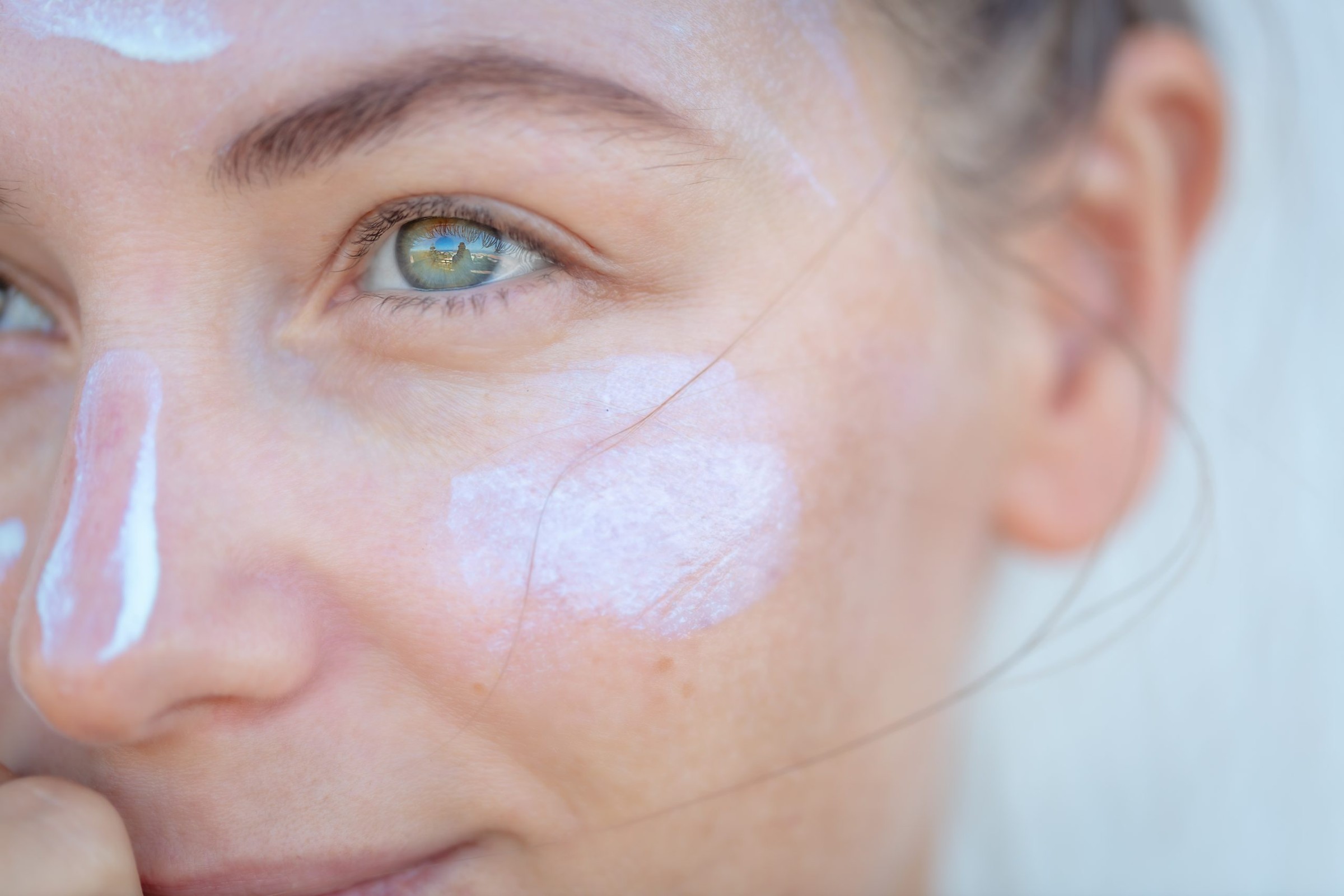
After a laser treatment, skin often stays red and sensitive for several days. That happens because the laser delivers heat energy to a target point beneath the surface, and the surrounding tissue picks up some small damage along the way. How you manage that healing window, the regeneration phase, shapes both how fast you recover and how the results turn out.
Let's walk through why the skin barrier gets shaky during this period, and in what order you should add products in and pull products out.
The tiny damage left in skin right after a laser
Depending on the type, a laser targets melanin, hemoglobin, or water in the skin and concentrates heat at that spot. That means a small, deliberate amount of damage is left in the tissue around the target. Think of it as precisely placing a tiny, controlled burn mark, it's a similar idea.
Because of this damage, blood vessels dilate right after treatment, so skin turns red, and you may feel warmth or a stinging sensation. With ablative lasers (the kind that resurface the skin's top layer), you might also see fine crusting or flaking. Non-ablative lasers (which leave the surface intact and stimulate deeper layers instead) tend to produce milder redness.
How deep the damage goes also depends on the device. Some deliver heat evenly across the whole surface, while others work in a fractional pattern, creating tiny, densely spaced pinpoint injuries instead. With the fractional approach, untouched normal tissue remains between each treated dot, so recovery tends to be quicker. The smaller the damaged area, the less time your body needs to fill it back in.
Why does the skin barrier weaken?
The outermost layer of skin, the stratum corneum, is often compared to a brick wall. The skin cells are the bricks, and lipids like ceramide act as the mortar holding everything together. Laser heat temporarily disrupts that mortar structure.
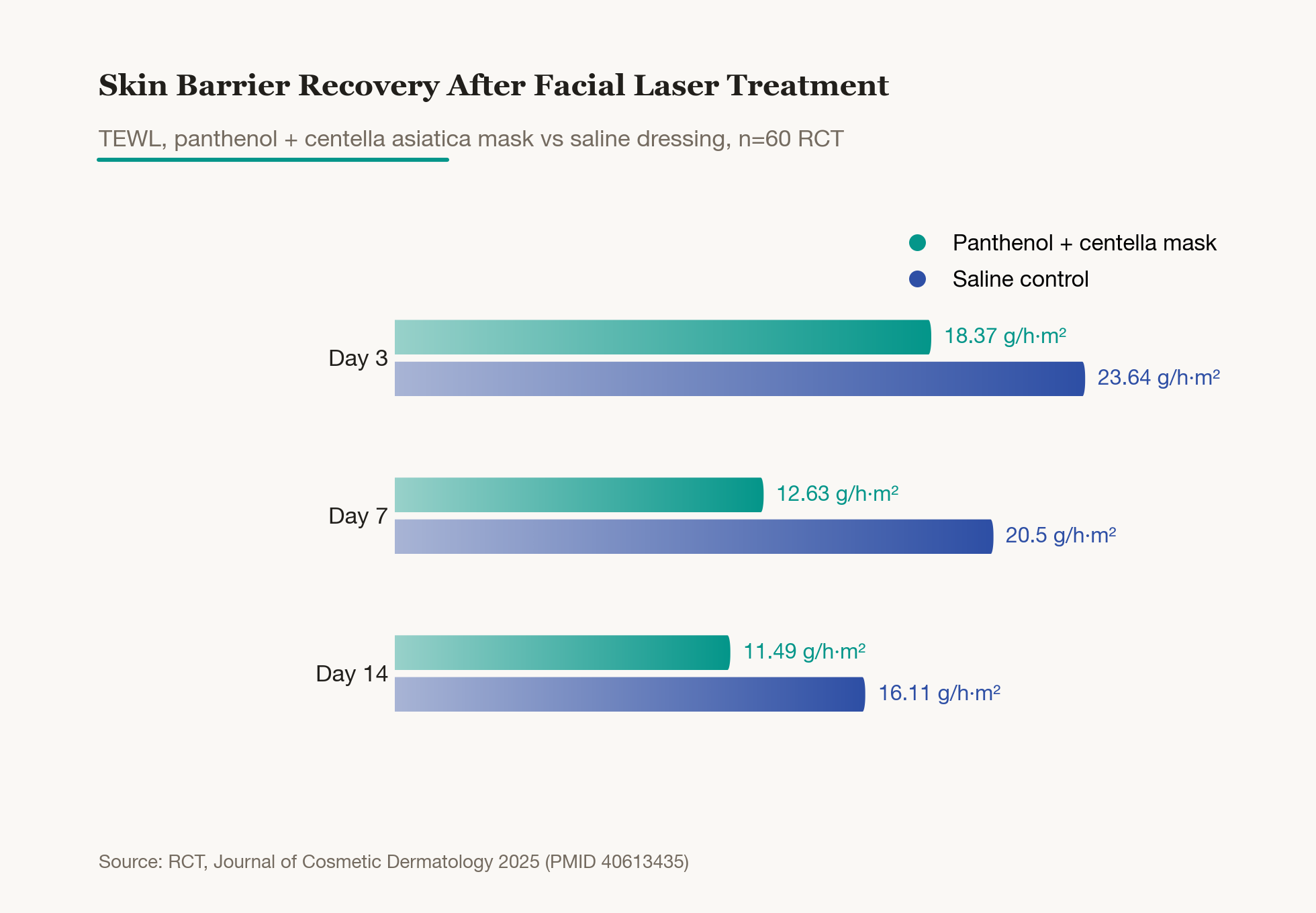
As a result, transepidermal water loss, the rate at which moisture escapes through the skin, goes up. With a looser barrier, outside irritants also get in more easily, so ingredients your skin normally tolerates just fine can suddenly cause stinging or itching. It's fair to say skin in this window is far more reactive than usual.
Moisturizing and soothing ingredients that help recovery
Rebuilding that disrupted barrier is easier when you replace the lipids from outside. Ceramide is the classic example, essentially refilling the mortar between the bricks.
Niacinamide has been shown in several studies to strengthen the barrier and reduce transepidermal water loss. Panthenol helps hold onto moisture while calming redness and irritation. Centella asiatica extract has a long history in wound healing, and clinical reports even suggest it can shorten recovery time after laser treatments. All three work in the same direction, lowering irritation while supporting barrier repair.
Hyaluronic acid is a useful addition too. It works like a sponge, drawing in and holding onto water molecules, which helps replenish surface moisture during a period when hydration keeps escaping. That said, hyaluronic acid only holds water, it doesn't rebuild the barrier itself, so pairing it with a lipid-replenishing ingredient like ceramide is what makes the effect last. This combined lipid-and-hydration approach is generally needed most intensively during the first one to two weeks after treatment.
Which ingredients should you avoid after treatment?
During this fragile window, steering clear of ingredients that could add extra irritation actually speeds up recovery. Here's why each one is worth skipping for now.
- Retinol: it speeds up cell turnover, which can further stress an already-thinned stratum corneum. That's a heavy load for skin that hasn't finished healing.
- AHA and BHA exfoliants: these acids work by dissolving the top layer of skin, which is already compromised, so they can thin the barrier further and worsen stinging.
- High-concentration vitamin C (pure ascorbic acid): its low pH makes it fairly irritating, and on sensitized skin it can trigger more stinging and redness.
- Physical exfoliation, like scrubs or brushes: the friction alone can add fresh damage to tissue that's already weakened, so it's safest to avoid this until healing is complete.
Why is sun protection so important after treatment?
Skin with a thinned barrier reacts much more strongly to UV exposure. On top of that, the treated area has increased blood vessel activity and pigment cell activity, so UV exposure during this window raises the risk of post-inflammatory hyperpigmentation (PIH). This risk is known to be even higher in skin types with more reactive pigment cells, such as Asian skin.
That's why sunscreen needs to be applied more rigorously than usual during this period, and reapplied often if you're spending time outdoors. For sensitive skin, physical (mineral) sunscreens with zinc oxide or titanium dioxide tend to be gentler than chemical filters, so they're generally the better choice. Adding physical barriers like a hat or a parasol helps too.
How long does laser recovery take?
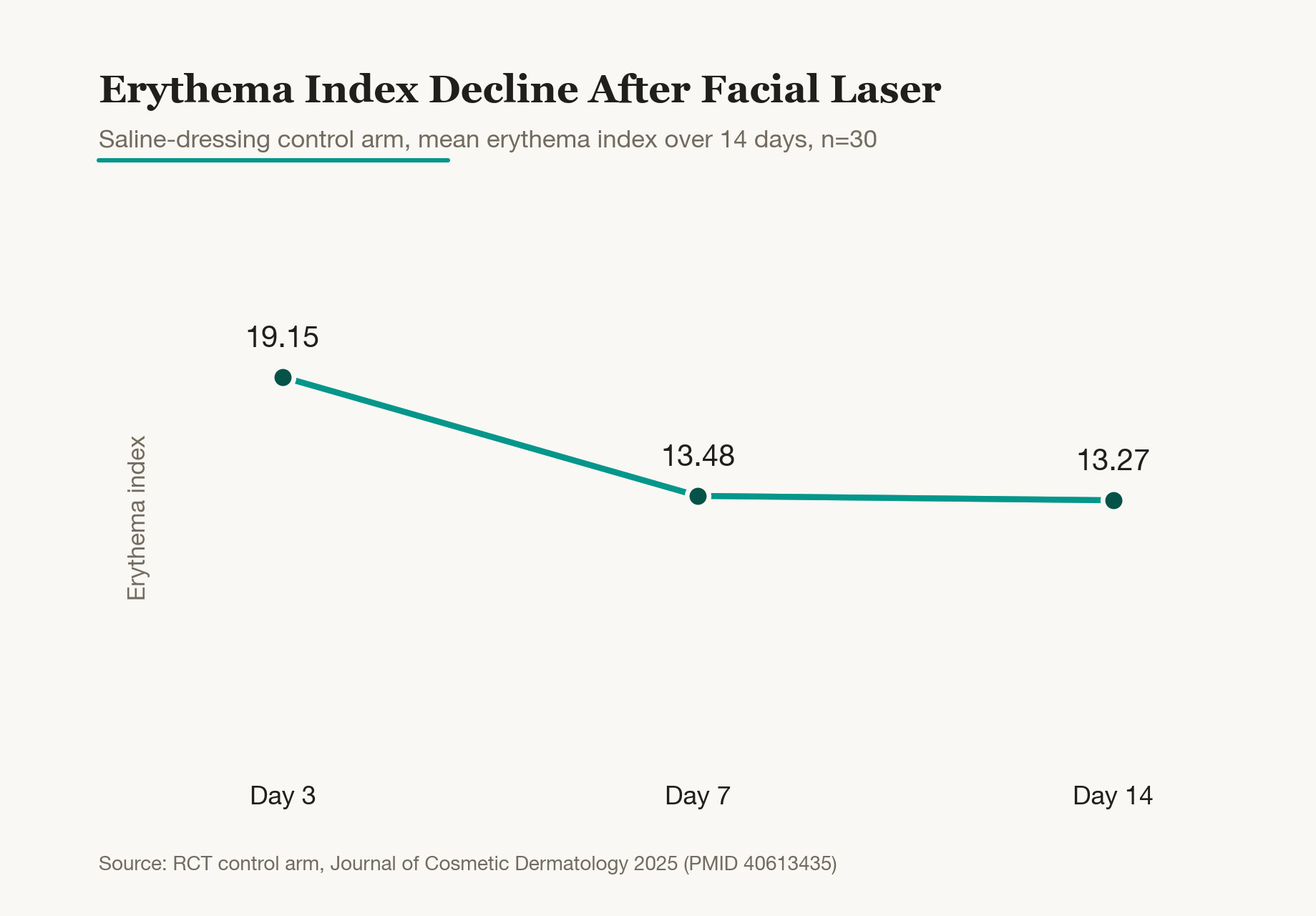
Recovery speed varies quite a bit depending on the type and intensity of the laser. With non-ablative lasers, redness typically settles within three days to a week. Ablative lasers, on the other hand, take about one to two weeks for re-epithelialization, the process of the surface cells regrowing to cover the treated area.
But visible redness fading doesn't mean the barrier function has fully returned. Transepidermal water loss usually takes another two to four weeks to return to pre-treatment levels. And the collagen remodeling that the treatment is actually aiming for, the part that visibly improves texture and firmness, takes three to six months to show up. In other words, remodeling keeps happening beneath the surface even after everything looks recovered on the outside.
This timeline varies widely from person to person. Skin type, laser intensity and treatment area, and how closely you follow the aftercare guidelines above all affect how fast you heal. Even with the exact same device, skipping proper aftercare can leave redness lingering longer or lead to pigmentation issues, so it's more accurate to say that consistent care matters more than any fixed number of days.
The order of care: wash, apply, wait
Aftercare doesn't need to be complicated. But sticking to the right order and priorities does make a difference.
- Cleanse gently: wash with lukewarm water and pat dry instead of rubbing, since friction can disturb tissue that's still healing.
- Hydrate and soothe first: apply a thin layer of a ceramide or panthenol product, let it absorb, then follow with sunscreen. Doing this out of order means neither product works as well as it should.
- Avoid heat and sweat: saunas, steam rooms, and intense exercise can redilate the blood vessels that are still recovering, making redness and swelling worse. It's best to hold off for at least one to two weeks.
- Don't pick at scabs or flaking skin: pulling them off before they naturally fall away can strip away new tissue underneath, leading to scarring or pigmentation.
- Keep your scheduled follow-up: recovery speed varies from person to person, so if anything looks off, don't wait for your next scheduled visit, get it checked right away.
References
Korean Dermatological Association, American Academy of Dermatology (AAD), and Ministry of Food and Drug Safety (MFDS).
Was this helpful?
About this article
Written by a practising aesthetic physician and intended for general education — not a substitute for individual medical advice.
Read next
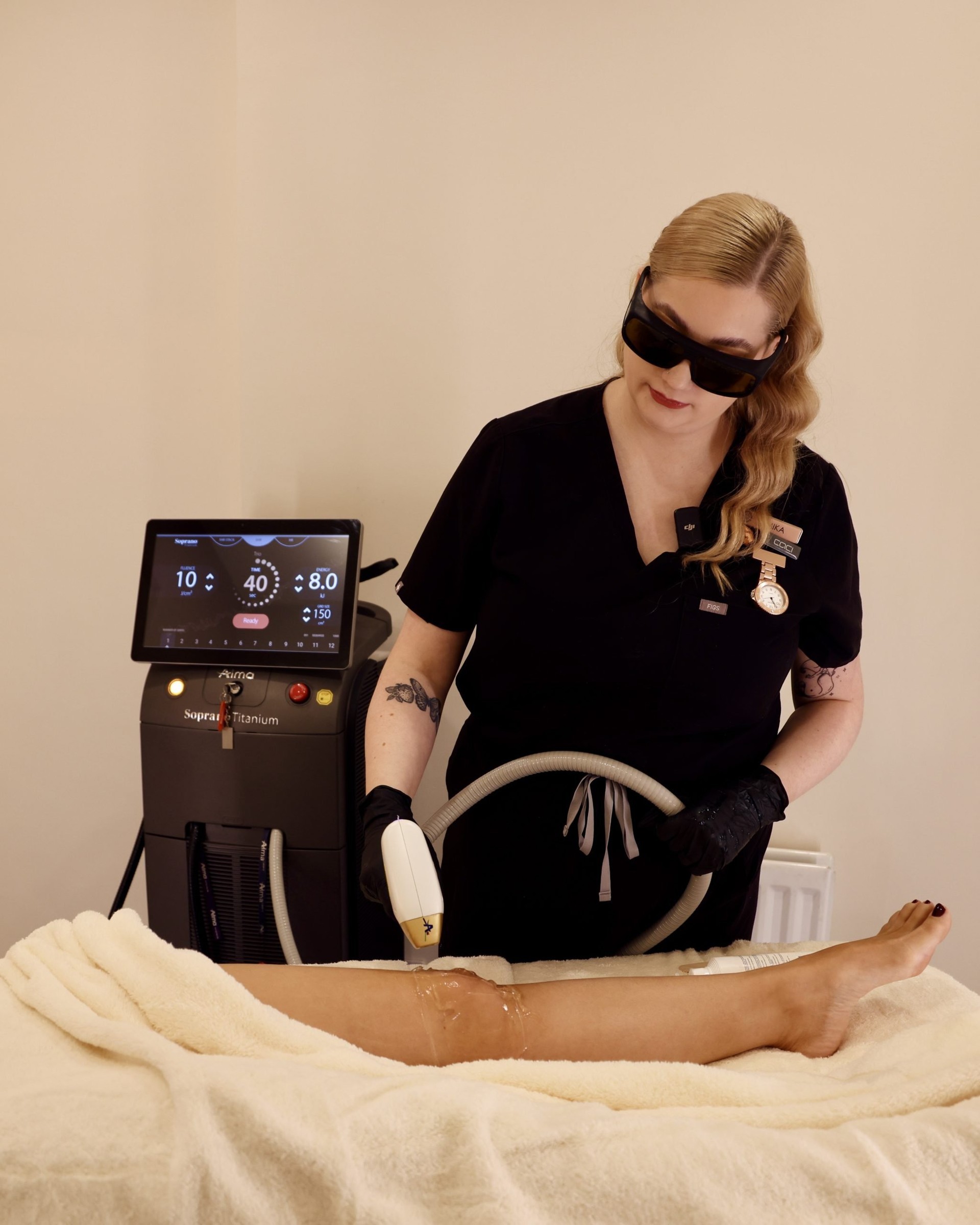
Brazilian Hair Removal: Pain, Number of Sessions and Aftercare
Brazilian hair removal is often far more painful than arm or leg treatments, and it usually takes more sessions before results show. Here is how the hair growth cycle and the skin in this area differ from other parts of the body, and how to manage the process safely.
By Dr. Kim
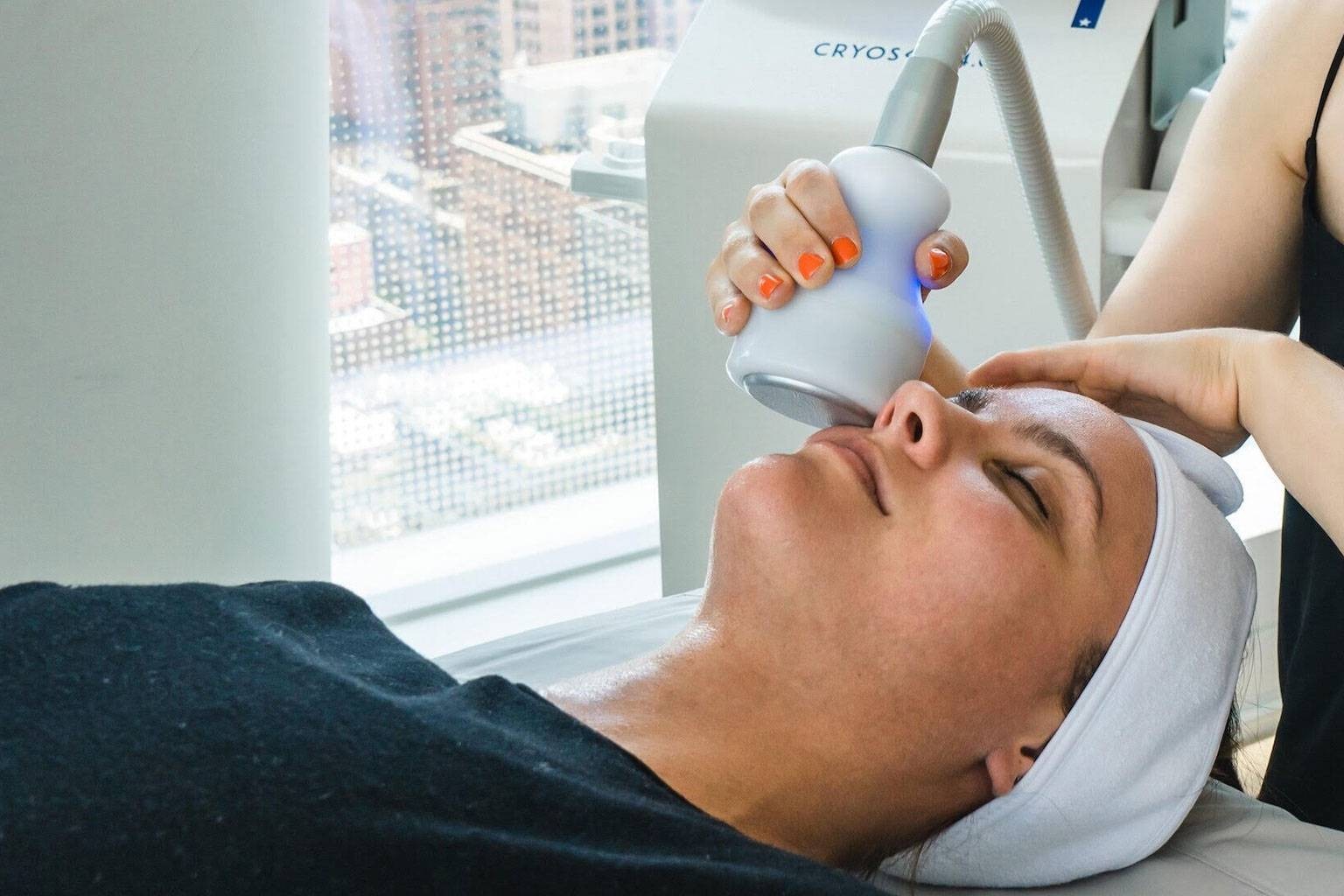
Cryo Cooling Care: Does It Help the Burning Feeling After Treatment?
Cryo cooling care uses low temperatures to constrict surface blood vessels, easing the heat and redness that follow laser or peel treatments. Here is how cold slows nerve signaling and the inflammatory response, and why that can shorten your recovery time.
By Dr. Kim
Filler Aftercare: Managing Swelling and Bruising, and How Long It Lasts
After filler injections, your skin needs time for swelling and bruising to settle and for the product to find its place in the tissue. How you handle heat, pressure, and sun exposure during this window can affect both your results and how quickly you heal. Here is a stage-by-stage guide to the aftercare that actually matters.
By Dr. Kim