Filler Aftercare: Managing Swelling and Bruising, and How Long It Lasts
By Dr. Kim7 min read
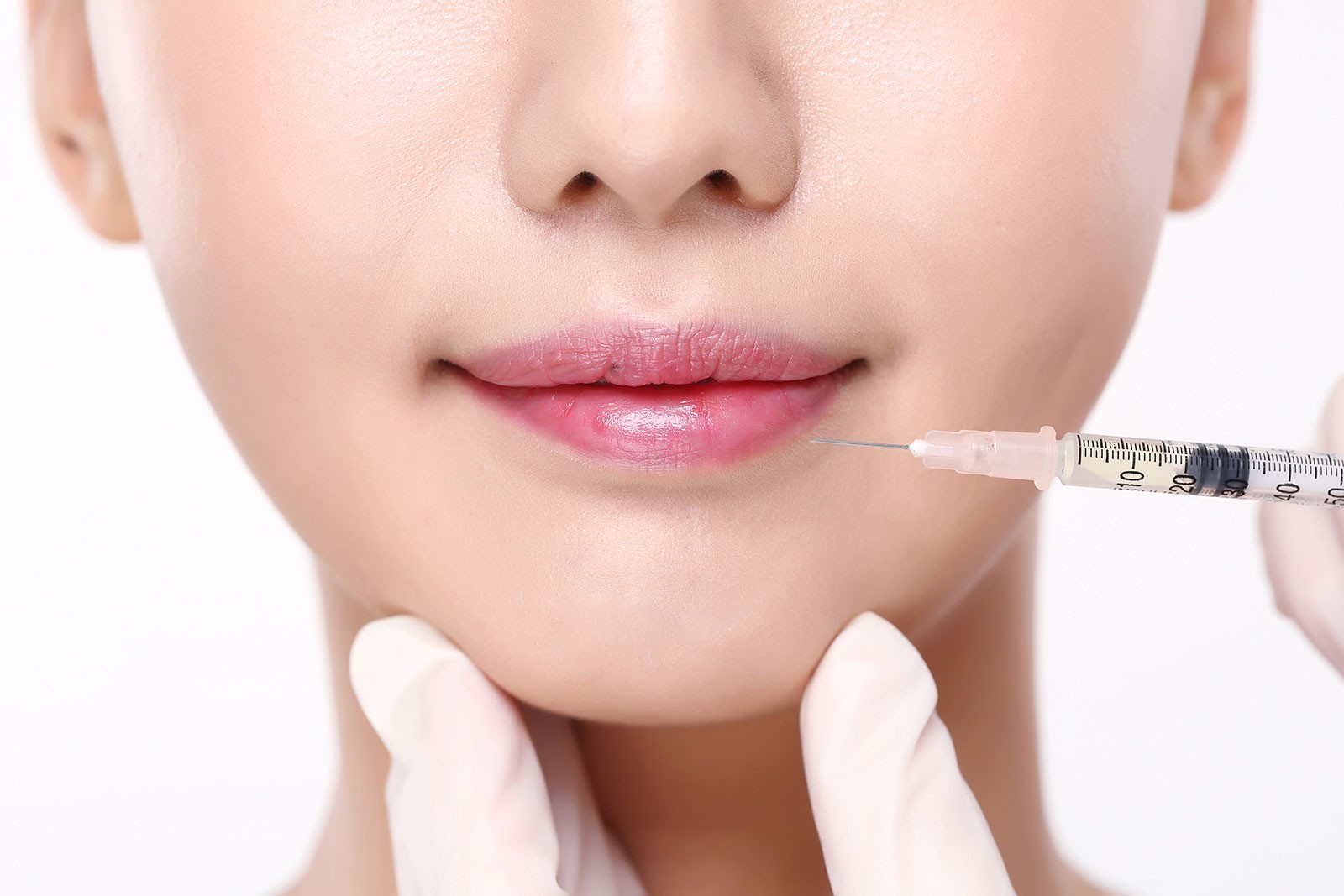
Right after a filler treatment, most people notice the volume the moment they leave the chair. But the real result does not come together until weeks later, once the tissue has had time to settle. What you do (and avoid) during that recovery window changes how fast the swelling and bruising fade, and how long the filler stays where it was placed. Here is what to keep in mind, in order, from the first day through the following weeks.
Why do swelling and bruising appear after filler?
When filler is injected, a fine needle or cannula (a thin, blunt-tipped tube used for injections) passes through the tissue just beneath the skin. Along the way, it nudges or brushes against tiny blood vessels, and your body reads that as an injury and sends fluid to the area to start healing. That is why swelling is usually the first thing you notice.
Bruising happens for a slightly different reason. If the needle nicks a tiny capillary, a small amount of blood leaks under the skin, and that is what shows through as a red or purplish mark. On top of that, hyaluronic acid (HA), the main ingredient in most fillers, naturally draws in water, so you may look more swollen than you actually are for the first day or two. This early swelling and bruising is a normal part of healing, and how much you get depends a lot on your own blood vessel pattern and skin thickness. Areas where vessels sit close to the surface, like the lips or under the eyes, tend to bruise more visibly even with the same technique.
When should you switch from cold to warm compresses?
For the first day or two, reach for cold first. Cold temperatures narrow the blood vessels, which limits how much blood can leak out in the first place, so it helps keep bruising and swelling from building up. Just avoid putting ice directly on the skin, since that can damage the tissue. Wrap it in a thin cloth and apply it in short sessions instead.
After about two days, the picture changes. By then, your body is busy absorbing and clearing the blood pigment that has already leaked out, and increasing blood flow to the area actually helps with that. Warm compresses boost circulation, which helps clear the remaining bruise faster. So switching from cold to warm at the right point makes a real difference in how quickly you recover.
How many days should you avoid workouts and saunas?
Intense exercise raises your heart rate and blood pressure. Higher blood pressure means more pressure inside the vessels themselves, which can push more blood out of capillaries that are already weakened from the injections. That is why it is best to skip high-intensity workouts for the first day or two after treatment.
Saunas, steam rooms, and hot showers are worth avoiding for a similar reason. Heat widens blood vessels and increases blood flow, which can make swelling and bruising worse rather than better. It is also thought that extra blood flow and swelling around filler that has not fully settled yet can nudge the product slightly out of place. So it is safer to steer clear of hot environments for a couple of days to a week or so.
How to keep filler from shifting
Filler settles into a small pocket created along the needle's path. If you press or rub that area firmly before it has fully stabilized, the product, which has not fully set yet, can shift sideways and end up somewhere other than where it was placed. This kind of shift is commonly called filler migration.
For a while after treatment, avoid scrubbing the area when washing your face or applying makeup. Anything that presses steadily on the treated area, like glasses or a tight mask strap, is worth adjusting so it puts less pressure on the spot. The one exception is when your provider specifically asks you to gently shape the area yourself. Outside of that instruction, it is best to follow your clinic's guidance rather than massaging on your own.
Do alcohol and painkillers affect bruising?
Alcohol widens blood vessels on its own, which increases blood flow. It also interferes with clotting, the process that stops bleeding once it starts, so any blood that leaks out takes longer to stop. Put those two effects together and it is easy to wake up the morning after drinking with a noticeably bigger bruise. That is why it is a good idea to skip alcohol for about a day before and after treatment.
Painkillers like ibuprofen and aspirin work in a similar way. They interfere with platelets clumping together to seal off small injuries, which slows down how quickly bleeding stops. If you need something for pain, switching to a painkiller without this effect is generally recommended, and it is worth checking with your provider before taking anything.
Signs you should go to the clinic right away
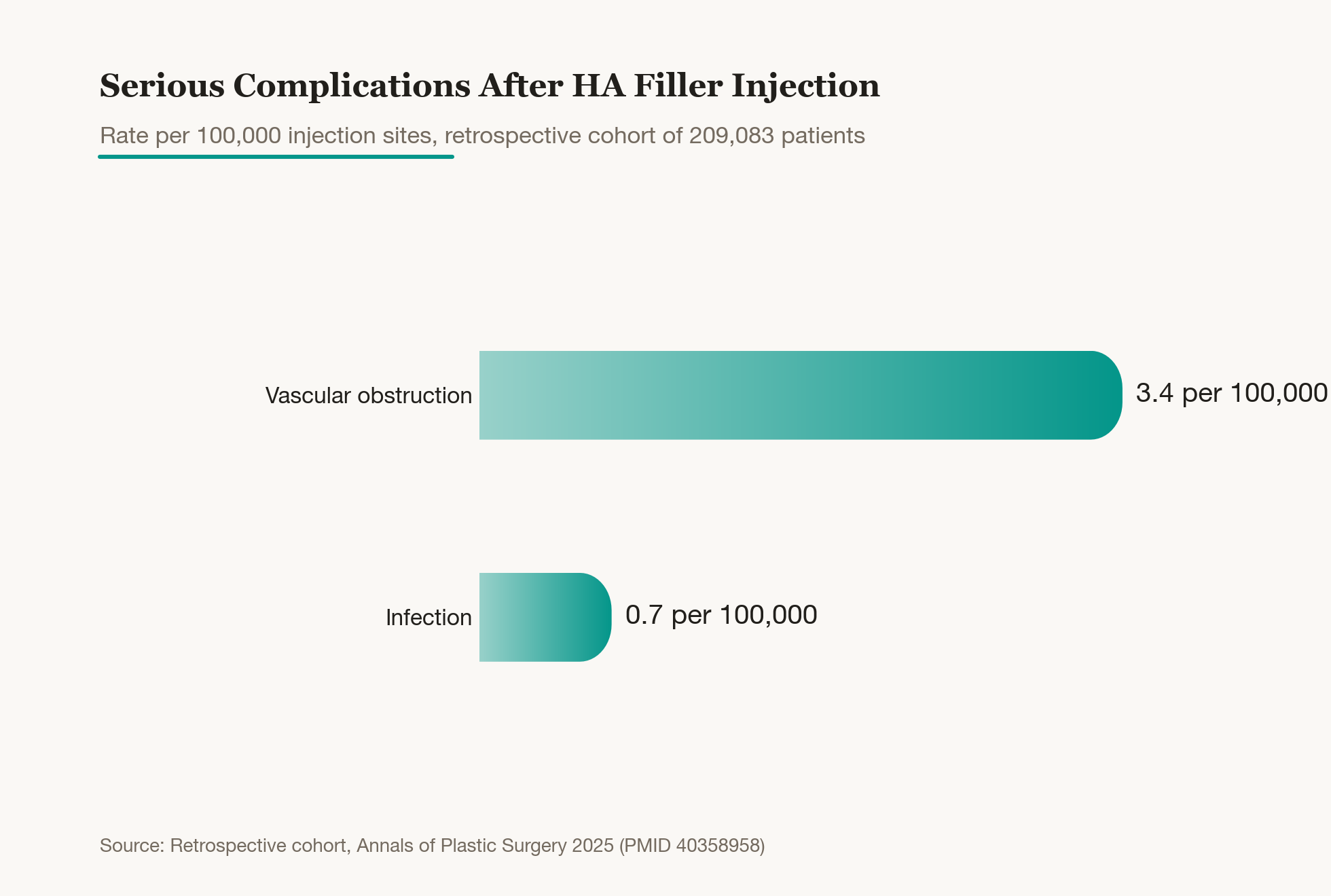
Swelling and bruising usually settle down within a few days, and the final result is typically visible around the two-week mark. In rare cases, though, the following signs are not part of a normal recovery, and you should contact your provider right away if you notice them.
- Pain that keeps getting worse instead of better: this can happen if filler is accidentally pressing on or blocking a blood vessel, cutting off blood supply to the area.
- Skin turning pale, purplish, or mottled: when a blocked vessel keeps oxygen from reaching the skin, the color changes first, making it an early warning sign of blocked blood flow.
- Blurred vision or severe headache after treatment near the eyes: if the blockage reaches vessels that supply the eye, it can affect your vision, which makes this the most urgent sign to act on.
- Warmth at the swollen site along with pus or fever: this can point to a bacterial infection.
If blood flow is blocked, the usual response is to inject hyaluronidase (an enzyme that breaks down HA filler) directly into the area to quickly dissolve the filler and reopen the vessel. So if you notice any of these signs, do not wait it out. Reaching out right away makes a real difference in recovery.
Sun protection and how long results last
UV exposure gradually breaks down collagen in the skin, and on skin that still has some bruising, it can also make the discoloration settle in more deeply. That is why it is worth being extra diligent about sunscreen after treatment. It protects skin that is still healing and helps any remaining bruise fade evenly.
Over time, enzymes that are naturally present in the body gradually break the filler down, so the effect fades on its own. Results are generally said to last somewhere between 6 and 12 months, though the exact timing varies with your metabolism, the treated area, and how much was injected. Along with sun protection, everyday habits like not smoking and staying well hydrated are said to help keep your skin in good shape while the results last. As the maintenance window approaches, talking with your provider about the right time for a touch-up helps keep results looking natural without any noticeable dip. Since breakdown speed varies a bit depending on the treated area, the amount injected, and the specific product used, it is safest to confirm your exact touch-up timing directly with your provider.
References
Korean Dermatological Association, American Academy of Dermatology (AAD), and Ministry of Food and Drug Safety (MFDS).
Was this helpful?
About this article
Written by a practising aesthetic physician and intended for general education — not a substitute for individual medical advice.
Read next
Filler Migration and Lumps: Causes, Under-Eye and Lip Differences, and Prevention
Right after a filler treatment, the product sits exactly where it was placed. But over time it can shift position or bunch up in certain areas. Here is the physical reasoning behind that migration, along with ways to reduce it at both the treatment stage and the aftercare stage.
By Dr. Lee
Radiesse Filler: Results, How Long It Lasts, and Collagen Production
Radiesse is a filler whose calcium microspheres fill volume instantly while also triggering new collagen production. Here is a mechanism-focused look at why the particles create volume, how that leads to collagen stimulation, why diluted Radiesse is used as a skin booster, and how long results actually last.
By Dr. Lee
Swelling, Bruising, and Downtime After Treatment: How Many Days Does It Take?
The questions people ask most when downtime is the biggest worry before a treatment. What downtime actually means, why recovery time differs by procedure, how long redness and bruising last, when you can wear makeup again, when to resume exercise and sauna, and how to speed up recovery.
By Dr. Lee