5 Treatments for Enlarged Pores: Results and Recovery Time Compared
By Dr. Kim10 min read

Enlarged pores are one of the most common concerns I hear in the clinic. Patients describe visible pores along the sides of the nose and cheeks that make the skin look rough even under foundation. Search online and you'll find contradictory advice: laser is the answer, radiofrequency is better, or pores can't be reduced at all. It's genuinely hard to know what to believe.
I've put together five treatments that are commonly used and have demonstrated results in actual practice. I'll lay out honestly what makes pores look enlarged, what each procedure specifically changes in the skin, and the research numbers alongside their limitations. No inflated statistics, no claims that pores disappear completely. The goal is to give you a grounded reference for choosing what fits your skin and lifestyle.

Can pores really be removed?
Pores are small openings on the skin's surface connected to the hair follicle, where sebum is also secreted. The pore itself cannot and should not be removed; it's a structural part of the skin. The problem is that certain conditions make them appear much larger than they actually are.
Three main factors make pores look bigger. When sebum production increases, the pore fills up and the opening appears wider. When collagen and elastic fibers around the pore decrease, the surrounding tissue loosens (like a taut elastic band that has stretched out). Repeated UV exposure accelerates this process. And when old dead cells and sebum harden and plug the pore opening, it looks even more prominent and distended.
Treatments work by addressing these three factors: rebuilding collagen around the pore to restore tightness, reducing sebum production, or clearing keratin plugs.
That said, the pore size you inherit genetically cannot be permanently altered. As long as sebum continues to be produced and UV exposure continues, pores gradually return to their previous appearance. Research consistently recommends maintenance between 6 and 12 months after treatment. Improvement is achievable, but the tendency to revert doesn't go away.
Why is microneedle radiofrequency the most used?
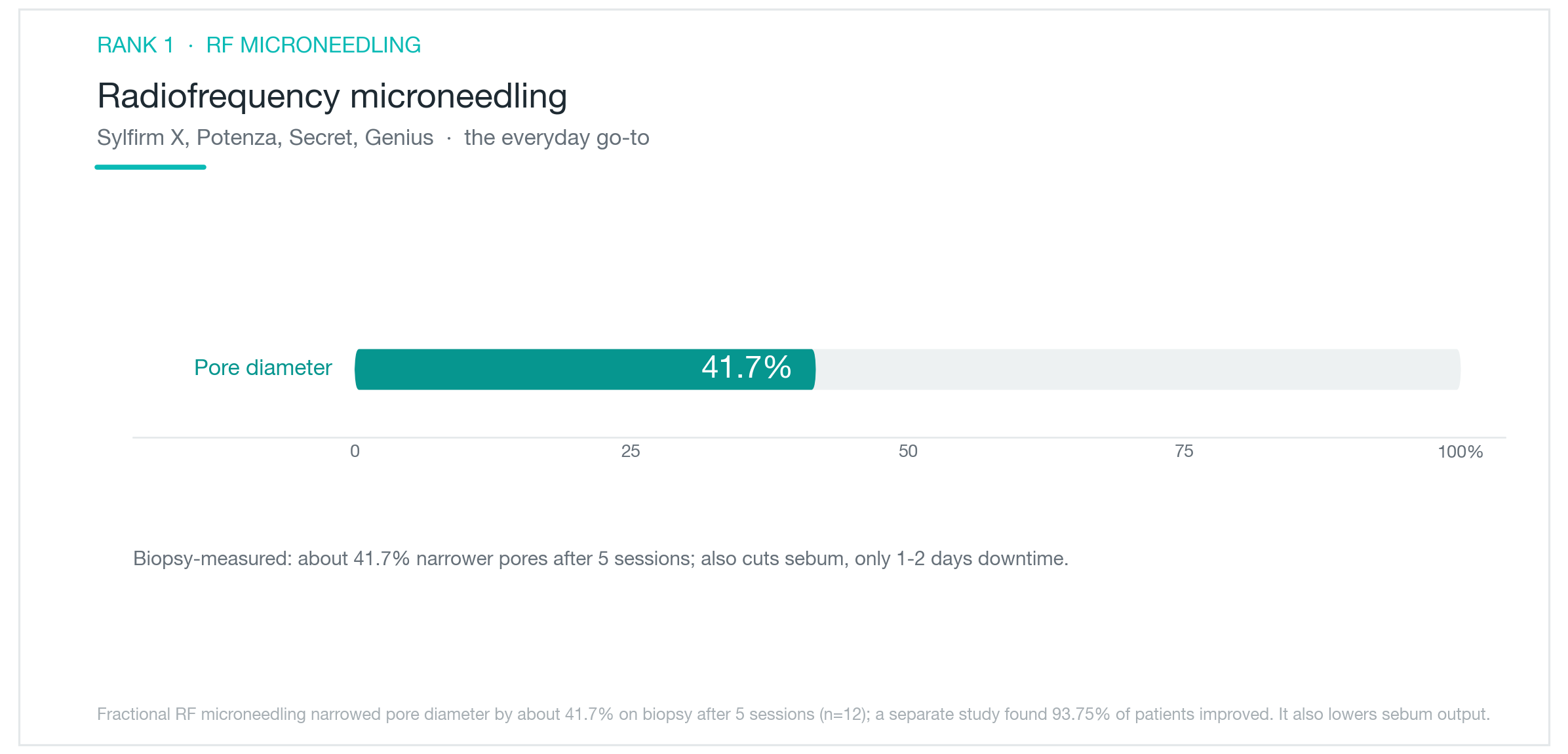
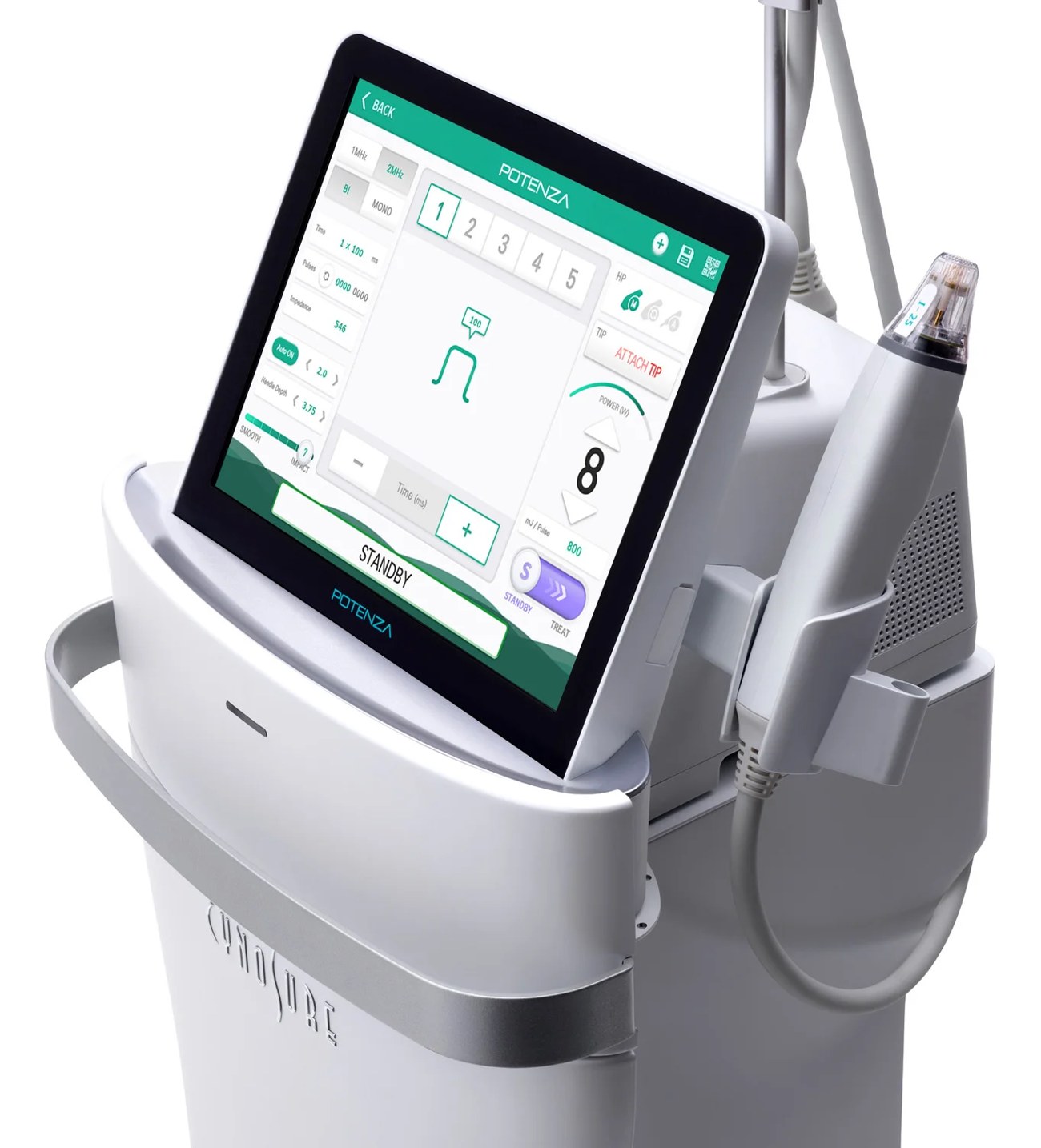
Walk into a dermatology clinic for pores and RF microneedling is almost certainly what you'll be offered. It goes by names like Sylfirm X, Potenza, Secret, and Genius. Very fine needles are inserted into the skin, and radiofrequency heat is emitted only from the needle tips, deep in the dermis. Because the epidermis is barely touched, recovery is quick.
There's a clear reason it works so well for pores. The heat in the dermis triggers new collagen formation, which tightens the walls of previously loose pores. On top of that, the sebaceous glands are directly stimulated to produce less oil. Two major causes of enlarged-looking pores, collagen loss and excess sebum, are addressed in a single session.
The numbers are solid. After five sessions, tissue biopsy measurements showed an average 41.7% reduction in pore diameter (n=12). A separate study reported improvement in more than 9 out of 10 participants. The sample sizes are small, so that's worth noting, but these are direct tissue-level measurements, which adds credibility. Recovery takes one to two days and pigmentation risk is low, making this the first recommendation for oily, enlarged-pore skin. A typical course is three to five sessions spaced a month apart, followed by maintenance once every six months or so.
Picosecond laser with short recovery
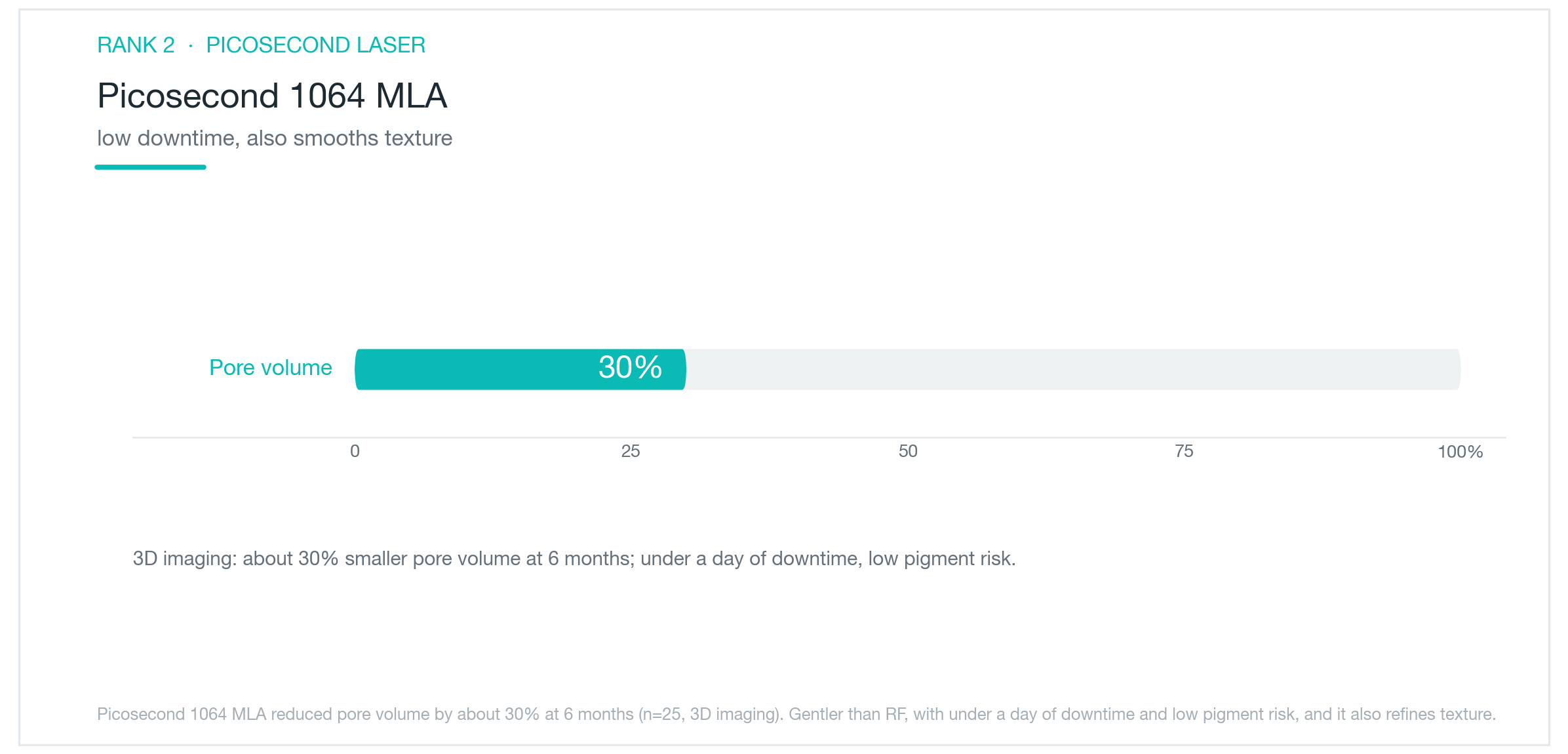
Picosecond laser delivers intense bursts of energy in extremely short pulses. When a 1064nm wavelength is paired with a special MLA (micro-lens array) attachment, it creates micro-injury in the dermis with minimal surface disruption. Recovery is typically under a day, and pigmentation risk is low.
A 3D volumetric study measured a roughly 30% reduction in pore volume at six months (n=25). It's not quite as pronounced as RF microneedling, but there's almost no redness or crusting afterward, making it genuinely easy to fit into a busy schedule. It's also a natural fit for people who want to address fine lines and dull texture alongside their pores.
It's a comfortable option for laser newcomers, with lower pain and minimal downtime. It's particularly practical for East Asian skin types prone to post-inflammatory hyperpigmentation. It's also a good fit for people who prefer steady, low-burden maintenance over aggressive single treatments. Picosecond laser was originally designed for pigmentation and tattoo removal; with the right lens, it extends seamlessly to pore and texture refinement. A full face takes 10–20 minutes with topical numbing cream, and most people handle it easily. If you're dealing with pores, pigmentation, and fine lines all at once, this is a particularly convenient option.
Do CO2 lasers last longer?
Fractional CO2 laser is the most aggressive of the three. Carbon dioxide laser energy is fractionated into thousands of micro-columns that create actual channels in the skin. This drives a strong collagen remodeling response.
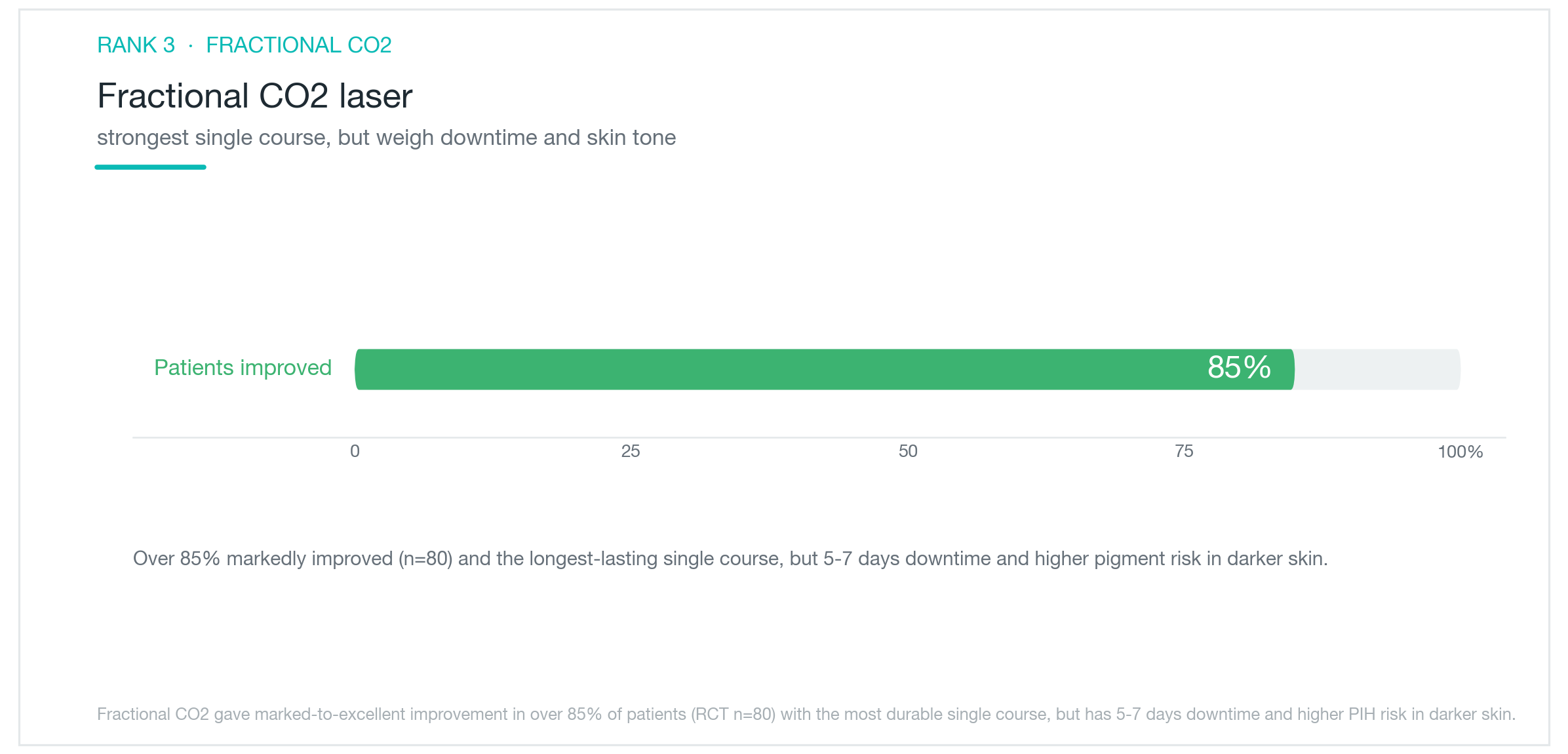
In one randomized study (n=80), more than 8 in 10 patients showed clear improvement, and the results from a single treatment tend to last longer than other options. It's generally considered the most durable single-session option for pore reduction.
The trade-off is downtime: expect 5–7 days of crusting and healing. There's also a meaningful risk of post-inflammatory hyperpigmentation in darker skin tones. If you have the lighter-to-medium brown skin common across East Asia, this is worth weighing carefully. It's the right choice if the pores are notably deep, you want a significant change, and you can realistically take time away from daily life. Diligent sun avoidance and moisturizing during recovery can substantially reduce the pigmentation risk. A common approach now is to try picosecond or RF microneedling first and add CO2 if results feel insufficient. Since the treatment is powerful, practitioner experience and precise energy calibration make a real difference in outcomes.
How does Juvelook work on pores?
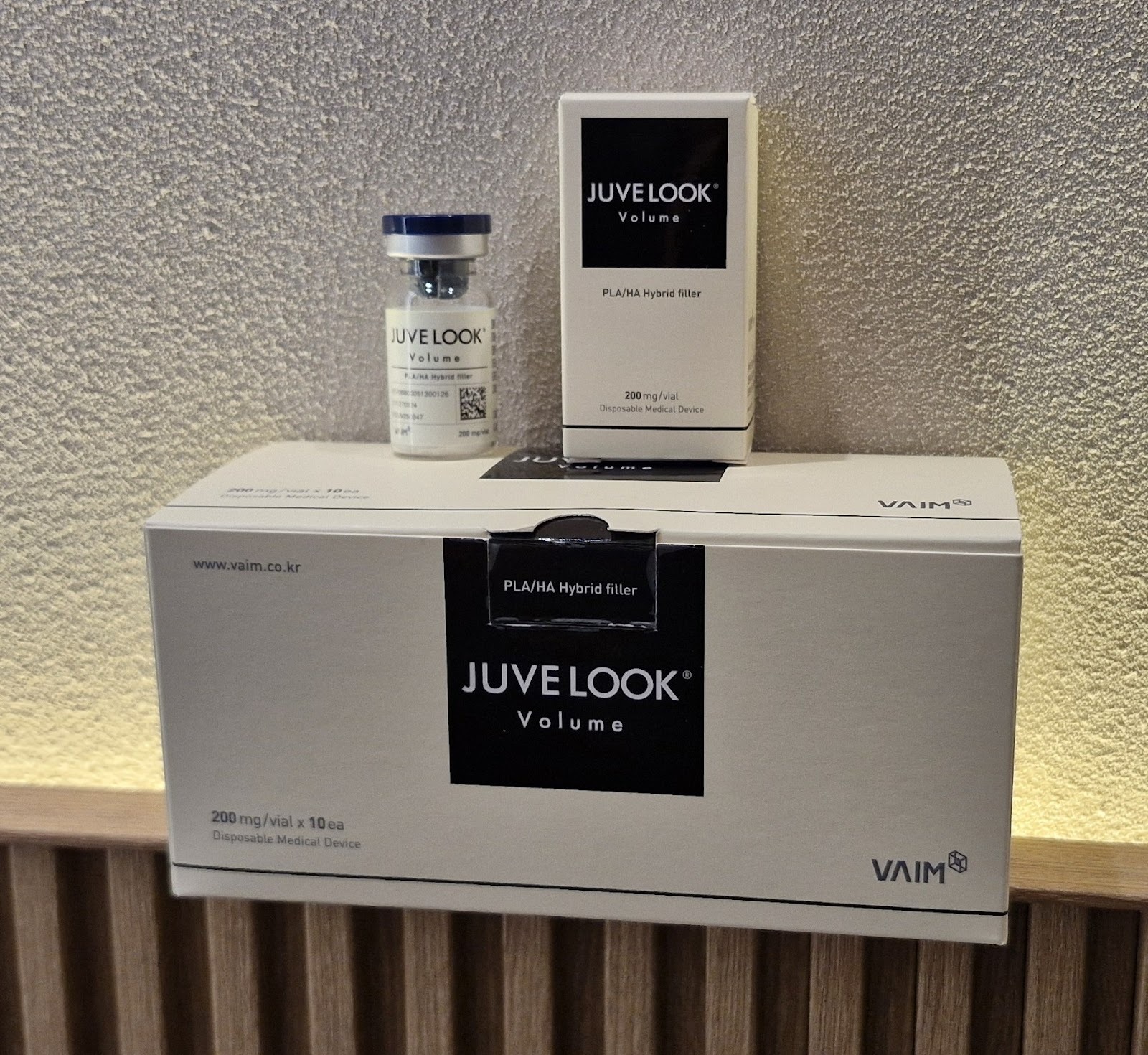
Juvelook is a collagen booster combining PLLA (the same material used in dissolvable sutures) and hyaluronic acid. Injected into the skin, it slowly dissolves and stimulates new collagen synthesis. It isn't specifically designed for pores, but as the dermis around the pore firms up, the previously loose pore opening naturally appears tighter.
Unlike laser or RF microneedling, which tighten through heat, Juvelook works by rebuilding support from within. Many people notice a smoother, more even skin texture alongside any pore improvement. It's typically given in two to three sessions spaced one month apart, with gradual improvement over time.
This makes it a good fit for people who prefer subtle, natural-looking improvement rather than a dramatic change. If overall facial firmness and fine lines are also a concern alongside pores, it pairs nicely with laser treatments. The pore effect is gentler compared to RF microneedling or laser, so setting realistic expectations matters. It's especially well-suited when fine pores are spread across a broad area like the cheeks, where filling the dermis evenly produces a more natural result than targeting one zone. Collagen boosters have been steadily gaining popularity in clinics.
Does skin botox help with shine too?
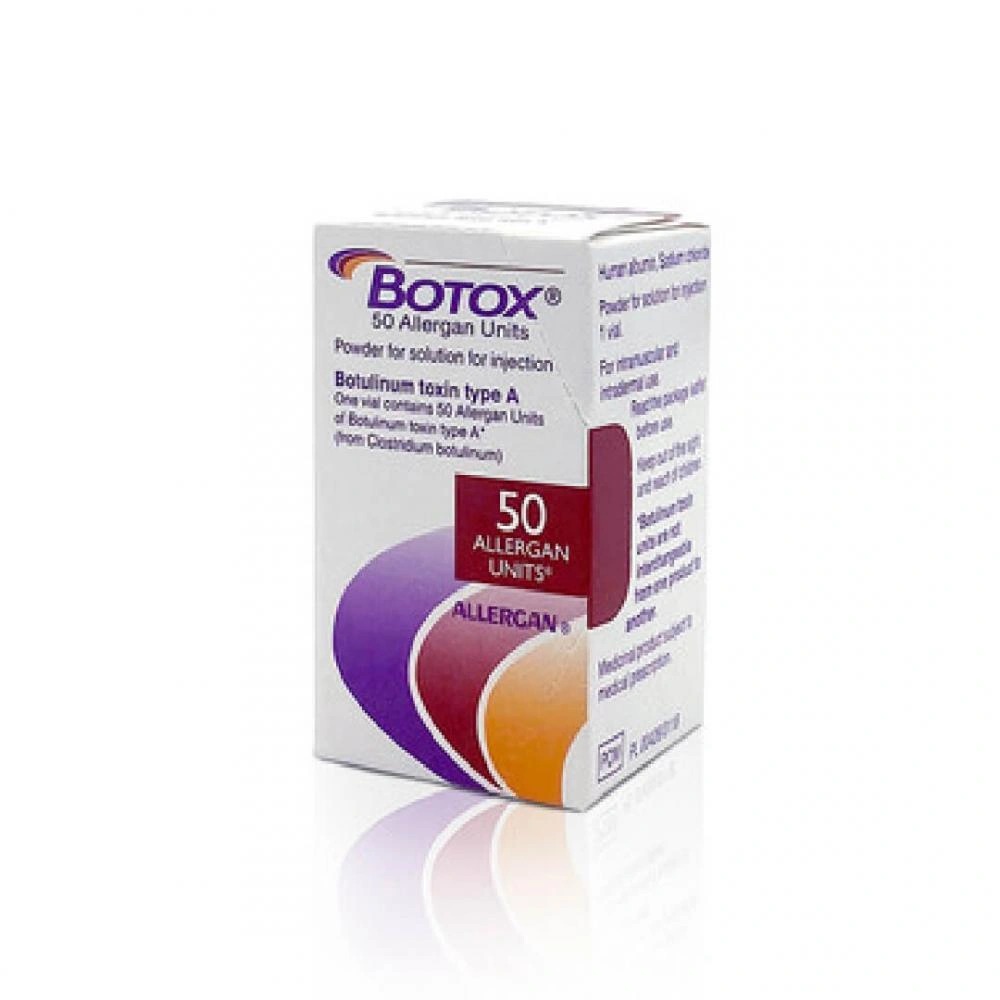
Skin botox (also called microbotox) uses botulinum toxin diluted to a very low concentration and injected in multiple small points across the superficial skin layer. Unlike conventional botox, which relaxes large facial muscles, this works on the tiny arrector pili muscles and sebaceous glands in the skin.
The mechanism is fairly straightforward: the toxin reduces sebum secretion and relaxes the muscle tension that keeps pores open and prominent. Studies of intradermal microbotox have reported reductions in sebum production and visible pore size.
The effect gradually fades over a few months, so repeat sessions are needed. But because the injections are so superficial and mild, there's almost no redness or downtime. It's a particularly welcome option for oily skin types bothered by both shine and enlarged pores. People who find makeup lifting and midday oiliness frustrating tend to respond well. It's also a quiet, virtually invisible option for those who want maintenance without obvious post-treatment signs. It layers well with other pore treatments, and combining it with laser is a common pairing.
How far can the numbers for each treatment be trusted?
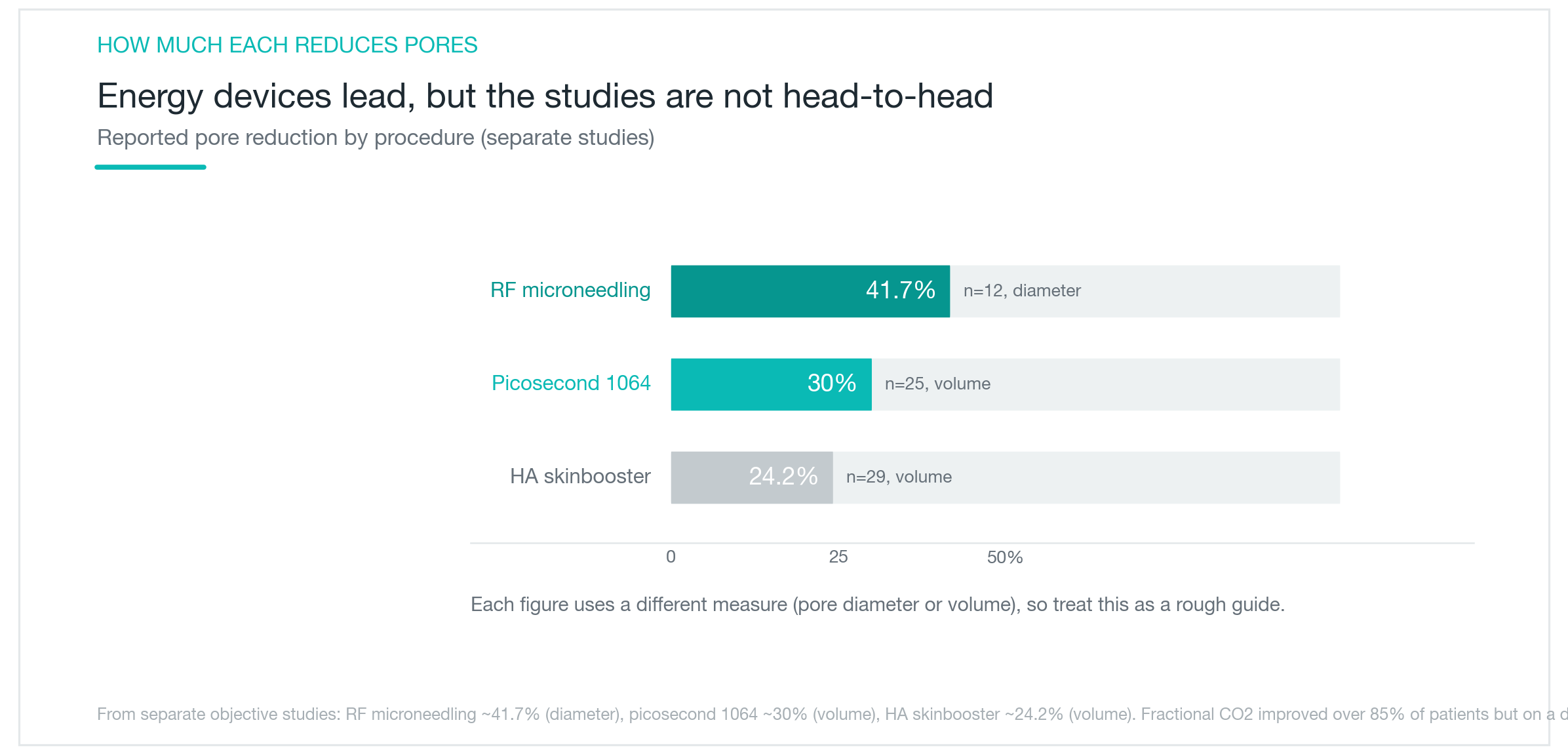
The chart shows reported improvement figures for each treatment. RF microneedling leads at 41.7%, followed by picosecond laser at 30% and HA skin booster at 24.2%. Fractional CO2 uses a different metric (over 85% of 80 participants showed clear improvement) and is best referenced separately.
These figures come from different studies using different measurement methods. RF microneedling used tissue biopsy to measure pore diameter. Picosecond laser used 3D imaging to measure pore volume. The HA skin booster research measured the pore-reducing side effect of hydration and elasticity improvement. No study has directly compared all of these treatments under the same conditions, so it wouldn't be accurate to read the chart as a straightforward head-to-head ranking.
Study scale matters here too. The RF microneedling figure is the highest but comes from just 12 participants. The HA skin booster figure is the lowest, but that's because it's measuring a secondary effect of a hydration treatment, not a pore-dedicated procedure. Most studies in this area are fairly modest in scale, involving 12 to 80 participants with follow-up around six months. The chart is a rough size-and-rank reference, not a definitive comparison. What suits your skin type and recovery availability is a separate question worth discussing with your treating physician.
Choosing by skin tone and recovery time
The two most practical starting points are skin tone type and how much downtime you can realistically manage.
Most East Asian skin falls in the Fitzpatrick III–IV range. For this group, RF microneedling and picosecond laser are usually recommended before considering aggressive ablative CO2. Both have one-to-two day recovery and low pigmentation risk, making them compatible with everyday life. RF microneedling is the stronger choice for oily, enlarged-pore skin. Picosecond laser is better if you also want texture refinement or have limited time for recovery. CO2 laser has the best durability but requires accepting 5–7 days of downtime and some pigmentation risk. If you'd rather manage things gradually with injections, Juvelook and skin botox are a practical pairing. Juvelook builds collagen around the pore from within; skin botox targets sebum and shine. Using laser or RF microneedling as the foundation and adding injections covers the gaps each modality leaves.
At-home care plays a supporting role. Retinoids and niacinamide-based products have evidence behind them for sebum regulation and texture improvement, but they complement treatment rather than replacing it. Daily sunscreen is the single most important habit for keeping pores from re-enlarging, since UV exposure breaks down collagen and loosens the tissue around pores.
Treatment effects don't last forever. With ongoing sebum production and UV exposure, pores gradually return. Most research recommends maintenance within 6–12 months. A realistic approach: aim for improvement over three to five initial sessions, then maintain with one to two sessions a year. Talking through your skin type and lifestyle with your doctor is the most reliable path to results you'll actually be happy with.
Was this helpful?
About this article
Written by a practising aesthetic physician and intended for general education — not a substitute for individual medical advice.
Read next
Dark Circle Treatment: Pigmented or Structural, Which Type Is Mine?
How to check at home whether your dark circles are pigmented, vascular, or structural, which cosmetic treatments work for each type, what clinical studies actually show about results, the real risks of under-eye filler, and why treating the wrong type means little to no improvement.
By Dr. Kim
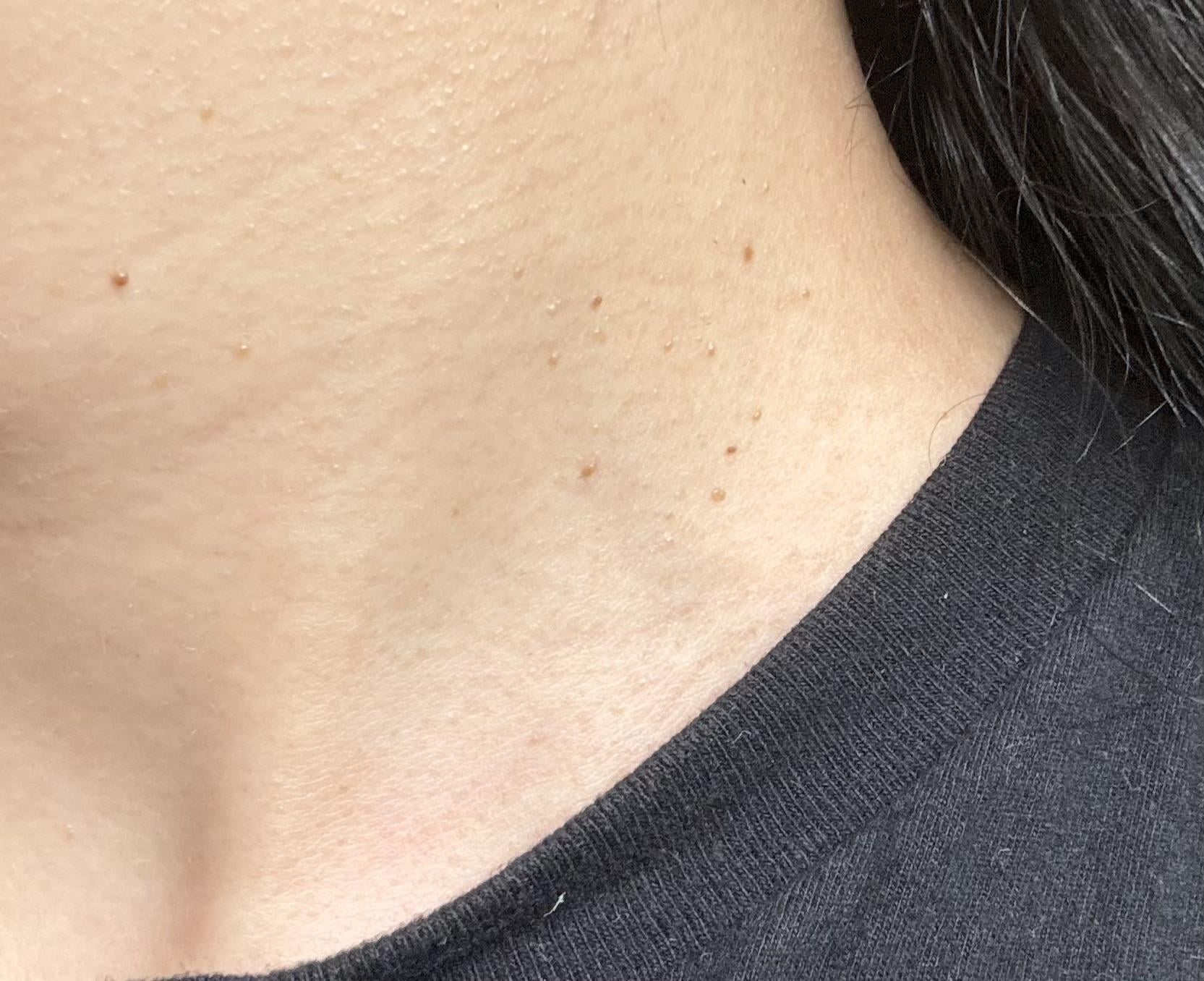
Skin Tag Removal Methods: Types of Laser and Pigmentation Care
What those small soft bumps on your neck, underarms, or eyelids actually are, how to tell them apart from milia and warts, how to choose between Er:YAG, CO2 laser, electrocautery, and cryotherapy based on size and location, how to keep pigmentation down, and what the research says about their link to diabetes and metabolic syndrome, all explained simply with real study numbers.
By Dr. Lee
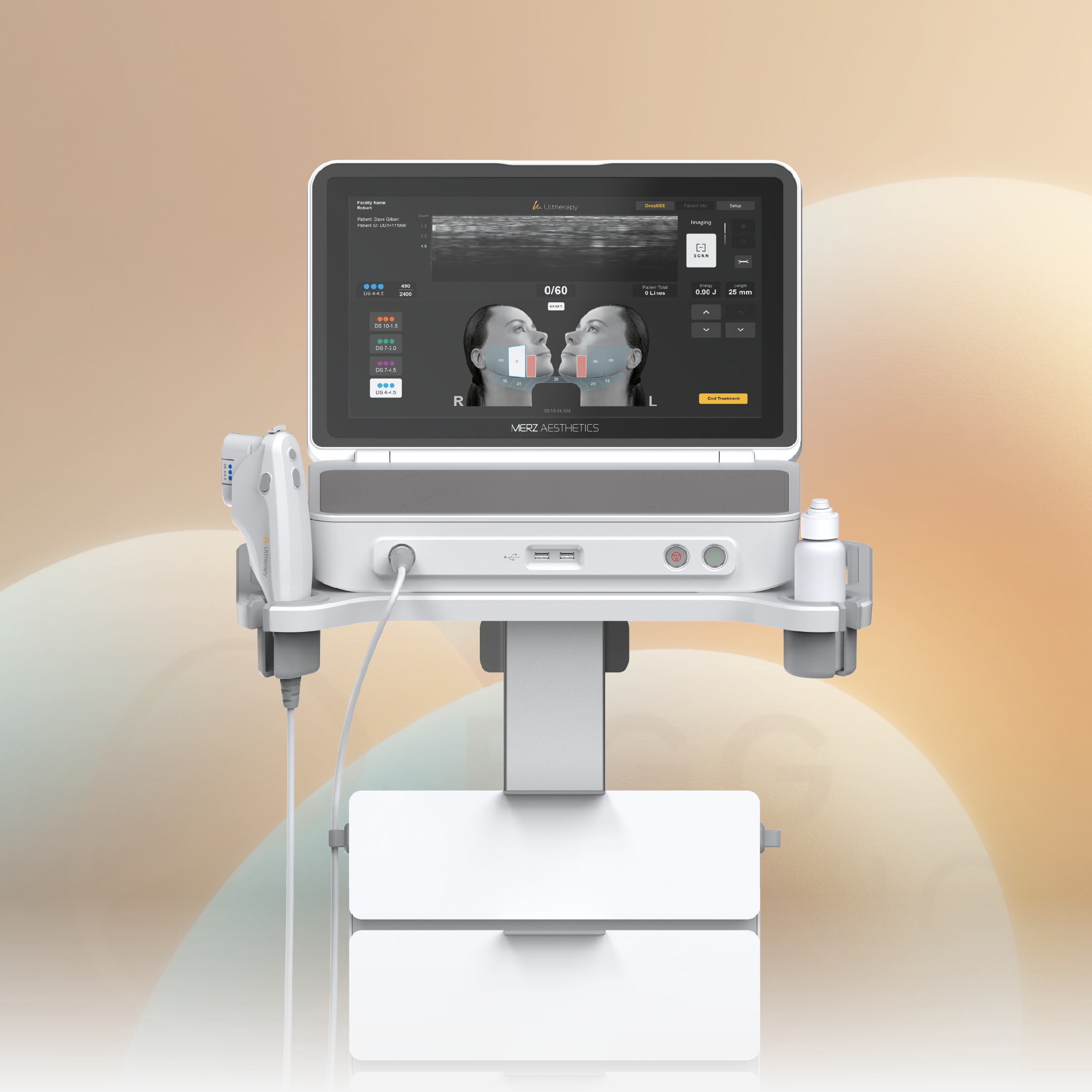
Ultherapy, Shurink, Sofwave, and Linear Z: Differences and Effects Compared
Ultherapy, Shurink, Sofwave, and Linear Z are all marketed as HIFU lifting treatments, but the differences in penetration depth, real-time imaging, and clinical evidence are substantial. An honest breakdown of how deep each device reaches, why SMAS stimulation matters, what the evidence actually shows on efficacy and pain, and how to choose based on your specific concern.
By Dr. Kim