Dark Circle Treatment: Pigmented or Structural, Which Type Is Mine?
By Dr. Kim8 min read
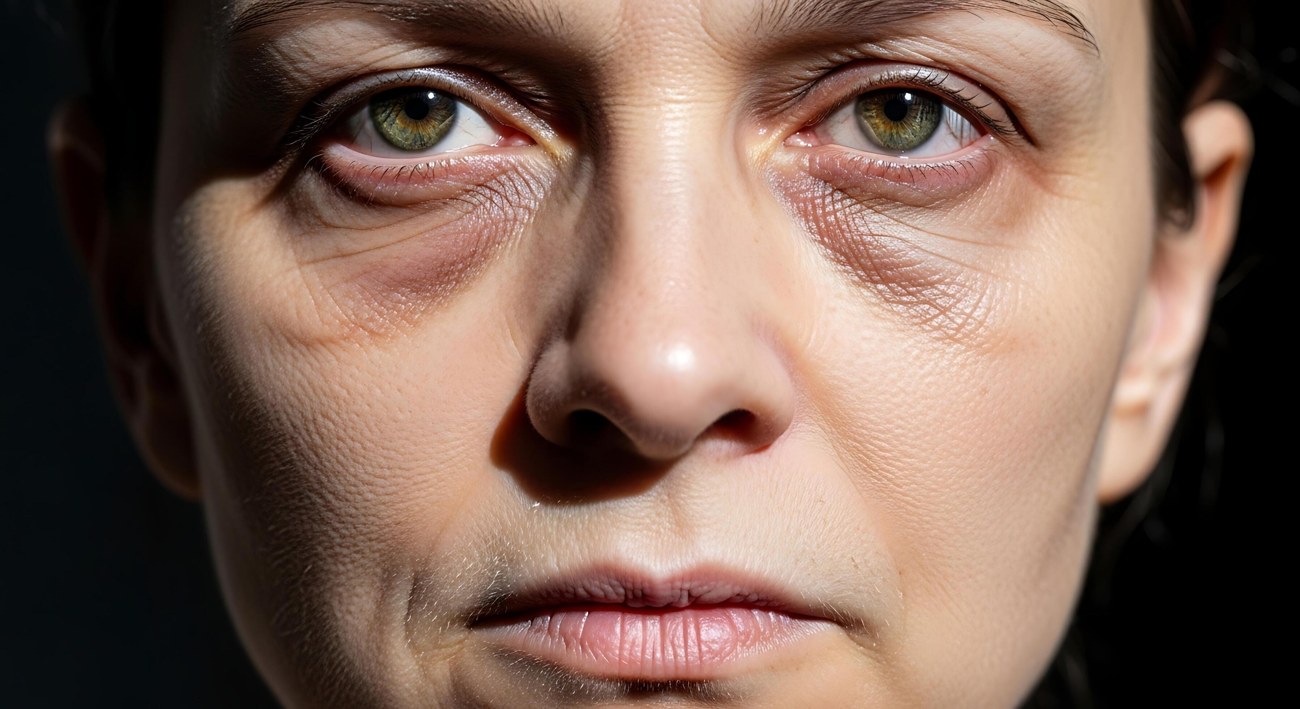
When someone comes in for dark circles, the first thing I do is figure out which type they have. They all look similar from the outside, but brown discolouration from melanin buildup under the skin, a bluish tint from blood vessels showing through thin skin, and the shadow cast by a sunken under-eye contour are three completely different problems. Same appearance on the surface, but entirely different treatment paths.
Getting the type wrong means even a good treatment won't do much. Injecting filler when melanin is the issue won't shift the pigment. Running laser sessions when the problem is a hollow contour won't change the shape. Repeating treatments that aren't matched to the cause just burns through money and leaves you with nothing to show for it. Identifying your type correctly is where everything starts.
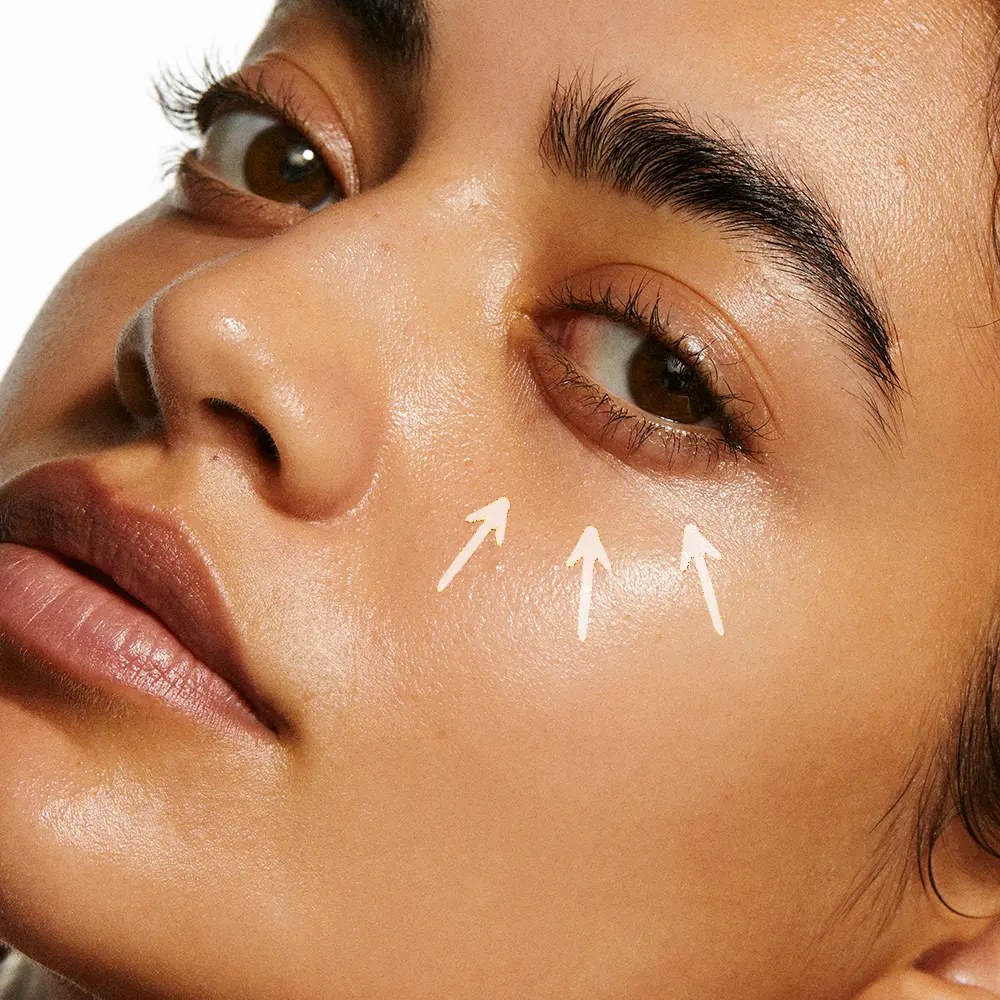
The three types of dark circle causes
Pigmented dark circles develop when melanin accumulates in the under-eye skin. They tend to look brown or tawny, and they're more common in people who get a lot of UV exposure or habitually rub their eyes. Atopic dermatitis and allergic conjunctivitis can both drive chronic eye rubbing, which speeds up pigment buildup. The colour often deepens gradually with age.
Vascular dark circles appear when the skin under the eyes is thin enough for blood vessels to show through. The colour is typically blue or purple, and it becomes more noticeable when circulation is sluggish, such as from sleep deprivation, fatigue, or cold weather. People who naturally have thin skin tend to be more prone to this type.
Structural dark circles aren't about skin colour at all. They're shadows created by a sunken under-eye contour or by protruding fat pads. The deeper the tear trough depression becomes, the darker the shadow. The appearance also shifts depending on lighting angle, which is a reliable indicator of this type.
Fitting neatly into just one type is less common than you'd expect. One study found that mixed presentations with two or more overlapping types accounted for about 78% of cases. In a Korean cohort, the overlap of vascular and pigmented types alone was seen in roughly 54% of participants. If you find it hard to pin down exactly which type you have, you're in the majority.

How to check your dark circle type at home
There are two simple self-checks you can do at home to get a rough sense of your type. Neither replaces a clinical assessment, but they can point you in a useful direction.
The first is the stretch test. Use your index finger to gently pull the skin under your eye to the side. If the dark colour stays after stretching, melanin buildup is a likely cause, pointing toward the pigmented type. If the colour noticeably lightens or fades, shadow from the contour is probably behind it, which suggests the structural type. If the dark area spreads or looks more purple when pulled, blood vessels showing through the skin indicate the vascular type.
The second is the look-up test. Tilt your gaze toward the ceiling so the under-eye skin naturally stretches upward. If the dark area visibly lightens, the structural type is a strong possibility. If there's little change, the pigmented or vascular type is more likely.
Both tests are screening tools, not diagnoses. In mixed presentations, the results can be confusing or contradictory. In a dermatology clinic, the type is assessed by looking directly at the under-eye colouration, skin thickness, and contour shape. Getting a proper assessment before committing to expensive treatment is the most efficient use of your resources.
How are pigmented dark circles treated?
The goal with pigmented dark circles is to reduce the melanin that has accumulated under the eye. Chemical peels and lasers are the main options, with topical ingredients playing a supporting role.
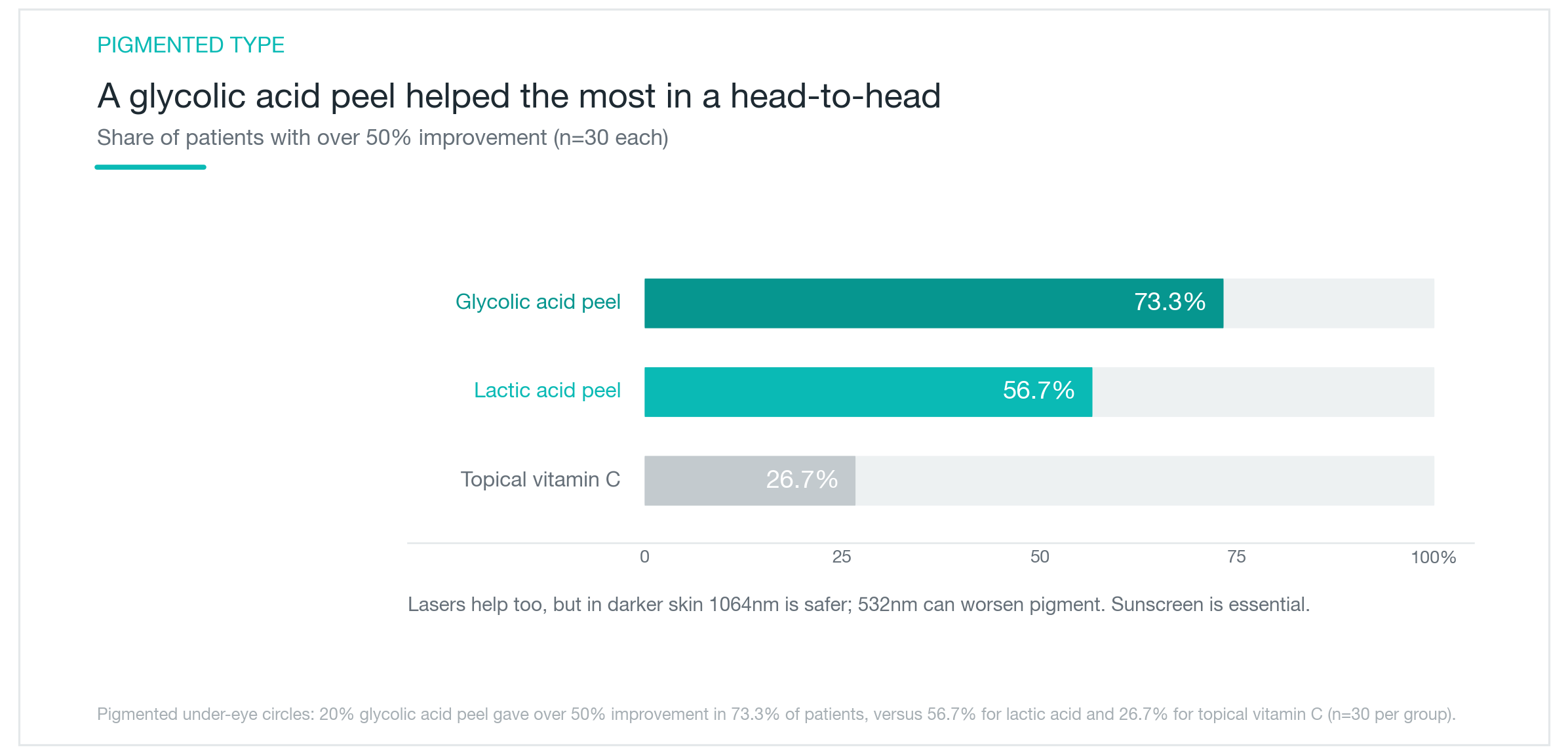
In a study using 20% glycolic acid peel (n=30), 73.3% of participants showed 50% or greater improvement. In the same study, 20% lactic acid peel produced a 56.7% improvement rate, and topical vitamin C showed 26.7%. Glycolic acid came out highest of the three. These results are before-and-after comparisons without a placebo control group, which is worth factoring in.
Laser options include Q-switched and picosecond lasers. Wavelength selection matters, especially for darker skin tones. The 532nm wavelength works quickly on pigment, but for Fitzpatrick skin types IV and above, it carries a higher risk of triggering post-inflammatory hyperpigmentation (PIH). The 1064nm wavelength is generally considered the safer option for deeper skin tones.
Topical ingredients add meaningful support when used consistently. Retinoids speed up cell turnover to help clear pigment, while tranexamic acid works to suppress the melanin production signal. The skin around the eyes is thin and reactive, so starting with lower concentrations reduces the chance of irritation. Sun protection after treatment is essential because melanin tends to return without it, making aftercare just as important as the treatment itself.
Which procedures are used for vascular dark circles?
Vascular dark circles break down into two scenarios. In the first, the blood vessels themselves are prominent beneath the skin. In the second, the skin is simply too thin to conceal the vessels. Addressing both aspects tends to produce more lasting results.
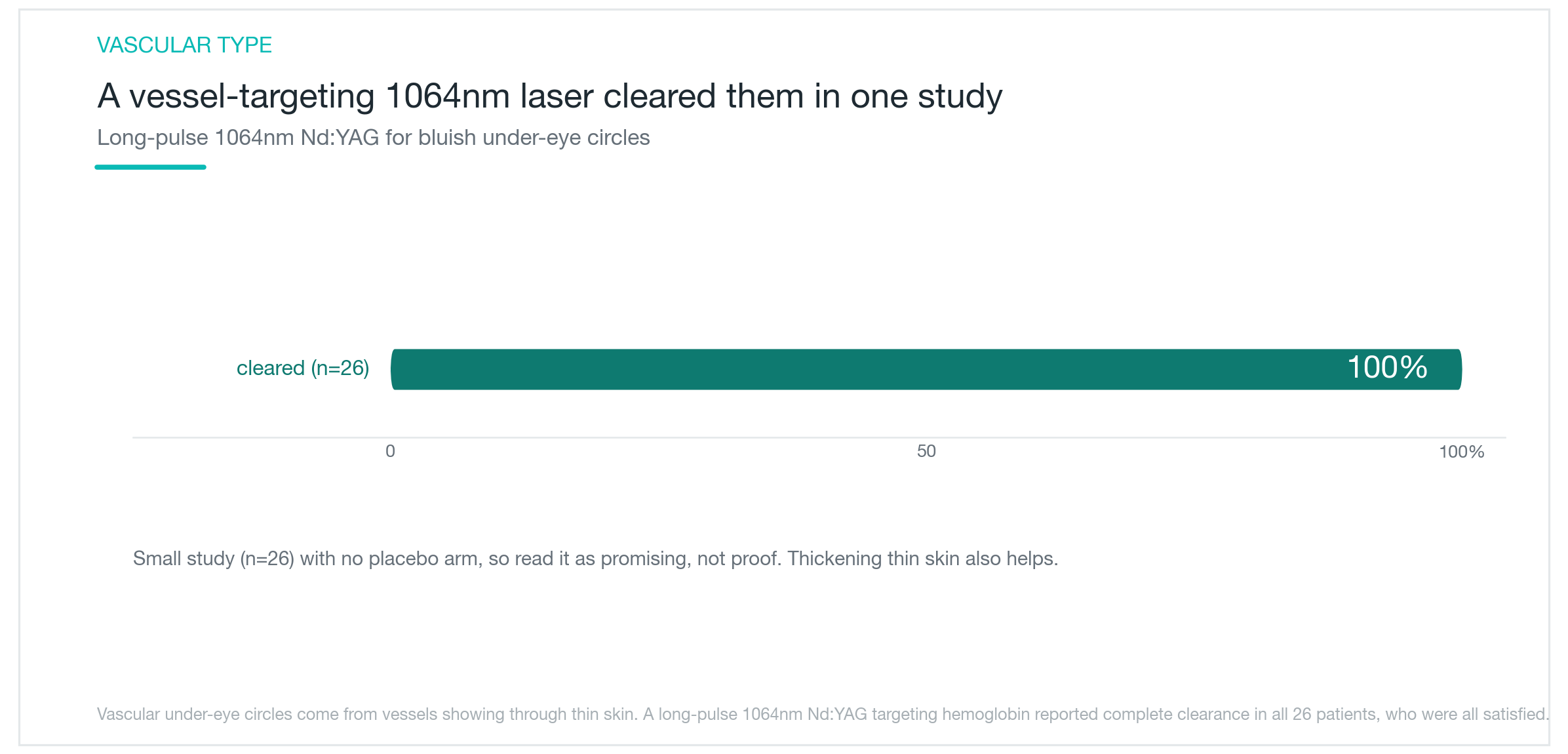
The primary laser used to target the vessels directly is the long-pulse 1064nm Nd:YAG. It works by delivering energy that is absorbed by haemoglobin, creating thermal damage to vessel walls and causing them to shrink. In one study (Dermatol Surg, 2012, n=26), all 26 participants showed clear improvement in vessel colouration, and every participant reported satisfaction in the follow-up survey. It is a small, single-site study, but it illustrates what targeted vascular treatment can achieve.
Building up skin thickness is a complementary approach. Small amounts of HA skin booster injected into thin under-eye skin can increase the depth of the dermal layer, making vessels less visible. Regular use of retinoids also supports skin thickness over time.
Most laser research on vascular dark circles uses before-and-after comparisons without placebo controls. The supportive evidence exists, but the overall evidence base is still relatively limited. Response to treatment also varies from person to person, since vessel prominence and skin thickness differ quite a bit between individuals.
Structural dark circles: are there filler side effects?
Since structural dark circles are caused by shadow from a sunken contour, filling in that hollow is the primary treatment approach. HA (hyaluronic acid) filler injected into the under-eye area, commonly called under-eye or tear trough filler, is the most widely used option.
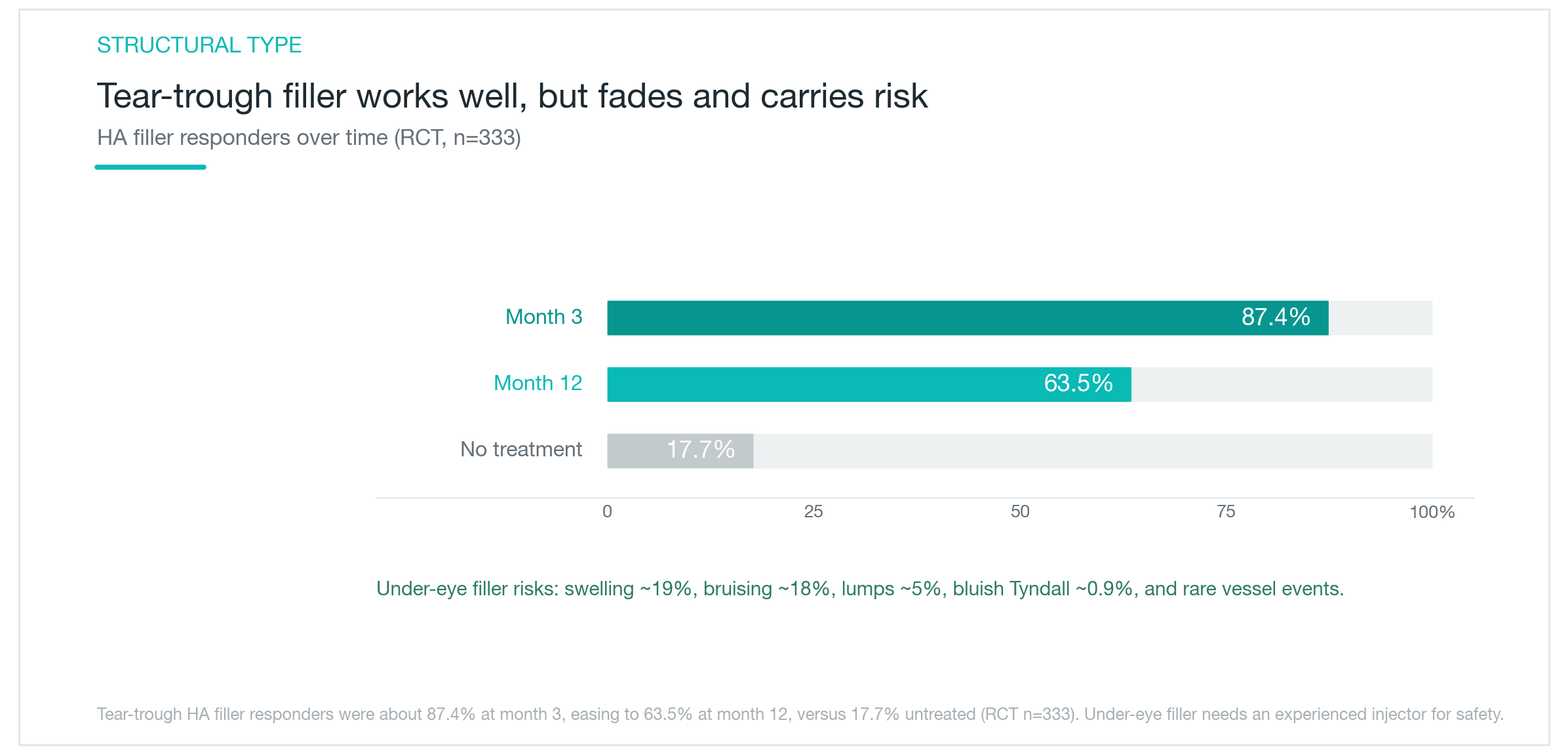
The clinical results are encouraging. In a randomised controlled trial (RCT, n=333), 87.4% of participants showed a positive response at three months after HA filler injection. At twelve months, that figure had declined to 63.5%. A meta-analysis combining data from 2,556 patients put overall satisfaction at 91%. The results are real, but they do fade over time and the effect is not permanent, which is worth being upfront about from the start.
It's also worth having a realistic understanding of the side effects. Swelling affects around 19% of patients and bruising around 18%, both generally temporary. Nodule formation, where the filler bunches up and creates a lumpy feel, occurs in about 5% of cases. Tyndall effect, a bluish discolouration caused by light scattering from shallow filler placement, is reported in about 0.9% of cases. It happens when filler is injected too superficially; placing it accurately at the supra-periosteal depth significantly reduces this risk.
The most serious risk is vascular occlusion. The area around the eyes has a dense and complex vascular network, making it a high-risk injection site. For HA fillers specifically, vascular occlusion is reported at roughly 3 to 9 events per 10,000 syringes. While uncommon, cases of visual impairment and blindness have been documented. Under-eye filler should be performed by a practitioner who thoroughly understands the local anatomy and is prepared to respond to vascular emergencies.

What happens if you misjudge the type?
Laser toning acts on melanin in the epidermis. If the problem is a structural shadow from a sunken contour, no amount of laser treatment changes the underlying shape. Conversely, injecting filler into pigmented dark circles leaves the melanin exactly where it is, so you don't get the improvement you were hoping for.
The most challenging cases are mixed types. Because the majority of dark circles involve two or more overlapping causes, a single treatment rarely solves everything. When both pigment and structural shadow are present, addressing the contour with filler alongside a peel or laser for the pigment gives far better results than either treatment alone. The more complex the case, the more the sequence and combination of treatments matter.
That is why identifying the type is the essential first step in any dark circle consultation. Self-checks can give you a useful starting direction, but getting a proper assessment at a dermatology clinic before spending money on treatment is the most reliable way to avoid unnecessary costs. One well-planned consultation to determine your type and sequence your treatment sensibly will save more time and money than repeating treatments that are not matched to your actual cause.
A note on under-eye filler: this is a high-risk area where vascular occlusion and vision loss are possible complications. Price and convenience should come second to finding a practitioner with strong anatomical knowledge and the capability to handle emergencies.
Was this helpful?
About this article
Written by a practising aesthetic physician and intended for general education — not a substitute for individual medical advice.
Read next

5 Treatments for Enlarged Pores: Results and Recovery Time Compared
Which cosmetic treatments actually work for enlarged pores? Here are the top 5 evidence-based options with real improvement numbers, why pores can never fully disappear, and how to choose safely for your skin type. All figures come from actual research data, nothing inflated.
By Dr. Kim

Milia Around the Eyes: Is It Really Safe to Pick Them Out With a Needle at Home?
Why those little white bumps around the eyes show up, how milia differ from syringoma, when extraction versus CO2 or erbium YAG laser makes sense, whether you can pick them out at home with a needle, and how likely they are to return, explained simply with real studies.
By Dr. Lee

Dark Circle Types and Causes: Vascular, Pigmented and Structural Differences
Dark circles fall into three categories, vascular, pigmented, and structural, and the reason your under-eyes look dark differs for each. Pick a treatment that doesn't match your type, and you likely won't see results.
By Dr. Kim