PicoFractional Hologram Method: Does It Work for Pores and Scars?
By Dr. Lee9 min read
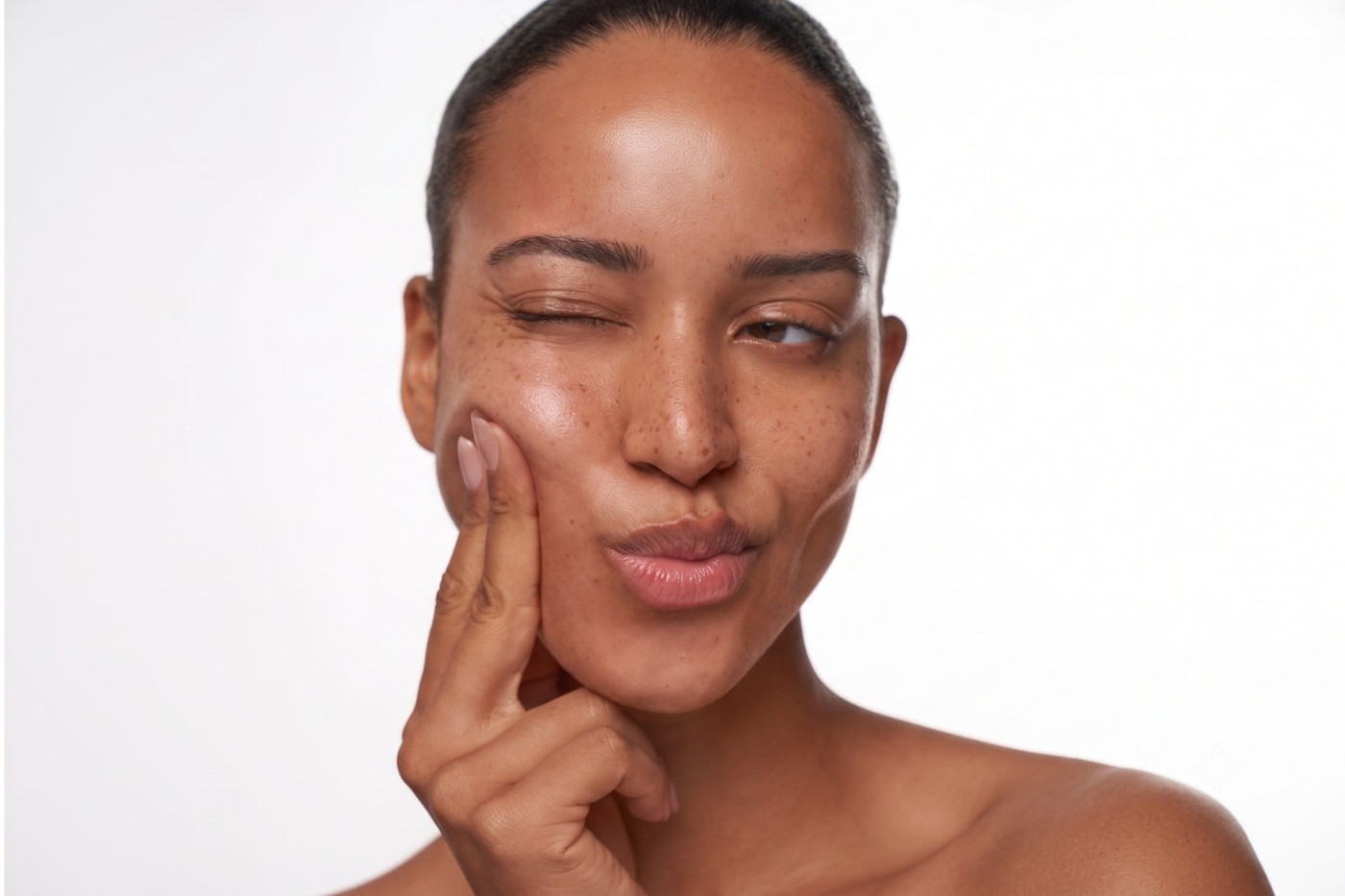
Look closely at your cheeks in the mirror, the so-called cheek zone, and you'll often spot enlarged pores and shallow acne scars sitting side by side. Toning or skin boosters can fade discoloration, but they usually leave the pitted texture and widened pores untouched. PicoFractional was developed specifically to target that gap. It takes the same picosecond laser once used to shatter pigment, attaches a specialized lens, splits a single beam into multiple smaller ones, and concentrates that energy into tiny points beneath the skin. As those points heal, fresh collagen fills in, gradually smoothing pores and scars. Below, we'll look at how these holographic-style optical components split light, and how much real improvement patients actually see in pores and scars.
How does PicoFractional split the light?
PicoFractional combines a picosecond laser, which fires light in trillionths-of-a-second pulses, with a fractional delivery method. A picosecond is one-trillionth of a second, a moment too brief for the human body to register. Delivering intense energy in that instant hits pigment or tissue with a physical shock before heat has any chance to spread.
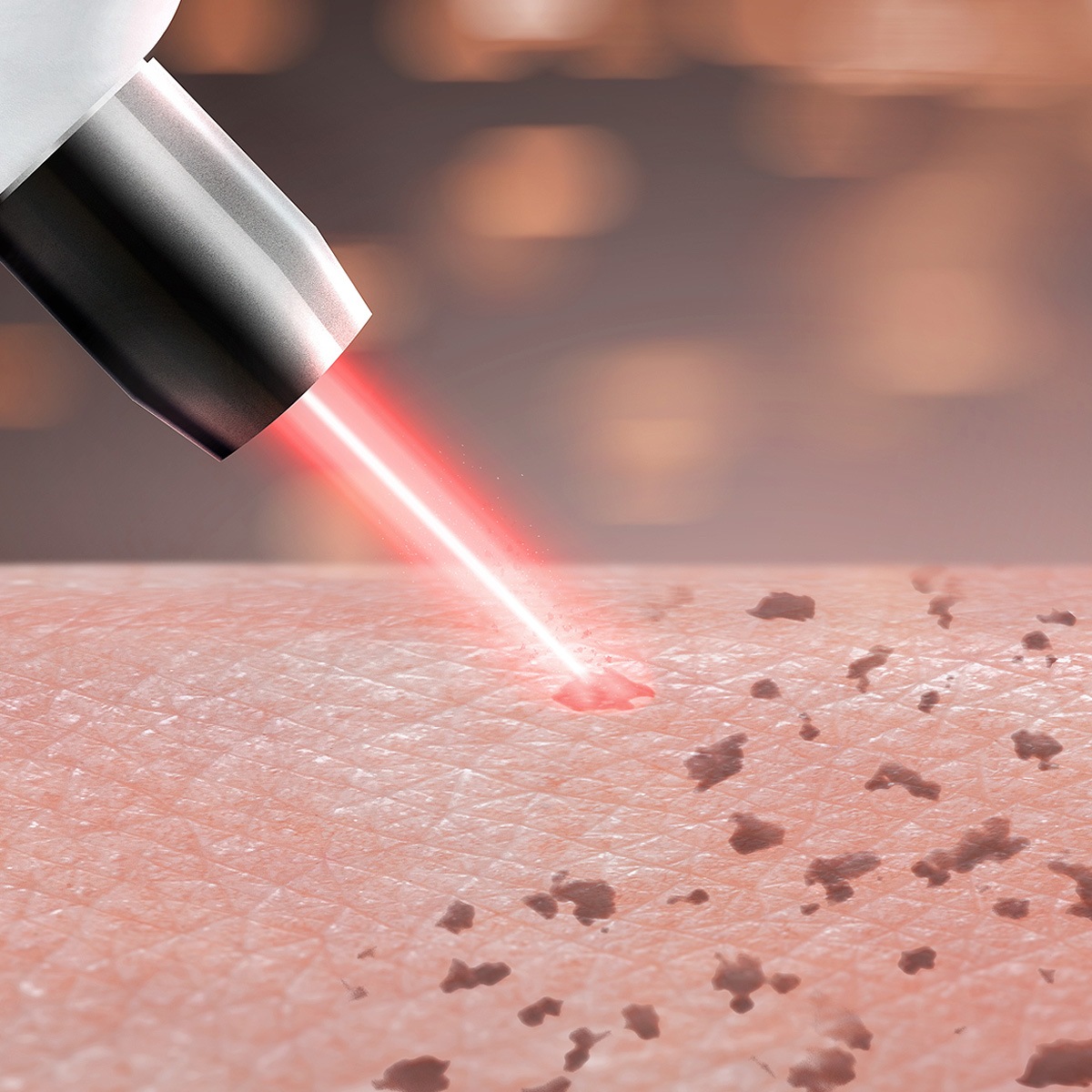
With a specialized lens attached, light that would normally spread broadly instead converges into a grid of tiny points. Each point receives concentrated energy, while the untouched skin between points is left alone. This method of stimulating skin through a dense grid of individual points is called fractional treatment. Because the surrounding untouched skin helps drive recovery, downtime ends up shorter, which is one of its main advantages.
Inside each concentrated point, a phenomenon called LIOB, or laser-induced optical breakdown, occurs. Intense energy converging in an instant creates microscopic void-like pockets beneath the skin, almost like tiny air bubbles. This microdamage is different from heat-based ablation and leaves less residual heat in the surrounding tissue. The body responds by producing fresh collagen and elastin to fill in these spots, and over time, this gradually smooths out enlarged pores and shallow scars.
In short, PicoFractional takes the same power that once shattered pigment in a picosecond laser, splits it into a fine grid with a lens, and redirects it toward skin regeneration. That's why it's used mainly for pores, scars, and overall skin texture rather than tattoos or melasma.
How are hologram and microlens systems different?
Splitting light into multiple focal points broadly falls into two categories: diffractive optics and microlens arrays. The table below breaks it down.
| Method | Representative handpiece | How it creates focal points |
|---|---|---|
| Diffractive optics (DOE) | PicoSure Focus | Diffracts light into multiple high-energy points |
| Holographic | PicoWay Resolve | Uses a holographic plate to create a grid of focal points |
| Microlens | PicoPlus Enlighten | Concentrates fine beams through an array of small lenses |
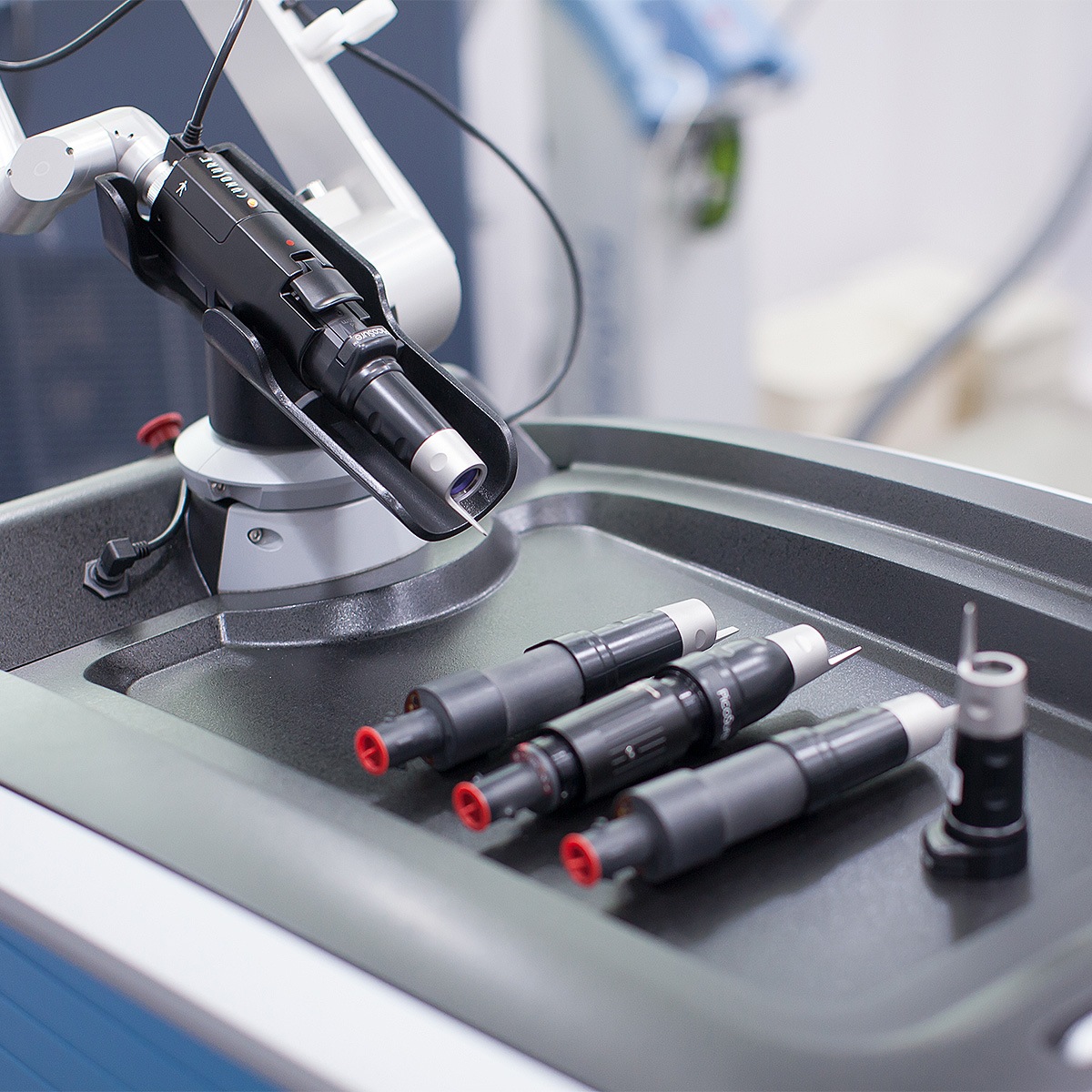
Diffractive optics relies on light bending in multiple directions as it passes through a microscopic grating. PicoSure's Focus lens uses this method, funneling much of the energy into a handful of high-intensity points. PicoWay's Resolve handpiece uses a holographic plate to generate a regularly spaced grid of focal points. Both approaches share the same core idea: triggering LIOB in tiny points beneath the skin without broadly heating the surface.
The microlens method uses a component packed with numerous tiny convex lenses to concentrate light into fine beams. Used in PicoPlus and Enlighten-series devices, this dense array of microbeams delivers energy across many points beneath the skin. Whichever method is used, the goal is the same: minimize surface damage while creating tiny stimulation points that trigger regeneration deeper in the skin. What matters more than the device name is which wavelength is paired with which lens, since that combination has a much bigger effect on results.
Nanosecond devices and pigment risk compared
Some fractional pigment lasers use nanosecond pulses instead. A nanosecond is roughly 1,000 times longer than a picosecond, and in that time, heat has room to spread into surrounding tissue, leaving behind more irritation.
Picosecond delivery is different. It delivers an extremely short, intense burst of energy before heat has any chance to spread, stimulating tissue with a force closer to pressure than heat. Because it leaves behind less thermal irritation, it's theoretically expected to carry a lower risk of post-treatment pigmentation than nanosecond devices. That difference matters especially for darker skin tones with more melanin.
That said, it's worth separating the theoretical advantage from the actual clinical evidence. Head-to-head studies directly comparing picosecond fractional and nanosecond fractional devices are still limited. Most of the evidence gathered so far confirms the efficacy and safety of picosecond treatment on its own, so it's too early to declare a clear winner between the two.
Still, studies of picosecond fractional treatment in Asian skin have consistently reported that any pigmentation that does occur tends to be mild and temporary. If minimizing pigmentation risk is a priority, picosecond fractional is a reasonable choice. As with any device, energy settings, the provider's experience, and aftercare all play a major role in the outcome.
How much do pores and scars improve?
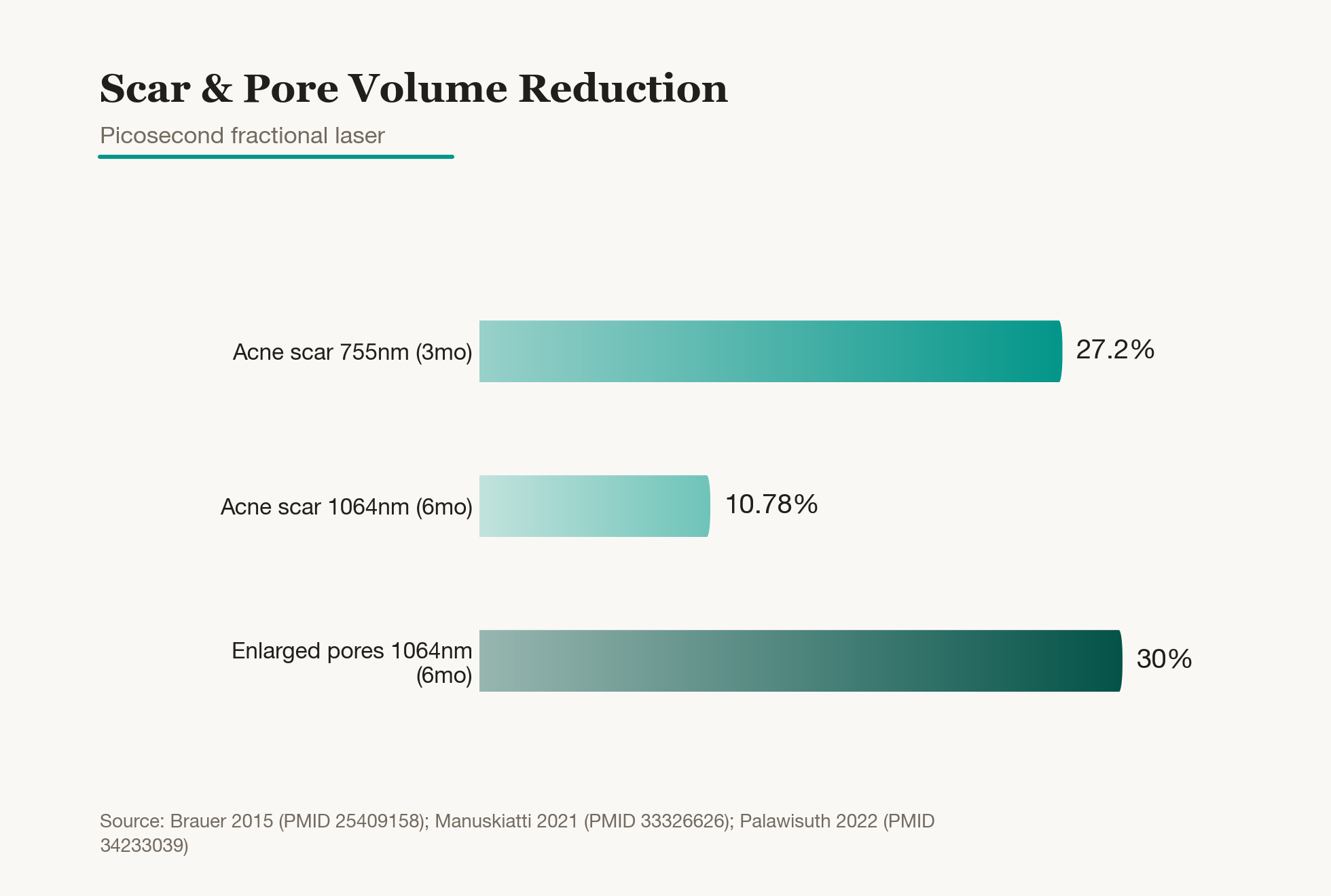
The improvement documented across several studies is summarized in the table below.
| Concern | Device wavelength | Documented improvement |
|---|---|---|
| Acne scars | 755 nm | About 27% scar volume reduction at 3 months |
| Acne scars | 1064 nm | Half of patients saw 50%+ improvement at 6 months |
| Cheek pores | 1064 nm | Average 30% volume reduction at 6 months |
Starting with acne scars: in a study that used a 755 nm picosecond laser with a diffractive lens to treat facial scars over 6 sessions, scar volume measured by 3D imaging dropped an average of 24.3%, holding at 27.2% three months later. Tissue analysis before and after treatment also confirmed real increases in dermal collagen and elastin, evidence that the underlying mechanism does translate into genuine regeneration.
There's also a study using a 1064 nm device fitted with a microlens. Among 26 people with darker skin tones, scar volume dropped about 10.78% at 6 months, and half of participants rated their scars as 50% or more improved. The numbers are lower than the 755 nm results, but confirming its safety even in skin with a higher pigmentation risk is meaningful in its own right.
What about pores, which tend to be the bigger concern in the cheek zone? In a study using the same 1064 nm device to treat enlarged pores over 3 sessions, pore volume dropped an average of 30% at 6 months. 28% of participants rated their improvement at 50% or more, and the improvement became more visible gradually over months rather than immediately after treatment. In other words, this is a treatment where results build over time as collagen fills in, rather than showing up all at once.
Pigmentation after treatment and recovery time
Because PicoFractional doesn't ablate the surface, recovery tends to be relatively quick. That said, several reactions can show up right after treatment.
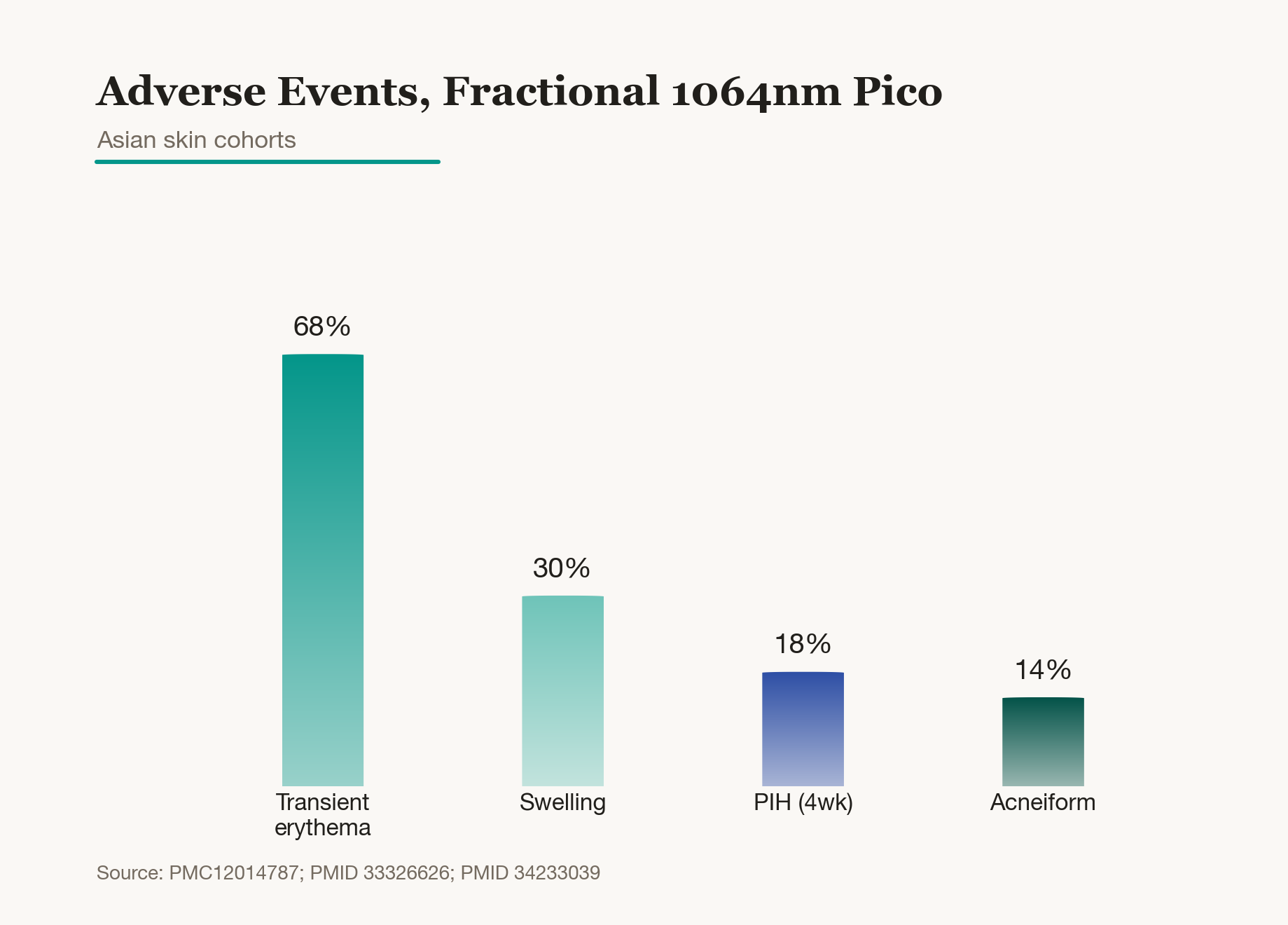
In studies conducted on Asian patients, the most common reaction was temporary redness, seen in about 68% of participants. Swelling occurred in about 30% and settled within a few days. Pain was generally mild or absent, with about 61% reporting no pain at all during treatment. A separate pore study found small acne-like breakouts at treatment sites in 14% of sessions, but these resolved on their own within a day.
What about the pigmentation concern that worries people the most? In a scar study conducted on darker skin, mild pigmentation appeared in about 18% of sessions. All cases were temporary, though, clearing within an average of 4 weeks. In the pore study, no cases of pigmentation were reported at all. The lower thermal burden compared with ablative methods does appear to translate into a genuinely lower real-world incidence.
Avoiding aggressive energy settings is key to minimizing this risk. For darker skin tones especially, the most reliable way to prevent pigmentation is starting at a lower setting, adjusting based on how the skin responds, and following up with diligent sun protection.
Which skin types suit it, and how to prepare
The table below summarizes who PicoFractional suits and how to prepare for it.
| Item | Details |
|---|---|
| Best suited for | Enlarged pores, shallow acne scars, rough texture |
| Sessions needed | 3 to 6, spaced 4 weeks apart |
| After treatment | A few days of redness, strong sun protection |
| Caution | Darker skin should start at low energy |
PicoFractional is well suited to enlarged cheek pores, shallow acne scars, and generally uneven skin texture. For very deep icepick scars or severe scarring, on the other hand, this treatment alone may not be enough, and it's best planned alongside other approaches.
It's not a one-and-done treatment. Most people need 3 to 6 sessions spaced about 4 weeks apart, with results becoming gradually more visible over the months it takes collagen to build up. Redness and mild swelling can linger for a few days right after treatment, so it's worth scheduling around any important events.
Sun protection matters more than anything else. Skin becomes more reactive and prone to pigmentation right after treatment. Apply sunscreen diligently whenever you're outdoors, and if you have darker skin, choose a clinic that starts at a lower energy setting and adjusts based on your response. It also helps to clarify during the consultation whether your main concern is pores or scars, and what wavelength and lens the device uses, so your expectations line up with the results.
Was this helpful?
About this article
Written by a practising aesthetic physician and intended for general education — not a substitute for individual medical advice.
Read next
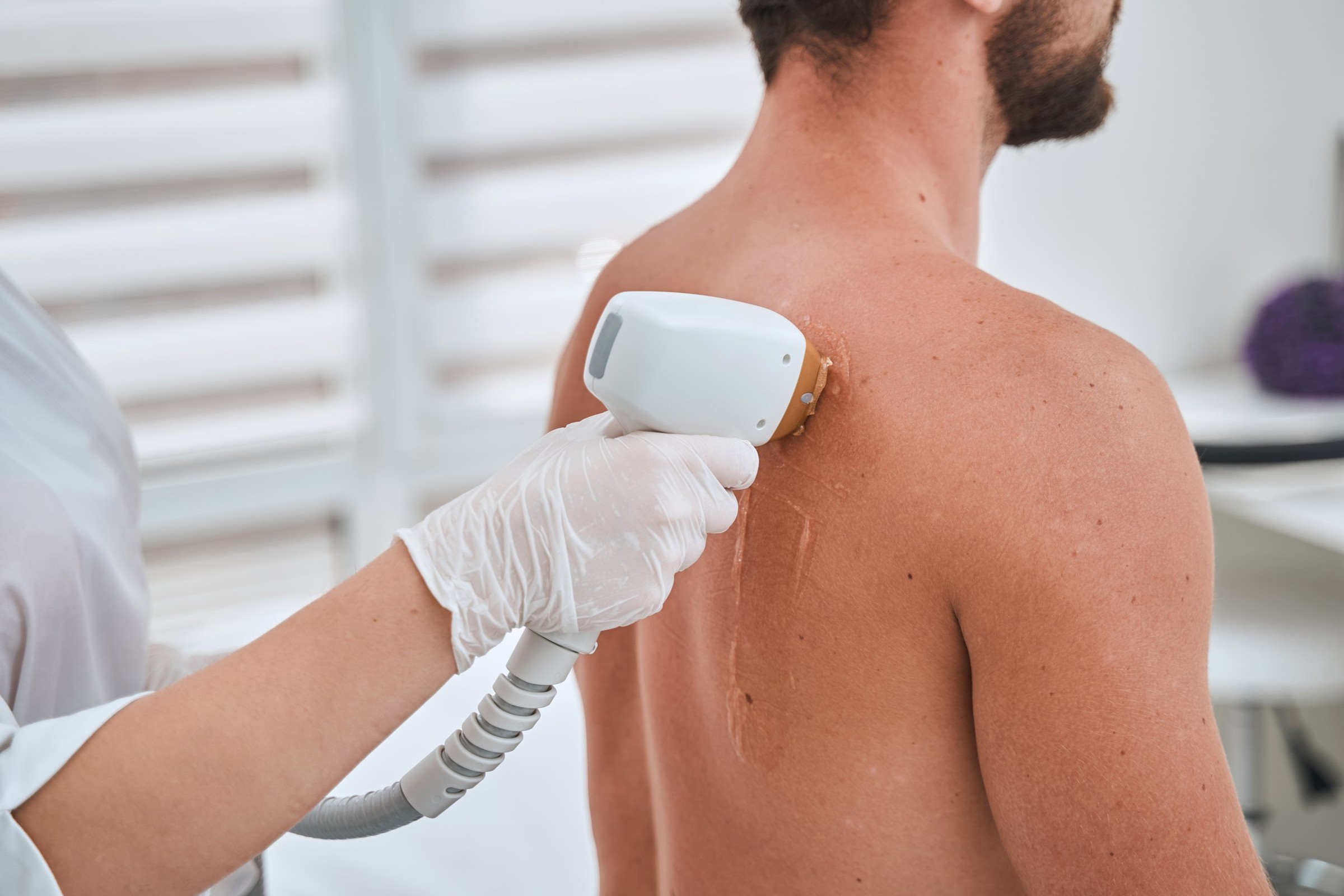
Pigmentation After Laser Hair Removal: Why It Happens and How to Prevent It
Laser hair removal works by using heat to destroy melanin inside the follicle, but when that heat spreads into the epidermis, it can leave a burn that later turns into hyperpigmentation. Here is why burn risk changes with skin tone, wavelength choice, and cooling method, along with ways to reduce it beforehand.
By Dr. Lee
How Does Fine Dust Affect the Skin Barrier and Collagen?
Fine dust particles are so small they slip past the pores and into the gaps of your stratum corneum, unsettling the skin barrier from the inside. Along the way, free radicals surge and enzymes that break down collagen switch on, leaving skin more reactive and less firm. Here is how fine dust actually affects skin, and what genuinely helps.
By Dr. Kim

Fraxel for Acne Scars: Effects, Pigmentation, and Side Effects
How fractional lasers like Fraxel work on acne scars, why results differ so much by scar type, how real the PIH risk is on Asian skin, and what the research actually shows about how much improvement to expect: scars soften, they don't vanish.
By Dr. Kim