Oral Collagen: Does It Still Reach the Skin After Being Digested?
By Dr. Kim9 min read
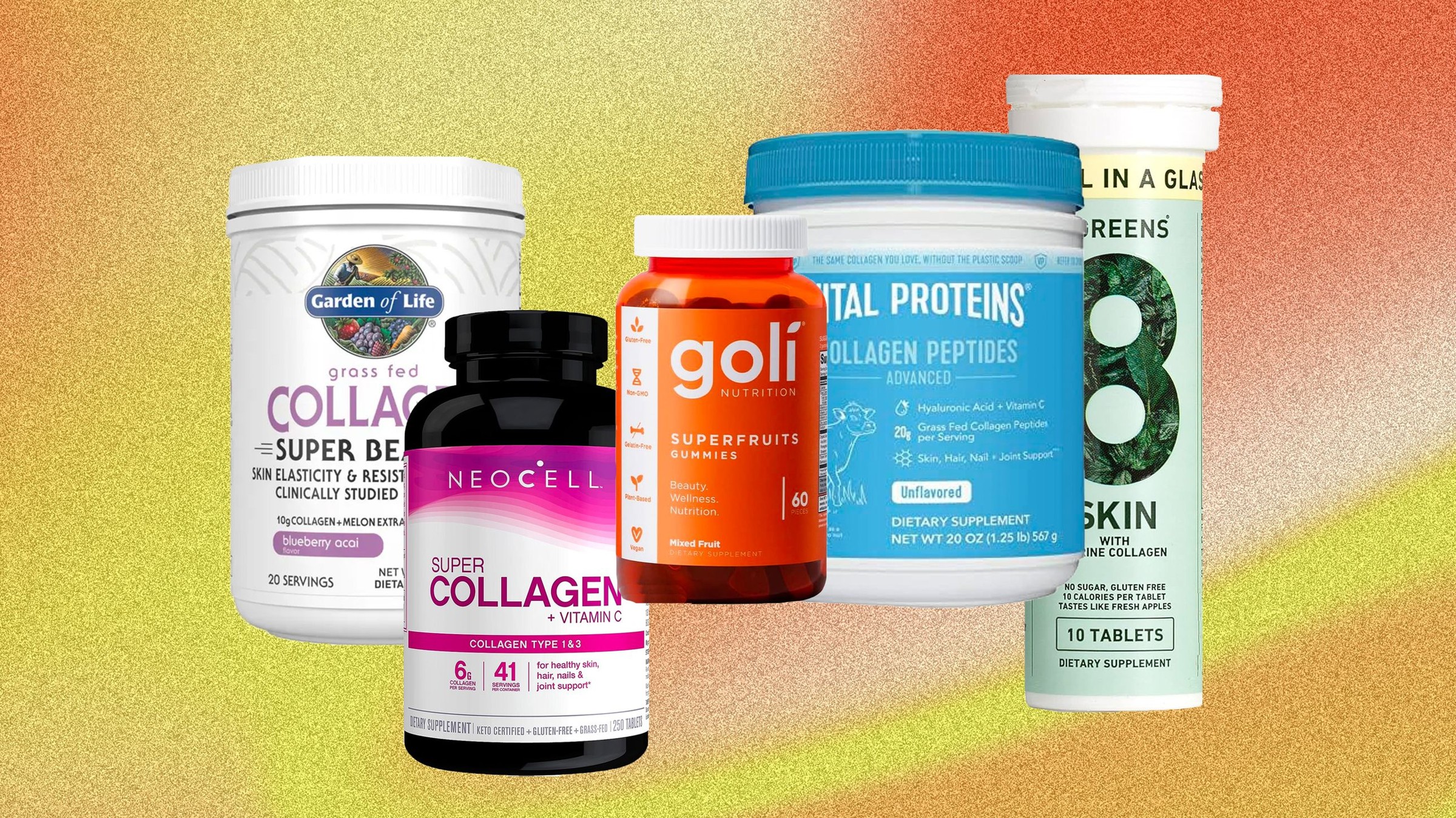
Collagen is a protein that works like the support beams inside a building, holding your skin's structure up. Most of the dermis, the deeper layer of your skin, is made up of these beams, so when they're plentiful and sturdy, skin stays firm and doesn't sag. As you age, though, the number and thickness of these beams gradually decline, and skin loses elasticity right along with them.
That's the reasoning behind eating collagen to replace what's lost. But a natural question comes up right away. Protein gets broken down into small pieces as it passes through your stomach and intestines, so can collagen that's been chopped up like that actually make it to your skin and do anything?
This question isn't unique to collagen, either. It applies to every protein supplement out there, because protein almost never arrives at its destination in its original form. So the real answer depends on two things: exactly what shape collagen ends up in after digestion, and what those leftover pieces actually do once they reach your skin.
What happens to collagen in the stomach and gut?
Collagen is still a protein at the end of the day, so it's digested pretty much the same way as the protein in a piece of meat. Once it reaches your stomach, stomach acid and the digestive enzyme pepsin break the long collagen chain into large chunks.
From there, it moves into the small intestine, where other enzymes like trypsin cut it into smaller pieces. In the final stage, enzymes on the surface of your intestinal cells break it down even further. By the end of this process, most collagen has been reduced to individual amino acids or tiny fragments made of just two or three amino acids linked together. So the idea that the collagen you eat arrives at your skin intact and simply attaches itself there isn't accurate.
Stomach acid plays a bigger role here than you might expect. It has to loosen up the collagen protein first before the enzymes that follow can cut it properly, similar to how you need to loosen a tangled skein of yarn before scissors can work through it easily. That's why having healthy stomach acid production is the first step in digesting collagen well.
What are dipeptides and tripeptides?
Those two- or three-amino-acid fragments are called dipeptides and tripeptides. It sounds technical, but you can just picture two or three amino acid beads strung together into a very short necklace.
Collagen has a distinctive structure built from repeating stretches of proline and hydroxyproline, two unusual amino acids. This pattern creates sections that digestive enzymes have a harder time cutting all the way through, and some reports suggest this leaves collagen showing up in the bloodstream as these small fragments at a relatively higher rate than other proteins. That's part of why eating collagen gets talked about differently than simply eating meat protein.
To put it simply, most proteins are like smooth threads that enzymes can snip anywhere they like. Collagen, on the other hand, is more like a thread with a knot tied in every third spot, thanks to that proline. Enzymes have a tough time working through those knots, so a larger share of small, two-or-three-link fragments end up surviving intact.
How do collagen fragments cross the gut wall?
To cross the intestinal wall and enter your bloodstream, size matters a lot, smaller is better. The surface of your intestinal cells has dedicated channels, essentially gatekeepers, that only let amino acids and very small peptides through. These gatekeepers tend to turn away anything too bulky.
That's where the term "low molecular weight collagen" comes from. The logic is that collagen broken down into smaller pieces beforehand has a better chance of getting past that gatekeeper. Fragments that stay too large, on the other hand, are more likely to just get digested like any other amino acid and scattered around the body as general protein material instead.
A single collagen protein molecule is naturally huge, so much so that in its undigested form it could never cross the intestinal wall in the first place. So processing it down into low molecular weight fragments isn't really creating a brand-new absorption route, it's closer to boosting the share of small fragments that digestion would have produced anyway.
That gatekeeper channel isn't exclusive to collagen, either. The small peptides created when you eat rice or meat use the exact same route. It's just that thanks to those proline knots mentioned earlier, collagen appears to produce a relatively larger share of fragments that fit this channel perfectly compared to other foods.
What do the fragments do once they reach the skin?
This is really the heart of the story. Absorbed collagen peptides travel through the bloodstream and reach the dermis, but here's the key detail: they don't get used as raw building material by fibroblasts, the cells that manufacture collagen.
Instead, there's a theory that these peptides attach to the surface of fibroblasts and deliver a kind of signal telling them to produce more collagen and hyaluronic acid. At the same time, some reports suggest they suppress the activity of MMPs, enzymes that act like scissors cutting collagen apart. In other words, they may work in two directions at once, ramping up production at the collagen factory while dialing down the scissors.
You might wonder why such a tiny fragment would work as a signal at all. Cell surfaces carry receptors, essentially locks that only recognize substances of a specific shape. According to current explanations, a particular dipeptide from collagen happens to fit one of these locks well enough that, like a key, it switches on a production signal inside the cell. Rather than being used directly as building material, think of it as pressing a switch inside the factory.
How are filler and oral collagen different?
Fillers and collagen injections work by depositing finished material directly into place, the same as buying bricks and stacking them yourself.
Oral collagen, by contrast, isn't putting bricks in place at all. It's more like a foreman giving instructions to the brick factory, your fibroblasts. That's why skin doesn't fill in the moment you swallow it, and why it takes time for your body to ramp up its own collagen production. This is where the idea that results show up gradually, and only with consistent intake, comes from.
That doesn't mean you have to pick one or the other, though. If fillers handle filling in volume right now, oral collagen is closer to supporting the process that keeps your skin maintaining itself afterward. It helps to think of the two approaches as targeting different points in time.
Is the evidence for oral collagen strong enough?
A number of randomized controlled trials report that people who took collagen peptides for about 8 to 12 weeks saw improvements in skin hydration and elasticity. The signaling mechanism itself is also fairly consistently supported in cell and animal studies.
That said, most human studies have relatively small numbers of participants, and the observation periods tend to run short, anywhere from 8 weeks on the short end to 24 weeks, or 6 months, on the long end. It's also worth factoring in that a fair number of these studies were funded by collagen manufacturers.
The collagen used also varies a lot from study to study, whether it's sourced from fish, cattle, or pigs, and how far the molecular weight has been processed down, which makes it hard to lump the results together into one clean conclusion. So while the underlying mechanism is convincing, the actual size of the effect people can expect to notice is something researchers still treat with caution.
How the results are measured matters too. Researchers typically check hydration with a stratum corneum moisture meter and elasticity with a device that measures how quickly skin bounces back after being pressed. These instrument readings don't always line up perfectly with what someone notices looking in the mirror. So even when the lab numbers look good, the change a person actually feels can be slower to show up or harder to pin down.
Why people notice different results
Even with the same product, people report different results, and there are a few reasons why.
- Differences in digestion and absorption: How well peptides get absorbed depends on things like your stomach acid levels and gut health.
- Baseline protein intake: If you're already eating plenty of protein, the added benefit from collagen may feel relatively smaller.
- How long you take it: A full skin cell turnover cycle usually takes about 4 to 8 weeks, so stopping after a short stretch doesn't give the signal enough time to build up.
- Age and hormonal status: Fibroblasts tend to be more active when you're younger, so they respond faster to signals. As you age, cells reportedly respond more slowly to the same signal.
In the end, absorption conditions, overall health, and how consistently you've kept taking it all overlap to create these individual differences. So rather than getting impatient comparing yourself to others, it helps to factor in your own body's condition and give it enough time before judging the results.
How to choose an oral collagen
Once you understand the mechanism, the criteria for choosing become a bit clearer.
- Check whether it's processed into low molecular weight peptides: As explained earlier, smaller size means a better chance of getting past the intestinal gatekeeper.
- Check whether vitamin C is included: Vitamin C is known to be an essential cofactor fibroblasts need to actually assemble collagen, which helps avoid a situation where the signal arrives but the raw material to act on it is missing.
- Plan on at least 8 to 12 weeks of consistent use: Skin cell turnover isn't a short cycle, so judging results after just 1 or 2 weeks is far too early.
- Check the source on the label: Amino acid composition varies slightly depending on whether it's sourced from fish, cattle, or pigs, and allergy risk differs too, so it's safer to pick a source that suits you.
Keeping these four points in mind should help you choose oral collagen that actually lines up with how it works. One more note: a bigger collagen content number printed on the label of a jelly or powder doesn't automatically make it better. As covered above, how finely it's been processed and how absorbable that form is matters more than the number on the front of the package.
References
Korean Dermatological Association, Ministry of Food and Drug Safety (MFDS), American Academy of Dermatology (AAD), and U.S. Food and Drug Administration (FDA).
Was this helpful?
About this article
Written by a practising aesthetic physician and intended for general education — not a substitute for individual medical advice.
Read next

Exosome Treatment Effects: How Are They Different From Stem Cells?
Exosomes are tiny signal packets that cells release into their surroundings, delivering only the messages a stem cell creates rather than the stem cell itself to the skin. Here is a plain look at how exosomes carry regeneration and calming signals, why clinics so often pair them with laser treatments, and how much evidence has actually built up so far.
By Dr. Kim

How Does Fine Dust Affect the Skin Barrier and Collagen?
Fine dust particles are so small they slip past the pores and into the gaps of your stratum corneum, unsettling the skin barrier from the inside. Along the way, free radicals surge and enzymes that break down collagen switch on, leaving skin more reactive and less firm. Here is how fine dust actually affects skin, and what genuinely helps.
By Dr. Kim
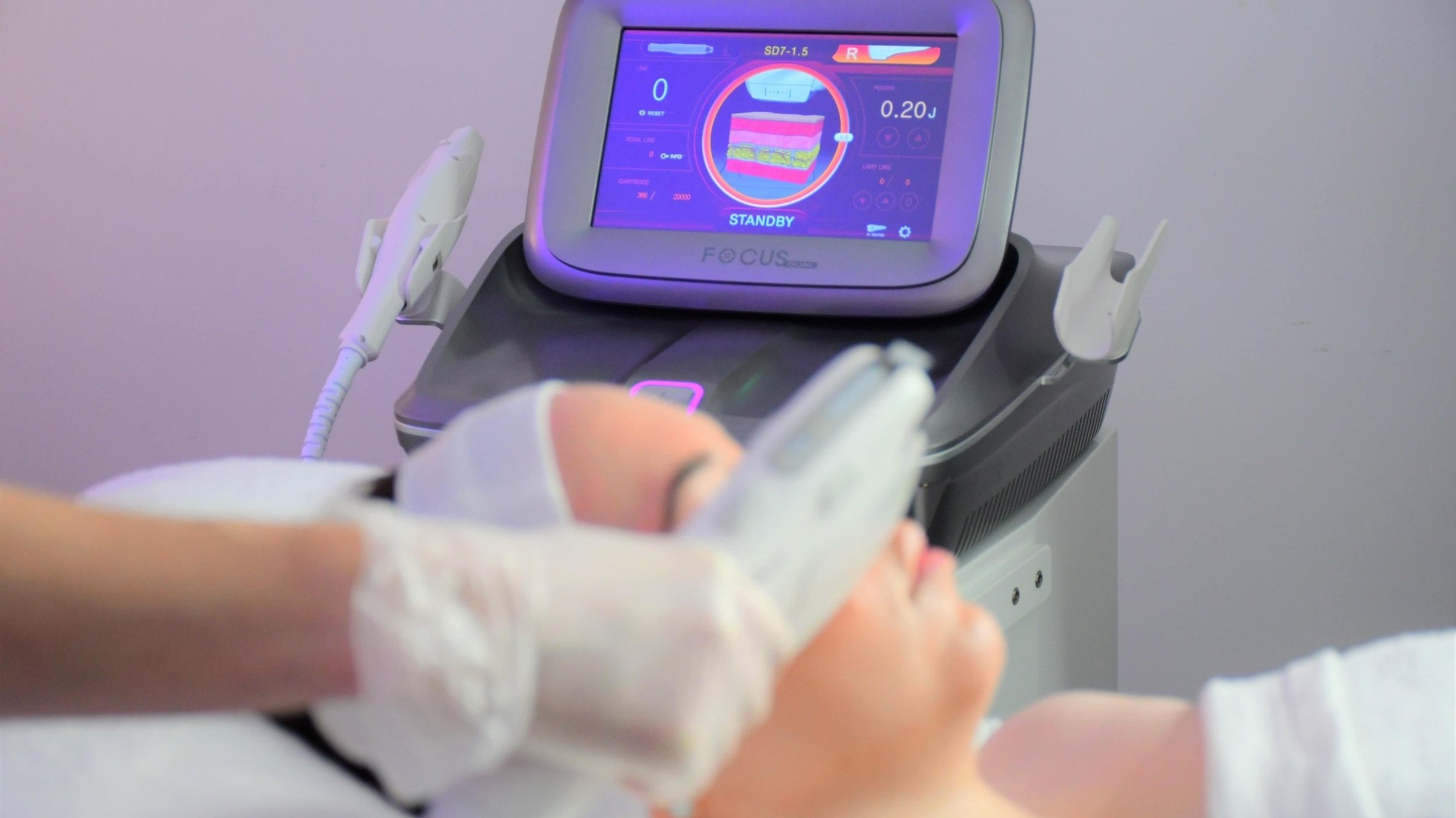
HIFU Lifting Effects and How It Works, Including Sessions and Duration
Here's why HIFU lifting targets a deeper layer called the SMAS rather than the surface of your skin, starting with how focused ultrasound converges at a single point. We break down the two stages: the immediate tightness you feel right after treatment, and the collagen that builds gradually over 4 weeks to 6 months.
By Dr. Lee