NovaStem Stem Cell Culture Media: Growth Factors and the Limits of Its Effects
By Dr. Kim7 min read
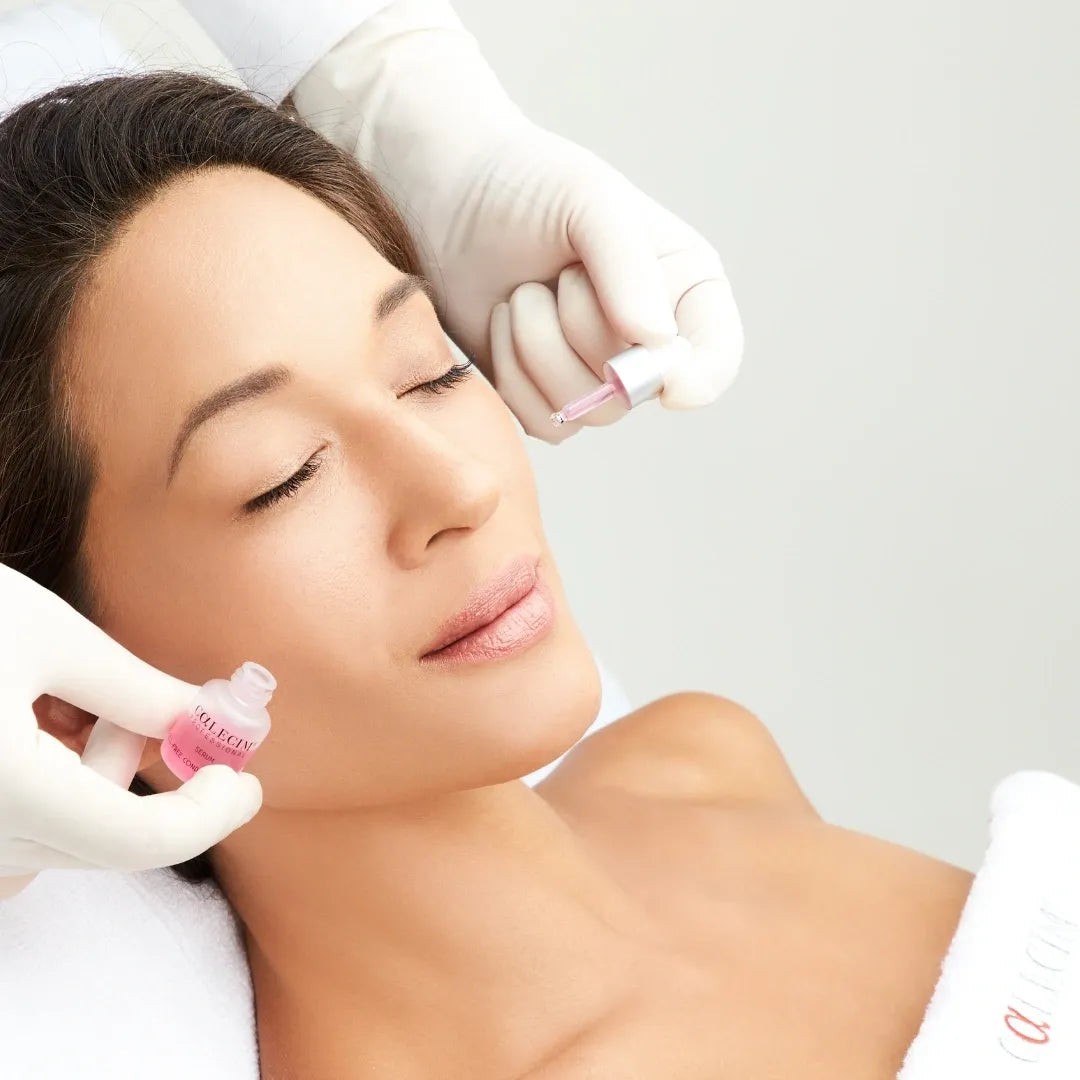
When people hear the term "stem cell culture media" in a dermatology or plastic surgery consultation, the first image that comes to mind is usually living stem cells being injected into the skin. But a stem cell culture media booster like NovaStem is not the cells themselves. It is a concentrate made from the fluid that surrounded those cells while they were growing, containing the substances the cells released into it on their own.
As cells grow, they continuously secrete growth factors, cytokines, and exosomes into their surroundings. These are the same tools cells normally use to send signals to one another. A NovaStem booster filters out and collects only these signaling molecules, then delivers them to the skin by topical application or shallow injection. There are no cells in the product, but the renewal signals the cells left behind are fully intact.
What is stem cell culture media?
Stem cell culture media refers to the nutrient solution used to grow cells in a culture dish. As cells absorb nutrients from this solution, they simultaneously release the substances they produce back into it.
After growing the cells for a set period, the cells are filtered out and the remaining liquid is the culture media. This liquid contains the growth factors and various signaling molecules the cells secreted while alive. That liquid is then purified and concentrated into a cosmetic or treatment booster, which is how a product like NovaStem is made.
A simple way to picture it is a garden. After growing plants in a plot of soil, you collect only the nutrient runoff left in that soil. The plant itself, the cell in this analogy, is removed, and only the nutrients it left behind, the signaling molecules, are reused.
How is it different from stem cell treatments?
A procedure that places living stem cells directly into the body relies on the cells themselves settling in and dividing to regenerate tissue. Because the cells need to survive and function, the conditions around harvesting, culturing, storage, and injection are demanding.
A culture media booster, by contrast, uses only what the cells have already produced, not the cells themselves. There is no need to worry about cell survival, and storage and distribution are comparatively simple. In exchange, it is harder to expect the effect of cells dividing on their own to build new tissue.
Living cell transplantation is like bringing in a worker directly. A culture media booster is closer to bringing home the work orders that worker left behind. Those orders alone can direct nearby cells to get to work, but the orders themselves do not grow into new tissue.
What signals do growth factors send to the skin?
Growth factors are protein signals that tell cells to carry out a specific action. Much like a key needs to fit a lock, a growth factor needs to fit a receptor, the lock-shaped structure on the surface of a skin cell, before a response can begin.
The culture media is known to contain several representative growth factors, including the following.
- EGF (epidermal growth factor): signals the epithelial cells that make up the skin's outer layer to divide. It works on a principle similar to how new skin forms quickly at the site of a wound.
- FGF (fibroblast growth factor): stimulates the fibroblasts that produce collagen. When fibroblasts become more active, production of structural proteins like collagen and elastin is said to increase.
- TGF-beta: coordinates the overall process of wound healing and collagen synthesis. Its role is closer to that of a conductor, directing several cell types to work in the right order.
- VEGF (vascular endothelial growth factor): helps new small blood vessels form in the skin. More blood vessels are thought to improve the supply of nutrients and oxygen, which helps renewal proceed more smoothly.
These growth factors do not arrive all at once. They are the same signals that appear in sequence during a normal wound healing process. A culture media booster essentially gathers these signals in advance and delivers them to the skin together.
The role of exosomes and cytokines
Beyond growth factors, culture media also contains substances called exosomes and cytokines. An exosome is a very small, balloon-like structure that a cell releases. It packages several signaling molecules inside and acts as a delivery box, carrying them intact to a neighboring cell.
Cytokines are signaling molecules that mainly regulate the intensity of inflammation and recovery responses. When a wound occurs, it is also cytokines that coordinate the inflammatory response so it rises appropriately and then settles back down.
If a growth factor is an individual instruction, an exosome is the courier box that packages and delivers that instruction safely, and a cytokine is the traffic light that regulates the overall pace of recovery. When all three work together, the skin's recovery response is said to proceed in a balanced way.
Is applying it on top enough for absorption?
The signaling molecules in culture media are fairly large in molecular size, so simply applying the product to the skin makes it difficult for them to pass through the stratum corneum. This is why actual procedures also consider how the product is delivered.
Clinics commonly use microneedling stimulation (MTS) or a shallow laser to create very small channels on the skin's surface before applying the culture media. Once these channels exist, the ingredients can penetrate toward the dermis more effectively. Shallow injection with a fine needle, similar to mesotherapy, is another method used.
In other words, a culture media booster tends to deliver more efficiently when it is paired with another procedure, rather than applied on its own.
How to use it alongside other treatments
A culture media booster like NovaStem is usually used as a supporting product for another procedure rather than as a standalone treatment. A common example is applying it to skin that has just been stimulated by laser toning or microneedling to support recovery.
- Post-procedure soothing support: applying the product while the skin barrier is temporarily more open from a laser or microneedling procedure is said to improve absorption. Growth factor signals may help speed up the recovery response at this stage.
- A home-care ampoule: a lower-concentration version is also used as an ampoule applied after cleansing. The idea is to supply a small amount of signaling molecules daily to help manage overall skin condition.
- Combined with other boosters: it is sometimes used alongside hyaluronic acid skin boosters or collagen-stimulating procedures. Since these work through different mechanisms, combining them can deliver signaling support and hydration at the same time.
What changes can you expect from using it?
Many people report that using a culture media booster leaves the skin texture smoother and eases redness or irritation. This lines up with the underlying principle that growth factors stimulate epithelial cells and fibroblasts to help support recovery.
That said, because culture media contains no cells, it is difficult to expect it to reverse deep tissue loss or noticeable sagging. The type and concentration of signaling molecules in the culture media can also vary by manufacturing method, so the results people feel can differ from product to product.
For that reason, it makes more sense to think of a culture media booster not as a route to dramatic change, but as a supporting tool that helps recovery after other procedures and helps maintain everyday skin condition.
What to check before using it
A few things are worth checking when choosing a culture media product.
- It helps to check which cell type the culture media is derived from and whether it has gone through purification and concentration. A clear ingredient origin makes it easier to trust the composition.
- When using it alongside a procedure, it is best to avoid layering other irritating products during the window when the skin barrier is open. Stacking multiple stimulants on recovering skin can lead to breakouts instead of helping.
- Sun protection is worth keeping up consistently, regardless of whether you are using a culture media product. UV exposure can damage newly stimulated cells and collagen all over again.
References
Korean Dermatological Association, American Academy of Dermatology (AAD), and Ministry of Food and Drug Safety (MFDS).
Was this helpful?
About this article
Written by a practising aesthetic physician and intended for general education — not a substitute for individual medical advice.
Read next
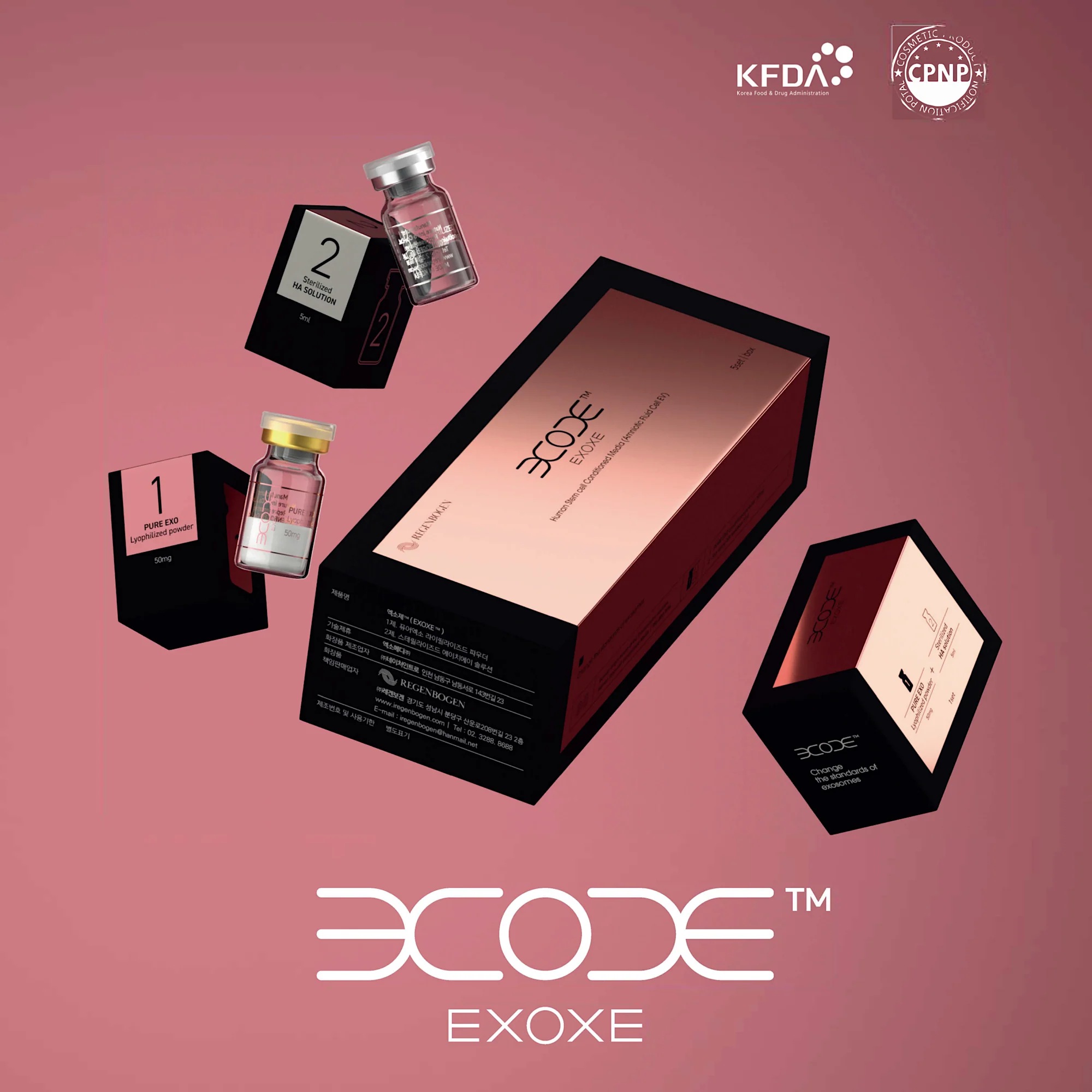
Exosome Treatment Effects: How Are They Different From Stem Cells?
Exosomes are tiny signal packets that cells release into their surroundings, delivering only the messages a stem cell creates rather than the stem cell itself to the skin. Here is a plain look at how exosomes carry regeneration and calming signals, why clinics so often pair them with laser treatments, and how much evidence has actually built up so far.
By Dr. Kim
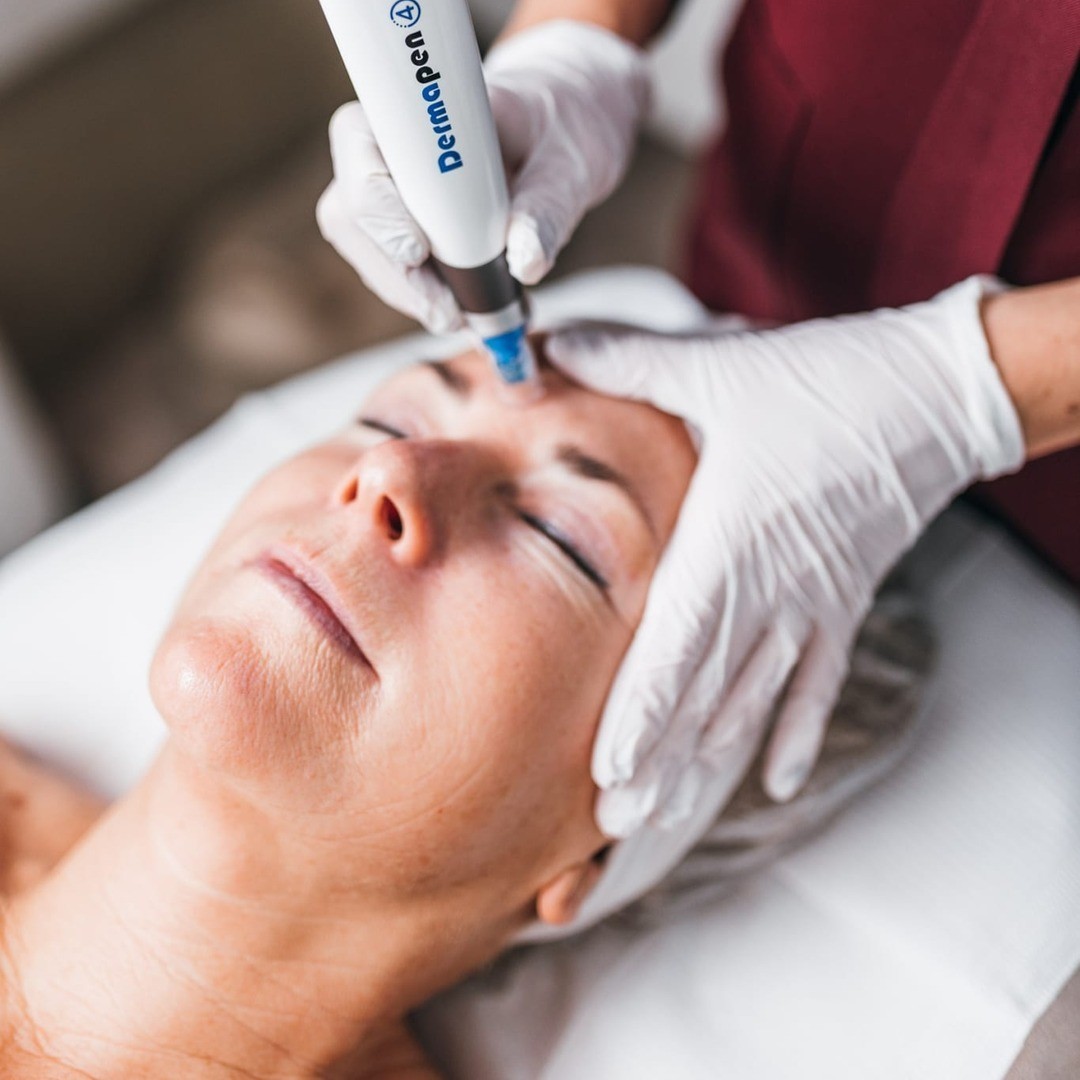
MGF Baby Injection: How It Works, Results, and the Role of Growth Factors
The 'baby injection' treatment uses microneedling to deliver growth factors into the skin and support collagen production. One of those growth factors, MGF, is a substance the body naturally produces when tissue is damaged, carrying regeneration signals to cells. Here is how it works in the skin and how it differs from the other growth factors used alongside it.
By Dr. Lee

Body Onda: Effects, Approach by Area, Number of Sessions and How Long It Lasts
Body Onda is a non-surgical body contouring treatment that uses microwave energy to selectively heat the fat layer beneath the skin, shrinking fat cells while tightening the skin above them. Here is why the heat targets fat rather than skin, why fat reduction and tightening happen together, how the approach differs for the abdomen, arms, and flanks, and how many sessions it takes to see lasting results.
By Dr. Kim