MGF Baby Injection: How It Works, Results, and the Role of Growth Factors
By Dr. Lee6 min read
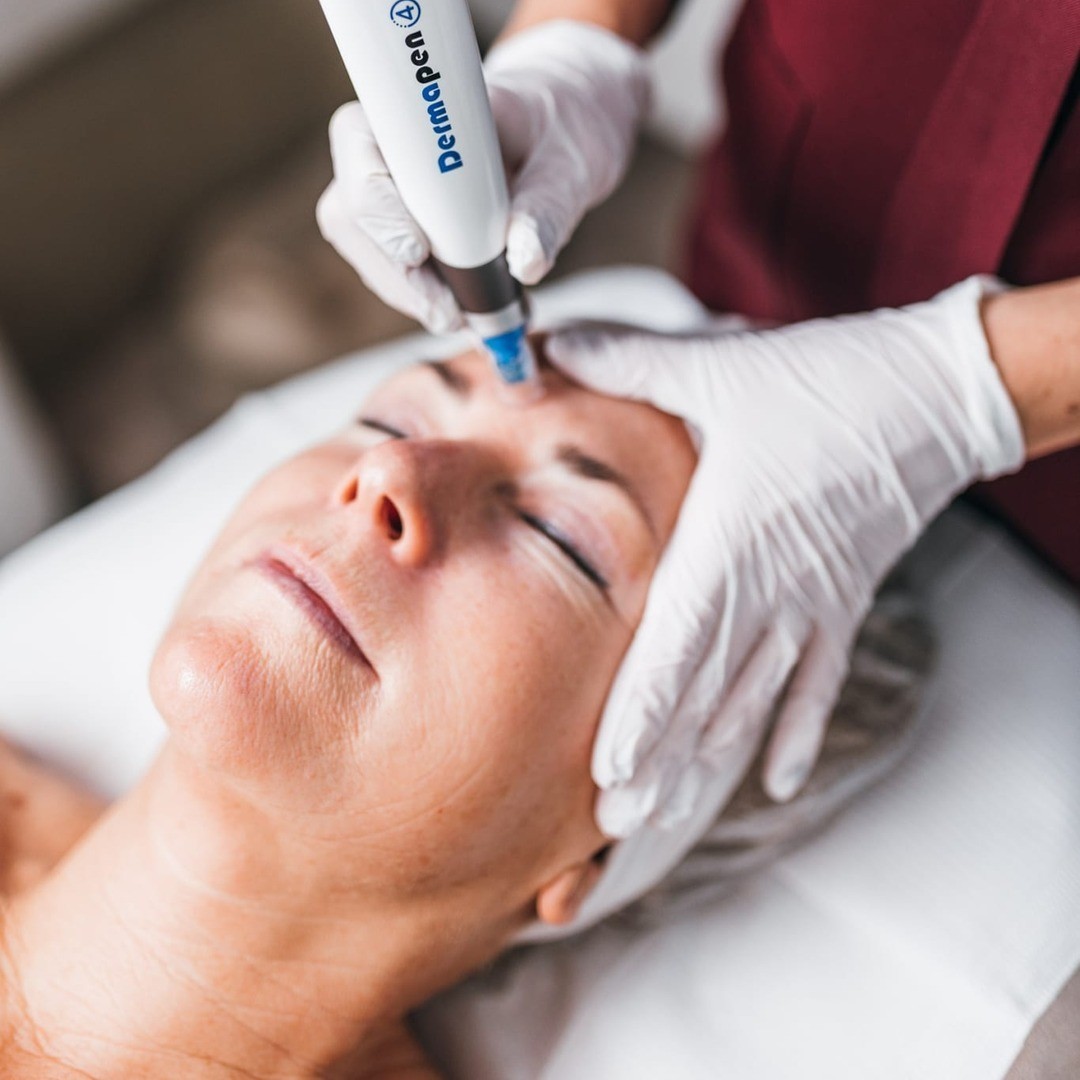
"Baby injection" is not an official clinical name. It is a nickname clinics use because, after tiny needles open small channels in the skin and growth factors are delivered through them, the skin afterward looks as smooth and clear as a newborn's. One of the growth factors used in this treatment is MGF, short for mechano growth factor. MGF is a substance the body normally produces on its own when muscle or tissue is injured, and the treatment borrows that same property to encourage skin regeneration.
What is the baby injection treatment?
The formal name for this procedure is microneedling, or collagen induction therapy. A very fine needle pricks the skin repeatedly to create tiny wounds, and a growth factor solution is worked into those openings. The exact blend varies by clinic, but it often combines several growth factors, including epidermal growth factor, fibroblast growth factor, and MGF.
MGF stands for mechano growth factor. It gets that name because the body produces it on the spot whenever muscle or tendon is physically stretched or injured. Pairing it with a treatment that creates tiny skin wounds is thought to mimic the same sequence the body naturally follows after an injury.
What kind of growth factor is MGF?
MGF is a variant that branches off from IGF-1, a growth hormone-like protein. The IGF-1 gene works like a single manuscript, but depending on the body's condition, that manuscript gets edited differently to produce several versions of the protein, similar to how the same draft can be revised in different ways to print different final editions.
When tissue is physically damaged, the body first edits the manuscript into the MGF version and releases it. A little later, it switches to editing a different, longer-acting version instead. In other words, MGF is the first responder that shows up right after an injury and fires the opening signal for recovery, and because of this order, healing proceeds in stages rather than all at once or too slowly.
MGF also breaks down quickly rather than lingering in the body. Since it is only needed as an early-stage signal, there is no real reason for it to stick around once its job is done. That is why treatments rarely rely on MGF alone. Instead, it is combined with other growth factors that act afterward, so the signal continues without a gap.
How does MGF act on repair cells?
What MGF does can be summed up in one job: waking up dormant repair cells and increasing their numbers. The body has cells that normally sit idle but rush to the site of an injury to help with recovery once damage occurs.
MGF attaches to receptors on the surface of these cells and sends the signal to multiply first. The reason cells build up their numbers before jumping straight into building new tissue is that recovery only proceeds properly once there are enough workers on hand. Think of it the same way a construction crew gathers enough workers before a building goes up. Skip this step, and the recovery work that follows ends up short-handed.
Fibroblasts and collagen production
The main repair cell in the skin is the fibroblast, which acts as the factory that produces the protein collagen. The proliferation signal that MGF triggers also reaches these fibroblasts, putting more of them to work than usual.
With their numbers increased, fibroblasts are positioned to produce that much more collagen. Meanwhile, the other growth factors injected alongside MGF take on their own jobs, forming new blood vessels or clearing up inflammation, so the overall recovery process unfolds step by step. In short, MGF sets the first move in motion, and fibroblasts pick up the baton to handle the actual collagen production.
Why is it injected with a needle instead of applied on top?
Growth factors are fairly large protein molecules. If simply applied on top of the skin, they get blocked by the stratum corneum, a tightly packed protective barrier, and cannot get through. It is much like trying to fit a large package through a mail slot that is too small.
That is why microneedling opens up multiple small channels, letting growth factors travel down through them into the dermis. Fibroblasts and repair cells sit in the dermis, so growth factors have to reach that depth for any real response to happen. On top of that, the tiny wounds the needles create trigger the body's own healing response, which is believed to layer on top of the growth factors' effect.
This is also why the needle length and depth are adjusted for different areas of the face. Since thinner and thicker areas of skin have the dermis sitting at different depths, a channel that is not the right depth can miss delivering the growth factors to where they are needed.
Other growth factors used alongside it
MGF does not do all the work by itself. A baby injection treatment typically combines several growth factors, each with its own role.
- Epidermal growth factor (EGF): Speeds up the turnover of surface skin cells. Keratinocytes need to regenerate quickly for the tiny wounds from microneedling to heal fast.
- Fibroblast growth factor (FGF): Helps new blood vessels form. Recovering tissue needs more nutrients and oxygen delivered to it for cells to work actively.
- Platelet-derived growth factor (PDGF): Clears up the inflammatory response and moves things into the next stage. Inflammation that lingers too long actually slows recovery down.
- Transforming growth factor (TGF-beta): Sends fibroblasts a direct signal to start producing collagen. This is what turns the larger fibroblast numbers MGF built up into actual output.
Because these growth factors each work at a different point in time and in a different location, the recovery process is thought to flow more smoothly than it would with a single growth factor alone. This combination is also why it shows up consistently across the various treatments that get called a "baby injection."
How fast results appear, and their limits
The effect of injecting MGF and the other growth factors varies from person to person. How much of a difference someone feels depends on their skin condition, age, and how quickly they recover. Rather than expecting a dramatic change from a single session, results are usually built up gradually over several sessions spaced at intervals.
That is because the healing response from microneedling and the growth factor signals build up over repeated sessions. That said, injecting growth factors is not a treatment that fully reverses aging or existing damage. It helps to go in understanding this as a supportive stimulus for recovery and regeneration rather than a cure. Right after the procedure, the skin still has tiny wounds, so keeping up sun protection and gentle, non-irritating care for a few days supports the healing process.
The skin's own baseline collagen-making capacity also affects the outcome. How actively fibroblasts respond tends to decline with age and with longer cumulative sun exposure. No matter how strong a proliferation signal MGF sends, if the cells meant to respond have already lost some of their vitality, results can show up more slowly.
References
Korean Dermatological Association, American Academy of Dermatology (AAD), and Ministry of Food and Drug Safety (MFDS).
Was this helpful?
About this article
Written by a practising aesthetic physician and intended for general education — not a substitute for individual medical advice.
Read next
Rejuran Results: When Do They Appear, and How Many Sessions and Intervals?
Rejuran places DNA fragments extracted from salmon into the skin, targeting the skin's own regeneration signals rather than adding volume. Here's a principle-first look at why this ingredient triggers fresh collagen production, how its purpose differs from a filler's, and why the treatment schedule and intervals are set the way they are.
By Dr. Kim
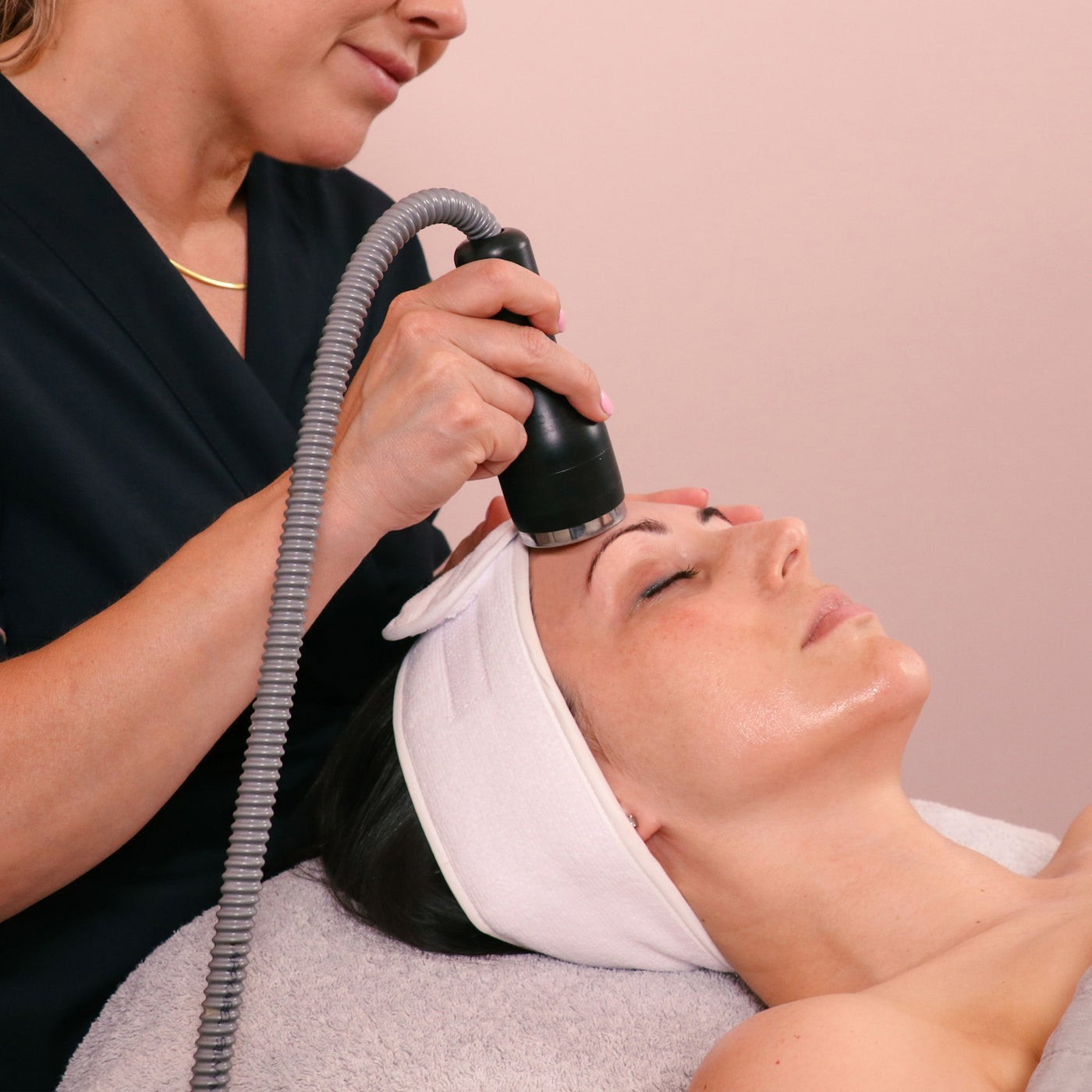
Ionzyme Treatment Principle and Ingredients Used, and When to Avoid It
An ionzyme facial softens and clears the outer skin layer, then uses electrical iontophoresis and ultrasound vibration to drive vitamins and other nutrients deep into the skin. Here is why that works better than simply applying a product by hand, which ingredients are typically paired with it, and what to check before booking one.
By Dr. Kim
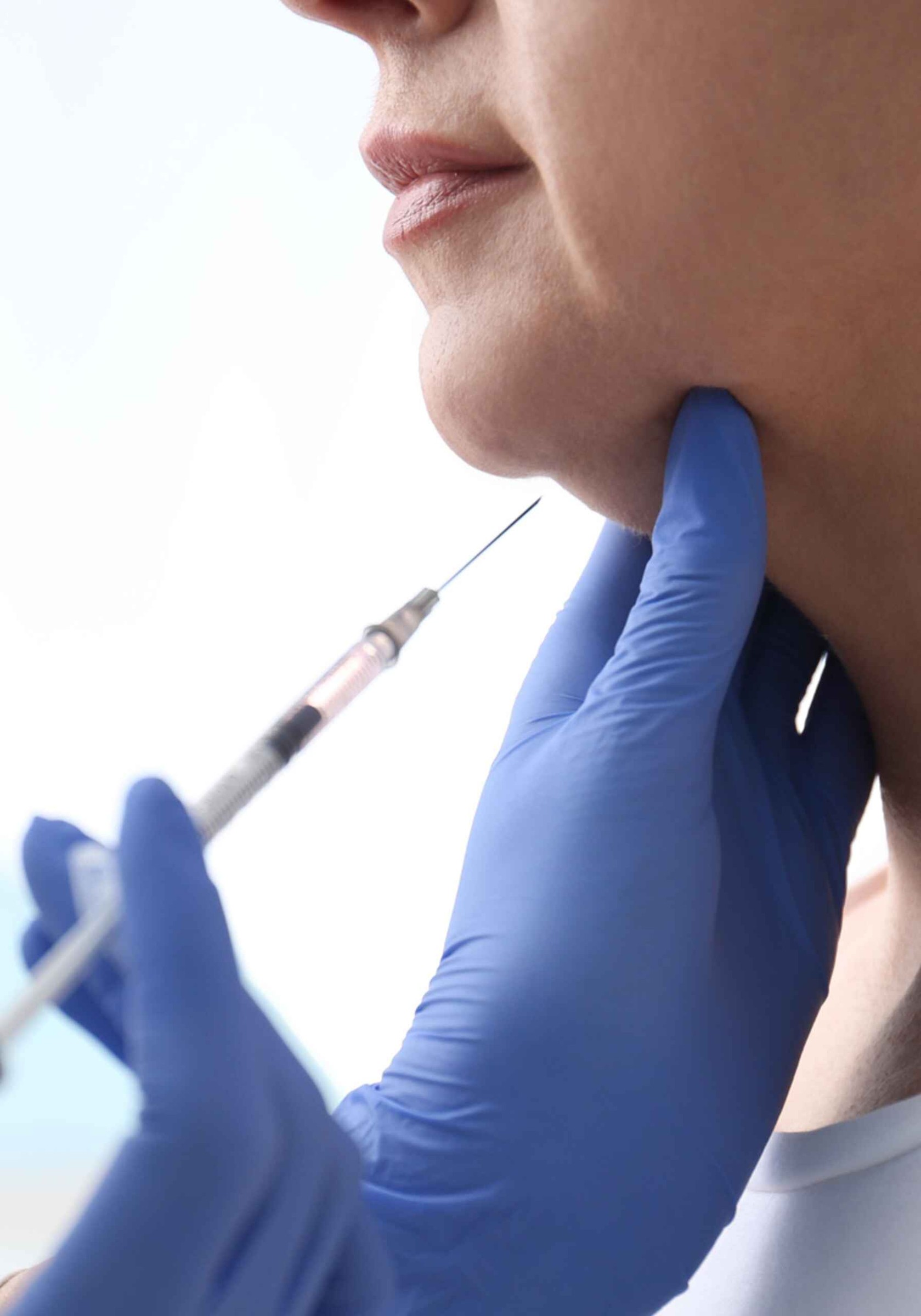
APL Slim Injection: How It Works, Treatment Areas and Reactions Afterward
APL slim injections deliver a special solution that is more diluted than body fluid directly into the fat layer, using an osmotic pressure difference to burst fat cells. It stands apart from other fat dissolving injections by containing no PPC or steroid ingredients. Here is how the mechanism works, where it is typically used, and what to expect afterward.
By Dr. Lee