APL Slim Injection: How It Works, Treatment Areas and Reactions Afterward
By Dr. Lee7 min read
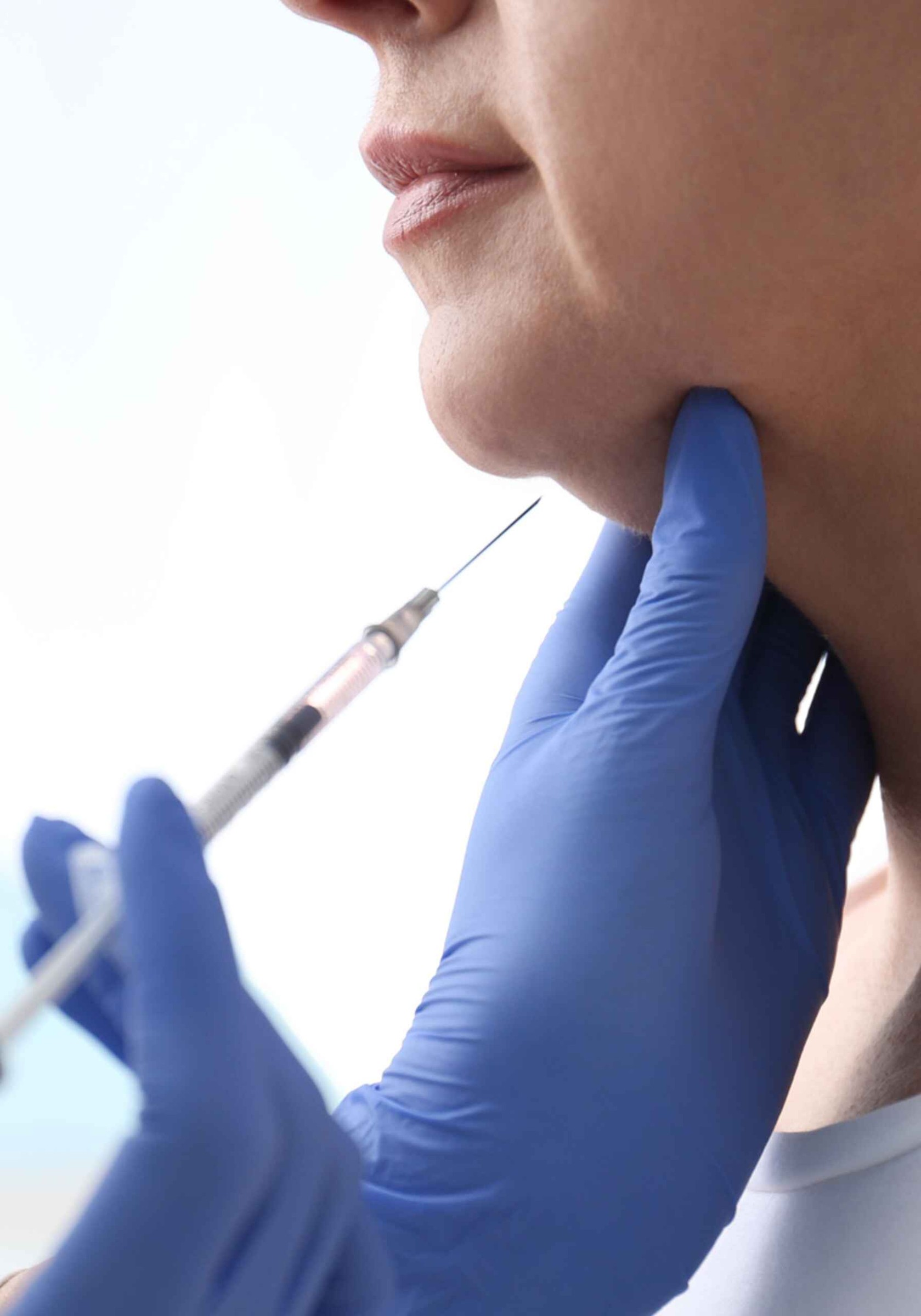
Many people struggle with stubborn fat in areas like the face, upper arms, or ankles that just will not budge no matter how much weight they lose overall. It is common for the rest of the body to slim down while one particular spot stays exactly the same. This is where injecting a targeted area directly, to shrink the fat cells right there, has drawn attention. APL slim injections are one such option, working by using osmotic pressure, a purely physical force, to burst the fat cells apart. Here is how the mechanism works, how it differs from other fat dissolving injections, and what makes it distinct area by area.
What makes APL Slim injection different?
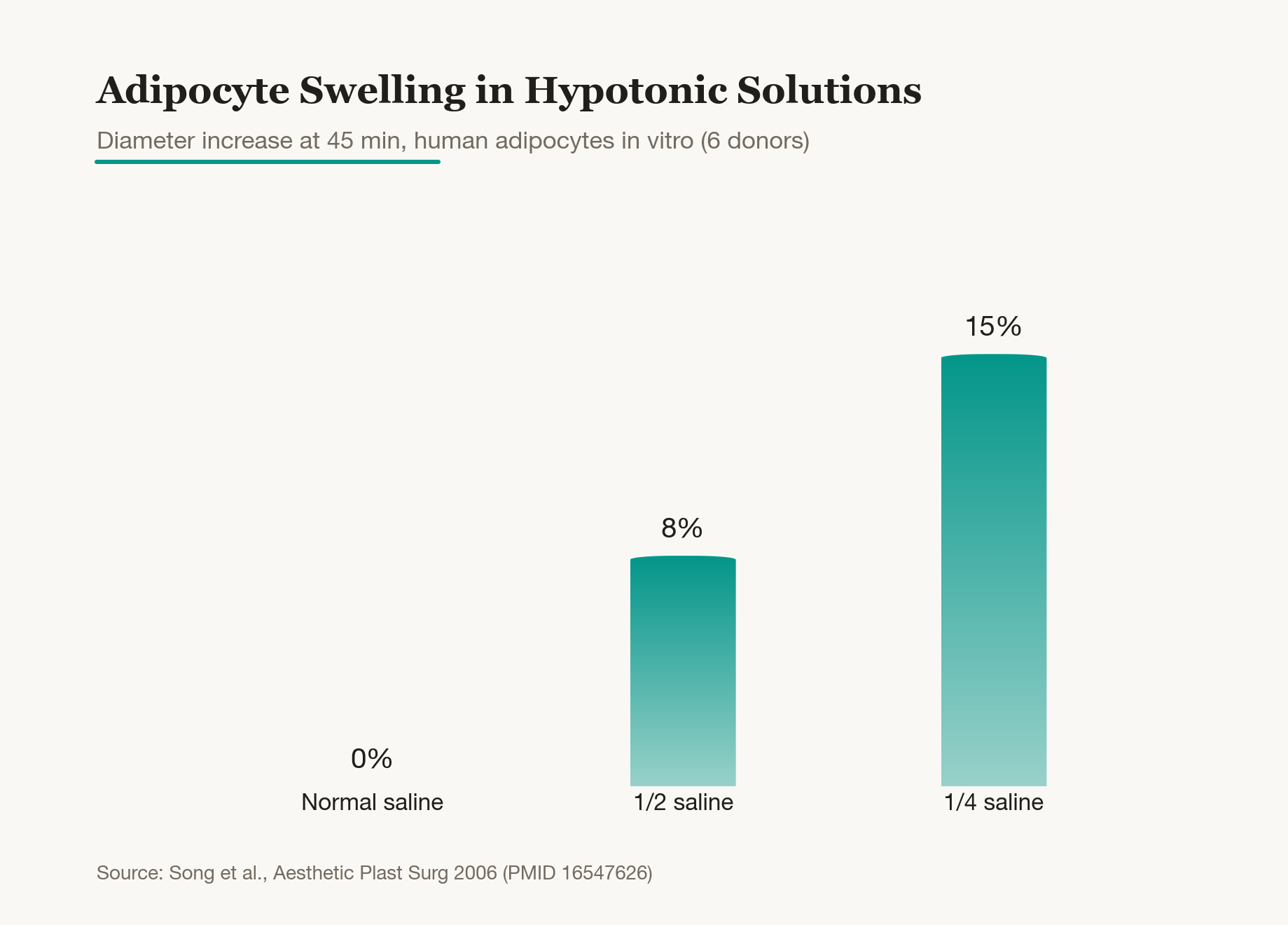
Instead of introducing a chemical that dissolves fat, an APL slim injection delivers a special solution with a lower concentration than body fluid directly into the fat layer. Lower concentration here simply means the solution is close to plain water, much more diluted. Cells in the body constantly try to balance their concentration with the surrounding fluid, and when that balance is suddenly thrown off, water rushes into the cell.
The name APL itself points to this mechanism. Because it works by delivering a physical shock that ruptures the cell membrane, its approach is fundamentally different from conventional fat dissolving injections that rely on chemical ingredients. That is why the word burst describes this procedure more accurately than dissolve.
How osmotic pressure bursts fat cells
Osmosis is the force that drives water to move from a diluted solution toward a more concentrated one whenever the two meet. You may have seen grapes soaked in plain water swell up and become plump over time. That happens because the sugar concentration inside the grape is higher than the surrounding water, so water keeps flowing into the grape.
Fat cells respond in much the same way. When a solution more diluted than body fluid enters the fat layer, water pours into the cell in an attempt to even out the concentration difference between the inside and outside. The cell swells far beyond its normal size, and once the membrane can no longer withstand the pressure, it ruptures. It is the same principle as a balloon that finally pops after being filled with too much air.
This entire process is a matter of physical pressure, not a chemical reaction. That is the core idea behind this procedure, breaking down fat cells without any dissolving enzyme or detergent-like ingredient.
Where does the burst fat go?
Once the cell membrane ruptures, the fat content and cellular debris inside spill out into the surrounding tissue space. From that point on, the body's own cleanup system takes over.
Macrophages, the immune cells that patrol the body and clear away debris, engulf the released fat and cellular remnants. What they process then travels through the lymphatic vessels, the body's internal drainage network, joins the bloodstream, and is ultimately metabolized in the liver. It helps to think of it as similar to how the body naturally responds to heal a wound on its own.
This cleanup process takes anywhere from several days to a few weeks. So the results tend not to appear right on the day of treatment, but rather show up gradually as the treated area shrinks while the body works through clearing out the debris.
What does reducing the number of fat cells mean?
Once a person reaches adulthood, the total number of fat cells in the body is not thought to increase significantly. What mainly changes as someone gains or loses weight is the size of each individual cell. A cell swells when it stores more fat and shrinks again as that fat is used up.
Typical diet and exercise work by shrinking that size. A procedure like an APL slim injection, on the other hand, ruptures the cell membrane itself, an approach that reduces the actual number of fat cells in that area. Think of it as the difference between a balloon losing air and a balloon that pops and is simply gone.
Once the number of fat cells in a given area decreases, the total capacity for that area to grow again in the future is reduced, even if weight is regained. That said, the remaining cells can still expand, and outcomes can vary from person to person depending on overall weight changes and lifestyle habits.
Why doesn't it contain PPC or steroids?
Many of the fat dissolving injections that have long been in common use contain chemical ingredients such as PPC (phosphatidylcholine, a phospholipid that has a fat membrane dissolving property) or deoxycholic acid. These ingredients work in a detergent-like way, breaking down the fat cell membrane directly.
An APL slim injection relies solely on the physical force of a concentration difference instead of these chemical ingredients. That is said to lead to the following differences.
- Swelling and pain: Chemical ingredients can sometimes irritate the surrounding tissue as well, while the osmotic approach is understood to act mostly on the targeted fat cells, resulting in comparatively less irritation, since there is no chemical reaction dissolving the membrane involved.
- Risk of allergic reaction: Fewer added ingredients generally means less room for a hypersensitivity reaction to develop, simply because there are fewer types of foreign substances entering the body.
- Reliance on steroids: Some fat dissolving injections are combined with steroids to reduce inflammation, whereas APL is described as being designed to work without that ingredient. When irritation is minimal from the start, there is less need to add an anti-inflammatory drug on top.
That said, the exact composition used can vary by product and clinic, so it is worth checking the ingredients of the solution being used before treatment.
Which areas is it mostly used on?
An APL slim injection is not intended to treat overall body fat, but is mainly used to address localized fat that resists other methods. Areas where the fat layer is relatively thin and sits close to the skin are easier to reach with the injection, which makes the treatment more effective there.
Common target areas include the double chin and cheeks that affect the facial contour, the upper arms that are often left exposed by clothing, and the ankles, an area that tends to resist even diligent dieting. Because these areas are not especially large in volume, a visible change can often be achieved with localized injections alone.
Areas like the abdomen or thighs, on the other hand, have a thicker fat layer covering a wider area, making them too large to treat in a single injection session. For that reason, these areas are often approached over several sessions, or alongside other methods.
Swelling, firmness and bruising after treatment
Since the procedure works by rupturing fat cells with an injection, the body begins a healing response right after treatment, and a few reactions can be expected to appear together.
- Swelling and tightness: Because debris has been released into the tissue at the site where the fat cells ruptured, some swelling and a tight, achy feeling can accompany the area for a few days. It is also a sign that the body has begun working to clear the area.
- Bruising: Since the procedure involves multiple injections with a fine needle, tiny blood vessels can be irritated and cause bruising. This is generally expected to fade naturally over time.
- Temporary firmness: While the ruptured fat and macrophages are still gathered in the area, it can feel slightly firm to the touch. This gradually softens as the body finishes clearing the site.
During this period, it is recommended to let the body's own cleanup process run its course rather than massaging or pressing firmly on the area. Rubbing too soon can disturb tissue that has not yet settled and may actually slow the recovery. The speed of recovery and the intensity of these reactions vary from person to person, and how quickly the change becomes noticeable can also depend on the number of sessions and the size of the area treated.
References
Korean Dermatological Association, American Academy of Dermatology (AAD), and Ministry of Food and Drug Safety (MFDS).
Was this helpful?
About this article
Written by a practising aesthetic physician and intended for general education — not a substitute for individual medical advice.
Read next

Body Onda: Effects, Approach by Area, Number of Sessions and How Long It Lasts
Body Onda is a non-surgical body contouring treatment that uses microwave energy to selectively heat the fat layer beneath the skin, shrinking fat cells while tightening the skin above them. Here is why the heat targets fat rather than skin, why fat reduction and tightening happen together, how the approach differs for the abdomen, arms, and flanks, and how many sessions it takes to see lasting results.
By Dr. Kim
Ionzyme Treatment Principle and Ingredients Used, and When to Avoid It
An ionzyme facial softens and clears the outer skin layer, then uses electrical iontophoresis and ultrasound vibration to drive vitamins and other nutrients deep into the skin. Here is why that works better than simply applying a product by hand, which ingredients are typically paired with it, and what to check before booking one.
By Dr. Kim
MGF Baby Injection: How It Works, Results, and the Role of Growth Factors
The 'baby injection' treatment uses microneedling to deliver growth factors into the skin and support collagen production. One of those growth factors, MGF, is a substance the body naturally produces when tissue is damaged, carrying regeneration signals to cells. Here is how it works in the skin and how it differs from the other growth factors used alongside it.
By Dr. Lee