Neuramis Filler Types Compared: Which Gel for Which Area?
By Dr. Lee9 min read

If you have ever sat through a filler consultation, chances are you have heard the name Neuramis come up. But with several versions such as Light, Deep, and Volume trailing the name, it is easy to get confused about which one to choose. It gets even more confusing when you hear that one version is used for fine lines while another is used to fill in volume, even though they all carry the same Neuramis name.
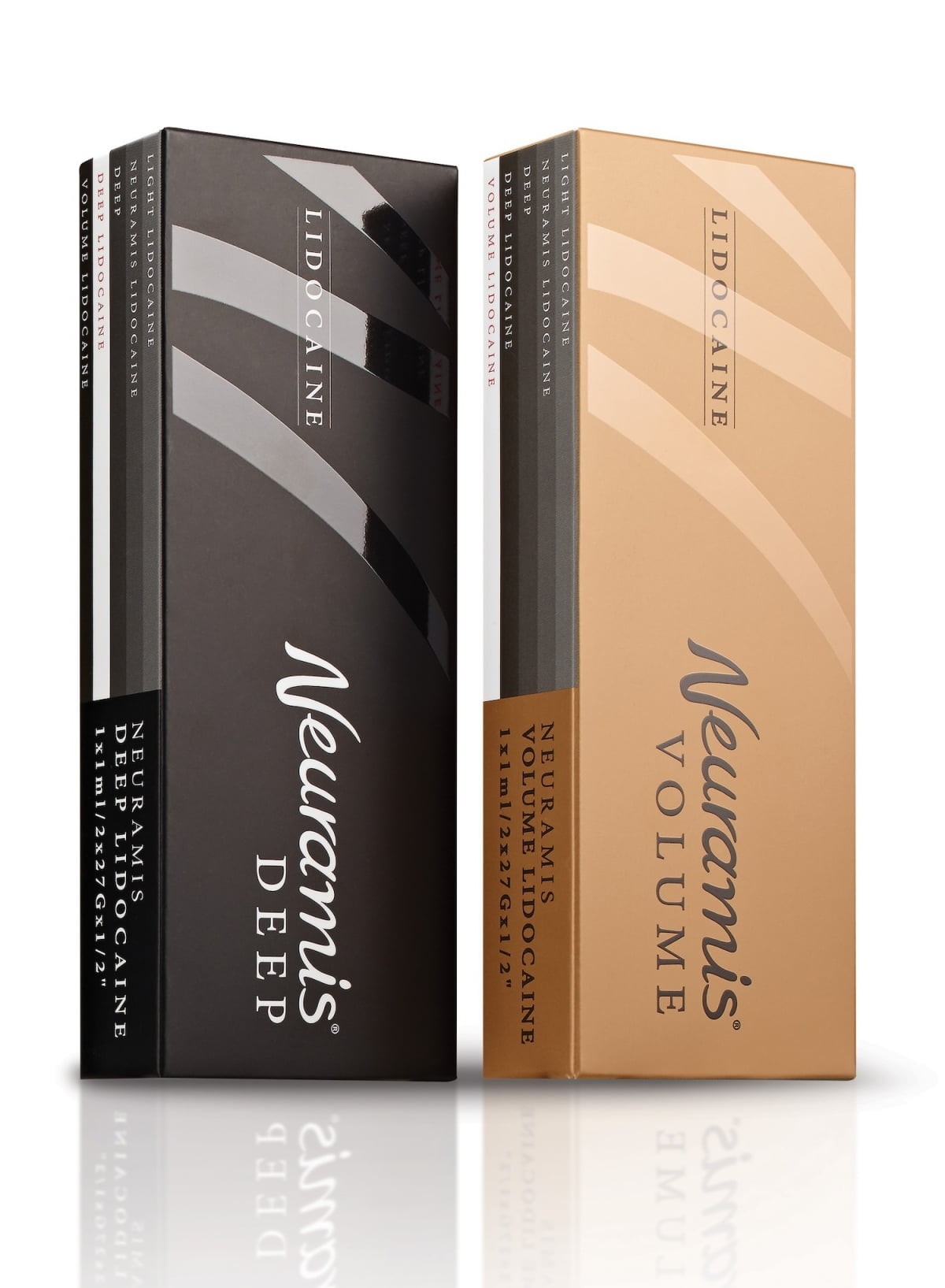
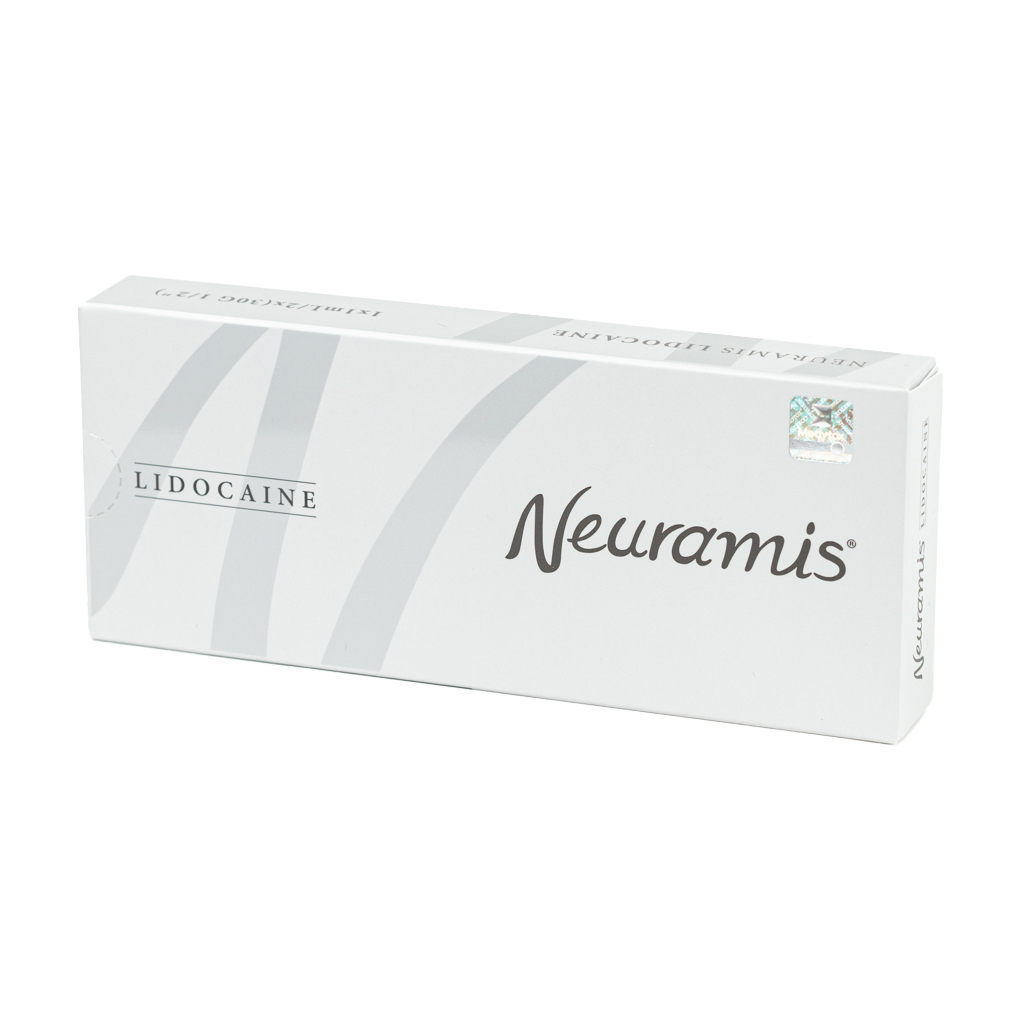
Here is the short version. Neuramis is a hyaluronic acid filler made by the Korean pharmaceutical company Medytox, and it comes in four versions based on how firm the gel is. Softer versions are meant for shallow fine lines, while firmer versions are meant for volume in the cheeks and chin. Below, we lay out how the four versions differ in a table, then walk through the clinical evidence and how Neuramis compares with other fillers, one step at a time.
| Product | Gel Firmness | Main Use |
|---|---|---|
| Neuramis Light | Soft | Fine lines, thin skin |
| Neuramis Classic | Medium | General wrinkles |
| Neuramis Deep | Firm | Nasolabial folds, marionette lines, lips |
| Neuramis Volume | Firmest | Cheek, chin, and cheekbone volume |
What kind of filler is Neuramis?
Neuramis is a hyaluronic acid filler that the Korean pharmaceutical company Medytox has offered since 2013. Hyaluronic acid is a substance already found in our skin, and it works by holding onto water to keep skin plump and hydrated. Neuramis is made using a monophasic method, cross-linking the hyaluronic acid into particles of a single size, and it uses a cross-linking agent called BDDE to hold the gel together and keep its shape.
Medytox has added its own technology called SHAPE, which splits the cross-linking and purification process into two stages to reduce impurities and improve the gel's stability. Made this way, the product has been approved by Korea's Ministry of Food and Drug Safety and is distributed domestically. Like other hyaluronic acid fillers, Neuramis can be dissolved and reversed with an enzyme called hyaluronidase if you are not happy with the result or a problem comes up after treatment. This reversibility is a safety feature shared by hyaluronic acid fillers in general rather than something unique to Neuramis, but it is still reassuring to know about before going ahead with treatment.

How do Light, Classic, Deep, and Volume differ?
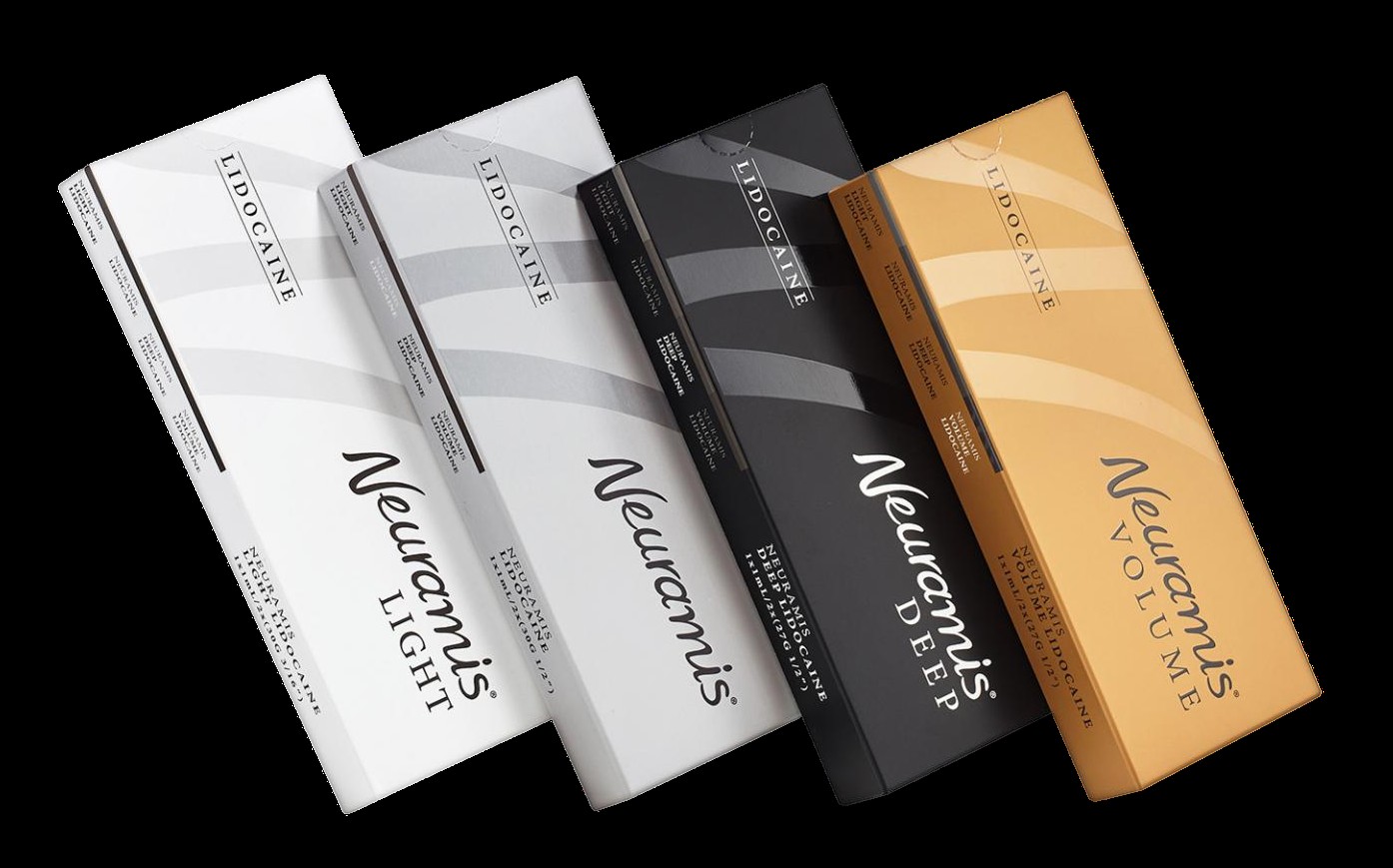
The Neuramis lineup is split into four versions based on gel firmness. Neuramis Light, the softest, suits fine lines in thin-skinned areas like around the eyes or on the forehead. Neuramis Classic, in the middle, is a bit firmer and is used to fill in the common wrinkles that show up across the face. Neuramis Deep is firmer still and works well in areas that need extra structural support, such as the nasolabial folds, the marionette lines running down to the corners of the mouth, and the lips.
Neuramis Volume, the firmest of the four, is used in areas that need actual volume built up and supported, such as the cheeks, chin, and cheekbones. All four products share the same hyaluronic acid base, but the degree of cross-linking gives each one a different gel firmness. The softer Light is designed to fill in shallow fine lines delicately, while the firmer Deep and Volume are designed to hold their shape and resist shifting once injected. That is how a single Neuramis line can cover everything from shallow fine lines to cheek and chin volume.
All four versions are also available in forms mixed with 0.3% lidocaine to reduce pain, so you can discuss anesthesia options separately when you go in for treatment.
Choosing by wrinkle depth and area
In practice, the choice of product depends on the area and type of wrinkle you are dealing with. Here is a summary table.
| Concern | Recommended Product | Gel Firmness |
|---|---|---|
| Fine lines around the eyes and forehead (thin skin) | Neuramis Light | Soft |
| General wrinkles on the forehead and between the brows | Neuramis Classic | Medium |
| Nasolabial folds, marionette lines, lips | Neuramis Deep | Firm |
| Cheek, chin, cheekbone volume | Neuramis Volume | Firmest |
For thin, delicate areas such as fine lines around the eyes or shallow wrinkles on the forehead, the softest option, Neuramis Light, is the right fit. For general wrinkles that are a bit more defined, on the forehead or between the brows, Neuramis Classic is used.
For wrinkles that deepen with expression, such as nasolabial folds or marionette lines, and for areas like the lips that need a clearly defined shape, the firmer Neuramis Deep is typically used. Areas lacking actual facial volume, such as the cheeks, chin, or cheekbones, are treated with the firmest option, Neuramis Volume. It helps to think of it this way: the softer the gel, the better suited it is for shallow fine lines, and the firmer the gel, the better suited it is for defined wrinkles and volume.
In actual practice, it is common to combine several products rather than rely on just one, for example using Neuramis Deep for the nasolabial folds and Neuramis Volume for sunken cheeks. Matching the right firmness to each area tends to give the whole face a more natural result. That is why it helps to mention every concern you have during your consultation and work with your provider to decide which product goes where and how much to use.
What did the comparison trial results show?
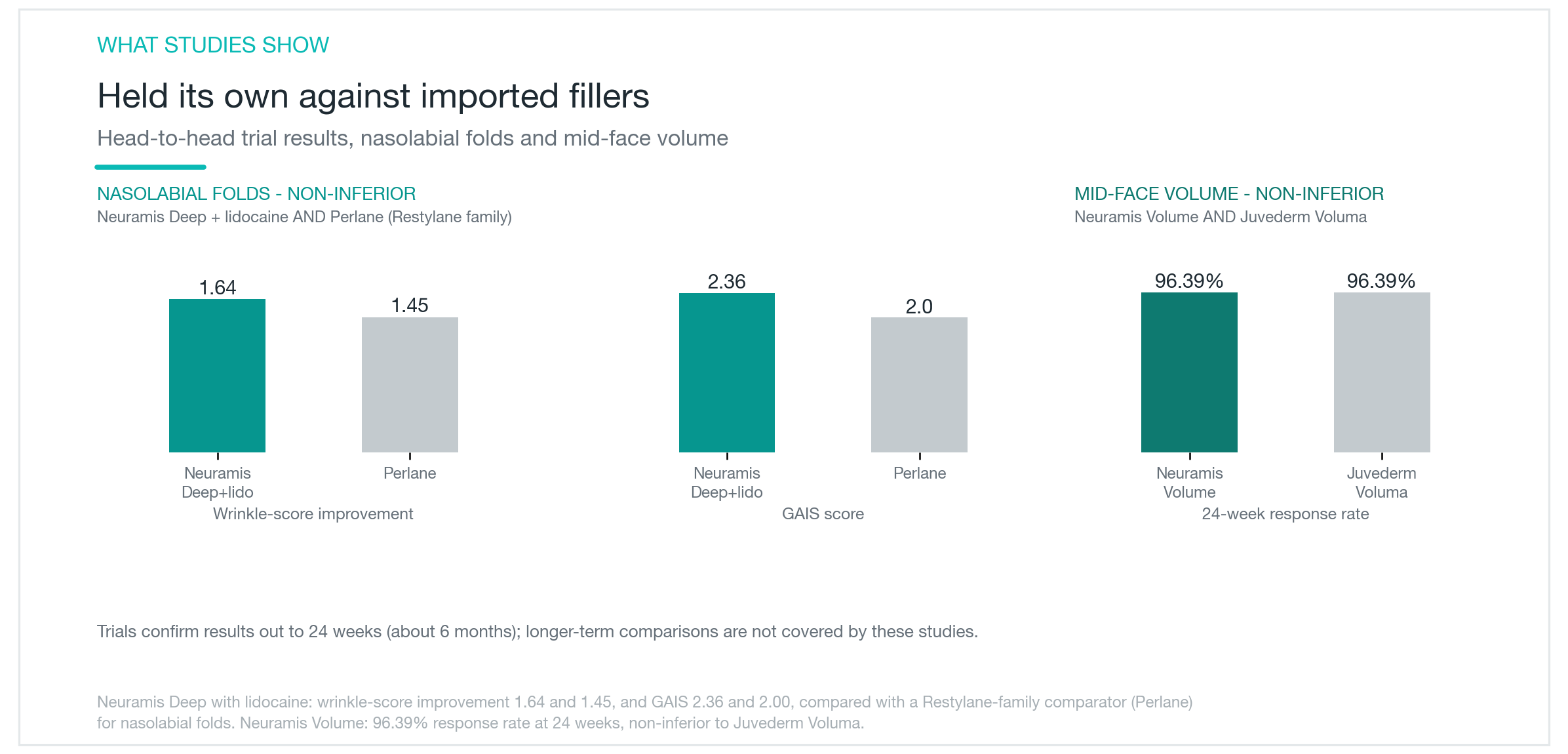
Neuramis's effectiveness has been confirmed in several clinical trials. One study compared 67 people who received Neuramis Deep for nasolabial folds against those who received Restylane, and found no difference in improvement between the two groups, showing that Neuramis Deep was non-inferior to Restylane. Another study split 58 people between lidocaine-mixed Neuramis Deep and Perlane, and found that Neuramis Deep scored higher on the wrinkle improvement score (WSRS) at 1.64 compared with 1.45 for Perlane, and also scored higher on the physician-rated global improvement score (GAIS) at 2.36 compared with 2.00 for Perlane.
Volume-filling products have evidence behind them too. A study that split 88 people between lidocaine-mixed Neuramis Volume and Juvederm Voluma and followed them for 24 weeks found identical response rates of 96.39% for both products, showing that Neuramis Volume was non-inferior to Voluma. It is worth keeping in mind, though, that most of these clinical trials only tracked results for up to 24 weeks, or about 6 months. Claims about longer-lasting effects beyond that point tend to come from product descriptions or advertising rather than from clinical trials that followed patients past the 6-month mark.
Where does it stand against imported fillers?
Besides Neuramis, Korea also has domestic hyaluronic acid fillers like Yvoire and Cleviel, and imported products like Restylane and Juvederm remain in steady use as well. Here is a table summarizing where each filler stands.
| Filler | Origin | Characteristics |
|---|---|---|
| Neuramis | Domestic | Monophasic hyaluronic acid, reversible with hyaluronidase, has the most head-to-head clinical evidence among domestic fillers |
| Yvoire | Domestic | A domestic hyaluronic acid filler widely used within Korea |
| Cleviel | Domestic | A domestic hyaluronic acid filler with a similar market position |
| Juvederm | Imported | The comparator in Neuramis Volume's midface trial (Voluma) |
| Restylane | Imported | The comparator in Neuramis Deep's nasolabial fold trial (Perlane) |
Neuramis has several clinical results comparing it against Restylane, Perlane, and Juvederm Voluma, giving it a relatively solid base of evidence among domestic hyaluronic acid fillers. That said, these results confirm non-inferiority to the imported products rather than showing that Neuramis lasts longer or performs better. A head-to-head trial of 370 participants comparing it directly against Yvoire Volume Plus has also been completed, but the results have not yet been published, so it is too early to say which one comes out ahead.
Being domestically made, it tends to be more affordable, but it is more accurate to see it as one well-supported option rather than to declare it superior to imported products. In the end, rather than ranking one filler as unconditionally better, the practical approach is to choose among the products with solid evidence based on the area you are concerned about and the result you want.
Precautions to confirm before treatment
When choosing Neuramis, it helps to start by sorting out exactly what concern you want to address. The right product depends on whether fine lines bother you, whether you are dealing with more defined wrinkles like nasolabial folds, or whether you are lacking volume in the cheeks or chin. If you are sensitive to pain, it also helps to ask ahead of time whether a lidocaine-mixed version is available.
In terms of safety, the same precautions that apply to hyaluronic acid fillers in general apply here as well. If Neuramis is accidentally injected into a blood vessel, it can cause tissue damage in that area or, rarely, lead to more serious complications, which is why it matters to be treated by a provider who knows vascular anatomy well. Fortunately, since Neuramis is made from hyaluronic acid, it can be dissolved and reversed with hyaluronidase if a problem occurs or you are unhappy with the result. Checking beforehand whether the clinic keeps hyaluronidase on hand makes it much easier to respond if anything goes wrong.
It is safer to avoid treatment if you are pregnant or breastfeeding, if you have had a hypersensitivity reaction to hyaluronic acid before, or if there is inflammation or infection at the treatment site. In the end, Neuramis is a domestic hyaluronic acid filler line divided by area of use, and choosing the version that matches your concern and having it done by an experienced provider gives you the best chance at a safe, natural-looking result.
Was this helpful?
About this article
Written by a practising aesthetic physician and intended for general education — not a substitute for individual medical advice.
Read next

Lip Filler Effects and Duration, Including Lumps and Side Effects
A close look at lip filler results, how long they last, and side effects like lumping and asymmetry, plus which filler formula suits a part of the face that moves as much as the lips. We cover the science behind restoring the Cupid's bow and lip corners, the trend toward smaller volumes, and vascular complication safety with hyaluronidase, all backed by real study numbers.
By Dr. Lee
Lip Filler Duration and Side Effects, Including Aftercare
Lip volume filler works by drawing in water through hyaluronic acid as it settles into place. Because lips move more than other areas, how long results last and how recovery unfolds differ too. Here's a full rundown of the texture differences between filler types and how to care for results safely.
By Dr. Kim

Crow's Feet Botox: Effects, Duration and Dose
A clear look at how crow's feet Botox works. It eases the orbicularis oculi muscle that creases the outer eye corner when you smile, softening the lines it leaves behind. This guide covers the standard 24-unit dose split across both sides, where the injections go, when results show up, the roughly four-month duration, the limits for deep static wrinkles, and side effects, all backed by real clinical study numbers.
By Dr. Kim