Love Handle Fat Freezing and Fat-Dissolving Injections: Differences and Results Compared
By Dr. Kim7 min read
The soft roll you can grab at your sides, what most people call love handles, tends to be the last thing to budge even after months of serious dieting. It's a common story: the scale drops, but the waistline barely changes.
It's not really about how much fat is there. The fat cells in this area behave differently from fat cells elsewhere on the body, which is why they resist even aggressive dieting. That's why, alongside overall weight loss, more people are turning to treatments that target the fat cells in this exact spot. The two main options are cooling the fat cells from outside the skin until they break down, and injecting a solution that dissolves the fat cell membrane directly. Let's break down how each one actually works.
Why won't love handles go away even with exercise?
Every fat cell has two types of receptors on its surface that pick up the signal to break down fat. Beta receptors speed up fat breakdown, while alpha receptors actually hold it back. The ratio between the two isn't the same everywhere on the body.
Stubborn areas like the flanks and lower abdomen tend to have a higher proportion of those fat-blocking alpha receptors. So even when your body sends out the signal that it needs energy during exercise, this area simply responds to that signal more sluggishly than other spots. Think of it like two radios tuned to the same broadcast, but one has much weaker reception.
On top of that, once you're an adult, the number of fat cells you have stays fairly fixed. What changes is how big or small each individual cell gets. So when overall dieting shrinks those cells, an area that already had more fat cells packed into it will naturally show less visible change. That's exactly why a targeted, spot-specific approach matters.
How fat freezing shrinks fat cells
Fat starts to solidify at a higher temperature than water. Even around 10 degrees Celsius, a temperature where water is still very much liquid, the lipids inside a fat cell already begin crystallizing. So when the same cold is applied, the fat cells take the hit first while water-rich tissue like skin and muscle is relatively spared. Cooling-based fat reduction is built entirely around this temperature gap.
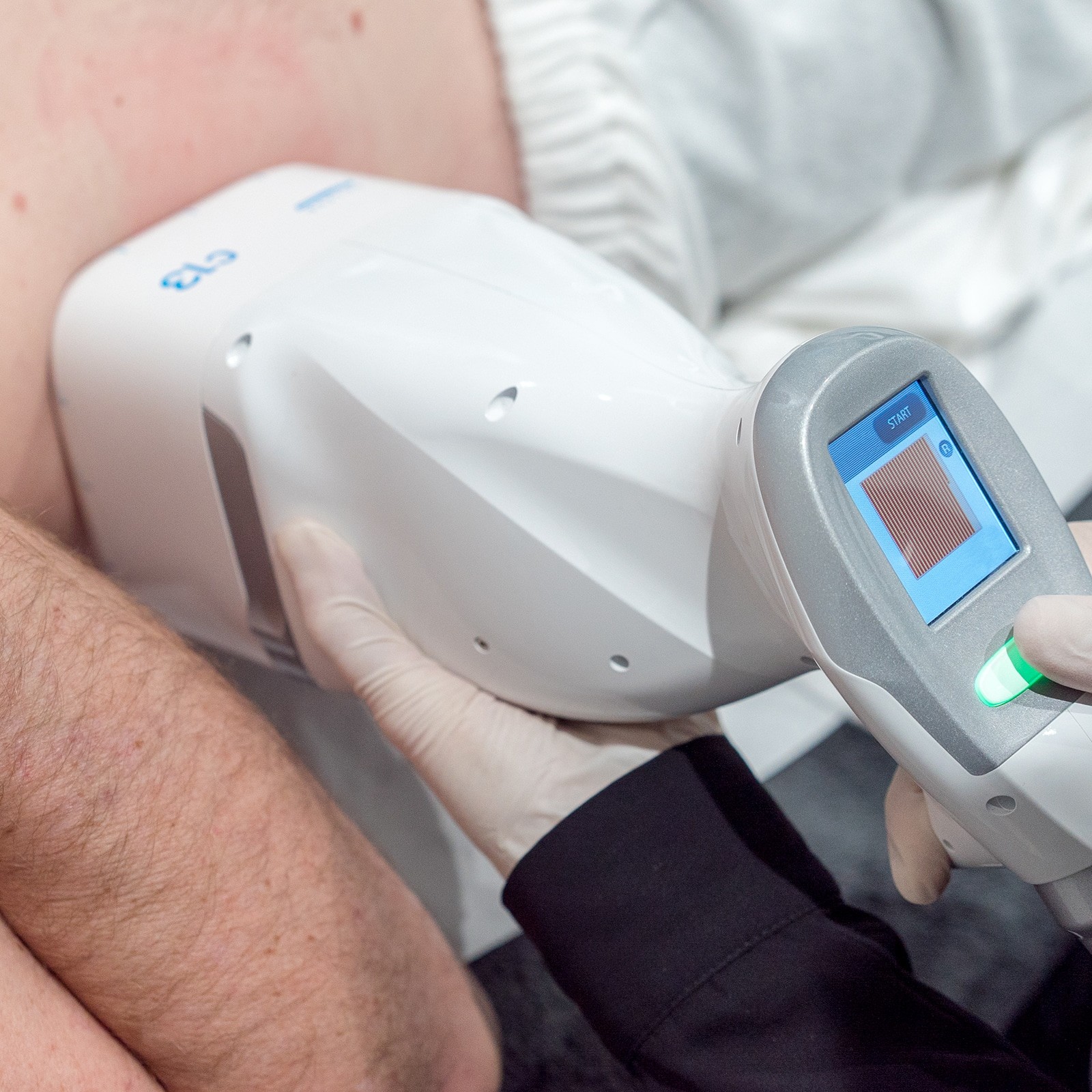
A specialized cooling applicator is placed on the skin, which exposes only the fat layer underneath to low temperatures. As the fat inside those cells gradually crystallizes, the cell structure itself gets damaged. Picture a stick of butter left in ice water for a long time; it slowly hardens the same way.
That damaged fat cell doesn't disappear right away. Instead, it enters apoptosis, a process where the cell essentially programs its own death. It's the same quiet cleanup mechanism your body already uses to clear out old or damaged cells. Over the following weeks to months, immune cells gradually clear away the dead fat cells, and that's when the volume actually shrinks.
How fat-dissolving injections break down the cell membrane
The other option that's often compared to cooling is the fat-dissolving injection. Its active ingredient is deoxycholic acid, a type of bile acid your body already produces to help digest fat.
Deoxycholic acid works a lot like dish soap. Just as soap breaks down the grease film on a dirty plate so it rinses away, this compound breaks down the fat cell's membrane directly. So instead of the slow, gradual apoptosis triggered by cooling, the membrane starts breaking down almost immediately after injection, and the fat cell ruptures much faster.
Because so many cells break down at once, inflammation and swelling naturally follow. This ingredient was originally approved in the United States for reducing fat under the chin, and its use on other areas like the flanks is largely an extension of that same principle. Fat layer thickness, nerve, and blood vessel distribution all vary from area to area, so it's worth confirming beforehand that your provider has real experience treating that specific spot.
Freezing versus injections: how does recovery differ?
Apoptosis and membrane rupture unfold at completely different speeds inside the body, which is why what you feel in the days after treatment can look quite different depending on which method you had.
Because cooling is a gradual process of the cell preparing to die, the early days are mostly marked by numbness or a tingling sensation, with relatively little swelling reported. Injections are the opposite: since the membrane collapses right away and triggers a fast inflammatory response, firmness and swelling at the treated site can linger anywhere from a few days to several weeks.
None of this means something went wrong; it's simply the natural result of the two methods clearing fat cells in different ways. That said, if swelling or firmness is severe or drags on longer than expected, it's always worth going back to your provider to have it checked.
When do results start to show?
Neither method slims your waistline the moment treatment ends. Your body still needs time to actually clear out the dead fat cells.
That job falls to macrophages, the immune cells that specialize in engulfing waste and debris. They gradually swallow up the remnants of dead fat cells, break them down, and carry them out of the body, a process that typically plays out over weeks to months. That's why the change in volume never shows up all at once; it emerges slowly, over time.
That's also why it's too early to judge results right after the procedure. It's easy to mistake post-treatment swelling for actual fat loss, but the change that remains once the swelling has fully gone down is the one that reflects real fat reduction.
What are the limits of love handle treatment?
Spot fat reduction is genuinely useful, but it isn't a cure-all. Here are a few limitations worth knowing before you consider treatment.
- It's not a substitute for weight loss: This approach is focused purely on reducing fat cells in one specific area, separate from overall weight or metabolic health. Without diet and exercise behind it, fat everywhere else on your body stays exactly where it was.
- It only reaches fat just under the skin: Both the cooling applicator and the injection are limited to subcutaneous fat, the layer directly beneath the skin. Visceral fat stored deeper around the organs is a completely different target and won't shrink from either method.
- Results vary widely from person to person: How much fat was concentrated in that area to begin with, and how much skin elasticity you have, both shape how noticeable the change ends up being. Two people can get the exact same treatment and see different results simply because they started from different places.
- It won't tighten sagging skin: The mechanism reduces fat cell volume; it doesn't tighten the skin itself. If skin elasticity is already significantly reduced, losing that fat volume can actually make the skin look looser than before.
Aftercare and lifestyle habits
The basic rule of aftercare is simple: don't get in the way of your body's own cleanup process.
- For the first few days after treatment, it's recommended to avoid heavy massage or prolonged pressure on the area. Disturbing the damaged fat cells and surrounding tissue before they've had time to settle can slow down recovery.
- Drinking plenty of water is generally advised. Macrophages need adequate hydration to clear away fat debris and flush waste out of the body.
- Swelling and bruising at the treatment site usually fade naturally over time, though recovery speed varies from person to person.
- Since it can take several months for the final result to fully show, keeping up healthy eating and exercise in the meantime makes the overall change in your shape stand out even more clearly.
References
Korean Dermatological Association, American Academy of Dermatology (AAD), and Ministry of Food and Drug Safety (MFDS).
Was this helpful?
About this article
Written by a practising aesthetic physician and intended for general education — not a substitute for individual medical advice.
Read next
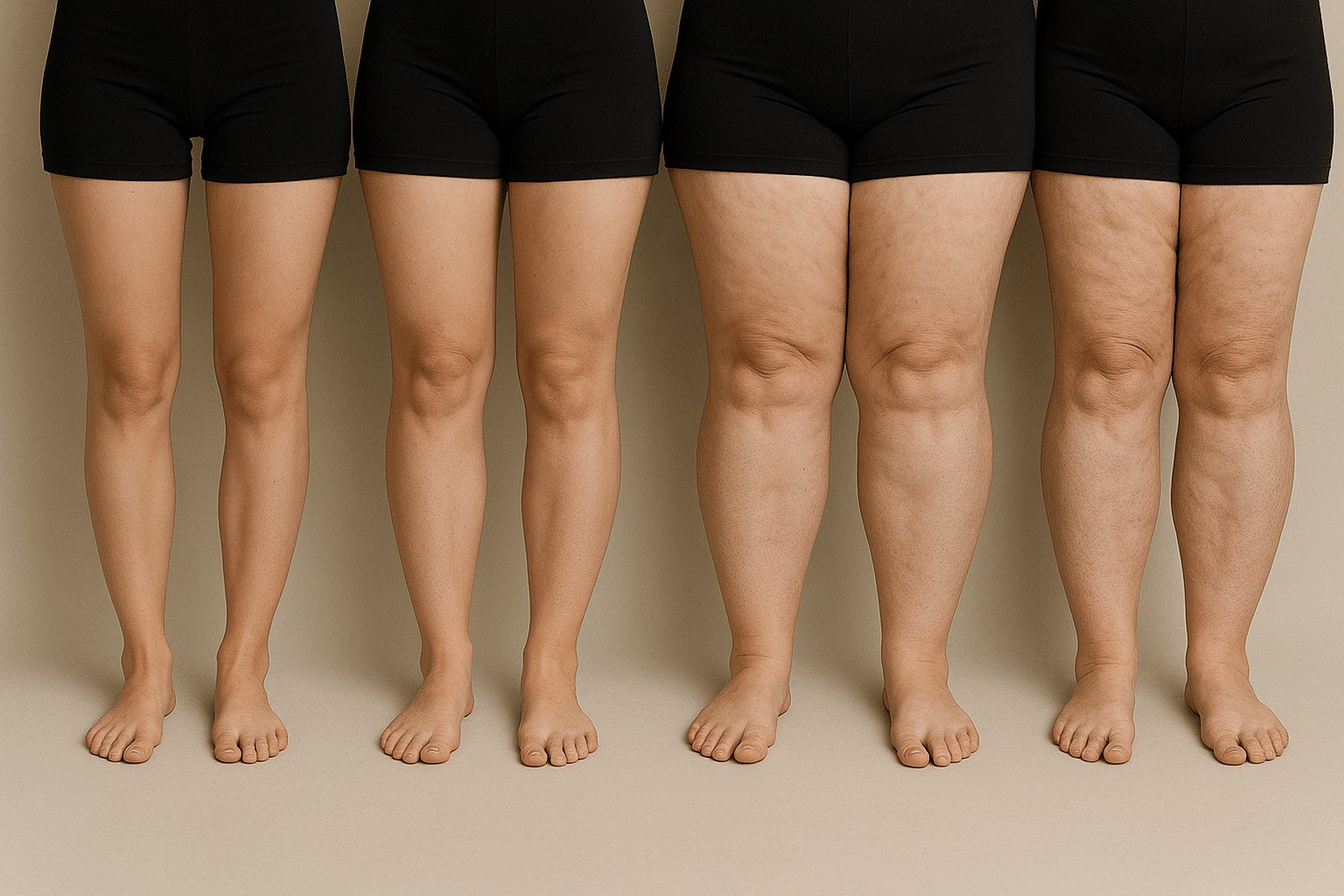
Thigh Fat Treatments: Types, How They Work, Effect Differences and Aftercare
Thighs are one of the areas that stay stubborn even with disciplined exercise and diet. Localized fat treatments that act directly on fat cells through cooling, injections, or heat energy have become a common way to address these areas. Here is how each method actually breaks down fat cells, and how they differ.
By Dr. Kim
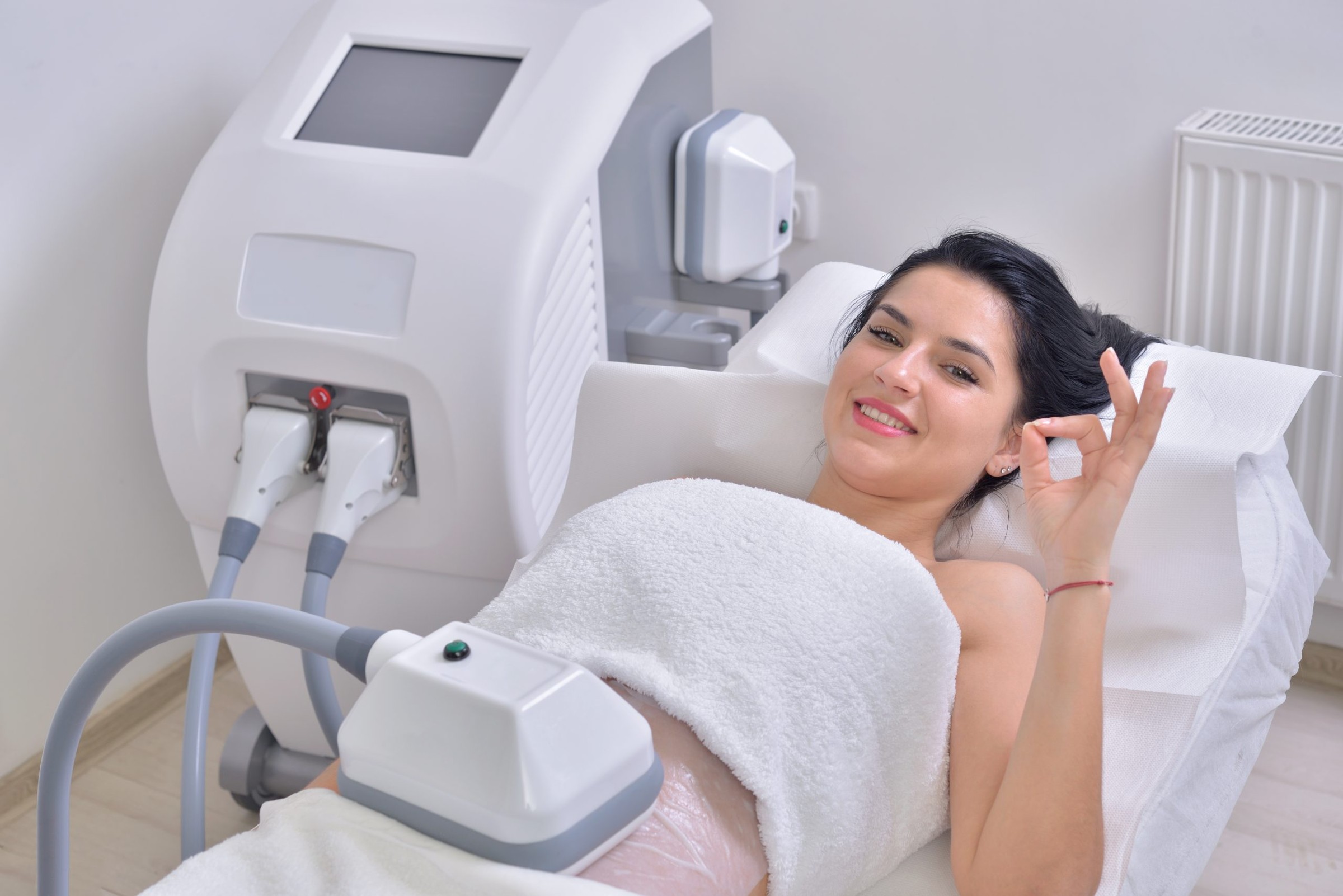
Arm Fat Injection and CoolSculpting: Differences and Effects Compared
Lipolysis injections and CoolSculpting come up together as the go-to answers for stubborn arm fat. They break down fat cells through different mechanisms and on different timelines, and understanding that difference helps you match the right choice to your own arms.
By Dr. Kim
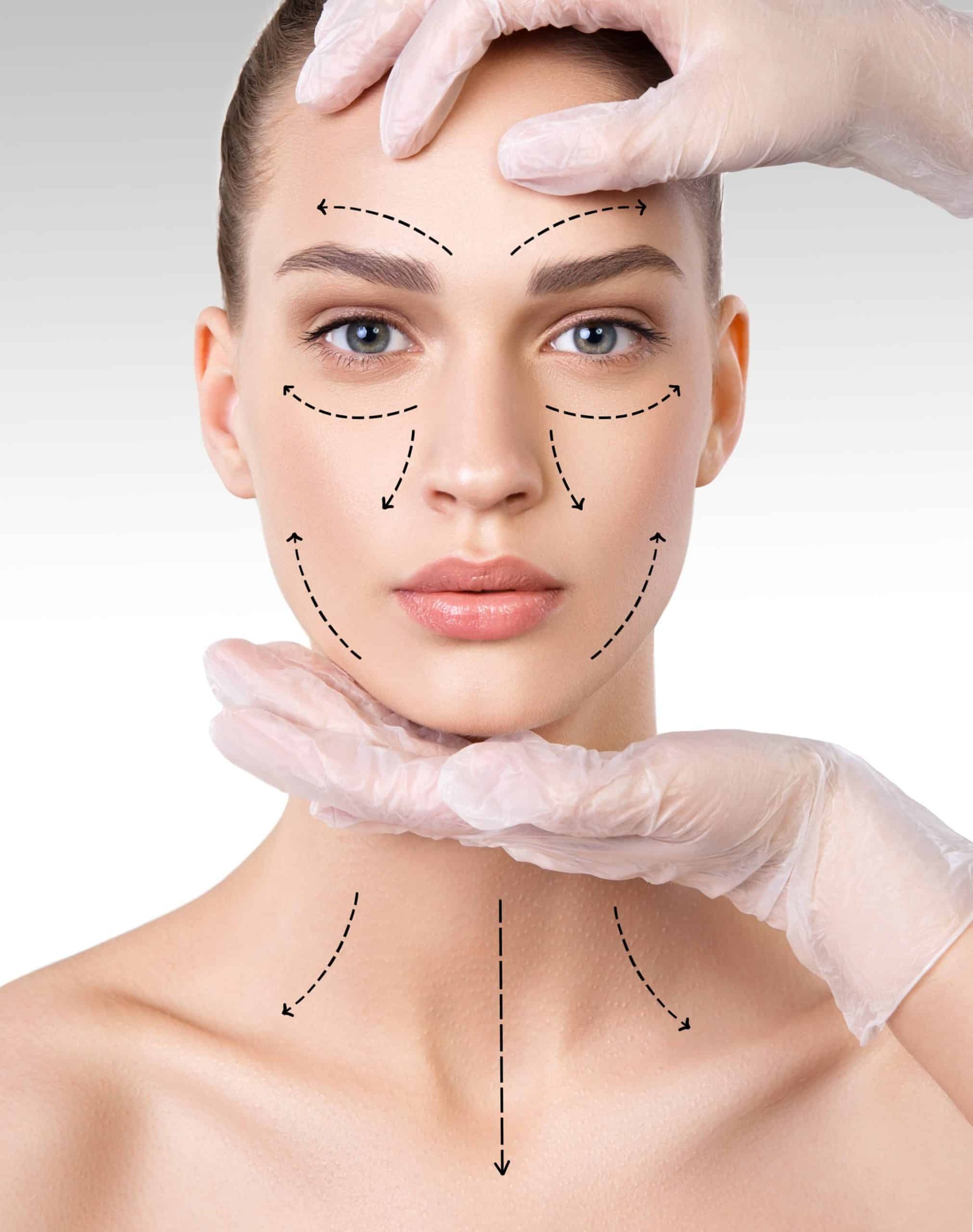
Why a Jawline Blurs: Telling Fat From Sagging, and Comparing Treatments
A blurred jawline usually comes down to one of two things: extra fat, or sagging skin and fascia. The two causes feel different to the touch, and that difference determines whether fat-dissolving injections, radiofrequency, or thread lifting is the better fit. Here is how to tell them apart and how each treatment actually works.
By Dr. Kim