Lizne Skin Booster: Can It Be Used Around the Eyes and Mouth?
By Dr. Kim6 min read
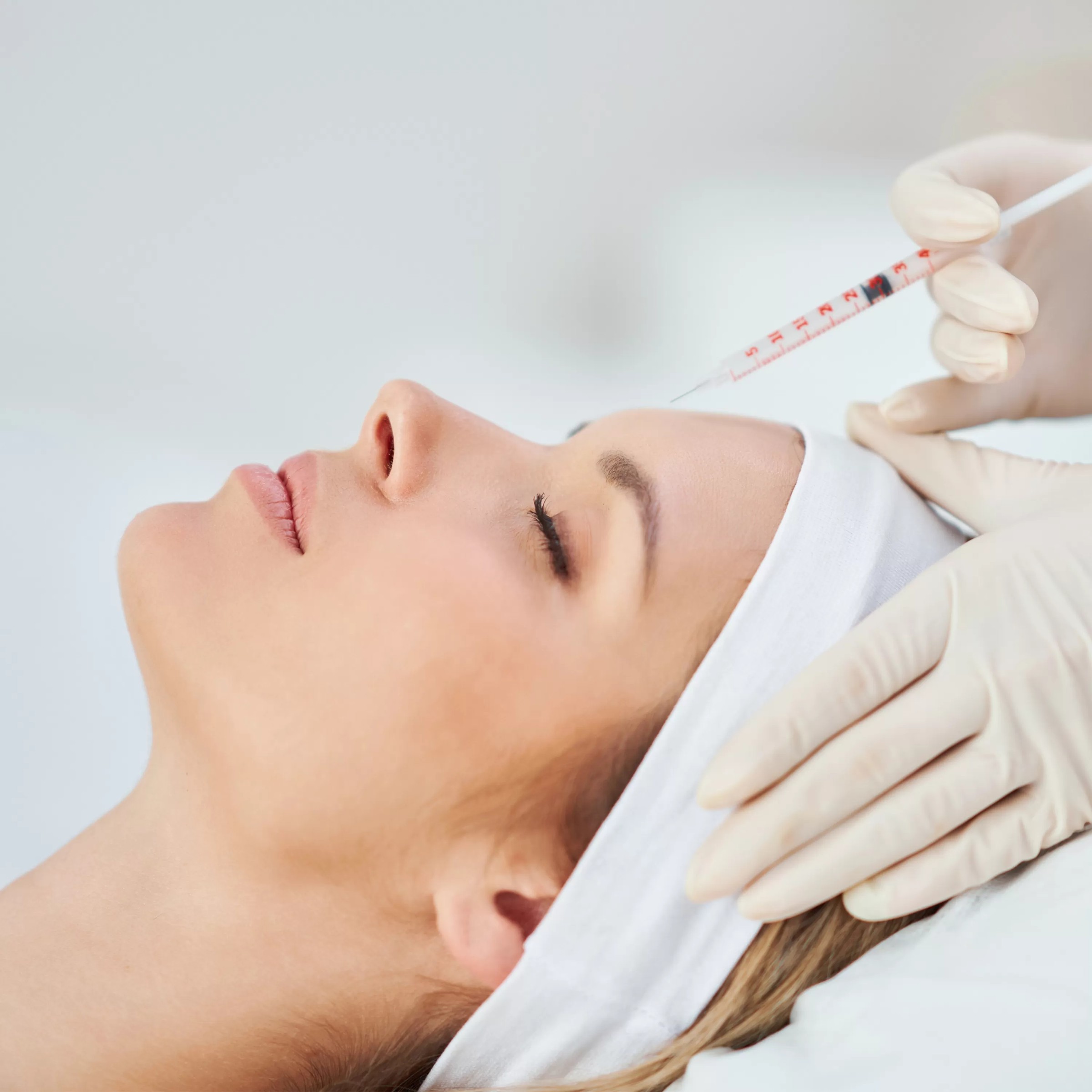
Lizne is a skin booster built mainly on PN, or polynucleotide, extracted from salmon species. The word polynucleotide sounds technical, but the idea behind it is simple. It refers to purified fragments of DNA taken from salmon milt or roe and prepared as an injectable material for the skin.
The ingredient itself is already familiar from salmon injection treatments like Rejuran, but Lizne stands out for being tailored to thin and sensitive skin. It is designed to be applied gently to delicate areas such as the eyes and mouth, and to skin that reacts easily to irritation. Here is why it tends to suit sensitive areas so well, and how the effect builds with each additional session.
What ingredient is Lizne made from?
The core ingredient in Lizne is PN, or polynucleotide. It comes from DNA fragments taken from the milt or eggs of salmon species, then purified and stabilized into an injectable form. In simple terms, it is a fine, purified fraction of salmon genetic material.
Injecting this directly into the dermis serves a clear purpose. Skincare applied on the surface is blocked by the stratum corneum, the skin's outer barrier, and struggles to penetrate deeply. The dermis, on the other hand, is where collagen and fibroblasts live, so delivering the material there sends a signal directly to the cells responsible for regeneration and barrier repair.
How PN restores the skin
Once inside the body, PN is not recognized as a foreign substance but as something familiar. Its structure as DNA fragments is close to material already present in our own cells. Because of this, as the body breaks PN down, it can reuse the byproducts as raw material for cell regeneration.
This process is said to activate fibroblasts and encourage collagen production. Fibroblasts are the cells that build the collagen and elastin supporting the skin, so PN's stimulation of these cells helps the skin's own recovery ability. At the same time, the lipids and moisture-binding function that make up the skin barrier are also described as improving alongside this process.
Why can it be used around the eyes and mouth?
Areas like the eyes, mouth, and neck have thin skin with a dense network of nerves and blood vessels close to the surface. Strong treatments in these areas carry a higher risk of side effects and can slow recovery. Lizne is described as suitable for these regions because PN works by guiding regeneration rather than triggering a strong chemical reaction.
In other words, it does not force a result by aggressively stimulating the skin. It works closer to supporting the recovery ability the skin already has. That is why it is presented as comfortable to use even on skin that is damaged, sensitized, or worn down from frequent treatments or sun exposure.
Lizne is also formulated with particle size and viscosity adjusted for thinner skin. If a material is too viscous or the particles too coarse, it can clump or create an uneven surface under thin skin, so a smoother, more spreadable formula is needed for these areas. Around the eyes, where the tissue is thin and constantly moving, this difference is described as making a real difference in comfort.
The changes typically expected from Lizne are summarized below.
- Improved inner dryness and tightness: When the skin barrier weakens, the surface can look fine while an underlying tightness and dryness remain. As PN helps rebuild the barrier, this inner dryness is reported to ease.
- Oil and moisture balance: As the barrier recovers, moisture loss slows down, which helps stabilize the balance between oil and hydration.
- Softer fine lines: As collagen fills in, the skin gains firmness, and shallow fine lines are said to become less visible.
- Pore appearance: As the dermis becomes firmer, the tissue around the pores is better supported, which is expected to make pores look relatively less prominent.
How is it different from Rejuran?
Lizne belongs to the same salmon injection category as Rejuran. Both use PN as their main ingredient and share the same basic principle of injecting it into the dermis to support regeneration. That said, Lizne is presented as placing more emphasis on thin, sensitive skin and on recovery for damaged skin.
This is why it is described as designed with delicate areas like the eyes and mouth in mind, or for sensitive skin that reacts easily to irritation. Within the same category, the right choice can come down to skin condition and the specific area being treated.
For someone looking to manage the whole face broadly, other options may come to mind first. But for someone who wants careful attention on a single area that is unusually sensitive or thin, this is where Lizne is often described as the better fit.
Treatment time and recovery
A session typically takes about 20 to 30 minutes. PN is injected shallowly into the dermis in multiple small doses using a fine needle, so even covering a wide area does not take long.
Bruising or swelling can appear at the injection sites right after treatment. This comes from the small amount of trauma left behind at each needle point, and it is generally said to settle within a day or two. Depending on skin condition and injection depth, it can occasionally last one to two weeks.
How many sessions, and how many weeks apart?
Lizne is described as working best not as a single treatment but as a series of three to five sessions spaced two to four weeks apart. The collagen production and barrier recovery that PN stimulates are not reactions that complete overnight. They take time as cells respond and rebuild new tissue.
If one session stimulates a portion of the cells, the next session adds another layer of stimulation on top of that. So as sessions accumulate, the collagen forming in the dermis and the thickness of the recovered barrier are thought to build up together.
This is also why the interval is kept to two to four weeks. Repeating sessions too close together can add new stimulation to tissue that is still recovering, which may extend swelling or sensitivity. On the other hand, if the interval stretches too long, the reaction from the earlier session settles down before the next one begins, and the effect does not carry forward. Timing the interval to match how long cells take to respond and recover is what allows the results to build.
How should you care for the skin after treatment?
In the days after treatment, the dermis goes through a period of responding to the stimulation and recovering. Applying sunscreen carefully during this time is recommended, since UV exposure is one of the main factors that can damage newly forming collagen.
It is also best to avoid saunas or heavy massage in the first few days, since heat and pressure can disturb a reaction that has not yet settled. The more reactive the skin, the more helpful it is to give this recovery period some room.
Skincare products are also worth choosing carefully during this window. Products with high concentrations of acids, fragrance, or alcohol can add extra irritation to skin that has just begun recovering. Sticking to a gentle, moisture-focused routine instead is recommended, letting the barrier refill itself at a comfortable pace.
References
Korean Dermatological Association, American Academy of Dermatology (AAD), and Ministry of Food and Drug Safety (MFDS).
Was this helpful?
About this article
Written by a practising aesthetic physician and intended for general education — not a substitute for individual medical advice.
Read next
FCR Peeling Effects: Is It Okay for Sensitive Skin?
FCR peeling is a physical peel that works by massaging tiny needle-shaped crystals from coral into the skin to clear away dead skin and sebum together. Because it stimulates the skin differently than acid-based chemical peels, it tends to be more comfortable to try even on sensitive or acne-prone skin. Here's how it works and how to care for your skin afterward.
By Dr. Kim
Neck Skin Booster: Results and Number of Sessions, and Is It Right for Neck Lines?
A neck skin booster isn't a volumizing treatment like filler. It's a way of placing very thin hyaluronic acid throughout the dermis to lift hydration and collagen from within. Here's why the neck ages before the face, and how the results build over time.
By Dr. Kim
APL Slim Injection: How It Works, Treatment Areas and Reactions Afterward
APL slim injections deliver a special solution that is more diluted than body fluid directly into the fat layer, using an osmotic pressure difference to burst fat cells. It stands apart from other fat dissolving injections by containing no PPC or steroid ingredients. Here is how the mechanism works, where it is typically used, and what to expect afterward.
By Dr. Lee