LDM Ultrasound Effects: Soothing Post-Procedure Swelling and Red, Hot Skin
By Dr. Kim8 min read
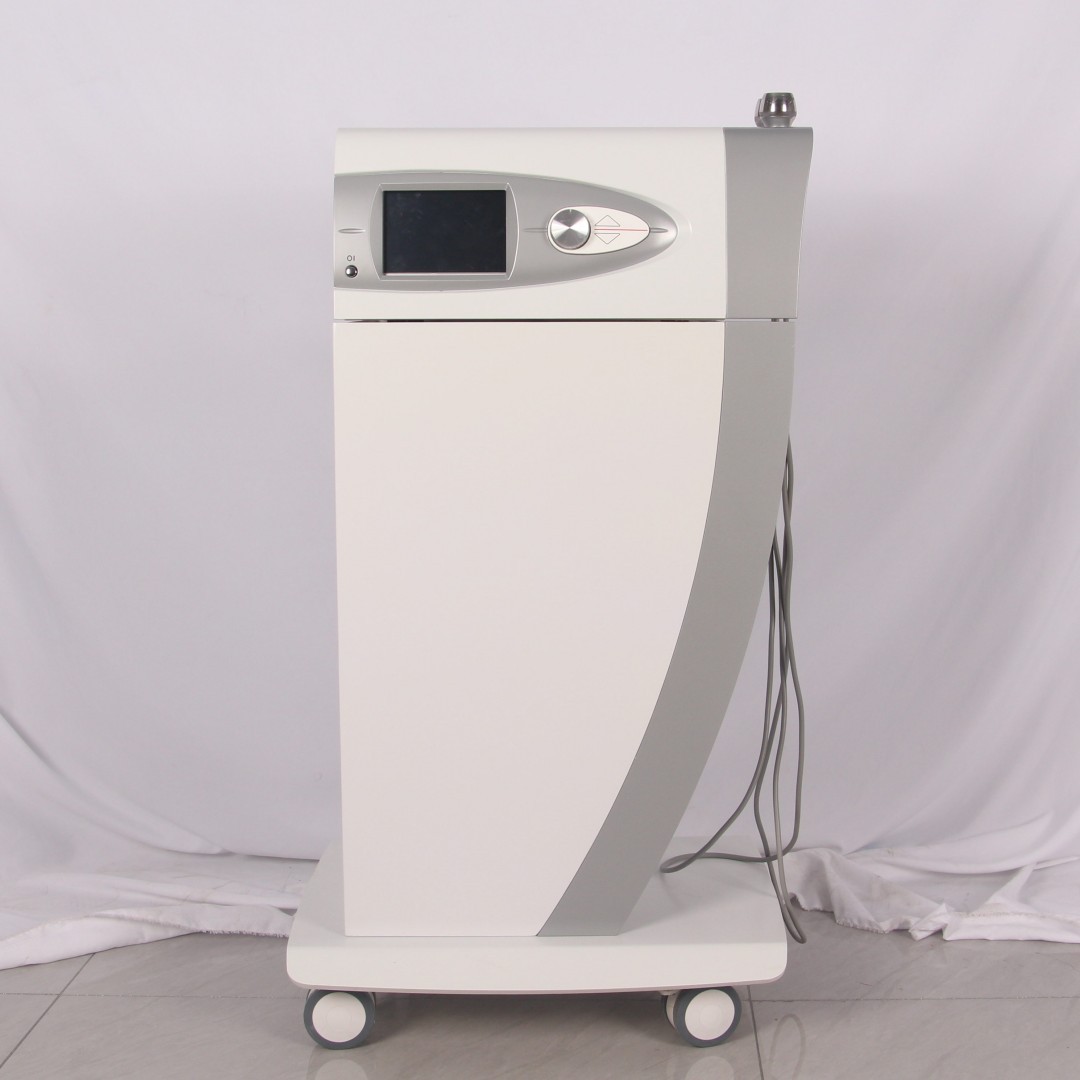
You've probably seen it before, a device humming softly as someone glides it over a client's face at a skin clinic or a dermatology office. One name that comes up a lot right after other treatments, or on days when skin feels raw and reactive, is LDM ultrasound. It's not warm, it doesn't sting, yet somehow the puffiness goes down and the skin feels more settled. That naturally makes people curious about what's actually happening underneath.
The answer lies in vibration you can't see. LDM uses ultrasound that oscillates millions of times per second to create tiny movements inside the skin's cells and fluid. This article walks through the path that vibration takes inside the body, from easing swelling to calming irritation, and explains why it's considered gentle enough for sensitive skin.
How does LDM work without heat?
LDM delivers low-intensity ultrasound directly to the skin through contact with the device. Ultrasound simply means sound waves vibrating too fast for the human ear to pick up. LDM's vibrations run at roughly millions of cycles per second, a level of stimulation far finer and more rapid than anything achieved by hand, whether tapping or massaging.
Unlike RF (radiofrequency, which stimulates tissue by generating heat) or stronger ultrasound lifting devices, LDM is known as a low-intensity method that doesn't build up much heat. That's why it's often introduced as a treatment that can be layered on relatively soon after other procedures, even while the skin is still sensitive.
The reason it stays cool comes down to how the energy is used. RF and lifting ultrasound concentrate energy at a single point to spike the temperature there quickly, while LDM spreads that same energy out over a wider area, delivering it weakly but for a longer stretch of time. Think of the difference between blasting a pot on high heat versus warming water slowly and gently over time.
How does vibration affect cells?
When ultrasound reaches the skin, the vibration doesn't stop at the surface, it travels down into the tissue underneath. The thin membrane surrounding each cell picks up this fine vibration and flexes, pressing in and releasing over and over, much like a small boat rocking gently on rippling water.
This repeated stimulation has been reported to increase the permeability of the cell membrane. Higher permeability means the pathways nutrients and waste products use to move in and out of the cell open up more than usual. As a result, cell metabolism picks up, and the fine flow of blood and lymph nearby is thought to be stimulated as well. In effect, each cell gets a gentle nudge that gets it back to doing its job a little more actively.
A wet sponge is a good way to picture it. Press and release a sponge repeatedly, and the water trapped inside gradually works its way out while fresh water seeps into the drier parts. Cells behave in a similar way, continuous fine vibration keeps opening up the routes that let material move in and out.
The intensity of the stimulation matters here. Vibration that's too strong can actually irritate tissue and cause redness, but a low-intensity, long-duration approach like LDM is understood to draw out this fine cellular response steadily without putting stress on the tissue. Rather than a short, forceful shake, it's closer to a gentle, sustained one that lets cells respond gradually.
How swelling drains through lymph circulation
Puffiness after a treatment, or on a tiring day, happens because fluid builds up more than usual in the spaces between tissues. That fluid is supposed to drain away slowly through thin channels called lymphatic vessels, but when circulation slows down, the fluid lingers and shows up as swelling.
LDM's vibration is described as creating regular pressure changes in the tissue around these lymphatic vessels, tapping the drainage channels loose the way you'd tap a clogged pipe to get things flowing again. The vibration stimulates fine circulation between tissues, helping fluid that had pooled start moving once more. That's why people who come in for this right after a treatment, when swelling is at its worst, often say their face feels noticeably lighter afterward. Because the stimulation is so much finer and gentler than pressing and kneading by hand, swelling tends to ease gradually without leaving marks or redness behind, which is one reason this approach comes up so often.
The contrast with manual lymphatic massage makes this clearer. Hand massage works by pushing across a broad area, so the pressure can end up uneven depending on how much force is applied. LDM, on the other hand, repeats the same extremely fine stimulation millions of times a second. So for the same amount of time spent, it tends to put less strain on the tissue while still draining fluid gradually.
How the red, hot feeling settles after treatment
Right after a laser treatment or a peel, skin often turns red and feels warm to the touch. That's the inflammatory response, the body sending more blood and immune cells to the area to help damaged tissue recover. The response itself is a normal part of healing, but when it's excessive, it can bring on discomfort in the form of stinging or swelling.
LDM's fine vibration is reported to gently stimulate circulation in that area, helping the fluid and substances that gathered during the inflammatory response keep moving instead of pooling in one spot. Once circulation picks back up, the localized warmth tends to ease along with it. It's less about adding more heat and more about dispersing what's already built up.
Picture a narrow alley packed with people, everything feels congested and cramped, but send that same crowd down several wider streets and it clears up naturally. Skin works much the same way, once blood and fluid that were concentrated in one spot spread back out across multiple pathways, the redness and warmth centered there fade along with it.
Can it be used on sensitive skin?
Many RF and stronger ultrasound lifting devices work by driving heat energy deep into the tissue to stimulate collagen (the protein that acts like the skin's structural framework) production. That approach is powerful, but it can also leave skin feeling sensitive right afterward, which makes some people hesitant to follow up immediately with another treatment.
LDM takes a different approach. Rather than heating tissue, it relies on low-intensity vibration to stimulate circulation and metabolism, which many report as noticeably milder and gentler. That's why it's often used right after laser or peel treatments, or as part of a calming routine for skin that's red or reactive.
The gentler feel comes down to how the stimulation actually reaches the skin. Heat energy works by spiking tissue temperature quickly to trigger a response, which can be a lot for skin that's already compromised. LDM's vibration, by contrast, barely raises temperature at all, it delivers purely physical movement. That's why it's introduced as a treatment that can be used even when the skin barrier is weakened right after a procedure, without the worry of adding further irritation.
How many sessions make the effect last?
The circulation boost from vibration can be felt to some degree after a single session, but as with most treatment devices, that improved flow tends to hold steadier with repeated sessions. Circulation function is a bit like a muscle, it holds up better with regular stimulation. Stimulate it once and things drift back to their previous pace, but keep it up over time and that improved flow becomes something the body settles into and holds onto longer. Here's why:
- A single session mostly delivers a focused effect on the swelling or warmth of that moment, which is why it's often used when immediate calming is needed right after a treatment. The circulation boost from vibration tends to fade back toward baseline once time passes.
- Coming in 2 to 3 times a week for 2 to 4 weeks increases how often circulation and metabolism get stimulated overall, and that's reported to reduce how often the skin swells or turns reactive in the first place. The explanation given is that the body adapts to the repeated stimulation pattern, and circulation gradually becomes more stable.
- When paired with another treatment, it's common to split 2 to 3 sessions across the 1 to 2 weeks right after the procedure, so circulation gets ongoing support throughout the time skin needs to heal.
Care to add after laser or peels
LDM is rarely used on its own, it's usually paired with other treatments or skincare routines. It's known to show up as a finishing step to calm red, reactive skin right after laser toning or a peel, as a way to manage lingering swelling after a lifting treatment, or as a calming routine for people whose skin flushes or feels warm often.
Because it doesn't rely much on heat, it tends not to interfere with the recovery process of other treatments, functioning more as a supporting role that helps circulation along. So rather than a standalone treatment, it's often introduced as a kind of bridge that smooths the transition between other steps in a routine.
It also comes up as an option for people whose skin is thin enough to show blood vessels through it, or who flush easily whenever the seasons change, since it can typically be used without much concern in those cases. That said, how skin responds can vary from person to person, so it's best to work out any treatment or skincare plan together with a physician.
References
Korean Dermatological Association, Ministry of Food and Drug Safety (MFDS), American Academy of Dermatology (AAD), and U.S. Food and Drug Administration (FDA). </content>
Was this helpful?
About this article
Written by a practising aesthetic physician and intended for general education — not a substitute for individual medical advice.
Read next

LDM Ultrasound Effects: Does It Help Redness and Post-Procedure Swelling?
A look at what LDM ultrasound is, how the micro-vibrations from dual and triple frequency devices calm redness and sensitive skin, and what the evidence shows about speeding recovery from post-procedure swelling and bruising.
By Dr. Kim
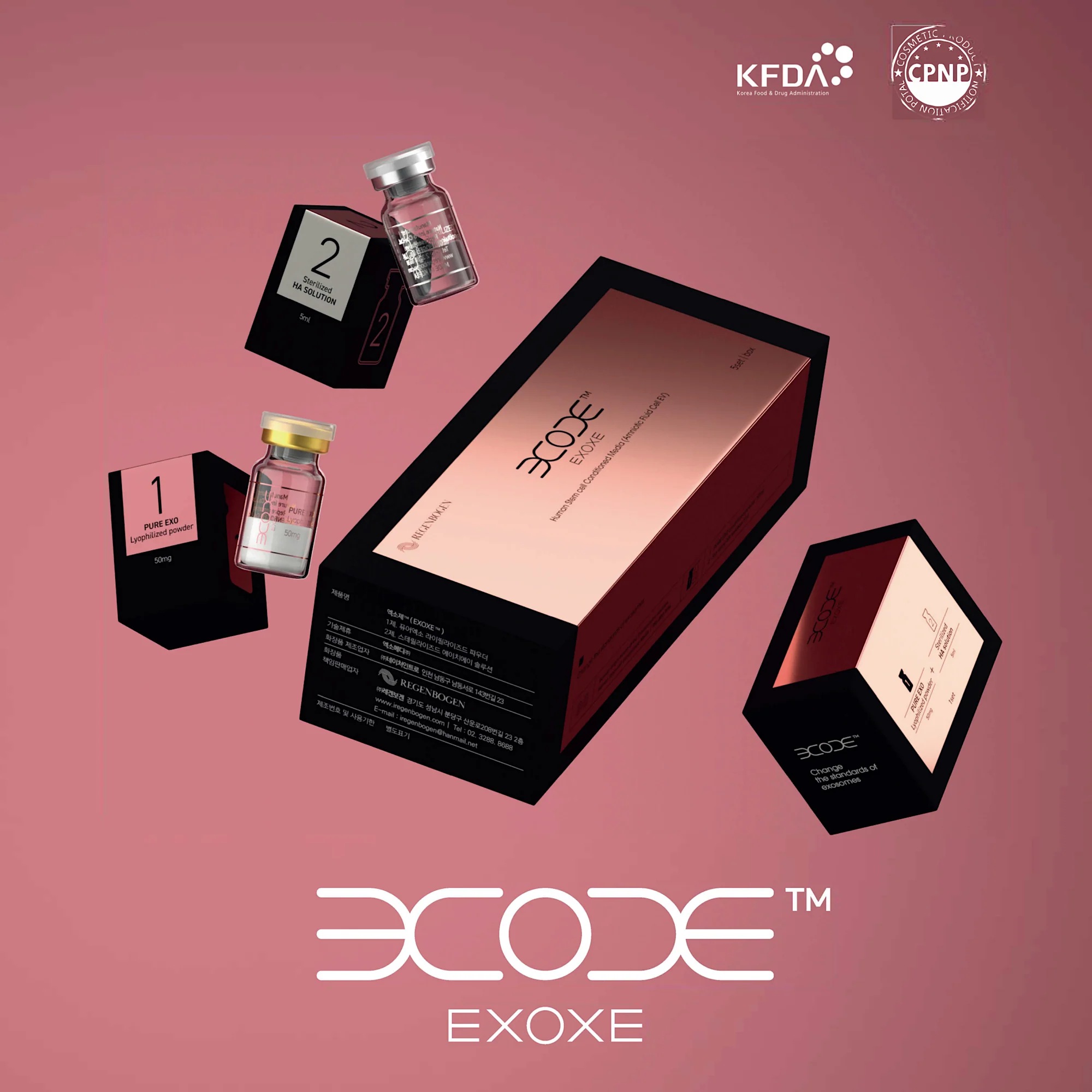
Exosome Treatment Effects: How Are They Different From Stem Cells?
Exosomes are tiny signal packets that cells release into their surroundings, delivering only the messages a stem cell creates rather than the stem cell itself to the skin. Here is a plain look at how exosomes carry regeneration and calming signals, why clinics so often pair them with laser treatments, and how much evidence has actually built up so far.
By Dr. Kim
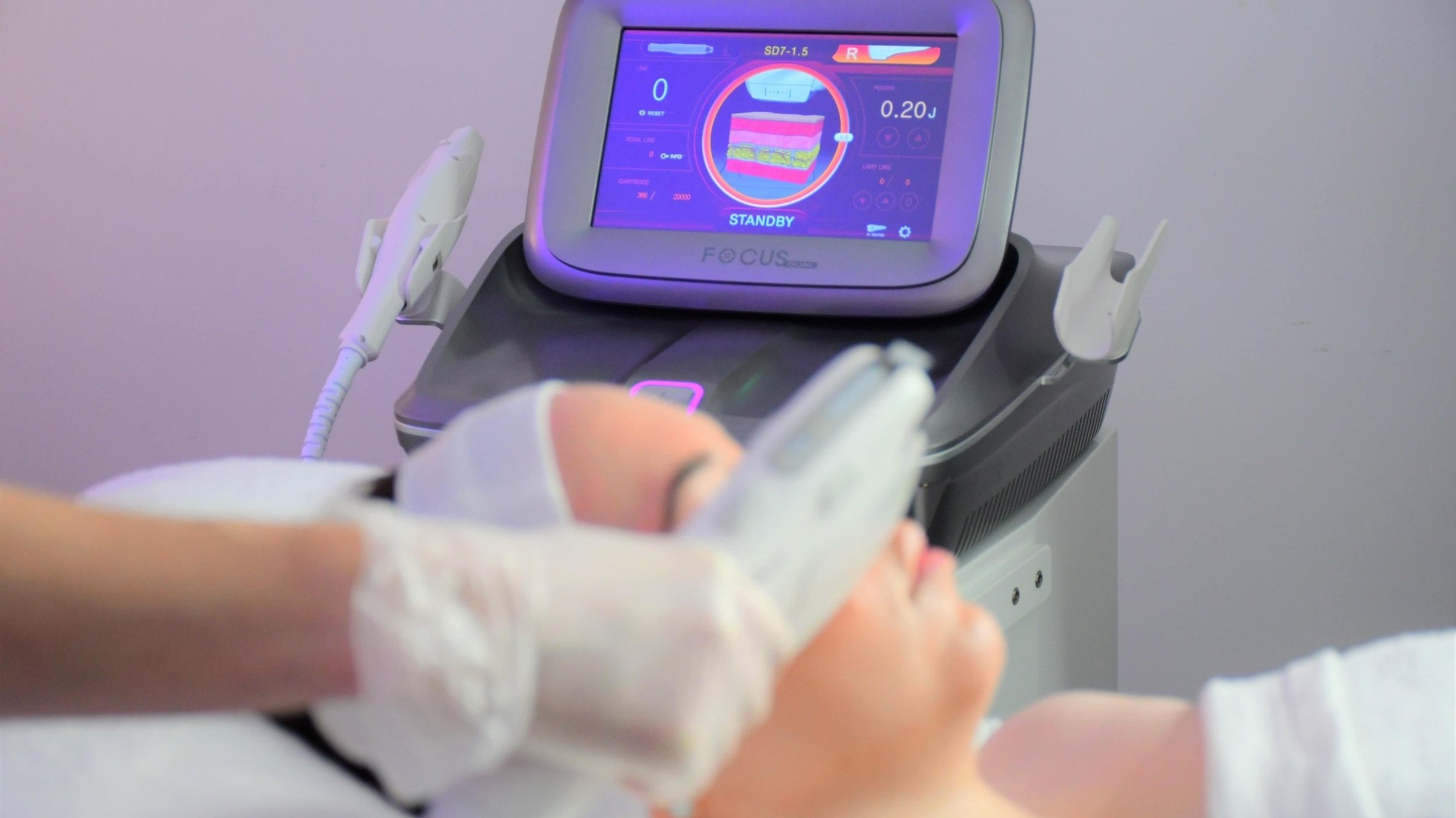
HIFU Lifting Effects and How It Works, Including Sessions and Duration
Here's why HIFU lifting targets a deeper layer called the SMAS rather than the surface of your skin, starting with how focused ultrasound converges at a single point. We break down the two stages: the immediate tightness you feel right after treatment, and the collagen that builds gradually over 4 weeks to 6 months.
By Dr. Lee