LDM Ultrasound Effects: Does It Help Redness and Post-Procedure Swelling?
By Dr. Kim8 min read

If your face looks noticeably redder the day after a procedure, or your skin tends to flush and feel warm even on ordinary days, you'll know how much a good soothing treatment can help. LDM ultrasound is a calming treatment commonly used in both clinics and skincare studios for exactly this situation. Short for Local Dynamic Micro-massage, it combines two or three different ultrasound frequencies to deliver very gentle vibrations to the skin. Much like tuning a radio between a low and a high channel, it works on the deeper and shallower layers of the skin together. Even though it isn't painful or hot, clinical studies confirm that it calms redness and sensitivity while helping the skin hold onto more moisture.
What kind of treatment is LDM ultrasound?
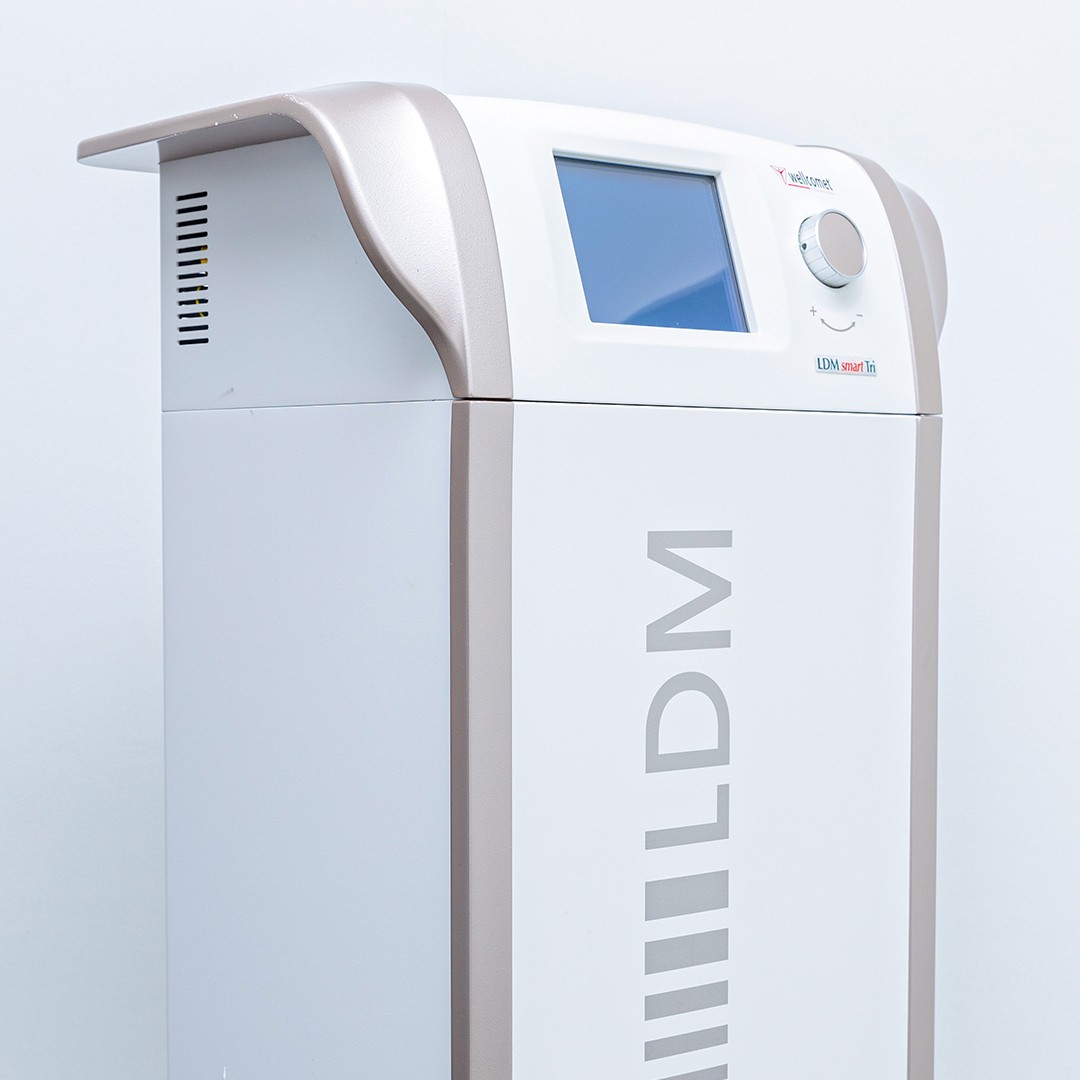
LDM stands for Local Dynamic Micro-massage, meaning a localized, dynamic micro-massage. Despite the name, it's a device-based treatment that delivers vibration through ultrasound rather than hands. Ultrasound is a sound wave pitched far too high for human ears to hear, and the defining feature of LDM is mixing different frequencies together, much like switching a radio dial between a low channel and a high one.
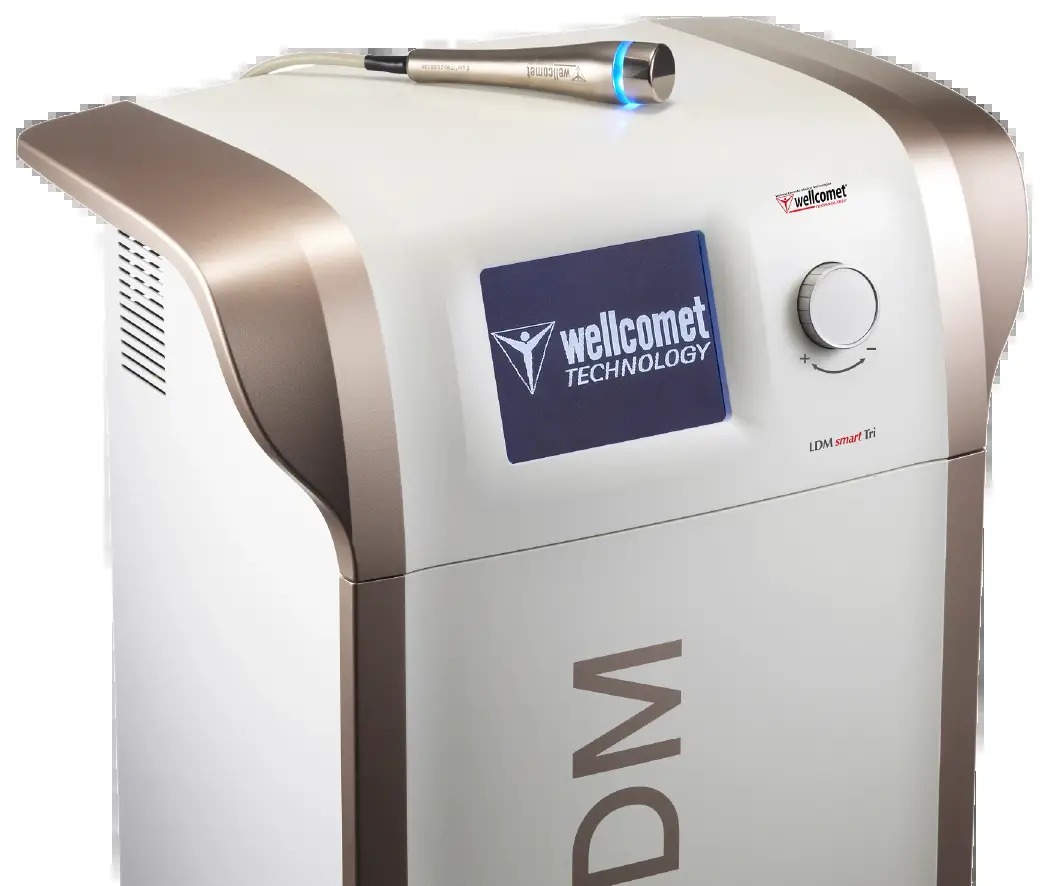
The standard setup is a dual-frequency device combining 1 MHz and 3 MHz, and clinics are now also using triple-frequency devices that add a band around 10 MHz on top of that. Devices like Smart LDM, which cycle through all three bands from a single head, fall into this category. Lower frequencies penetrate relatively deep, while the higher, 10 MHz-range frequency stimulates the shallow layer densely and gently. The basic idea is that blending these bands lets you soothe both the deep and shallow layers at once.
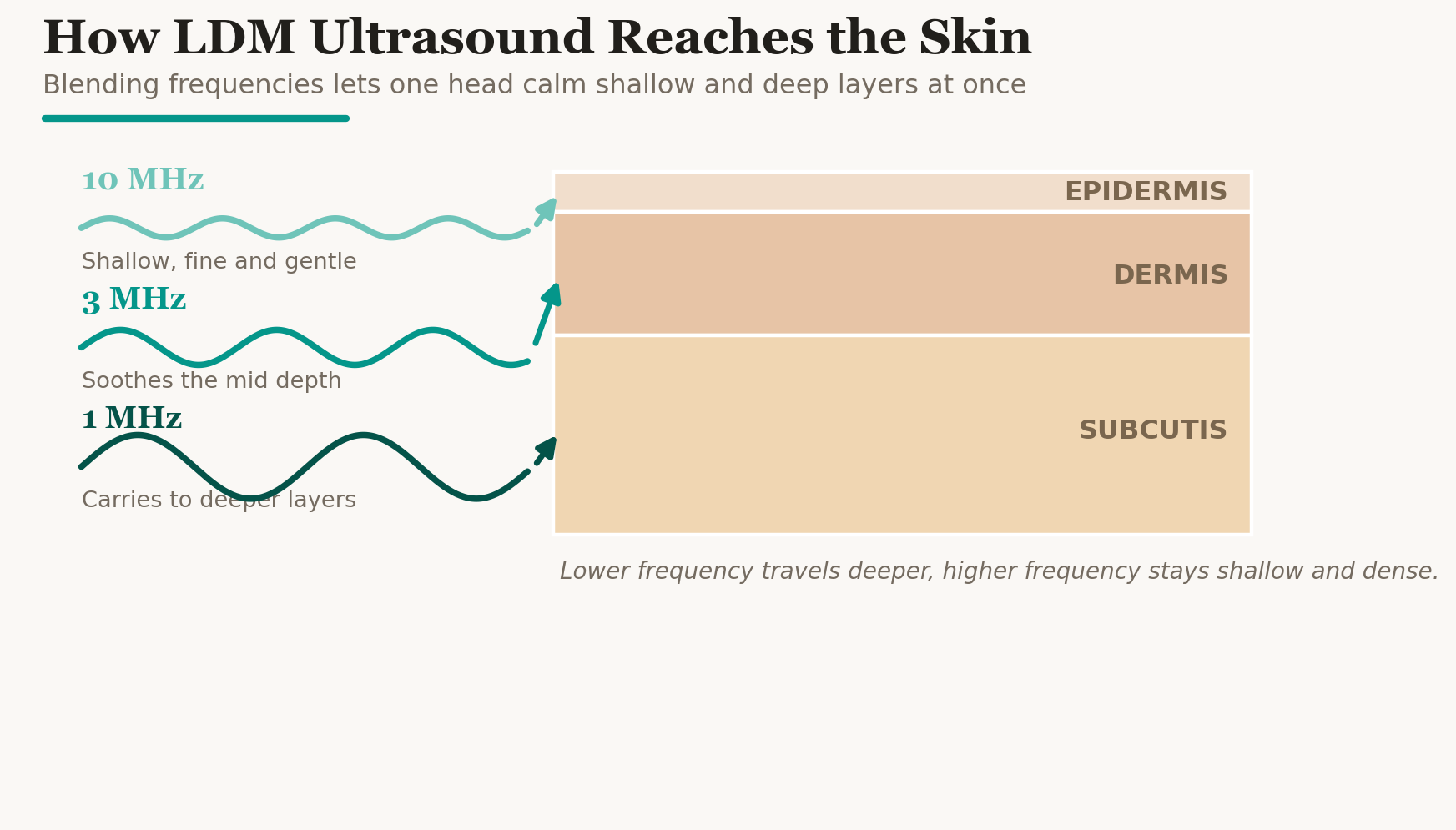
Each band does a slightly different job. The lower the frequency, the deeper the vibration reaches; the higher it is, the more densely it stays in the shallow layer. 1 MHz reaches down close to the subcutaneous layer, 3 MHz works the mid-dermis, and the 10 MHz range gently soothes the shallow layer made up of the epidermis and upper dermis. Dual-frequency devices use 1 and 3 MHz to cover the mid and deep layers, while triple-frequency devices like Smart LDM add the 10 MHz band so a single head can also manage the shallow layer. Being able to alternate between calming the surface and stimulating the deeper layers is the strength of triple frequency.
The treatment itself involves slowly gliding the device head over gel-covered skin, so there's virtually no pain and only minimal warmth. That's why it's commonly used to calm skin that's just been irritated by a laser or peel, as well as skin that's prone to redness or sensitivity in general.
Does redness settle after four weeks of treatment?
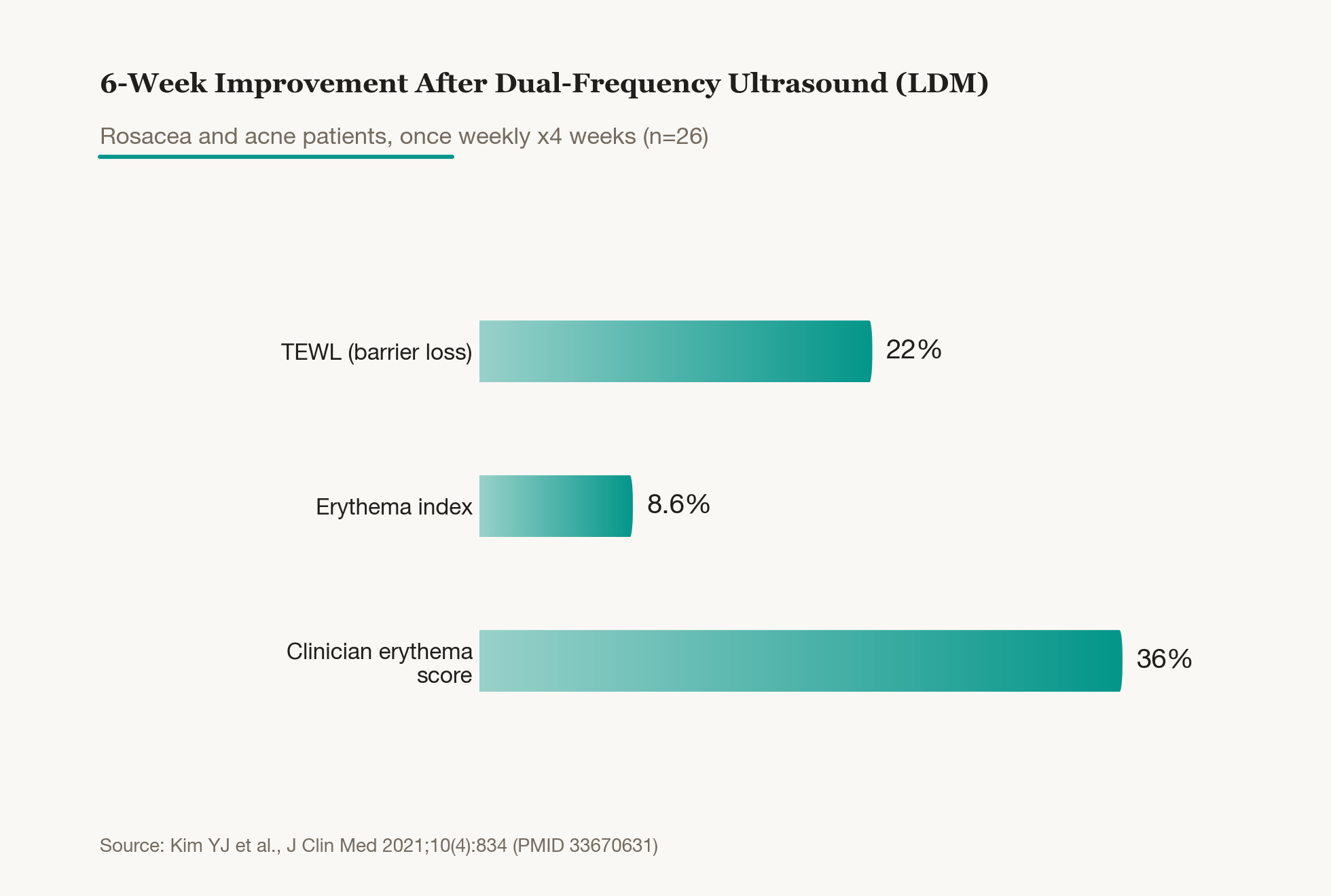
TEWL, short for transepidermal water loss, might sound unfamiliar. Simply put, it measures how much moisture your skin loses to the air over the course of a day. Just as water evaporates faster from a cup with a loose lid, this number runs higher when the skin barrier is weakened. The erythema index is a machine-measured number for how red the skin is, and a lower value means less redness.
In a study of 26 adults with facial redness from rosacea or acne, participants received dual-frequency LDM ultrasound on both cheeks once a week for 4 weeks. By week 6, TEWL had dropped by about 22% from baseline, the erythema index fell by 8.6%, and clinician-assessed redness scores dropped by about 36%. All three changes were statistically significant.
Satisfaction scores among participants rose as well, and no serious side effects were reported during or after treatment. Because a similar improvement showed up even in skin naturally prone to redness, like rosacea, this is a treatment worth trying without much worry, even for sensitive skin.
How does vibration work inside the skin?
Put simply, the mechanism comes down to gentle vibration and very mild warmth sending signals to skin cells together. When cells receive a slight physical shaking, they adjust their response almost as if sensing a small tremor, and in this process, signals that fuel inflammation are known to decrease while signals that support recovery increase.
At the same time, the micro-vibrations gently stimulate microcirculation and lymphatic flow in the skin. When circulation improves, substances that cause swelling and heat clear out more efficiently, and this can also help push moisture and hydrating ingredients deeper into the skin. The roles played by the low and high frequencies can be broken down as follows.
| Category | Low Frequency 1-3 MHz | High Frequency 10 MHz Range |
|---|---|---|
| Depth Reached | Deep dermis | Epidermis and upper dermis |
| Main Role | Stimulates circulation and metabolism | Dense, fine-tuned stimulation |
| Sensation | Subtle resonance | Light, gentle flutter |
Alternating between the two bands means targeting circulation in the deep layer and barrier repair in the shallow layer at the same time. Because the stimulation is so gentle, redness or swelling right after treatment is rare.
Study on swelling and bruising recovery after nose surgery
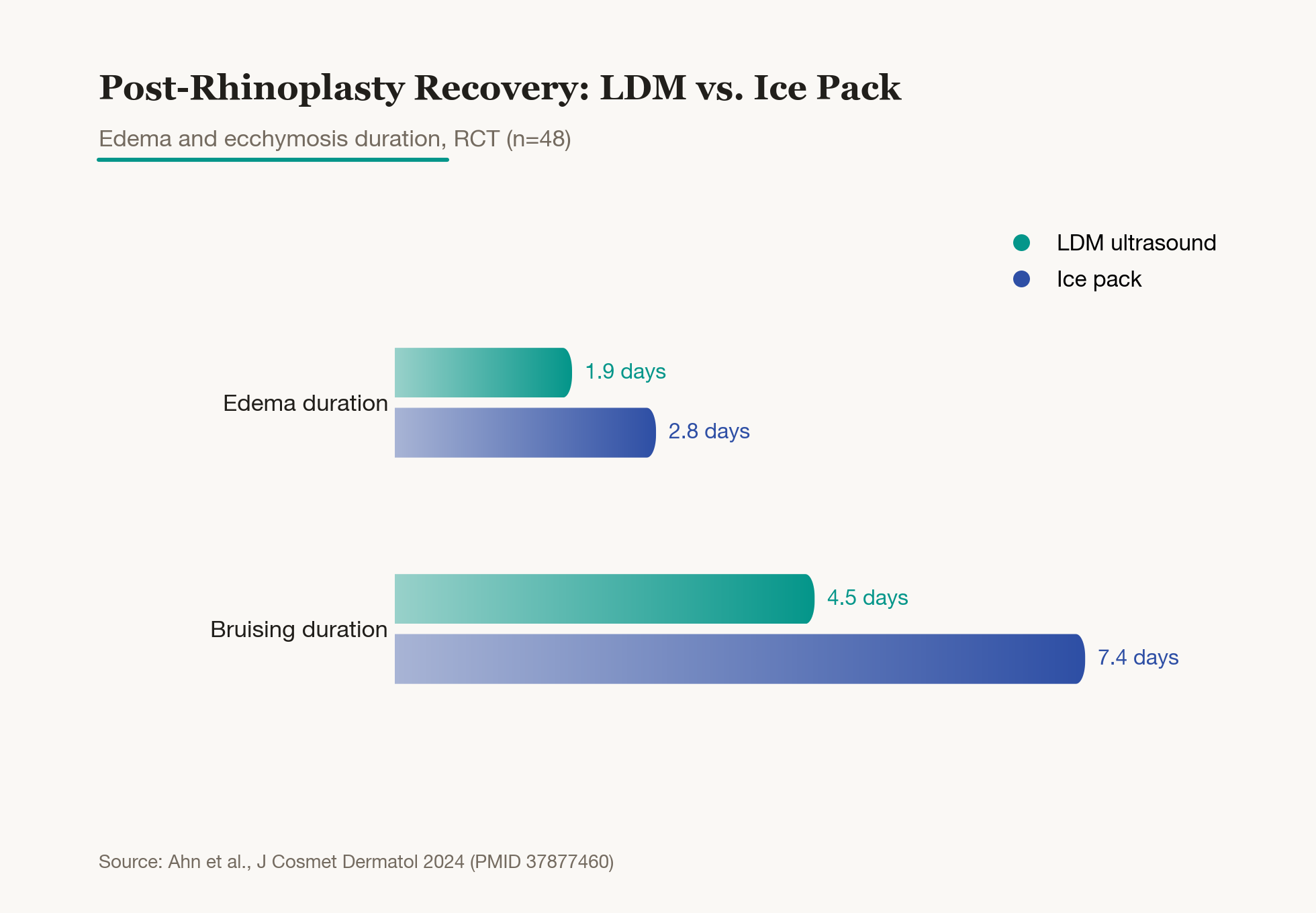
The evidence for LDM as a post-procedure treatment shows up clearly in a study of rhinoplasty patients. 48 people who had undergone rhinoplasty and septoplasty were split into two equal groups: one received daily LDM ultrasound for 5 days starting the day after surgery, while the other used only ice packs.
The results showed swelling resolved in an average of 1.9 days for the LDM group versus 4.5 days for the ice pack group. Bruising also cleared much faster, taking 2.8 days in the LDM group compared with 7.4 days in the ice pack group. Both differences were statistically significant, and satisfaction scores were noticeably higher in the LDM group as well.
This study looked specifically at recovery after nose surgery, but since swelling and bruising both stem from circulation and inflammatory response, the same mechanism likely applies to recovery after other treatments like laser or filler. That's why many clinics pair LDM ultrasound with soothing aftercare following laser toning, peels, or other procedures.
How is it different from an ice pack?
Ice packs have long been the go-to method for calming swelling and heat. Cold temperatures constrict blood vessels to hold swelling down, and the advantage is that anyone can do it easily at home. Think of LDM ultrasound as this same idea, but backed by clinical evidence and delivered with consistent intensity.
| Item | LDM Ultrasound | Ice Pack |
|---|---|---|
| Method | Multi-frequency micro-vibration | Vasoconstriction via cooling |
| Recovery Evidence | Confirmed in clinical studies | Widely used based on experience |
| Sensation | Very gentle | Can feel cold and unfamiliar |
What sets LDM ultrasound apart is that it has almost no sensation, just like an ice pack, but is also backed by a growing body of clinical research using a standardized, repeatable protocol. There's no need to pick just one; many people use LDM ultrasound to settle the skin right after a procedure, then follow up with simple cold compresses at home.
Another advantage is consistent intensity every time. Because the device keeps its frequency and output level the same, you can repeat the treatment at a similar strength each session, and it can be used comfortably even on a sensitive area like the face.
It doesn't ask much of your time, either. The treatment itself takes only a few minutes per area, and adding it after another procedure doesn't extend your recovery time. That makes it a good fit either on its own for skin that flares up with redness or sensitivity often, or as an add-on right after another treatment.
Treatment schedule and precautions
The study mentioned earlier used a schedule of once a week for 4 weeks, with about 5 minutes on each cheek per session. For managing acute issues like post-procedure swelling or bruising, a short, intensive schedule of daily sessions for about 5 days was used instead. The right frequency depends on your goal: once a week if you're aiming for ongoing skin calming, or several consecutive days if you're focused on recovery right after a procedure.
Because the stimulation is so gentle, there are almost no reports of serious side effects during or after treatment. That said, in situations where ultrasound devices call for extra caution, such as unhealed wounds, areas with an active infection, or pregnancy, it's safest to check with your doctor beforehand. Since LDM ultrasound is often used alongside laser, peel, or lifting treatments, it's also worth discussing with your provider where it fits into your overall treatment plan.
Was this helpful?
About this article
Written by a practising aesthetic physician and intended for general education — not a substitute for individual medical advice.
Read next
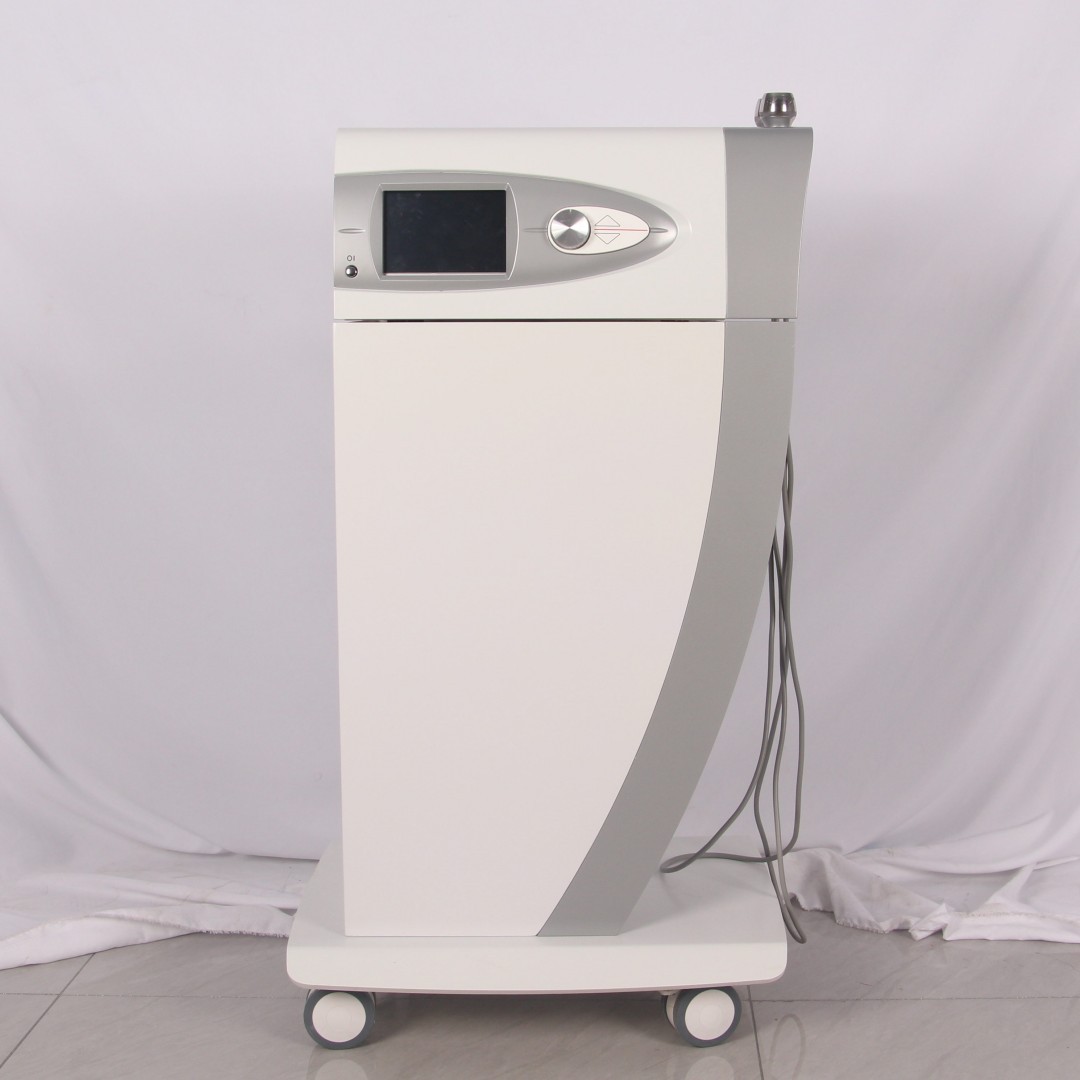
LDM Ultrasound Effects: Soothing Post-Procedure Swelling and Red, Hot Skin
A plain-language look at how LDM ultrasound vibrates millions of times per second to stir up cell metabolism and circulation, why that helps swelling and inflammation settle down, and why it's used even on sensitive skin. Also covers how results build up over repeated sessions and where this treatment fits in practice.
By Dr. Kim
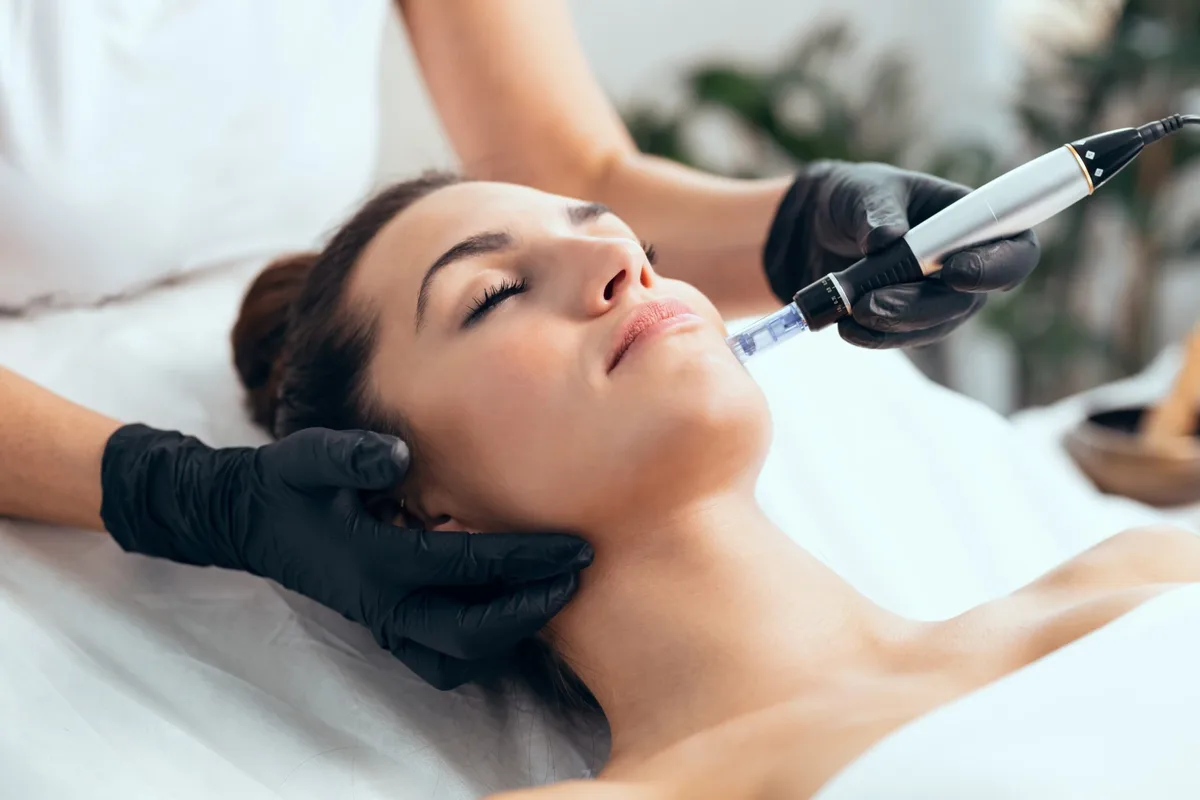
Swelling, Bruising, and Downtime After Treatment: How Many Days Does It Take?
The questions people ask most when downtime is the biggest worry before a treatment. What downtime actually means, why recovery time differs by procedure, how long redness and bruising last, when you can wear makeup again, when to resume exercise and sauna, and how to speed up recovery.
By Dr. Lee

Density Lifting Effects: How Does It Compare With Thermage?
A plain look at what Density RF actually is, how its dual monopolar-bipolar mode differs from single-mode RF like Thermage, what the clinical evidence shows, how much it hurts, what downtime to expect, and who is and isn't a realistic candidate.
By Dr. Kim